
For many, the acquisition of a home is the most significant financial investment of a lifetime. It is a cornerstone of personal wealth and a primary vehicle for long-term equity building. However, the path to homeownership—specifically the home loan application process—can often feel like navigating a complex maze of financial jargon, stringent requirements, and shifting interest rates.
Applying for a home loan is not merely a matter of filling out a form; it is a strategic financial move that requires meticulous preparation, a deep understanding of your personal finances, and an awareness of the broader economic landscape. This guide provides a detailed roadmap to help you navigate the mortgage application process with confidence and financial savvy.
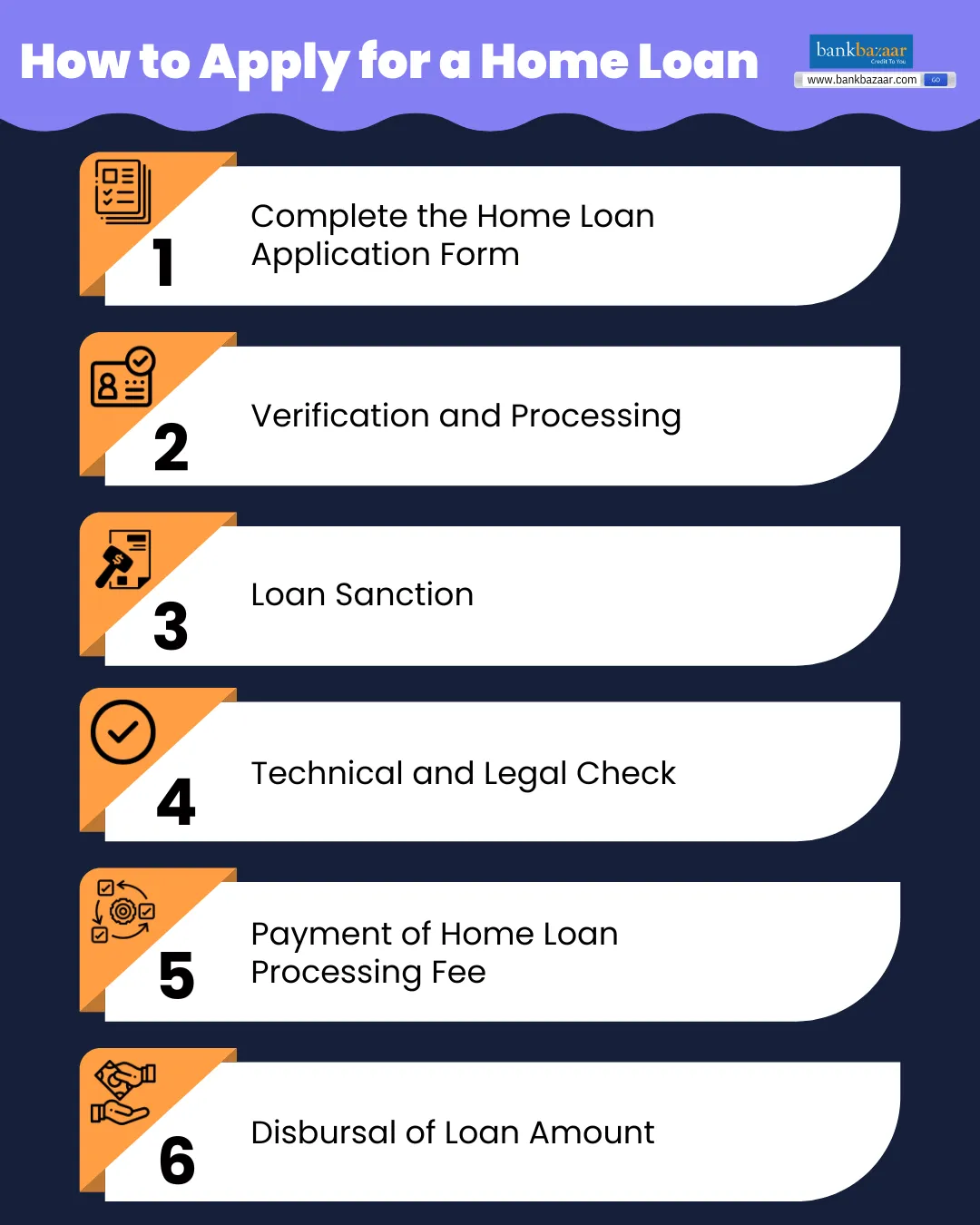
1. Laying the Financial Groundwork Before You Apply
Before you ever approach a lender or step foot in an open house, you must conduct a thorough audit of your financial health. Lenders look at specific metrics to determine your creditworthiness and your ability to repay a long-term debt.
Understanding Your Credit Score and History
Your credit score is perhaps the single most important factor in the home loan process. It determines not only if you qualify for a loan but also the interest rate you will be offered. In the world of personal finance, a higher score translates directly into thousands of dollars saved over the life of the loan.
Start by obtaining your credit report from major bureaus. Look for inaccuracies or outdated information that might be dragging your score down. If your score is below the “prime” threshold (usually 720 and above), it may be wise to spend six months to a year improving it by paying down revolving debt and ensuring all payments are made on time.
Calculating Your Debt-to-Income (DTI) Ratio
Lenders use the Debt-to-Income (DTI) ratio to measure your monthly debt payments against your gross monthly income. Most conventional lenders prefer a DTI ratio of 36% or lower, though some programs allow for higher ratios. To calculate this, add up all your monthly obligations—car loans, student loans, credit card minimums—and divide by your pre-tax income. If your DTI is too high, focus on aggressive debt repayment before applying for a mortgage to increase your borrowing power.
Saving for the Down Payment and Closing Costs
While the traditional 20% down payment is no longer a strict requirement for many loan types, it remains a gold standard for avoiding Private Mortgage Insurance (PMI). Beyond the down payment, you must also account for closing costs, which typically range from 2% to 5% of the home’s purchase price. These costs cover appraisals, title insurance, and attorney fees. Having a dedicated “home fund” in a high-yield savings account is a crucial first step in your application journey.
2. Deciphering Mortgage Types and Financial Products
Not all home loans are created equal. The “Money” aspect of a home loan involves choosing a product that aligns with your long-term financial goals and your current cash flow.
Conventional vs. Government-Backed Loans
Conventional loans are those not insured by the federal government and are typically held by private lenders or entities like Fannie Mae and Freddie Mac. They often require higher credit scores. On the other hand, government-backed loans—such as FHA (Federal Housing Administration), VA (Veterans Affairs), or USDA (Department of Agriculture) loans—are designed to make homeownership more accessible with lower down payment requirements or more flexible credit standards.
Fixed-Rate vs. Adjustable-Rate Mortgages (ARMs)
A fixed-rate mortgage offers stability; your interest rate remains the same for the duration of the loan (usually 15 or 30 years). This is ideal for those who plan to stay in their home long-term. An Adjustable-Rate Mortgage (ARM) usually offers a lower initial interest rate for a set period (e.g., 5 or 7 years), after which the rate adjusts based on market conditions. ARMs can be beneficial if you plan to sell or refinance before the adjustment period begins, but they carry the risk of rising monthly payments.
Selecting the Loan Term: 15-Year vs. 30-Year
The 30-year term is the most popular because it offers lower monthly payments, providing more “breathing room” in a monthly budget. However, a 15-year mortgage, while requiring higher monthly payments, allows you to build equity twice as fast and saves a staggering amount of money in interest over the life of the loan. Choosing between the two requires a balance between your current monthly cash flow and your long-term wealth-building goals.
3. The Step-by-Step Application Process

Once your finances are in order and you understand the products available, it is time to engage with the lending market.
Obtaining Pre-Approval
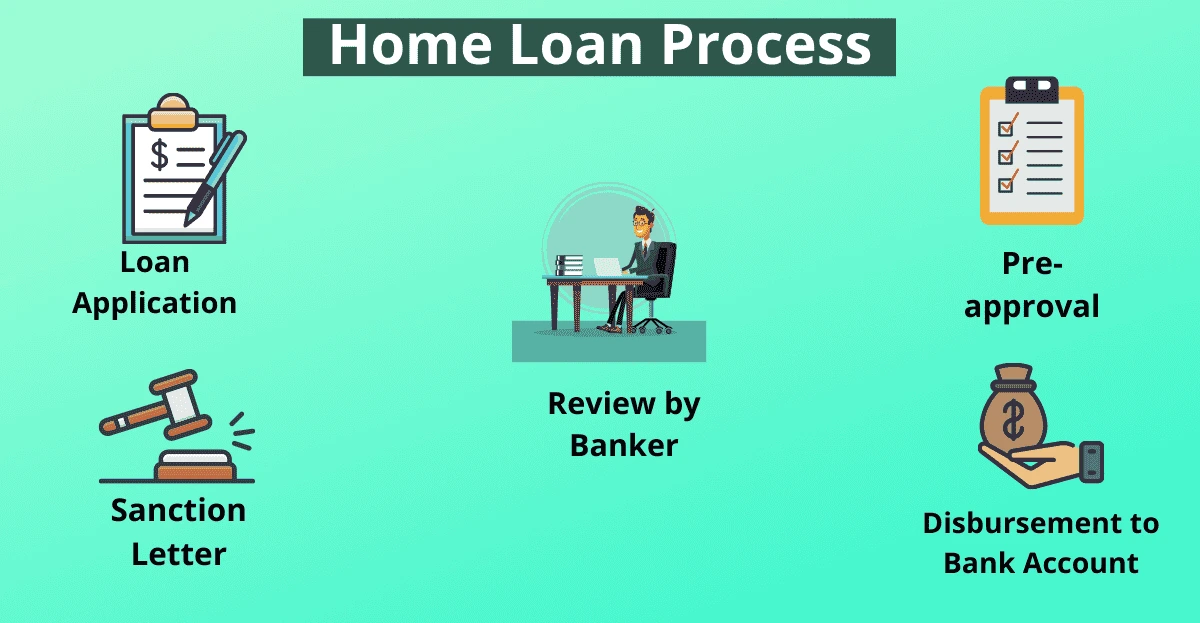
There is a significant difference between being “pre-qualified” and “pre-approved.” Pre-qualification is a surface-level estimate of what you might be able to borrow. Pre-approval, however, is a formal commitment from a lender after a preliminary review of your financial documents. In a competitive real estate market, a pre-approval letter is essential; it signals to sellers that you are a serious, financially vetted buyer.
Shopping Around and Comparing Loan Estimates
Do not settle for the first lender you speak with. Different institutions—big banks, credit unions, and online mortgage lenders—offer different rates and fee structures. Within three days of applying for a loan, lenders are legally required to provide you with a “Loan Estimate.” This standardized document allows you to compare interest rates, monthly payments, and total closing costs side-by-side. Even a 0.25% difference in an interest rate can save you tens of thousands of dollars over 30 years.
The Underwriting and Appraisal Phase
Once you have found a home and your offer is accepted, the loan moves into “underwriting.” This is the stage where the lender performs a deep dive into your finances to verify every detail. Simultaneously, the lender will order an appraisal to ensure the home’s value justifies the loan amount. During this phase, it is vital to maintain financial “stasis”—do not take out new credit cards, buy a new car, or move large sums of money between accounts, as this can trigger a re-evaluation of your loan approval.
4. Organizing the Essential Documentation Portfolio
The home loan application is a document-heavy process. Being organized can significantly speed up the approval timeline and reduce stress.
Proof of Income and Employment
Lenders want to see a stable history of earnings. Typically, you will need to provide:
- W-2 forms from the last two years.
- Recent pay stubs (usually covering the last 30 days).
- Tax returns for the last two years, especially if you are self-employed or have complex investment income.
- A “Verification of Employment” (VOE) where the lender contacts your employer directly.
Asset and Liability Verification
You must prove you have the funds for the down payment and closing costs, and that those funds have been in your account for a “seasoned” period (usually 60 days). Expect to provide:
- Bank statements for all checking and savings accounts.
- Statements for retirement accounts (401k, IRA) and investment portfolios.
- A “Gift Letter” if a family member is helping you with the down payment, confirming the money is not a loan that needs to be repaid.
Identity and Legal Documentation
Standard requirements include a government-issued ID (Driver’s License or Passport) and Social Security number. If applicable, you may also need to provide divorce decrees, child support documentation, or bankruptcy discharge papers to provide a full picture of your financial obligations and history.
5. Finalizing the Loan: Closing and Beyond
The final stage of the application process is the “Closing,” often referred to as “Settlement.”
Reviewing the Closing Disclosure
At least three days before you sign the final paperwork, your lender will provide a Closing Disclosure (CD). Compare this document to the Loan Estimate you received earlier. Ensure that the fees, interest rate, and loan terms match what you were promised. This is your last chance to catch errors before the legal commitment is finalized.
The Closing Meeting and Funding
On closing day, you will sign a mountain of paperwork, including the mortgage note (your promise to repay) and the deed of trust. You will provide the funds for your down payment and closing costs, typically via a wire transfer or cashier’s check. Once the documents are recorded by the local government, the loan is funded, and the keys are yours.
Post-Closing Financial Management
Applying for the loan is just the beginning. Once you have the mortgage, managing it effectively is key to personal financial health. Consider setting up bi-weekly payments to pay down the principal faster or monitoring interest rates for future refinancing opportunities. By treating your home loan as a dynamic part of your financial portfolio rather than a “set it and forget it” expense, you can leverage your mortgage to enhance your overall net worth.
In conclusion, applying for a home loan is a rigorous process that demands financial discipline and strategic planning. By understanding your credit, choosing the right loan product, and staying organized through the documentation phase, you transform a daunting hurdle into a manageable step toward achieving your long-term financial objectives.
aViewFromTheCave is a participant in the Amazon Services LLC Associates Program, an affiliate advertising program designed to provide a means for sites to earn advertising fees by advertising and linking to Amazon.com. Amazon, the Amazon logo, AmazonSupply, and the AmazonSupply logo are trademarks of Amazon.com, Inc. or its affiliates. As an Amazon Associate we earn affiliate commissions from qualifying purchases.