
For veterans, active-duty service members, and eligible surviving spouses, the VA home loan is arguably the most powerful financial tool in the American real estate market. When asking “what are VA mortgage rates today,” one must look beyond a simple percentage. Understanding these rates requires a deep dive into the macroeconomic forces at play, the unique structure of government-backed lending, and the personal financial metrics that determine what a lender will ultimately offer you.
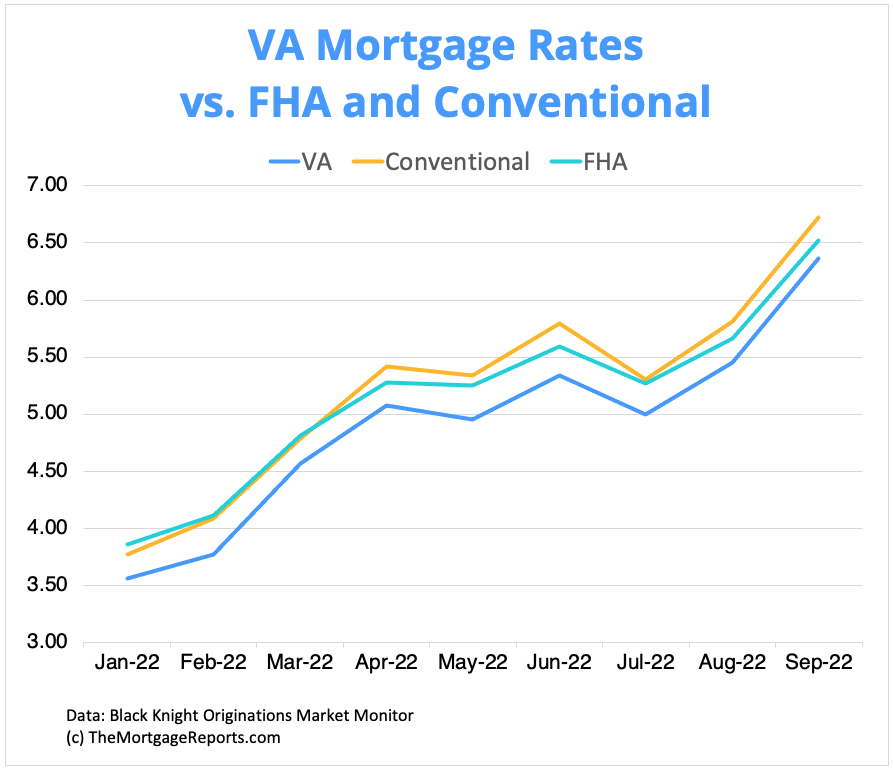
In the current financial climate, where inflation and central bank policies have introduced significant volatility, the VA loan remains a beacon of stability. Because these loans are partially guaranteed by the Department of Veterans Affairs, lenders assume less risk, which typically translates into interest rates that are 0.25% to 0.50% lower than conventional 30-year fixed-rate mortgages.
Understanding VA Mortgage Rates in the Current Economic Landscape
Mortgage rates do not exist in a vacuum. They are the product of complex interactions between global bond markets, domestic inflation data, and the monetary policy of the Federal Reserve. To understand where VA rates are today, one must understand what moves the needle.
The Role of the Federal Reserve and Treasury Yields
A common misconception is that the Federal Reserve sets mortgage rates directly. In reality, mortgage rates are more closely tied to the yield on the 10-year Treasury note. When investors are concerned about inflation, they demand higher yields on bonds, which pushes mortgage rates upward. While the Fed’s “federal funds rate” influences short-term borrowing, it sets the overall tone for the cost of capital. In an environment of tightening monetary policy, VA mortgage rates naturally trend higher alongside the rest of the market, though they maintain their competitive edge over conventional products.
Why VA Rates Sustain a Competitive Advantage
The primary reason VA rates remain lower than conventional rates is the government guarantee. If a borrower defaults, the VA promises to repay the lender a portion of the loan. This safety net allows private lenders—who actually fund the loans—to offer more favorable terms. This “risk premium” is much lower for VA loans than for conventional loans, which require private mortgage insurance (PMI) if the borrower puts down less than 20%.
The Impact of Market Volatility on Daily Rate Quotes
“Today’s rate” can change by the hour. Financial markets react instantaneously to jobs reports, Consumer Price Index (CPI) data, and geopolitical events. For a veteran looking to buy, this means that a quote received on Monday might not be available on Friday. Understanding this volatility is key to “timing” a rate lock, a strategy we will discuss later in this guide.
Key Factors That Influence Your Personal VA Loan Rate
While the market sets the “base” rate, your individual financial profile determines the “adjusted” rate a lender offers you. Even though the VA loan program is designed to be accessible, lenders still utilize risk-based pricing.
Credit Score Requirements and Tiered Pricing
The VA does not technically set a minimum credit score, but most lenders do—this is known as an “overlay.” Generally, a score of 620 or higher is required for the most competitive rates. However, many specialized VA lenders will work with scores as low as 580. It is important to realize that a borrower with a 740 credit score will likely receive a lower interest rate quote than a borrower with a 640 score, as the perceived risk of default is lower.
Debt-to-Income (DTI) Ratio and Residual Income
The VA is unique in its focus on “residual income”—the amount of money left over each month after all debts and housing expenses are paid. While many conventional loans have strict DTI limits (often around 43% to 45%), the VA is more flexible, sometimes allowing DTIs as high as 50% or more if the residual income is strong. However, a lower DTI ratio can sometimes help in securing a better rate or more favorable loan terms.
Loan Duration: 15-Year vs. 30-Year Fixed Rates
The term of your loan significantly impacts your rate. A 15-year fixed VA mortgage will almost always carry a lower interest rate than a 30-year fixed mortgage. From a personal finance perspective, the 15-year option builds equity much faster and results in tens of thousands of dollars in interest savings over the life of the loan, though it comes with a significantly higher monthly payment.
The Financial Benefits of VA Loans Beyond the Interest Rate
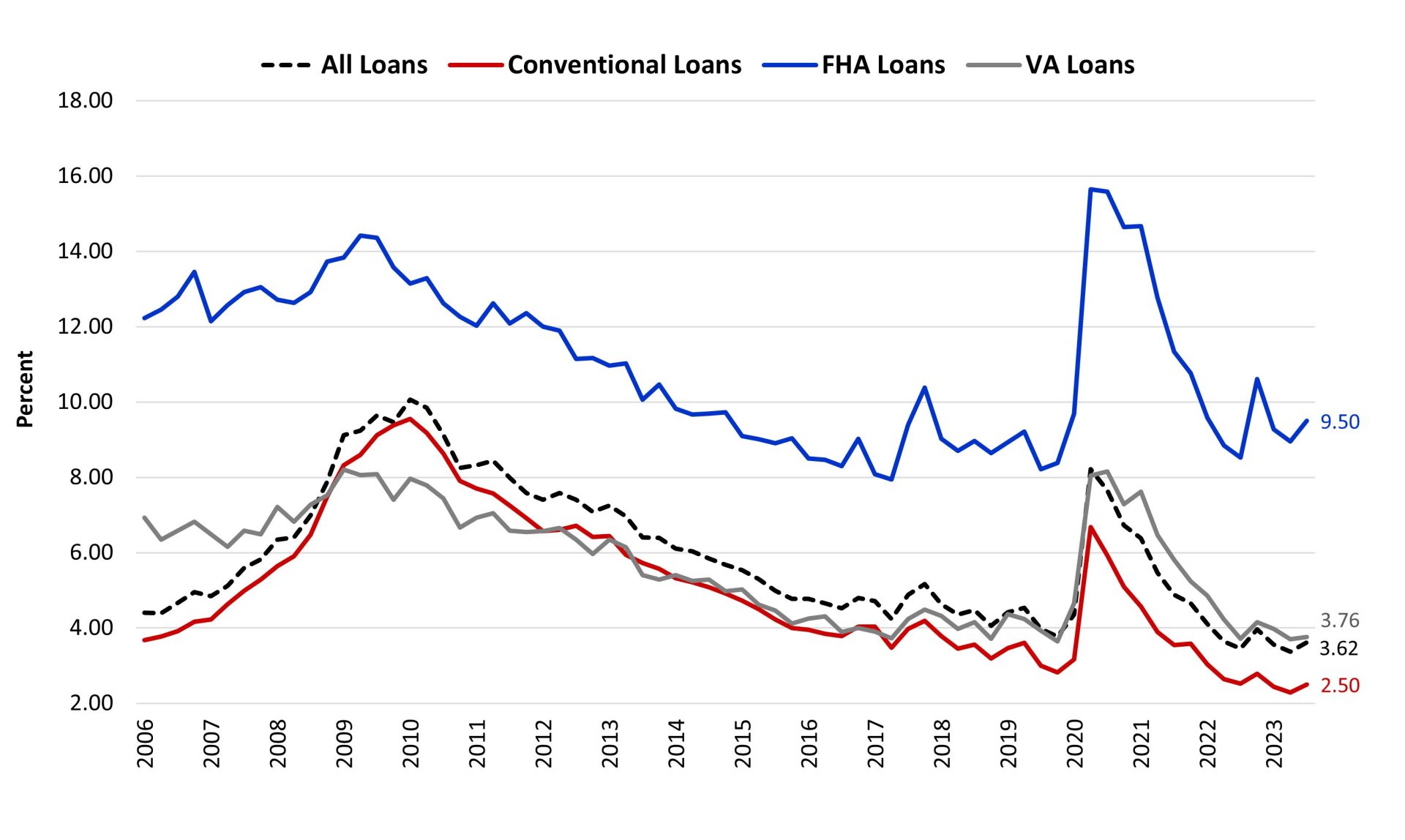
When evaluating VA mortgage rates today, you must consider the “Total Cost of Borrowing.” A VA loan with a 6.5% rate is often cheaper than a conventional loan with a 6.2% rate when you factor in the auxiliary benefits.
Zero Down Payment: Preserving Liquidity
The headline feature of the VA loan is the 0% down payment requirement. In a conventional mortgage scenario, a buyer might need to liquidate $50,000 to $100,000 for a down payment. By using a VA loan, that capital remains in the veteran’s pocket, where it can be invested in the stock market, used for home improvements, or kept as an emergency fund. The “opportunity cost” of a down payment is a critical factor in the Money niche of personal finance.
The Elimination of Private Mortgage Insurance (PMI)
On a conventional loan, if you put down less than 20%, you are forced to pay PMI. This can cost anywhere from $100 to $300 per month depending on the loan size and credit score. VA loans never require PMI. This monthly saving effectively lowers your “real” interest rate because more of your payment is going toward principal and interest rather than an insurance premium that offers you no protection.
The VA Funding Fee vs. Closing Costs
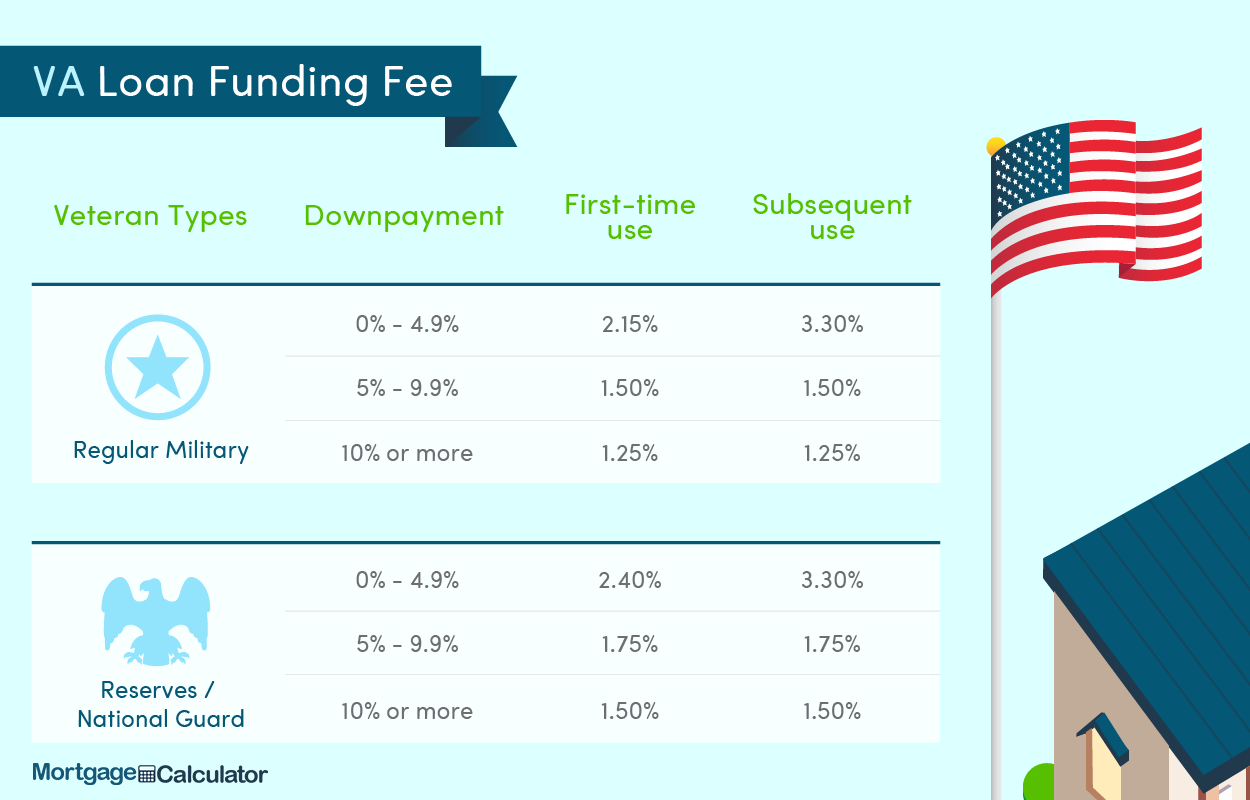
Instead of PMI, the VA charges a “Funding Fee,” which is a one-time percentage of the loan amount paid to the VA to keep the program running for future generations. This fee can be rolled into the loan amount. Crucially, veterans with a service-connected disability rating of 10% or higher are exempt from this fee, making the VA loan the undisputed champion of low-cost borrowing.
Strategies to Secure the Best VA Mortgage Rate Today
Securing the lowest possible rate requires a proactive approach. You are not a passive observer of the market; you are a consumer with leverage.
Shopping Multiple VA-Approved Lenders
Not all lenders are created equal. Some specialize in VA loans, while others treat them as a secondary product. Large retail banks often have higher overhead and may offer slightly higher rates. Online lenders or wholesale mortgage brokers may offer lower rates but different service levels. To find the best rate today, you should obtain at least three “Loan Estimates” on the same day to compare “apples to apples.”
The Power of Buying Down the Rate (Discount Points)
If you plan to stay in your home for a long time (7+ years), it may make sense to “buy down” the rate. One “point” equals 1% of the loan amount and typically lowers your interest rate by 0.25%. This is an upfront cost that pays for itself over time. In a high-rate environment, many sellers are now offering “seller concessions” to pay for these points on behalf of the veteran buyer, allowing the veteran to secure a below-market rate without out-of-pocket costs.
Understanding the Rate Lock Strategy
Once you find a rate you are comfortable with, you must “lock” it. A rate lock protects you from market increases while your loan is being processed (usually 30 to 45 days). If rates drop significantly after you lock, some lenders offer a “float-down” option, allowing you to take advantage of the lower rate for a small fee.
Navigating Refinance Options: IRRRL and Cash-Out
The VA program isn’t just for buying homes; it’s a lifetime financial management tool. Even if you secure a rate today that feels high, the VA provides streamlined ways to lower it in the future.
The Interest Rate Reduction Refinance Loan (IRRRL)
Often called a “VA Streamline,” the IRRRL is designed to lower your interest rate with minimal paperwork. It often requires no appraisal and no credit check. If VA mortgage rates drop by 0.50% or more in the future, the IRRRL allows veterans to pivot quickly to the lower rate, often with the closing costs rolled into the new loan.
Cash-Out Refinancing for Financial Flexibility
For veterans who have built up significant home equity, a VA Cash-Out Refinance allows them to take out up to 100% of the home’s value. This can be a savvy financial move to consolidate high-interest credit card debt or fund major life expenses. While the interest rate on a cash-out refi might be slightly higher than a standard purchase rate, it is almost always lower than any other form of unsecured debt.
Conclusion: Making an Informed Decision
What are VA mortgage rates today? They are a reflection of a complex global economy, but for the eligible borrower, they represent the most affordable path to homeownership in the United States. By focusing on credit health, shopping multiple lenders, and understanding the long-term benefits of the zero-down-payment structure, veterans can maximize their wealth-building potential. While we cannot control the fluctuations of the bond market, we can control how we utilize the VA benefit to secure a stable financial future.
aViewFromTheCave is a participant in the Amazon Services LLC Associates Program, an affiliate advertising program designed to provide a means for sites to earn advertising fees by advertising and linking to Amazon.com. Amazon, the Amazon logo, AmazonSupply, and the AmazonSupply logo are trademarks of Amazon.com, Inc. or its affiliates. As an Amazon Associate we earn affiliate commissions from qualifying purchases.