
The question, “What is today’s current interest rate?” seems straightforward, yet its answer is anything but simple. There isn’t a single, universally applicable “today’s interest rate.” Instead, the concept refers to a dynamic and multifaceted spectrum of rates, each influencing different aspects of our financial lives, from the cost of borrowing for a home to the returns on our savings. These rates act as the vital pulse of the economy, reflecting everything from inflation expectations and central bank policies to global economic shifts and individual creditworthiness. Understanding this intricate web of interest rates is not merely an academic exercise; it is fundamental to making informed decisions about personal finance, investing, and even career planning.
At its core, an interest rate is the cost of borrowing money or the reward for lending it. It’s the price of capital. When you borrow, you pay interest; when you save or invest, you earn interest. But the specific rate you encounter depends on numerous factors: who is borrowing, who is lending, the term of the loan, the perceived risk, and the broader economic climate. This article will demystify “today’s current interest rate” by exploring its various forms, the forces that drive its fluctuations, and its profound impact on individuals, businesses, and the economy at large.
The Multi-Faceted Nature of “Today’s Interest Rate”
To truly grasp “today’s current interest rate,” we must first acknowledge that it’s a constellation of rates, each serving a distinct purpose and responding to different market forces. They are interconnected, yet each holds its own significance.
The Federal Funds Rate: The Benchmark of the Economy
At the apex of the U.S. interest rate hierarchy lies the Federal Funds Rate. This isn’t a rate you or I directly pay or receive; rather, it’s the target rate that the Federal Open Market Committee (FOMC) of the Federal Reserve sets for overnight lending between banks. When commercial banks lend their excess reserves to other banks to meet reserve requirements, they do so at a rate that hovers around this target.
Why is it so crucial? Because the Federal Funds Rate serves as the foundational benchmark for virtually every other interest rate in the economy. A change in this target rate sends ripple effects through the entire financial system. When the Fed raises its target, it signals a tightening of monetary policy, making it more expensive for banks to borrow from each other, which in turn influences the rates they offer to their customers. Conversely, a reduction in the target rate indicates an easing of policy, making money cheaper to borrow. Its decisions are based on the Fed’s dual mandate: to achieve maximum employment and maintain price stability (i.e., control inflation).
Prime Rate: A Key for Borrowers
Directly influenced by the Federal Funds Rate is the Prime Rate. This is the interest rate that commercial banks charge their most creditworthy corporate customers on short-term loans. For individual borrowers, the Prime Rate is critically important because it serves as the base for many variable-rate loans, including most credit cards, home equity lines of credit (HELOCs), and some adjustable-rate mortgages (ARMs).
Typically, the Prime Rate is set about 3 percentage points above the upper bound of the Federal Funds Rate target range. When the Fed moves its target, the Prime Rate usually follows in lockstep, often within days. For consumers carrying balances on credit cards or utilizing HELOCs, changes in the Prime Rate directly impact their monthly payments, making it a highly tangible aspect of “today’s interest rate.”
Mortgage Rates: The Homeownership Barometer
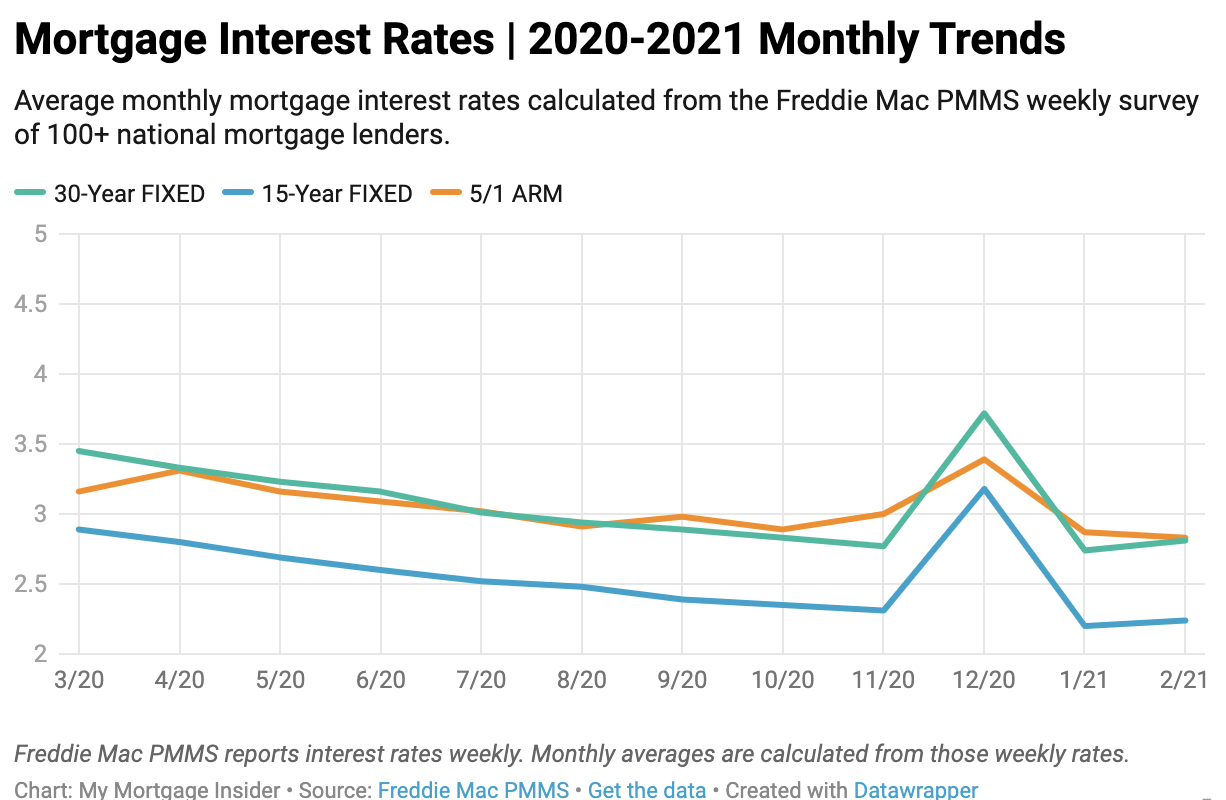
For many, the most significant interest rate is the mortgage rate, as it dictates the affordability of homeownership – often the largest financial commitment an individual makes. Mortgage rates are complex, influenced by the broader economic outlook, inflation expectations, and, crucially, the bond market (specifically, the yield on U.S. Treasury bonds, which are seen as a proxy for risk-free rates).
There are two primary types:
- Fixed-Rate Mortgages: The interest rate remains constant for the life of the loan, providing predictable monthly payments regardless of market fluctuations.
- Adjustable-Rate Mortgages (ARMs): The rate is fixed for an initial period (e.g., 3, 5, 7, or 10 years) and then adjusts periodically based on a chosen index (often tied to the Prime Rate or other market rates).
Changes in mortgage rates profoundly impact the real estate market, influencing buyer demand, property values, and the attractiveness of refinancing existing loans. Even small shifts can mean thousands of dollars over the lifetime of a loan.
Savings and CD Rates: Rewards for Savers
While borrowing rates grab headlines, savings account and Certificate of Deposit (CD) rates are equally important for those looking to grow their cash reserves. These are the rates banks pay depositors for holding their money. Generally, these rates tend to move in the same direction as the Federal Funds Rate and Prime Rate, albeit often with a lag and at lower levels, as banks need to maintain a spread to generate profit.
For savers, higher rates mean better returns on their deposits, helping their money grow faster and combat inflation. Low rates, conversely, can discourage saving, pushing individuals to seek higher-yielding, potentially riskier, investments. Understanding “today’s” savings rates is critical for managing an emergency fund and planning for short-term financial goals.
Other Key Rates: Auto Loans, Personal Loans, Business Loans
Beyond these major categories, numerous other interest rates exist:
- Auto Loan Rates: Vary based on credit score, loan term, and vehicle type.
- Personal Loan Rates: Unsecured loans often have higher rates due to increased risk.
- Business Loan Rates: Depend on the business’s creditworthiness, size, and the loan’s purpose.
All these rates are generally influenced by the underlying cost of capital (driven by the Fed Funds Rate and bond yields) and the specific risk assessment of the borrower.
Factors Driving Interest Rate Fluctuations
Interest rates are rarely static; they are dynamic economic variables that constantly adjust in response to a multitude of factors. Understanding these drivers is key to anticipating their movements and making informed financial decisions.
Inflation Expectations: The Rate’s Arch-Nemesis
Perhaps the single most powerful force behind interest rate movements is inflation expectations. Inflation erodes the purchasing power of money over time. Lenders, naturally, demand higher interest rates when they expect inflation to rise, to ensure that the money they are repaid in the future has similar or greater purchasing power than the money they lent today. If inflation is 3% and a savings account offers 2% interest, the saver is actually losing purchasing power.
Central banks, like the Federal Reserve, view controlling inflation as a primary objective. When inflation rises above their target (typically 2%), they often respond by raising the Federal Funds Rate to cool down the economy and curb price increases. Conversely, if inflation is too low, they might lower rates to stimulate spending.
Economic Growth and Employment Data
The overall health of the economy is another critical determinant.
- Strong Economic Growth: A robust economy with high consumer demand and business expansion typically leads to higher interest rates. Businesses borrow more to invest and expand, increasing the demand for capital, which drives up its price (interest rates).
- Weak Economic Growth/Recession: In a slowing economy or recession, central banks often lower interest rates to make borrowing cheaper, encouraging spending and investment to stimulate economic activity.
- Employment Data: Key indicators like the unemployment rate and job growth figures are closely watched. A strong labor market usually suggests a healthy economy, potentially leading to higher rates, while rising unemployment can signal an economic slowdown and pressure for lower rates.
Monetary Policy and Central Bank Actions
The actions and pronouncements of central banks, particularly the Federal Reserve in the U.S., are paramount. Through various tools, they directly influence the money supply and, consequently, interest rates.
- Targeting the Federal Funds Rate: As discussed, this is their primary tool.
- Quantitative Easing (QE) and Quantitative Tightening (QT): During QE, the Fed buys large quantities of government bonds and other securities to inject liquidity into the financial system and suppress long-term rates. QT involves shrinking its balance sheet, which can put upward pressure on rates.
- Forward Guidance: The Fed communicates its future intentions regarding monetary policy, helping to shape market expectations and influencing current long-term rates.
These deliberate actions are designed to guide the economy towards the Fed’s mandates of maximum employment and price stability.
Global Economic Conditions and Geopolitics
In an interconnected world, domestic interest rates are not immune to international influences.
- Global Economic Slowdowns: A recession in a major trading partner can dampen demand for U.S. exports, impacting domestic growth and potentially leading to lower rates.
- “Flight to Safety”: During periods of global uncertainty or crisis (e.g., a pandemic, geopolitical conflict), investors often sell off riskier assets and flock to safe-haven assets like U.S. Treasury bonds. This increased demand for Treasuries drives up their prices and, inversely, pushes down their yields, which can pull down other long-term U.S. interest rates.
- Currency Fluctuations: Interest rate differentials between countries can influence currency exchange rates, impacting trade and investment flows.
Supply and Demand for Credit
Like any other commodity, the price of money (interest rates) is subject to the fundamental laws of supply and demand.
- High Demand for Loans: When businesses and consumers are eager to borrow (e.g., during an economic boom), and the supply of available funds is relatively constrained, interest rates tend to rise.
- Low Demand for Loans: In times of economic uncertainty or recession, borrowing slows down. If there’s an abundance of available funds and few willing borrowers, interest rates tend to fall.
- Government Borrowing: When governments issue a large amount of debt to finance deficits, it increases the overall demand for credit in the economy, which can put upward pressure on rates.
The Profound Impact of Interest Rates on Your Finances
The abstract figures of “today’s current interest rate” have concrete, far-reaching consequences for nearly every aspect of our financial lives. They determine not just how much we pay, but also how much we earn and even the viability of certain financial decisions.
For Borrowers: The Cost of Debt
The most immediate impact of interest rates is on the cost of borrowing.
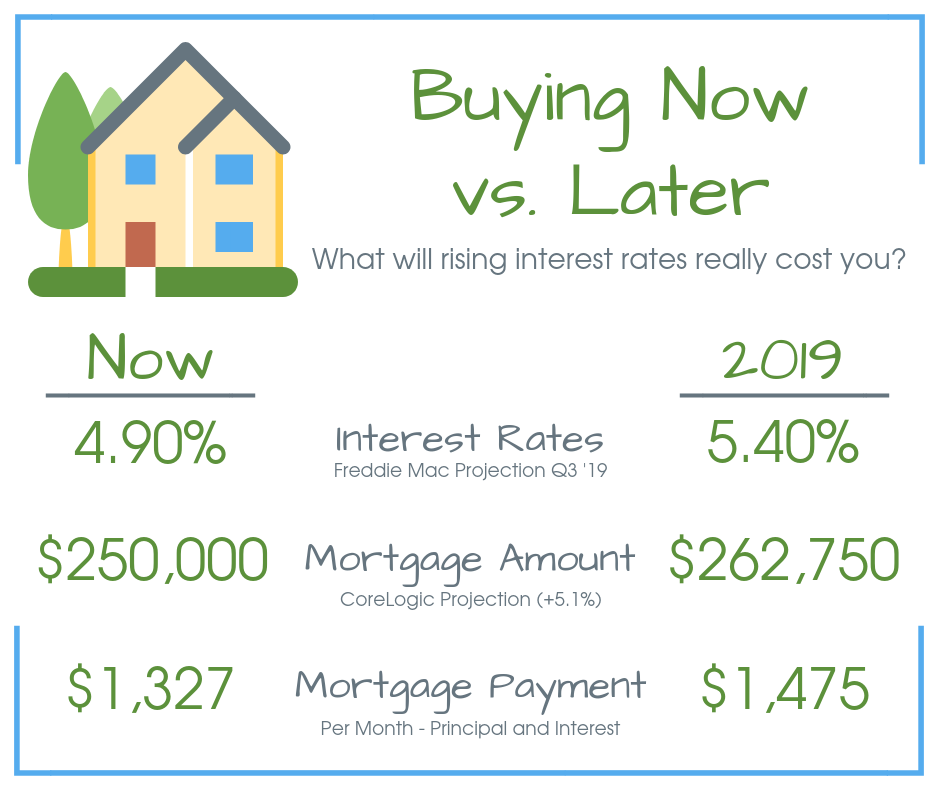
- Mortgages: Higher mortgage rates mean larger monthly payments for homebuyers, reducing affordability and potentially cooling the housing market. For existing homeowners, rising rates can make refinancing less attractive. Conversely, lower rates open doors to homeownership and provide opportunities to reduce monthly payments through refinancing.
- Credit Cards: Since most credit cards have variable interest rates tied to the Prime Rate, a rise in the Fed Funds Rate directly translates to higher interest charges on outstanding balances. This can make it more challenging to pay down debt, especially for those carrying large balances.
- Auto & Personal Loans: While often fixed for the loan’s duration, the initial rate offered is heavily influenced by the prevailing market rates. Higher rates mean a more expensive car or personal loan, impacting overall affordability.
- Business Loans: For businesses, interest rates are a critical component of their cost of capital. Higher rates make it more expensive to borrow for expansion, inventory, or operations, potentially slowing growth and reducing profitability. Lower rates can stimulate investment and job creation.
For Savers and Investors: Opportunity and Risk
Interest rates aren’t just about debt; they significantly affect how our savings and investments grow.
- Savings Accounts & CDs: As discussed, higher rates generally mean better returns for simple deposit accounts, making saving more attractive.
- Bonds: Bond prices have an inverse relationship with interest rates. When interest rates rise, newly issued bonds offer higher yields, making existing lower-yield bonds less attractive, causing their market price to fall. Conversely, falling rates make existing bonds more valuable.
- Stocks: Interest rates impact the stock market in several ways. Higher rates increase borrowing costs for companies, potentially reducing their profits. They also make bonds more attractive relative to stocks, as a “risk-free” alternative. Furthermore, higher rates increase the discount rate used to value future corporate earnings, which can depress stock valuations.
- Real Estate: Beyond mortgage affordability, interest rates influence rental yields and commercial property values. Higher rates can increase cap rates (the rate of return on a rental property), potentially depressing property values if rents don’t keep pace.
The Broader Economic Ripple Effect
Beyond individual finances, interest rates have a profound macroeconomic impact.
- Consumer Spending and Investment: Lower rates encourage consumers to borrow and spend (e.g., on homes, cars, appliances) and businesses to invest in expansion, boosting aggregate demand. Higher rates do the opposite.
- Business Expansion and Hiring: As mentioned, the cost of capital directly affects business investment decisions. When borrowing is cheap, businesses are more likely to undertake new projects, which often leads to job creation.
- Currency Values and International Trade: Higher domestic interest rates can attract foreign capital, increasing demand for the local currency and causing it to appreciate. A stronger currency makes imports cheaper and exports more expensive, affecting the trade balance.
- Government Debt Servicing Costs: For governments with substantial national debt, rising interest rates mean higher costs to service that debt, potentially diverting funds from other public services.
Navigating the Current Rate Environment
Given the pervasive influence of interest rates, proactively understanding and responding to “today’s current interest rate” is crucial for sound financial health.
Staying Informed and Proactive
The first step is to stay informed. Reputable sources like the Federal Reserve’s website, major financial news outlets (e.g., Wall Street Journal, Bloomberg, Reuters), and reputable financial institutions regularly publish updates on interest rate trends and economic forecasts. Pay attention not just to the current rates but also to economic indicators like inflation reports, employment data, and central bank announcements, as these often signal future rate movements. Understanding the “why” behind rate changes allows for better prediction and planning.
Personal Financial Planning in a Dynamic Market
Integrating interest rate awareness into your personal financial planning is paramount.
- Budgeting and Debt Management: If rates are rising, prioritize paying down variable-rate debt (like credit cards and HELOCs) to minimize interest costs. Consider consolidating high-interest debt into a fixed-rate personal loan if available at a lower rate.
- Emergency Funds and Savings: In a rising rate environment, seek out high-yield savings accounts or short-term CDs to maximize returns on your cash reserves. Ensure your emergency fund is liquid and easily accessible.
- Investing Strategies: Review your investment portfolio. If you hold bonds, understand how rising rates might affect their value. For stocks, consider companies with strong balance sheets that are less reliant on debt, as they may be more resilient to higher borrowing costs. Diversification remains a key strategy to mitigate risk in any rate environment.
- Refinancing Opportunities: If rates are falling, evaluate whether refinancing your mortgage or other loans could significantly reduce your monthly payments or total interest paid over the life of the loan.
Consulting Financial Professionals
While self-education is powerful, the complexity of interest rates and their impact often warrants professional guidance. A certified financial planner, mortgage broker, or investment advisor can provide personalized advice tailored to your specific financial situation, goals, and risk tolerance. They can help you interpret market trends, optimize your debt strategy, and construct an investment portfolio that aligns with the prevailing rate environment.

Conclusion
“What is today’s current interest rate?” is a gateway question to understanding the intricate mechanisms that power our economy. It’s not a single number but a dynamic ecosystem of rates, each reflecting and influencing different aspects of our financial lives. From the Federal Funds Rate that sets the economic tone to the mortgage rate that defines home affordability, these figures are constantly shifting in response to inflation, economic growth, central bank policy, and global events.
For individuals and businesses alike, recognizing the profound impact of these rates is not just an advantage; it’s a necessity. It empowers us to make smarter choices about borrowing, saving, and investing, allowing us to navigate the economic landscape with greater confidence and foresight. By staying informed, being proactive in our financial planning, and seeking expert advice when needed, we can harness the power of interest rate understanding to secure our financial future in an ever-changing world.
aViewFromTheCave is a participant in the Amazon Services LLC Associates Program, an affiliate advertising program designed to provide a means for sites to earn advertising fees by advertising and linking to Amazon.com. Amazon, the Amazon logo, AmazonSupply, and the AmazonSupply logo are trademarks of Amazon.com, Inc. or its affiliates. As an Amazon Associate we earn affiliate commissions from qualifying purchases.