
The question “how much is the interest rate today?” is deceptively simple, yet it unpacks a complex web of financial indicators that influence virtually every aspect of our economic lives. There isn’t a single, universal “interest rate” but rather a myriad of rates, each reflecting different facets of the economy, varying risk profiles, and specific market conditions. From the cost of borrowing for a home or car to the returns on your savings and the financial decisions of major corporations, interest rates are the invisible hand shaping financial landscapes. Understanding the current interest rate environment requires looking at various benchmarks, their underlying drivers, and their profound implications for both personal and business finance.
Understanding the Central Role of the Federal Funds Rate
At the epicenter of the interest rate universe in the United States is the Federal Funds Rate. While not a rate that consumers directly pay or receive, its target range, set by the Federal Reserve, serves as the fundamental benchmark that influences almost all other interest rates in the economy.
What is the Federal Funds Rate?
The Federal Funds Rate is the target rate that commercial banks charge each other for overnight borrowing of excess reserves. Banks are required to hold a certain percentage of their deposits as reserves, and if a bank falls short, it can borrow from another bank that has excess reserves. The Federal Reserve’s Federal Open Market Committee (FOMC) sets a target range for this rate, which then acts as a crucial lever in monetary policy. By adjusting this target, the Fed can make it more or less expensive for banks to borrow from each other, which in turn impacts the interest rates banks offer to their customers.
How the Fed Influences the Rate
The Federal Reserve primarily influences the Federal Funds Rate through open market operations, buying or selling government securities in the open market. When the Fed buys securities, it injects money into the banking system, increasing reserves and putting downward pressure on the Federal Funds Rate. Conversely, when it sells securities, it withdraws money, decreasing reserves and pushing the rate up. The FOMC, which meets eight times a year (or more, if necessary), assesses economic conditions, including inflation, employment, and economic growth, to determine whether to raise, lower, or maintain the target range for the Federal Funds Rate. This is part of its dual mandate: to maximize employment and maintain stable prices.
Current Stance and Recent Trends
In recent times, the Federal Reserve has undertaken significant actions to manage inflation and stabilize the economy. Following a period of historically low rates designed to stimulate economic activity, the Fed embarked on a series of aggressive rate hikes to combat surging inflation, bringing the Federal Funds Rate to a multi-decade high. More recently, the focus has shifted to whether the current policy is sufficiently restrictive to bring inflation back to its 2% target without triggering an economic recession. While the exact target range for the Federal Funds Rate can be found through official Federal Reserve announcements, its trajectory signals the broader direction for borrowing costs and investment returns across the economy. Monitoring the Fed’s communiqués and the Summary of Economic Projections (SEP) provides invaluable insight into the likely future path of this pivotal rate.
Key Interest Rates Affecting Your Personal Finances
While the Federal Funds Rate sets the tone, individuals primarily interact with a range of other interest rates that directly impact their daily financial decisions, from purchasing a home to managing credit card debt.
Mortgage Rates: Buying a Home
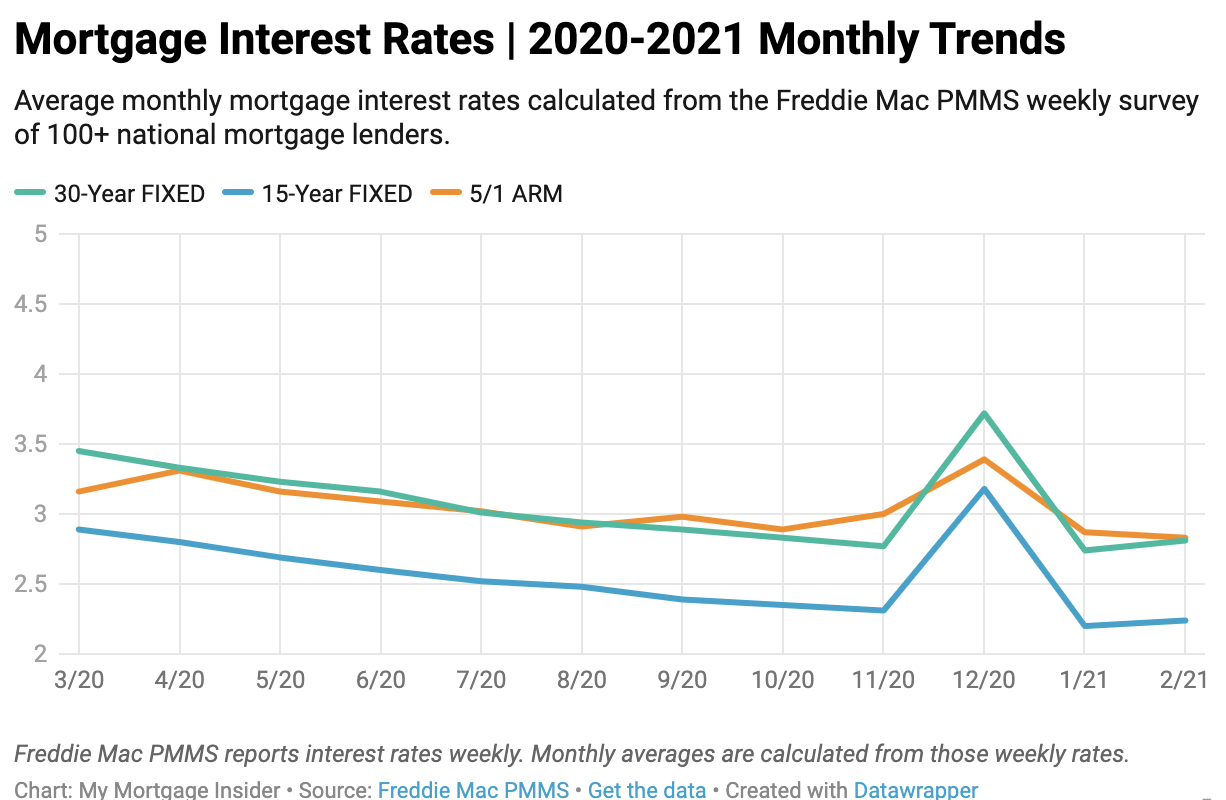
Mortgage rates are perhaps the most significant interest rate for many individuals, determining the affordability of homeownership. These rates are influenced by a complex interplay of the Federal Funds Rate, inflation expectations, the bond market (particularly the yield on the 10-year Treasury bond), and lender-specific factors. When the Fed raises rates, mortgage rates typically follow suit, though not always in lockstep. Borrowers usually encounter two main types: fixed-rate mortgages, where the interest rate remains constant for the life of the loan, offering predictability, and adjustable-rate mortgages (ARMs), where the rate can fluctuate after an initial fixed period, potentially offering lower initial payments but introducing future payment uncertainty. Your credit score, down payment, and loan-to-value (LTV) ratio also play crucial roles in determining the specific rate you qualify for.
Auto Loan Rates: Financing Your Ride
For many, an auto loan is the gateway to vehicle ownership. These rates are also tied to the broader economic environment and the Federal Funds Rate, but they are also heavily influenced by the borrower’s creditworthiness, the term of the loan (shorter terms often have lower rates), and whether the car is new or used. New car loans typically carry lower rates than used car loans due to lower perceived risk. In periods of rising rates, the cost of financing a vehicle increases, which can impact monthly payments and overall affordability. Shopping around and comparing offers from multiple lenders – including banks, credit unions, and dealership financing – is crucial for securing the most favorable terms.
Credit Card APRs: The Cost of Revolving Debt
Credit card Annual Percentage Rates (APRs) represent the cost of borrowing money on your credit card. Most credit cards have variable APRs, meaning they fluctuate based on a benchmark rate, most commonly the Prime Rate, which itself moves in lockstep with the Federal Funds Rate. When the Fed raises rates, the Prime Rate usually increases by the same amount, leading to higher credit card APRs. This directly translates to higher interest charges for balances carried month-to-month, making credit card debt particularly expensive in a high-rate environment. Understanding your card’s APR and minimizing revolving debt becomes even more critical when rates are elevated. Introductory 0% APR offers can provide temporary relief, but it’s essential to be aware of the rate that kicks in after the promotional period.
Savings Account & CD Rates: Earning on Your Deposits
On the flip side, interest rates also affect the returns on your savings. When the Federal Reserve raises rates, banks’ cost of funds increases, which typically translates to higher interest rates offered on savings accounts, money market accounts, and Certificates of Deposit (CDs). High-yield savings accounts, often offered by online banks, tend to be more responsive to these changes, offering significantly better returns than traditional brick-and-mortar banks. CDs, which require you to lock up your money for a specified term, typically offer even higher fixed rates, making them attractive for those looking to earn predictable returns without market risk. In an environment of rising rates, savers can benefit by shopping for the best yields and considering strategies like CD ladders to capitalize on potential future rate increases.
Business Finance and the Cost of Capital
Beyond personal finance, interest rates exert a profound influence on the world of business, shaping investment decisions, expansion plans, and overall economic activity. The cost of capital—the rate of return a company must earn on an investment project to justify its financing—is intrinsically linked to prevailing interest rates.

Small Business Loans and Lines of Credit
For small businesses, access to affordable capital is often the lifeblood of growth and survival. Interest rates directly impact the cost of small business loans, lines of credit, and other financing options. A rising rate environment means higher borrowing costs, which can deter expansion plans, make it more expensive to manage inventory, or increase the cost of working capital. This can put a strain on cash flow and profitability, especially for businesses with tight margins. Government-backed programs, such as those offered by the Small Business Administration (SBA), can sometimes offer more favorable terms, but even these are ultimately influenced by broader market rates. Understanding how current rates affect their borrowing capacity and repayment obligations is crucial for small business owners making strategic financial decisions.
Corporate Borrowing and Investment
Larger corporations, too, are highly sensitive to interest rate fluctuations. When rates are low, it’s cheaper for companies to borrow money by issuing bonds, which they can then use to fund major capital projects, research and development, acquisitions, or simply refinance existing debt at a lower cost. This encourages investment and can stimulate economic growth. Conversely, higher interest rates make corporate borrowing more expensive, potentially leading companies to scale back investment plans, postpone expansions, or choose not to undertake new projects that no longer meet their hurdle rate of return. This can slow down economic activity and reduce job creation. Furthermore, interest rates affect the valuation of companies, as future earnings are discounted at a higher rate when interest rates are up, making stocks potentially less attractive relative to fixed-income investments.
The Broader Economic Implications of Interest Rates
The decisions made by central banks regarding interest rates ripple through the entire economy, influencing everything from inflation to investment markets and even international trade.
Inflation Control and Economic Growth
One of the primary objectives of central bank monetary policy is to maintain price stability, which often means controlling inflation. Raising interest rates is a common tool to combat high inflation. By making borrowing more expensive and saving more attractive, higher rates tend to slow down demand in the economy. Consumers borrow less for big purchases, businesses invest less, and overall spending cools, which can help bring down prices. However, there’s a delicate balance; raising rates too aggressively risks stifling economic growth, potentially leading to a recession and increased unemployment. Conversely, lowering rates can stimulate a sluggish economy by encouraging borrowing and spending, but if done excessively, it can spark inflationary pressures.
Impact on Investments and Markets
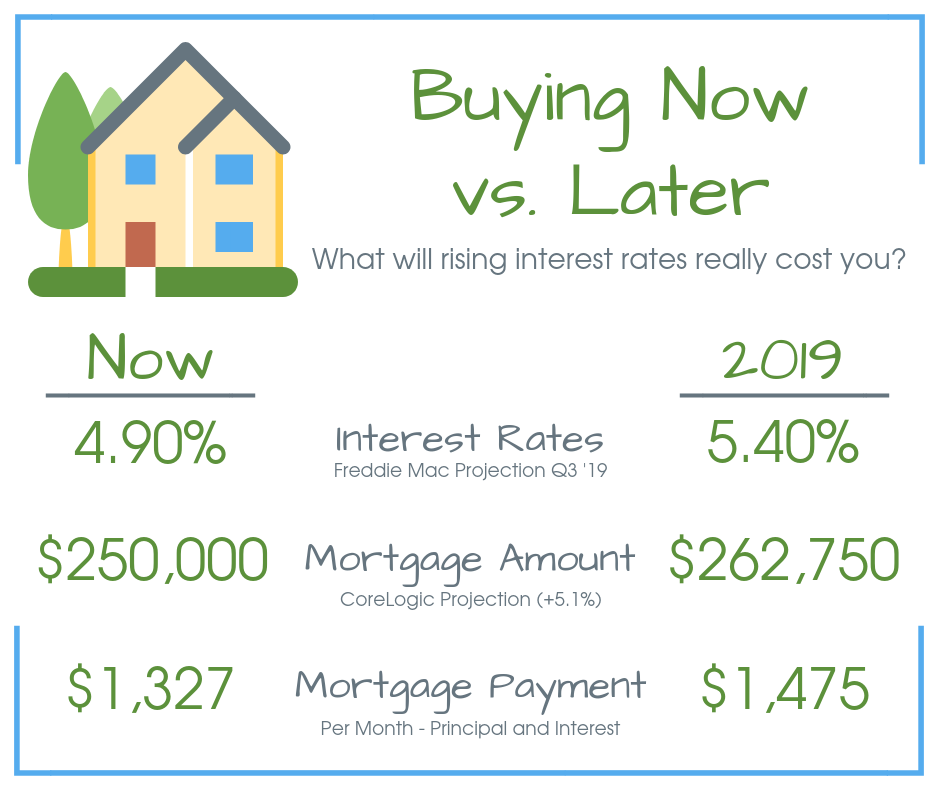
Interest rates have a profound impact on various investment classes. For bonds, there is an inverse relationship: when interest rates rise, the value of existing bonds with lower fixed rates typically falls, and vice versa. This is because new bonds are issued with higher yields, making older, lower-yielding bonds less attractive. For stocks, higher interest rates can make it more expensive for companies to borrow, impacting their profitability and growth prospects. Additionally, higher rates increase the “discount rate” used to value future corporate earnings, which can reduce stock valuations. Conversely, lower rates tend to be favorable for stocks. The real estate market is also highly sensitive, as higher mortgage rates reduce affordability and can cool demand, leading to slower price appreciation or even declines. Investors must constantly assess the interest rate environment to adjust their portfolios strategically.
Global Context and Currency Exchange Rates
Interest rate differentials between countries can significantly influence currency exchange rates. Higher interest rates in one country relative to another can attract foreign capital, as investors seek better returns on their fixed-income investments. This increased demand for a country’s currency can lead to its appreciation against other currencies. A stronger currency makes imports cheaper and exports more expensive, which can impact a country’s trade balance and economic competitiveness. Central banks globally often consider the monetary policies of their counterparts when setting their own rates to manage capital flows and currency stability.
Navigating Today’s Interest Rate Environment
Understanding the current interest rate landscape is not merely an academic exercise; it’s a critical component of prudent financial planning for individuals and strategic decision-making for businesses.
For Borrowers: Strategies in a Dynamic Market
In an environment where interest rates are elevated or rising, borrowers face higher costs. It becomes crucial to prioritize paying down high-interest debt, such as credit card balances, to minimize interest charges. For those with adjustable-rate mortgages or other variable-rate loans, evaluating the possibility of refinancing into a fixed-rate loan—if rates show signs of stabilizing or declining—can provide payment predictability and long-term savings. When taking out new loans, such as for a car or home, comparing offers from multiple lenders and negotiating terms aggressively is more important than ever. Locking in rates when favorable conditions present themselves can also be a wise strategy for significant purchases.
For Savers and Investors: Maximizing Returns
For savers, a higher interest rate environment can be advantageous. Seeking out high-yield savings accounts, money market accounts, and Certificates of Deposit (CDs) that offer competitive rates can significantly boost returns on cash reserves. For investors, it’s a time to re-evaluate portfolio allocations. While higher rates might initially challenge stock valuations, they can also present opportunities in fixed-income markets, particularly for newly issued bonds with attractive yields. Diversification across various asset classes remains paramount, and consulting with a qualified financial advisor can help tailor investment strategies to individual risk tolerance and financial goals in a dynamic rate environment.
Staying Informed: Key Sources and Data
Given the constant evolution of interest rates and their widespread impact, staying informed is paramount. Reliable sources include official publications from the Federal Reserve, such as FOMC statements and minutes, which provide direct insight into monetary policy decisions. Reputable financial news outlets offer analysis and commentary. For specific rates, such as mortgage rates or CD yields, online aggregators and direct bank websites provide up-to-date data. Regular monitoring of economic indicators like inflation reports, employment data, and GDP growth figures can also help anticipate future rate movements.
Conclusion
The question “how much is the interest rate today?” reveals a multifaceted and constantly shifting financial reality. It’s not a single number but a complex interplay of benchmarks, economic forces, and individual circumstances. The Federal Funds Rate stands as a cornerstone, influencing a broad spectrum of rates from mortgages and auto loans to credit card APRs and savings yields. Understanding these connections empowers individuals to make informed personal finance decisions, helps businesses strategically manage their capital, and provides insight into the broader health and direction of the economy. In today’s dynamic financial landscape, staying informed about interest rate trends and their implications is not just prudent—it’s essential for navigating the path to financial well-being and success.
aViewFromTheCave is a participant in the Amazon Services LLC Associates Program, an affiliate advertising program designed to provide a means for sites to earn advertising fees by advertising and linking to Amazon.com. Amazon, the Amazon logo, AmazonSupply, and the AmazonSupply logo are trademarks of Amazon.com, Inc. or its affiliates. As an Amazon Associate we earn affiliate commissions from qualifying purchases.