
The landscape of the American housing market has undergone a seismic shift over the last few years. For over a decade, homeowners and prospective buyers were accustomed to historically low borrowing costs, often seeing 30-year fixed rates hover between 3% and 4%. However, the economic shifts following the global pandemic have ushered in a new era of “higher for longer” interest rates. Understanding what mortgage rates are now—and more importantly, why they are at these levels—is essential for any consumer looking to make a sound financial decision in today’s economy.
Navigating this environment requires more than just checking a daily ticker. It demands an understanding of the relationship between inflation, central bank policy, and the secondary bond market. For the modern borrower, the question isn’t just “What is the rate?” but “How can I optimize my personal finances to secure the best possible terms in a volatile market?”
Understanding the Macroeconomic Drivers Behind Today’s Rates
Mortgage rates do not exist in a vacuum. They are the product of complex interactions between domestic policy and global economic health. While many people believe the Federal Reserve sets mortgage rates directly, the reality is more nuanced.
The Role of the Federal Reserve and Monetary Policy
The Federal Reserve influences mortgage rates primarily through the Federal Funds Rate—the interest rate at which commercial banks borrow and lend to each other overnight. When the Fed raises this rate to combat inflation, the cost of borrowing increases across the board. While this doesn’t move mortgage rates in a 1:1 ratio, it sets the floor for the cost of capital. When the “risk-free” rate of return increases, lenders must charge more for mortgages to maintain their profit margins and account for the risk of long-term lending.
Inflation and the 10-Year Treasury Yield Connection
Mortgage rates are most closely correlated with the yield on the 10-year Treasury note. Investors in the secondary mortgage market view Mortgage-Backed Securities (MBS) as competitors to Treasury bonds. When inflation is high, the purchasing power of the fixed interest payments from a bond or a mortgage decreases. To compensate for this risk, investors demand higher yields. As Treasury yields rise due to inflation concerns, mortgage rates typically follow suit, often maintaining a “spread” or gap of about 200 to 300 basis points above the 10-year yield.
Global Economic Indicators and Market Sentiment
Geopolitical stability and global demand for U.S. debt also play a role. In times of global uncertainty, investors often flock to U.S. Treasuries as a “safe haven,” which can drive yields down and provide temporary relief to mortgage rates. Conversely, a strong labor market and robust consumer spending—while good for the economy—can signal to the Fed that the economy is “too hot,” leading to sustained high rates to prevent an inflationary spiral.
Comparing Modern Mortgage Products: Which One Fits Your Budget?
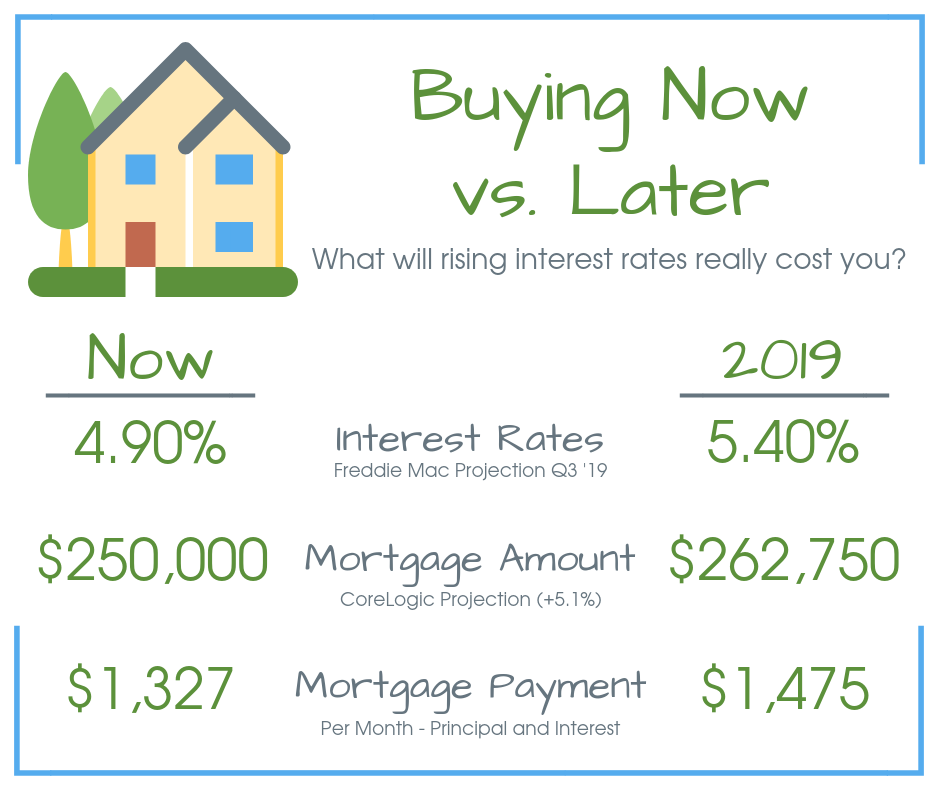
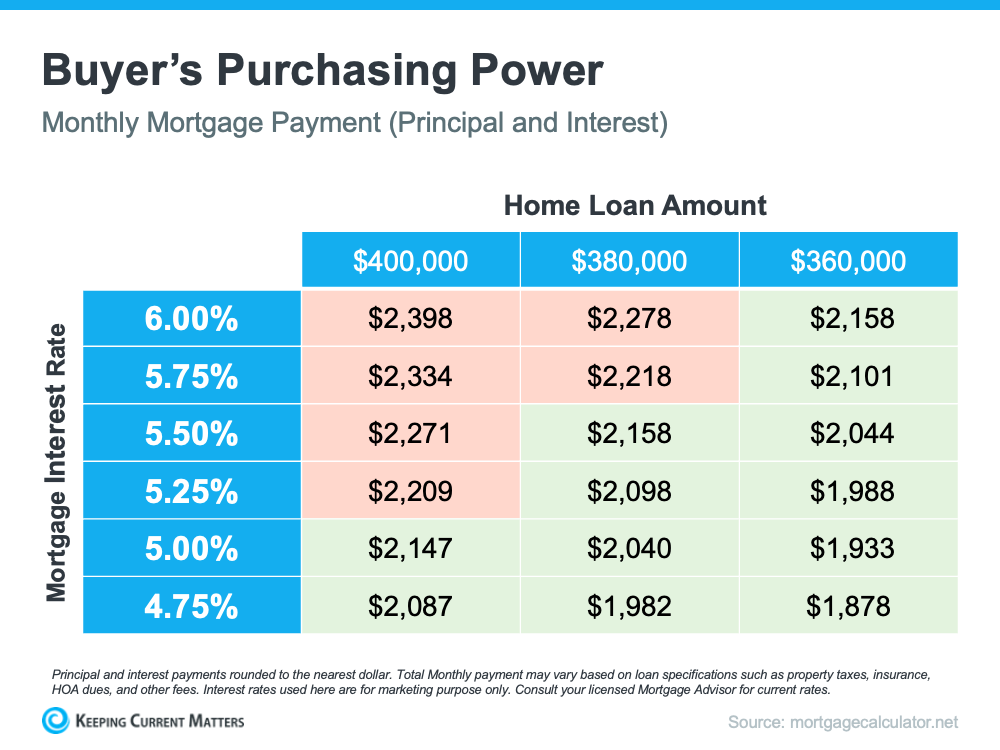
In a high-rate environment, the type of loan you choose can result in a difference of hundreds of dollars in your monthly payment and tens of thousands of dollars over the life of the loan.
The 30-Year Fixed-Rate Mortgage: The Gold Standard
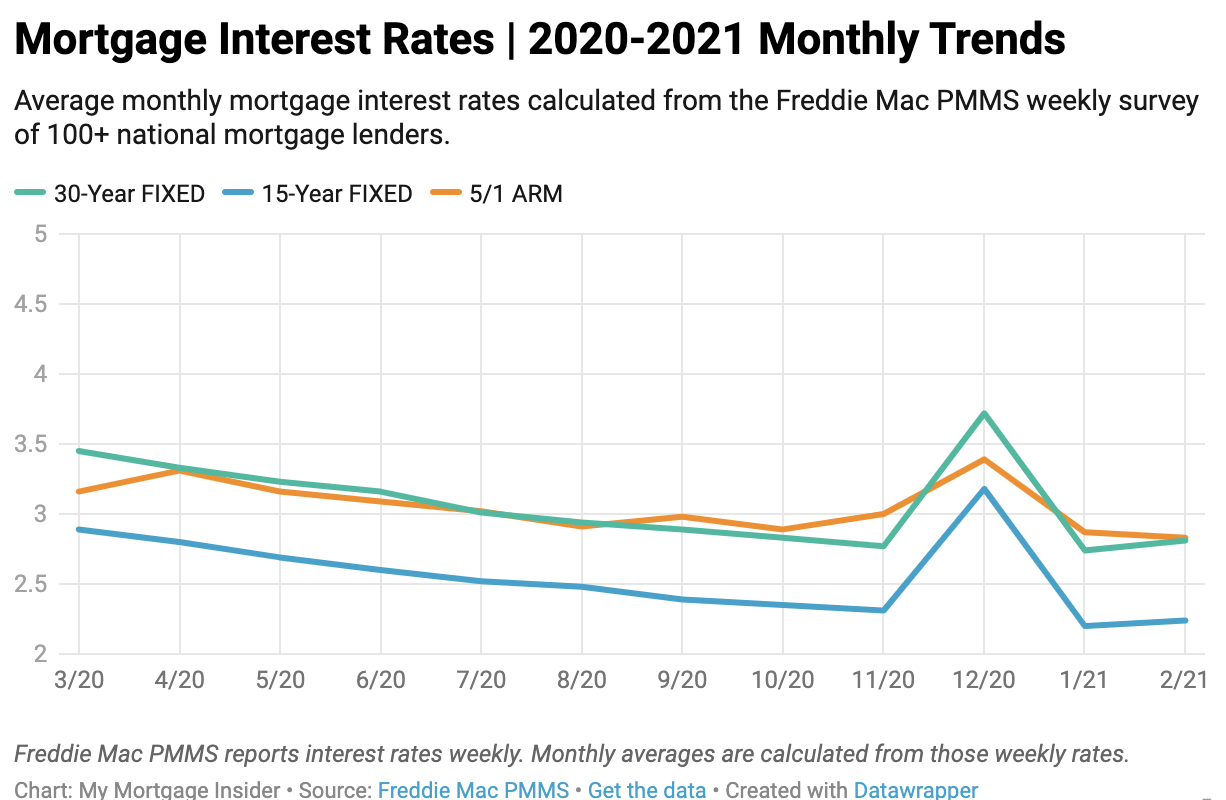
Despite higher rates, the 30-year fixed-rate mortgage remains the most popular choice for American Hombuyers. Its primary benefit is predictability; your principal and interest payment will never change. In today’s market, this product offers a hedge against future inflation. If rates continue to rise, you have locked in a lower cost. If rates fall significantly in the future, you retain the option to refinance. However, the trade-off is that you will pay significantly more in total interest over three decades compared to shorter-term loans.
The 15-Year Fixed-Rate Mortgage: Building Equity Faster
For those with a higher monthly cash flow, the 15-year fixed-rate mortgage is an excellent tool for wealth building. These loans typically carry interest rates that are 0.5% to 1% lower than their 30-year counterparts. Because the term is shorter and the rate is lower, the amount of interest paid over the life of the loan is drastically reduced—often by more than half. This is a favorite strategy for disciplined savers who want to own their home outright before retirement.
Adjustable-Rate Mortgages (ARMs): Short-Term Savings vs. Long-Term Risk
Adjustable-rate mortgages have seen a resurgence in popularity as fixed rates have climbed. An ARM typically offers a lower “teaser” rate for an initial period (such as 5, 7, or 10 years). After this period, the rate adjusts based on market indexes. In a market where buyers expect rates to drop in the next few years, a 5/1 or 7/1 ARM can be a strategic move to lower initial monthly payments, with the plan to refinance into a fixed-rate loan before the first adjustment period begins. However, this carries the inherent risk that rates could be even higher when the adjustment period arrives.
Strategic Financial Moves for Navigating High Mortgage Rates
When rates are high, the margin for error in your personal finances shrinks. Small improvements in your financial profile can lead to “tier-one” pricing, saving you a fortune.
Boosting Your Credit Score for Better Pricing
In the world of mortgage lending, your credit score is the primary determinant of the “adjustment” applied to your interest rate. Lenders use Loan-Level Price Adjustments (LLPAs). A borrower with a 780 credit score might receive a rate nearly a full percentage point lower than someone with a 640 score. Prioritizing debt reduction, ensuring on-time payments, and keeping credit card utilization below 30% in the months leading up to a mortgage application are high-ROI activities.
Evaluating the Math of Discount Points
A “point” is an upfront fee paid to the lender at closing in exchange for a lower interest rate (usually 1 point equals 1% of the loan amount and reduces the rate by about 0.25%). In a high-rate environment, you must calculate the “break-even point.” If paying $4,000 in points saves you $100 a month, it will take 40 months to break even. If you plan to stay in the home for ten years, points are a wise investment. If you plan to refinance or move in three years, paying for points is a loss of capital.
The Importance of Rate Shopping and Pre-Approval
Mortgage rates are not uniform across all lenders. Retail banks, credit unions, and non-bank mortgage lenders all have different “appetites” for risk and different overhead costs. Research shows that consumers who get at least three quotes can save an average of $1,500 to $3,000 over the life of the loan. Furthermore, obtaining a robust pre-approval—where an underwriter has already reviewed your tax returns and pay stubs—puts you in a stronger negotiating position with sellers, potentially allowing you to negotiate for “seller concessions” to buy down your interest rate.
The Broader Impact on Real Estate Investing and Personal Wealth
Current mortgage rates do more than just dictate monthly payments; they reshape the entire landscape of real estate as an investment asset class.
How High Rates Affect Rental Property Cash Flow
For real estate investors, the “math” of a rental property changes significantly when mortgage rates move from 4% to 7%. Higher debt service costs eat into monthly cash flow, often requiring larger down payments to make a deal “pencil out.” Investors are now forced to look for properties with higher cap rates or focus on value-add strategies where they can increase rents to offset the cost of borrowing. This shift has slowed the pace of institutional buying, providing a slight window of opportunity for individual investors who are well-capitalized.
Refinancing Cycles: When Does the Math Work?
The “refinance boom” of 2020-2021 is over, but refinancing remains a critical tool for personal finance. The general rule of thumb is that a refinance makes sense if you can lower your rate by at least 0.75% to 1%. However, one must also consider the “recapture period”—how long it takes for the monthly savings to cover the closing costs of the new loan. For those currently taking out “high” rates today, a future dip in rates presents a massive opportunity to “marry the house and date the rate,” eventually lowering their long-term cost of housing.
Housing Inventory and the “Lock-in” Effect
Perhaps the most significant impact of current mortgage rates is the “lock-in” effect. Millions of homeowners currently hold mortgages with rates below 4%. For these individuals, moving to a new home means trading a 3% rate for a 7% rate, which would drastically increase their cost of living for the same—or even a lesser—property. This has led to a stagnation in housing inventory. From a financial perspective, this keeps home prices artificially high despite high interest rates, creating a challenging environment for first-time buyers who face the “double whammy” of high prices and high borrowing costs.
In conclusion, while mortgage rates are significantly higher than the anomalies of the last decade, they are hovering near the long-term historical average. Navigating this “new normal” requires a disciplined approach to personal finance, a deep understanding of loan products, and a strategic view of real estate as a long-term component of wealth. By focusing on credit health, shopping for the best terms, and understanding the macroeconomic forces at play, borrowers can still find paths to homeownership and investment success in any rate environment.
aViewFromTheCave is a participant in the Amazon Services LLC Associates Program, an affiliate advertising program designed to provide a means for sites to earn advertising fees by advertising and linking to Amazon.com. Amazon, the Amazon logo, AmazonSupply, and the AmazonSupply logo are trademarks of Amazon.com, Inc. or its affiliates. As an Amazon Associate we earn affiliate commissions from qualifying purchases.