
For many prospective homeowners and current investors, the question of “what are home interest rates now” is more than just a casual inquiry; it is a critical calculation that determines the feasibility of the American Dream. After a decade of historically low borrowing costs, the financial landscape has shifted dramatically. Understanding the current state of mortgage rates requires a deep dive into macroeconomic policy, personal financial health, and the cyclical nature of the real estate market.
In the current economic climate, home interest rates have reached levels not seen in nearly two decades. This shift is a direct response to the Federal Reserve’s aggressive stance against inflation, which has fundamentally altered the “Money” niche by moving us from an era of “cheap debt” to an era of “capital preservation.” To navigate this environment, one must understand not just the “what,” but the “why” and the “how” of modern mortgage pricing.
The Macroeconomic Forces Driving Mortgage Rates
To understand why home interest rates are where they are today, we must look beyond the local bank and toward the broader financial ecosystem. Mortgage rates are not set in a vacuum; they are the result of complex interactions between government policy, investor sentiment, and global economic health.
The Role of the Federal Reserve and the Federal Funds Rate
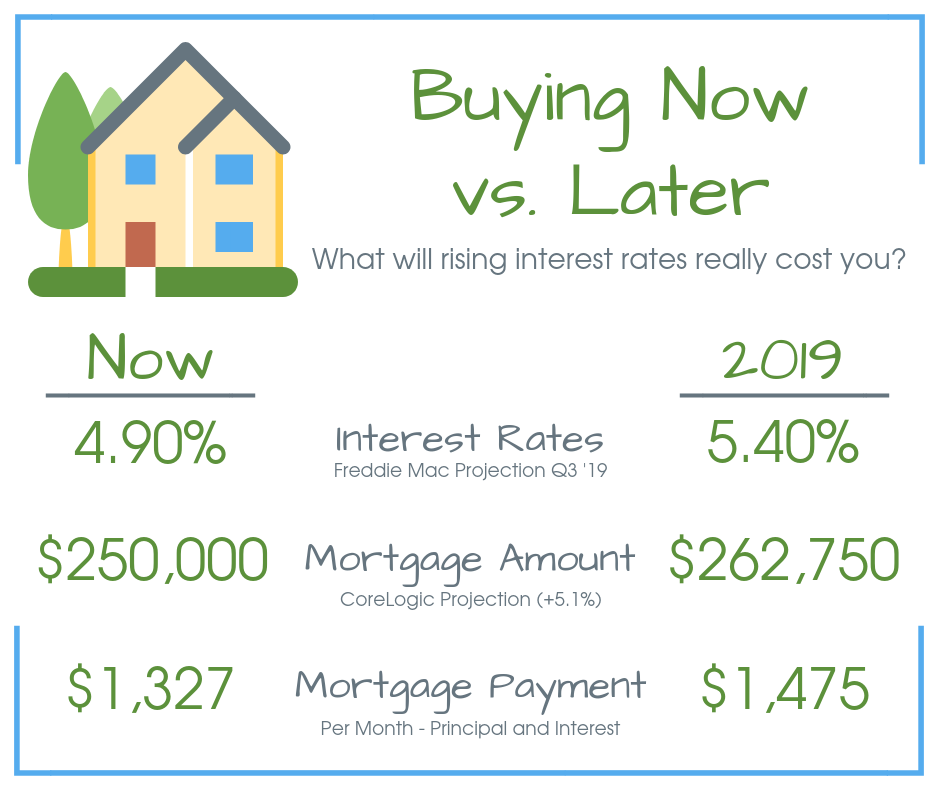
While the Federal Reserve does not directly set mortgage rates, its influence is paramount. When the Fed raises the federal funds rate—the rate at which banks lend to one another overnight—it increases the cost of doing business for financial institutions. To maintain profit margins, banks pass these costs on to consumers in the form of higher interest rates on credit cards, auto loans, and mortgages. In recent years, the Fed’s commitment to curbing inflation has led to a series of rate hikes that have pushed mortgage benchmarks from the 3% range to well above 6% or 7%.
Inflation and the 10-Year Treasury Yield
Inflation is the natural enemy of fixed-income investments like mortgages. If inflation is high, the purchasing power of the future interest payments a lender receives is diminished. Consequently, when inflation expectations rise, lenders demand higher interest rates to compensate for that loss of value. Investors often look to the 10-year Treasury yield as a primary bellwether for mortgage rates. Historically, there is a spread of about 1.5 to 3 percentage points between the 10-year Treasury yield and the 30-year fixed mortgage rate. When Treasury yields spike due to economic uncertainty or inflation data, mortgage rates almost always follow suit.
Secondary Market Dynamics and Mortgage-Backed Securities (MBS)
Most mortgages are not kept by the bank that originates them. Instead, they are packaged into Mortgage-Backed Securities (MBS) and sold to investors on the secondary market. The “price” of these securities moves inversely to interest rates. When there is high demand for MBS, rates tend to stay lower. However, when the Federal Reserve began its “quantitative tightening” program—reducing its own holdings of these securities—it removed a major buyer from the market, leading to increased volatility and higher rates for the end consumer.
Comparing Modern Mortgage Products in Today’s Economy
In a high-rate environment, the “one-size-fits-all” approach to financing no longer applies. Borrowers are increasingly looking at diverse financial tools to mitigate the impact of higher monthly payments.
The 30-Year Fixed-Rate Mortgage: Stability at a Cost
The 30-year fixed-rate mortgage remains the gold standard for American homeowners because it offers predictable payments for three decades. However, in today’s market, the “premium” for this stability is high. Borrowers are currently paying significantly more in interest over the life of the loan than those who bought just a few years ago. For many, the strategy has shifted toward viewing the 30-year fixed as a temporary bridge—a “buy now, refinance later” approach—provided that equity grows and rates eventually cool.
Adjustable-Rate Mortgages (ARMs): A Calculated Risk
As fixed rates have climbed, Adjustable-Rate Mortgages (ARMs) have seen a resurgence in popularity. An ARM typically offers a lower introductory “teaser” rate for a set period (usually 5, 7, or 10 years) before adjusting annually based on market indices. For a sophisticated investor or a homeowner who plans to sell the property within a few years, an ARM can provide significant monthly savings. However, the risk of a rate hike after the initial period makes this a high-stakes financial move in an unpredictable economy.
Government-Backed Loans: FHA, VA, and USDA
For those struggling with the affordability crisis, government-backed loans offer a vital lifeline. Federal Housing Administration (FHA) loans often provide slightly lower interest rates than conventional loans and allow for lower credit scores and down payments. Similarly, VA loans (for veterans) and USDA loans (for rural buyers) often feature zero down payment options and competitive rates. In a market where every basis point counts, these specialized financial products are essential for maintaining market liquidity and homeownership access.
Personal Financial Factors: How Your Profile Dictates the Quote
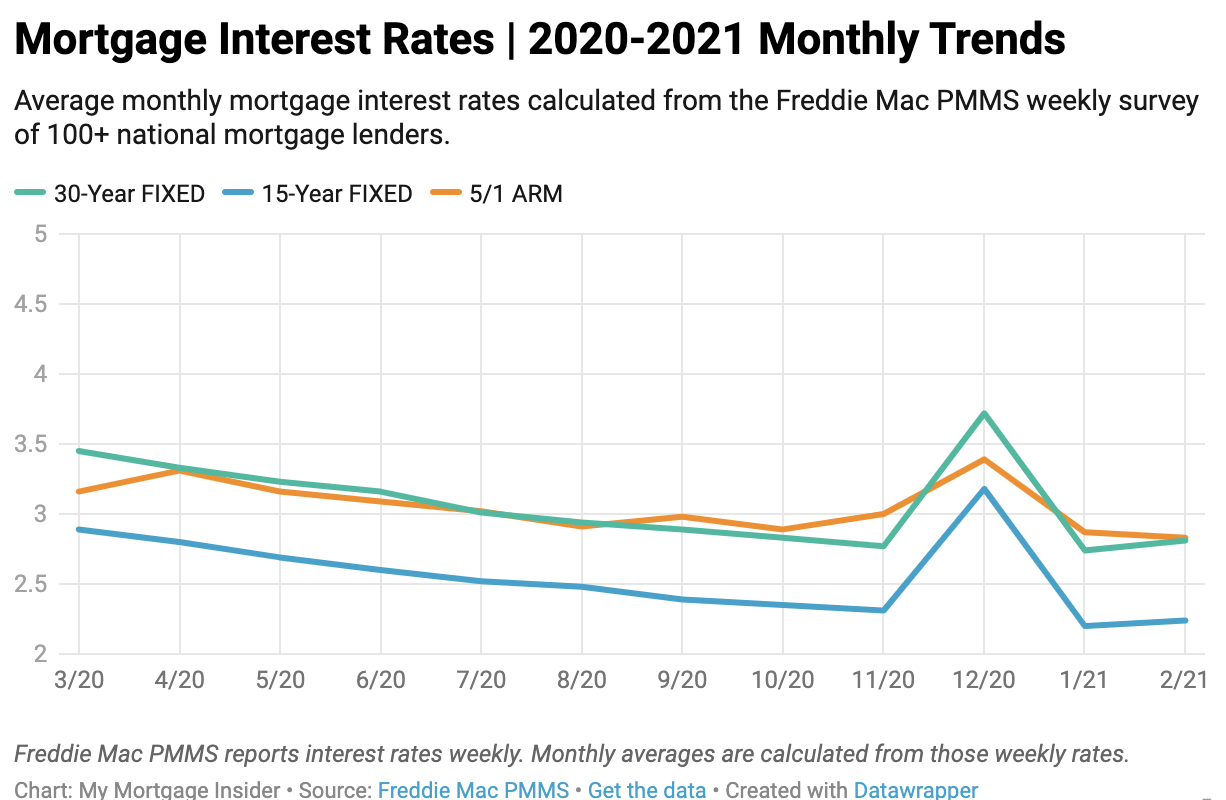
While the “national average” gives a general idea of where rates stand, the actual rate a borrower receives is highly individualized. In the world of personal finance, your “risk profile” is the most significant determinant of your borrowing cost.
The Critical Weight of Credit Scores
In the eyes of a lender, a credit score is a numerical representation of the likelihood that you will repay your debt. The difference between a 680 and a 780 credit score can result in an interest rate difference of 0.5% to 1.0%. Over the life of a $400,000 mortgage, that small percentage gap can translate to tens of thousands of dollars in interest. To secure the best “home interest rates now,” borrowers must focus on credit hygiene—paying down revolving debt, correcting errors on credit reports, and avoiding new credit inquiries before a mortgage application.
Debt-to-Income (DTI) Ratios and Loan-to-Value (LTV)
Lenders analyze your Debt-to-Income ratio to ensure you aren’t overleveraged. Generally, a DTI of 36% or lower is preferred, though some programs allow for higher. Similarly, the Loan-to-Value (LTV) ratio—the amount you are borrowing compared to the home’s appraised value—plays a role. A higher down payment reduces the LTV, lowering the lender’s risk and often resulting in a more favorable interest rate or the removal of Private Mortgage Insurance (PMI) requirements.
The Power of the Down Payment in a High-Rate Market
In a low-interest environment, many financial advisors suggested putting as little money down as possible to invest the surplus in the stock market. However, when mortgage rates are at 7%, a down payment acts as a guaranteed 7% return on your money by avoiding interest costs. Increasing a down payment from 3.5% to 20% not only lowers the monthly payment through a smaller loan balance but can also move the borrower into a different “pricing tier” with the lender, further reducing the offered interest rate.
Tactical Strategies to Secure a Lower Rate
Knowledge of the market is only half the battle; the other half is the tactical execution of the loan process. There are several financial maneuvers that savvy borrowers use to “beat” the market average.
Mortgage Points and Pre-Paid Interest
A “point” is equal to 1% of the loan amount, paid upfront at closing in exchange for a permanently lower interest rate. This is essentially “buying down” the rate. The decision to buy points is a classic break-even analysis: if the monthly savings from the lower rate take five years to recoup the upfront cost of the point, and you plan to stay in the house for ten years, it is a sound financial investment. In today’s high-rate market, many sellers are even offering “seller concessions” to pay for these points on behalf of the buyer to facilitate a sale.
The Importance of Shopping Multiple Lenders
Mortgage rates can vary significantly from one institution to another. A local credit union might have different liquidity needs than a national “big box” bank or an online-only lender. Financial experts recommend getting at least three different Loan Estimates. Even a 0.25% difference in interest rates can save thousands of dollars, making the “Money” spent on time researching lenders one of the highest-ROI activities a homebuyer can perform.
Rate Locks: Timing the Volatility
Because interest rates change daily (and sometimes hourly), a “rate lock” is a crucial tool. A rate lock guarantees the interest rate for a specific period, usually 30 to 60 days, while the loan is being processed. In a volatile market, failing to lock in a rate can result in a higher payment by the time the deal closes. Some lenders also offer “float down” options, which allow you to lock in a rate but take advantage of a lower rate if market conditions improve before closing.
Outlook: Will Home Interest Rates Drop Anytime Soon?
As we look toward the future of personal finance and real estate, the question of “when” rates will drop is the subject of much debate among economists.
Analyzing Market Forecasts
Most analysts agree that the era of 3% interest rates was a historical anomaly and is unlikely to return in the near future. However, as inflation continues to cool toward the Federal Reserve’s 2% target, many expect a gradual easing of rates. Forecasts for the next 12 to 24 months suggest a stabilization or a slight downward trend, though geopolitical events and domestic fiscal policy remain significant wildcards.

The “Marry the House, Date the Rate” Philosophy
A popular phrase in the current real estate market is “Marry the house, date the rate.” This investment philosophy suggests that if you find the right property at the right price, you should move forward despite high interest rates. The logic is that you can always refinance your mortgage when rates drop in the future, but you cannot “refinance” the purchase price of the home. As long as the monthly payment is affordable within your current budget, waiting for rates to drop can be a risky strategy, especially if a decrease in rates leads to a surge in buyer demand and pushes home prices even higher.
In conclusion, “what are home interest rates now” is a question that reflects the current complexity of our financial world. By understanding the macroeconomic drivers, choosing the right loan products, optimizing personal credit, and employing tactical borrowing strategies, consumers can navigate this high-rate environment with confidence. While the days of “easy money” may be behind us for now, disciplined financial planning remains the most effective tool for achieving long-term wealth through real estate.
aViewFromTheCave is a participant in the Amazon Services LLC Associates Program, an affiliate advertising program designed to provide a means for sites to earn advertising fees by advertising and linking to Amazon.com. Amazon, the Amazon logo, AmazonSupply, and the AmazonSupply logo are trademarks of Amazon.com, Inc. or its affiliates. As an Amazon Associate we earn affiliate commissions from qualifying purchases.