
Navigating the world of real estate and personal finance requires a deep understanding of mortgage interest rates. For most individuals, a home is the most significant investment they will ever make, and the interest rate attached to that purchase determines the ultimate cost of ownership. In recent years, the landscape of borrowing has shifted dramatically, moving from historic lows to levels that have forced many potential buyers to reassess their financial strategies. Understanding what current mortgage interest rates are, how they are determined, and how they affect your long-term wealth is essential for any savvy investor or homeowner.
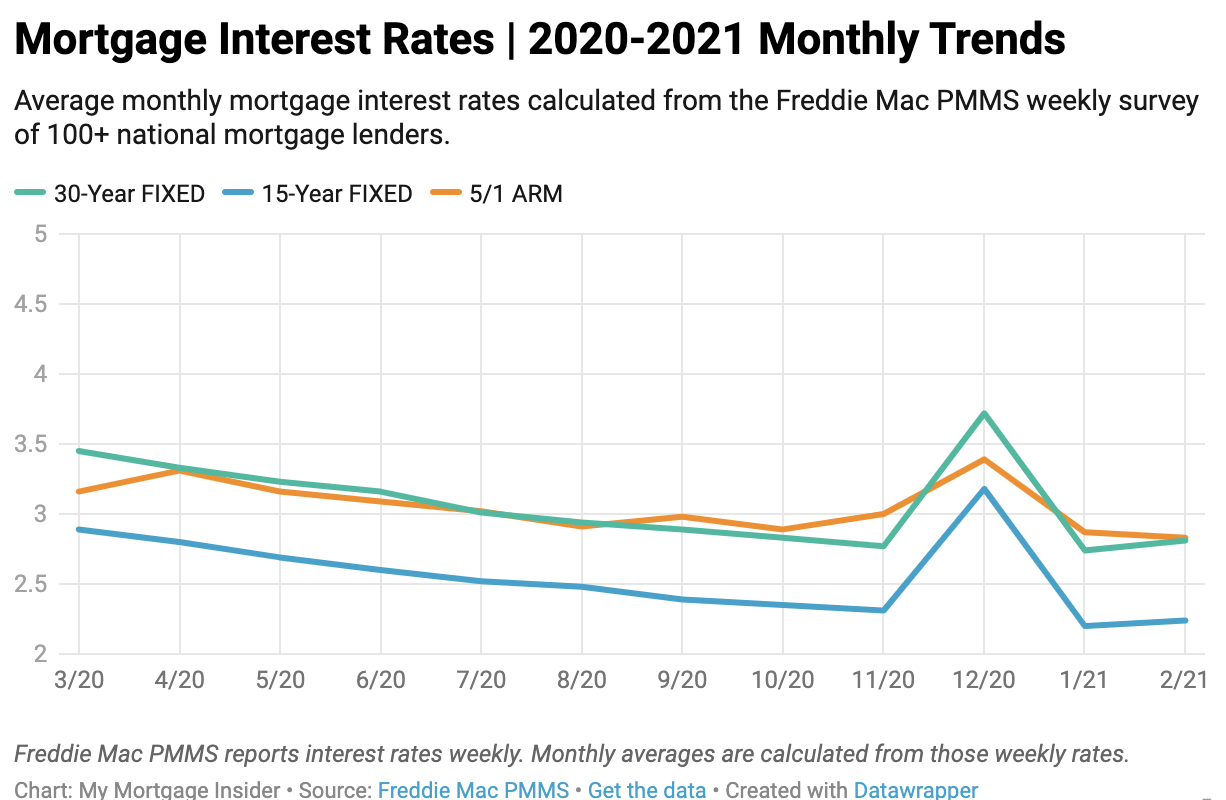
The Landscape of Mortgage Interest Rates in the Current Economy
To understand current mortgage rates, one must first look at the broader macroeconomic environment. Mortgage rates are not set in a vacuum; they are the result of complex interactions between government policy, investor sentiment, and global economic health. While the headlines often focus on a single percentage point, that number represents the culmination of several moving parts in the financial world.
The Role of the Federal Reserve and Monetary Policy
The Federal Reserve (the Fed) does not directly set mortgage interest rates. However, its influence is profound. Through the Federal Open Market Committee (FOMC), the Fed sets the federal funds rate—the interest rate at which banks lend to each other overnight. When the Fed raises rates to combat inflation, the cost of borrowing increases across the board. Mortgage lenders respond by raising their rates to maintain profit margins and account for the increased cost of capital. In the current cycle, the Fed’s commitment to bringing inflation down to its 2% target has been the primary driver behind the upward trajectory of mortgage costs.
Inflation and Its Direct Impact on Borrowing Costs
Inflation is the enemy of fixed-income investments like mortgages. When inflation is high, the purchasing power of the future dollars a lender receives from a borrower is diminished. To compensate for this loss of value, lenders demand higher interest rates. This is why mortgage rates often climb even before the Federal Reserve officially announces a rate hike; the market “prices in” expected inflation, leading to a proactive rise in the rates offered to consumers.
Bond Market Fluctuations and the 10-Year Treasury Yield
While the Fed sets the tone, the 30-year fixed-rate mortgage historically tracks the yield on the 10-year Treasury note very closely. Investors view both as relatively safe long-term investments. When investors are nervous about the economy, they flock to Treasuries, driving yields down (and mortgage rates with them). Conversely, in a strong or inflationary economy, yields rise, and mortgage rates typically follow suit. The spread—the difference between the 10-year Treasury yield and the mortgage rate—is currently wider than historical averages due to market volatility and decreased demand for mortgage-backed securities (MBS).
Decoding the Different Types of Mortgage Rates
Not all mortgage rates are created equal. When a borrower asks, “What is the current mortgage rate?” the answer depends heavily on the specific financial product being discussed. Choosing the right structure can mean the difference between financial stability and a future crisis.
Fixed-Rate Mortgages vs. Adjustable-Rate Mortgages (ARMs)
The 30-year fixed-rate mortgage remains the gold standard in the United States. It offers predictability, as the interest rate and the principal-and-interest payment remain constant for the life of the loan. However, in high-rate environments, many borrowers turn to Adjustable-Rate Mortgages (ARMs). An ARM typically offers a lower “teaser” rate for an initial period (such as 5, 7, or 10 years) before adjusting annually based on market indices. While ARMs can lower initial monthly payments, they carry the risk of significant increases in the future, making them a strategic choice only for those planning to sell or refinance before the adjustment period begins.
Government-Backed Loans: FHA, VA, and USDA Rates
For many first-time buyers or those with specific backgrounds, government-backed loans offer an alternative to conventional financing. Federal Housing Administration (FHA) loans often feature lower interest rates than conventional loans to help those with lower credit scores or smaller down payments. Similarly, VA loans (for veterans) and USDA loans (for rural properties) offer competitive rates and often require no down payment. It is important to note that while the interest rates may be lower, these loans often carry mandatory mortgage insurance premiums that increase the effective monthly cost.
Jumbo Loans: Why Luxury Real Estate Carries Different Risks
A “Jumbo” loan is a mortgage that exceeds the conforming loan limits set by the Federal Housing Finance Agency (FHFA). Because these loans cannot be purchased by Fannie Mae or Freddie Mac, they represent a higher risk to the lender. Interestingly, in some market cycles, Jumbo rates can actually be lower than conventional rates because they attract high-net-worth individuals whom banks are eager to secure as long-term clients. However, the qualification criteria for these rates are significantly more stringent, requiring high liquidity and impeccable credit.
Factors That Determine Your Personal Mortgage Rate

While the “national average” gives a general idea of the market, the rate you are actually quoted is highly personalized. Lenders use a process called risk-based pricing to determine how much of a liability you represent.
The Significance of Credit Scores in Rate Tiering
Your credit score is the single most influential factor under your control. Lenders categorize borrowers into tiers; a borrower with a score of 760 or higher will almost always receive the lowest possible rate. As scores drop into the 600s, the interest rate can climb by a full percentage point or more. Over a 30-year loan, even a 0.5% difference in the interest rate can result in tens of thousands of dollars in additional interest paid.
Debt-to-Income (DTI) Ratio and Loan-to-Value (LTV) Considerations
Lenders evaluate your “capacity” to pay by looking at your DTI—the percentage of your gross monthly income that goes toward debt payments. A lower DTI generally signals lower risk, potentially leading to better rate offers. Similarly, the LTV ratio (the size of the loan compared to the value of the home) plays a role. A borrower putting 20% down (80% LTV) is seen as more stable than one putting 3% down, as they have more “skin in the game.”
How Your Down Payment Influences Long-Term Costs
A larger down payment does more than just lower your monthly principal payment; it can also lower your interest rate. By reducing the lender’s exposure to loss, you become a more attractive candidate. Furthermore, reaching the 20% down payment threshold eliminates the need for Private Mortgage Insurance (PMI), which, while not technically part of the interest rate, significantly impacts the total “effective” rate you pay for the loan.
Strategies to Secure the Best Possible Rate Today
In a volatile market, being a passive observer can be costly. Active management of your mortgage application process can save substantial sums of money.
The Power of Rate Locking in a Volatile Market
Once you have found a home and a lender, the “rate lock” becomes your most valuable tool. Mortgage rates can fluctuate daily—and sometimes hourly. A rate lock guarantees that your quoted interest rate will remain the same for a specific period (usually 30 to 60 days) while your loan is processed. Some lenders even offer “float-down” provisions, which allow you to lock in a rate but still take advantage of a lower rate if the market drops before you close.
Buying Down the Rate: Understanding Discount Points
Borrowers have the option to “buy down” their interest rate by paying discount points at closing. One point typically costs 1% of the total loan amount and reduces the interest rate by approximately 0.25%. This is a math-heavy decision: you must calculate the “break-even point”—how many months of lower payments it will take to recoup the upfront cost of the points. If you plan to stay in the home for decades, buying points is often a wise financial move.
Shopping Around: Comparison Lending and Negotiation
Too many borrowers accept the first quote they receive from their primary bank. However, mortgage rates vary significantly between retail banks, credit unions, and online mortgage brokers. By obtaining at least three Loan Estimates, you gain leverage. You can often take a lower quote from one lender to another and ask them to match it, potentially saving yourself a quarter of a percent or getting certain closing fees waived.
Future Outlook: Predicting Where Rates Go from Here
The question of “what is the current mortgage rate” is always followed by “where are they going?” While no one has a crystal ball, economic indicators provide a roadmap for what to expect in the coming quarters.
Economic Indicators to Watch
Investors should keep a close eye on the Consumer Price Index (CPI) and the labor market reports. If inflation continues to cool and the labor market remains stable but not “overheated,” the Federal Reserve may begin to signal rate cuts. Conversely, if inflation proves “sticky” or the economy shows signs of a recession, we could see a period of stagnation where rates remain at their current levels to maintain economic balance.

Long-term Planning for Homebuyers and Refinancers
For those currently looking at high rates, the prevailing wisdom in the finance community is often: “Marry the house, date the rate.” This suggests that if you find the right property, you should purchase it now and plan to refinance later when rates eventually drop. While this strategy assumes that rates will drop and that your home value will hold or increase, it highlights the importance of flexibility. In the world of personal finance, the goal is not to time the market perfectly, but to ensure that your housing costs fit within a sustainable, long-term wealth-building strategy.
In conclusion, current mortgage interest rates are the result of a delicate dance between government policy and market forces. By understanding the mechanics of these rates—from the influence of the 10-year Treasury to the nuances of your own credit profile—you can make informed decisions that protect your financial future. Whether you are a first-time buyer or a seasoned real estate investor, staying educated is the best way to navigate the complexities of today’s borrowing environment.
aViewFromTheCave is a participant in the Amazon Services LLC Associates Program, an affiliate advertising program designed to provide a means for sites to earn advertising fees by advertising and linking to Amazon.com. Amazon, the Amazon logo, AmazonSupply, and the AmazonSupply logo are trademarks of Amazon.com, Inc. or its affiliates. As an Amazon Associate we earn affiliate commissions from qualifying purchases.