
In the evolving landscape of global finance, the term “crypto coin” has transitioned from a niche interest of technologists to a fundamental component of the modern investment portfolio. At its core, a crypto coin represents a digital-native asset that utilizes cryptographic principles to secure transactions and control the creation of additional units. However, from a financial perspective, it is much more than mere code. It represents a paradigm shift in how we define value, ownership, and the movement of capital in a borderless, digital economy.
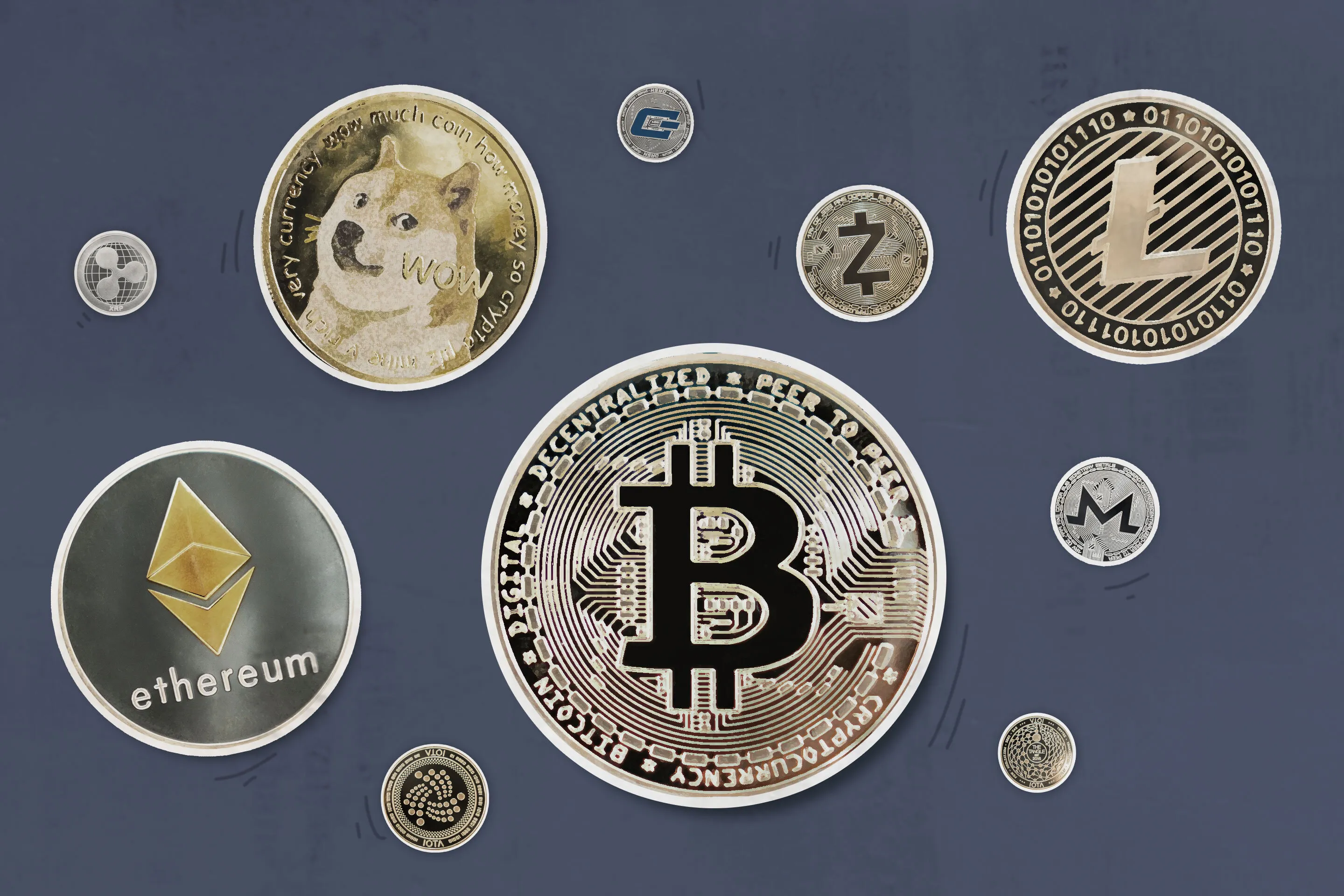
Understanding what a crypto coin is requires peeling back the layers of traditional finance to see how decentralized protocols are rewriting the rules of wealth management. For the modern investor, “crypto” is synonymous with an alternative asset class that offers unique opportunities for capital appreciation, portfolio diversification, and decentralized income generation.
1. The Financial Foundation of Digital Assets
To understand crypto coins within the niche of personal finance, one must first distinguish them from traditional fiat currencies. Unlike the Dollar or the Euro, which are managed by central banks, crypto coins operate on decentralized ledgers known as blockchains.
Defining Value in a Decentralized Ecosystem
The value of a crypto coin is not derived from government decree but from market supply, demand, and the underlying utility of its network. For instance, Bitcoin, the first and most prominent crypto coin, is often referred to as “digital gold.” This comparison stems from its programmed scarcity; there will only ever be 21 million coins. In an era of high inflation and expanding central bank balance sheets, this scarcity makes crypto coins an attractive “store of value” for many investors.
Coins vs. Tokens: A Distinction for Investors
In the world of business finance, it is crucial to distinguish between a “coin” and a “token.” A crypto coin (like Bitcoin or Ether) operates on its own independent blockchain. It serves as the native currency of that network, used to pay for transaction fees and secure the system. A token, conversely, is built on top of an existing blockchain (like an ERC-20 token on Ethereum). For an investor, coins often represent the “infrastructure” of the crypto economy, while tokens represent specific “applications” or “services.”
The Role of Transparency and Liquidity
One of the greatest financial advantages of crypto coins is the transparency of the blockchain. Every transaction is recorded on a public ledger, allowing for real-time auditing of supply. Furthermore, the crypto market operates 24/7/365. This provides a level of liquidity that traditional stock markets, which close on weekends and holidays, cannot match.
2. Strategic Investing: Integrating Crypto into a Modern Portfolio
Investing in crypto coins is no longer seen as a gamble by many institutional players; rather, it is viewed as an “asymmetric risk-reward” opportunity. This means that while the risk of loss is present, the potential for significant gains outweighs the initial capital at risk when managed correctly.
Diversification and Correlation
Financial advisors often emphasize the importance of diversification—the practice of spreading investments across different asset classes to reduce risk. Historically, crypto coins have shown a low correlation with traditional assets like bonds or real estate. By adding a small percentage of crypto to a portfolio, an investor can potentially increase their overall returns without exponentially increasing their risk profile.
Navigating Volatility and Market Cycles
The crypto market is notoriously volatile. Prices can swing by double-digit percentages within hours. To be a successful crypto investor, one must understand market cycles. These cycles are often driven by “halving” events (which reduce the supply of new coins) and broader macroeconomic trends. Professional investors use strategies like Dollar Cost Averaging (DCA)—investing a fixed amount of money at regular intervals—to mitigate the impact of short-term price fluctuations.
Assessing Fundamental Value
Just as a stock investor looks at Price-to-Earnings (P/E) ratios, a crypto investor looks at “On-Chain Metrics.” These include the number of active wallet addresses, transaction volume, and the “Total Value Locked” (TVL) within a coin’s ecosystem. These metrics provide a window into the actual adoption and utility of a coin, helping investors distinguish between speculative hype and sustainable financial growth.
3. The Mechanics of Wealth: Generating Income with Crypto
Beyond simple capital appreciation (buying low and selling high), the crypto ecosystem has introduced innovative ways to generate “passive income.” This has opened new doors for side hustles and digital wealth creation that were previously inaccessible to the average person.

Staking as a Digital Savings Account
Many modern crypto coins use a “Proof of Stake” (PoS) consensus mechanism. In this model, holders of the coin can “stake” or lock up their assets to help secure the network. In exchange for this service, they receive rewards in the form of additional coins. This is functionally similar to earning interest in a high-yield savings account or receiving dividends from a stock, often with significantly higher annual percentage yields (APY).
Decentralized Lending and Borrowing
The rise of Decentralized Finance (DeFi) allows investors to act as their own bank. Through various financial tools, you can lend your crypto coins to others via smart contracts. You earn interest on the assets you lend, and the entire process is collateralized, meaning the risk of default is managed by the protocol’s code rather than a credit score.
Yield Farming and Liquidity Provisioning
For those looking for more advanced online income strategies, yield farming involves moving crypto assets across different platforms to find the highest possible returns. Additionally, investors can provide liquidity to decentralized exchanges (DEXs). By putting their coins into a “liquidity pool” to facilitate trades for others, they earn a portion of the transaction fees generated by the platform.
4. Financial Tools and Security for the Savvy Investor
In the world of personal finance, your assets are only as good as the security protecting them. Because crypto coins eliminate the middleman (the bank), the responsibility of safeguarding wealth falls entirely on the individual.
Choosing the Right Exchange and Wallet
To enter the market, most investors use a centralized exchange (CEX) like Coinbase or Binance. These platforms act as the bridge between fiat money and crypto. However, for long-term storage, many investors prefer “Cold Storage” or hardware wallets. These are physical devices that keep your private keys offline, protecting your digital assets from online hacks and cyber-attacks.
Tax Implications and Compliance
As crypto coins become more mainstream, tax authorities around the world have established clear guidelines. In many jurisdictions, crypto is treated as property, meaning every time you sell or trade a coin, it triggers a capital gains tax event. Professional crypto investors use specialized financial software to track their trades and ensure they remain compliant with local tax laws, treating their crypto holdings with the same rigor as a corporate balance sheet.
Risk Management and Exit Strategies
A critical part of business finance is knowing when to take profits. The most successful investors do not hold their assets indefinitely; they set “take-profit” targets and “stop-loss” orders. By having a clear exit strategy, investors can protect their principal capital and ensure that their paper gains become realized wealth.
5. The Future of Money: Institutional Adoption and Global Trends
The final piece of the “what is crypto coin” puzzle is understanding where the industry is headed. We are currently witnessing the “institutionalization” of crypto, which has profound implications for its long-term value.
The Impact of Bitcoin and Ethereum ETFs
The approval of Spot Bitcoin and Ethereum Exchange-Traded Funds (ETFs) in major markets like the United States represents a watershed moment for finance. These tools allow traditional investors to gain exposure to crypto coins through their existing brokerage accounts without needing to manage digital wallets. This influx of institutional capital provides a level of stability and legitimacy to the market that was missing in its early years.
Crypto as a Corporate Treasury Asset
Forward-thinking companies are now adding crypto coins to their corporate balance sheets. Organizations like MicroStrategy and Tesla have paved the way, viewing Bitcoin as a superior reserve asset compared to cash. This trend suggests that in the future, understanding crypto will be a mandatory skill for corporate CFOs and financial planners.
Global Remittances and Financial Inclusion
On a global scale, crypto coins are solving real-world financial problems. In developing nations, crypto is used for remittances—sending money across borders faster and cheaper than traditional services like Western Union. For the billions of people who are “unbanked,” a crypto coin and a smartphone provide access to a global financial system, proving that the true value of these digital assets lies in their ability to democratize the world of money.
In conclusion, a crypto coin is far more than a technological curiosity. From the perspective of money and finance, it is a revolutionary asset class that offers a hedge against inflation, a tool for decentralized income, and a foundation for the future of global trade. Whether you are a retail investor looking for a side hustle or a professional managing a diversified portfolio, understanding the financial mechanics of crypto coins is essential for navigating the 21st-century economy.
aViewFromTheCave is a participant in the Amazon Services LLC Associates Program, an affiliate advertising program designed to provide a means for sites to earn advertising fees by advertising and linking to Amazon.com. Amazon, the Amazon logo, AmazonSupply, and the AmazonSupply logo are trademarks of Amazon.com, Inc. or its affiliates. As an Amazon Associate we earn affiliate commissions from qualifying purchases.