
In the current era of digital entertainment, the question of “what to watch” has evolved from a simple choice of narrative preference into a complex interaction with sophisticated software, high-bandwidth infrastructure, and cutting-edge audiovisual engineering. Amazon Prime Video is no longer merely a repository for licensed films and original series; it has become a flagship demonstration of how Amazon Web Services (AWS) and proprietary software stacks can redefine the domestic cinematic experience. When we look at the platform’s current catalog, we are witnessing the pinnacle of streaming technology, from high-dynamic-range (HDR) mastering to AI-driven metadata integration.
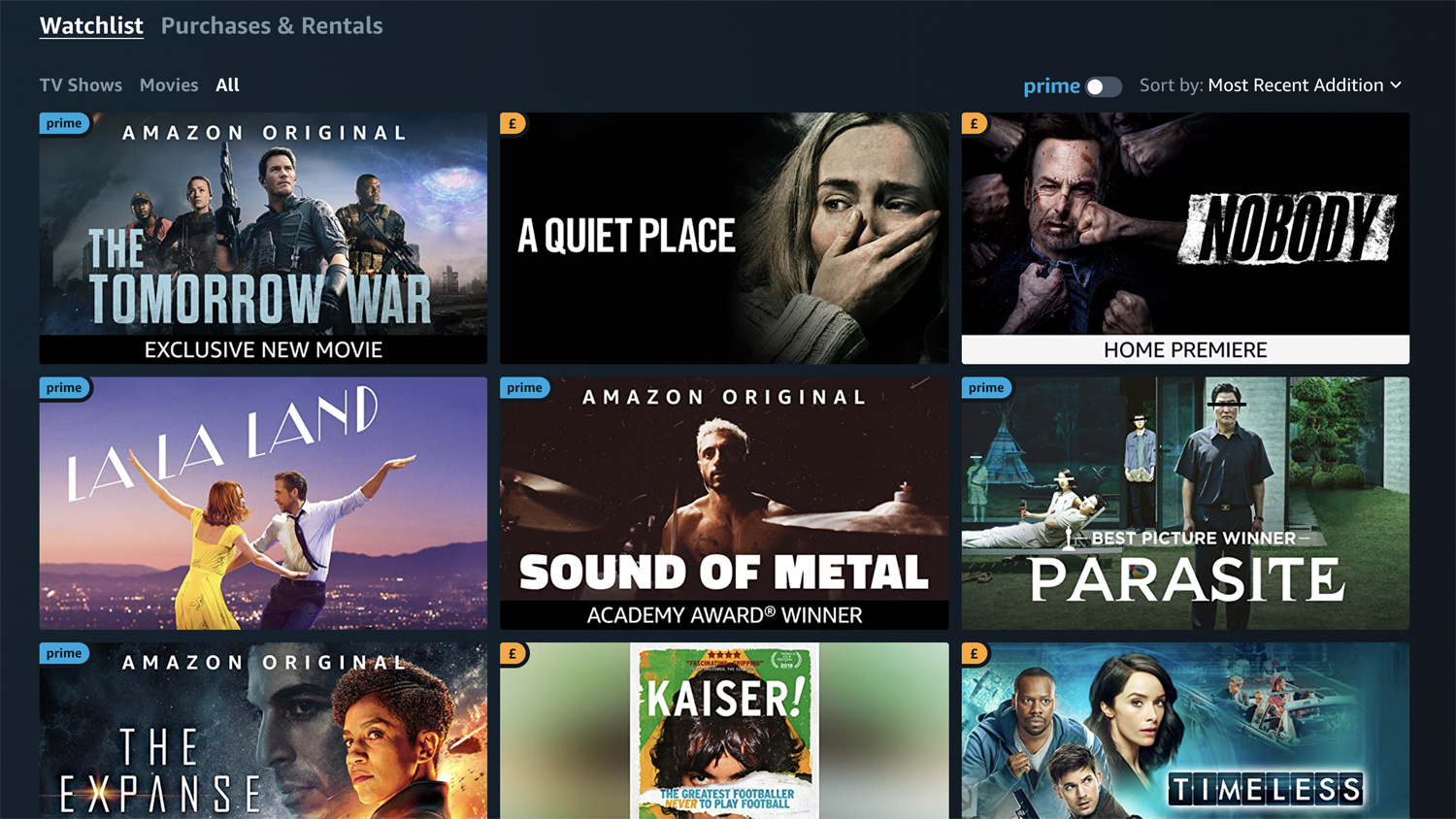
To understand what to watch on Prime right now is to understand the technological ecosystem that delivers it. This exploration moves beyond plot summaries to analyze the technical innovations that make Prime Video a leader in the digital landscape.
1. The Engineering of Immersion: Visual Fidelity and Audio Standards
When selecting content on Prime Video today, the technical specifications—4K Ultra HD, HDR10+, and Dolby Atmos—are as critical as the cast list. Amazon has been a primary driver in the adoption of HDR10+, an open-standard dynamic metadata technology that competes directly with Dolby Vision. This technology allows for frame-by-frame optimization of brightness and contrast, ensuring that the visual intent of the cinematographer is preserved regardless of the viewer’s hardware limitations.
The Evolution of HDR10+ and Visual Bitrates
The “what to watch” list is increasingly dominated by titles like The Lord of the Rings: The Rings of Power, which serves as a benchmark for high-bitrate streaming. Amazon’s technical team utilizes the HEVC (High-Efficiency Video Coding) codec to deliver massive amounts of visual data while maintaining low latency. By implementing HDR10+, the platform ensures that highlights are brighter and shadows are deeper without losing detail, a feat that requires immense server-side processing power. This commitment to visual fidelity is not just an aesthetic choice; it is a technical strategy to minimize compression artifacts that often plague lower-tier streaming services.
Spatial Audio and Dolby Atmos Integration
Audio technology has seen a parallel surge in innovation. Prime Video’s current lineup leverages Dolby Atmos to create a three-dimensional soundscape. Unlike traditional surround sound, which is channel-based, Atmos is object-based. This means sound engineers can place “sound objects” in a 3D space, which the streaming software then renders in real-time based on the user’s speaker configuration. This level of technical complexity requires a seamless handshake between the Prime Video app, the operating system, and the hardware—whether it is a Fire TV Stick or a high-end AV receiver.
2. X-Ray Technology: The Integration of Real-Time Metadata
One of the most significant technological differentiators for Prime Video is its “X-Ray” feature. While other platforms offer basic pause-menu information, Amazon has integrated a sophisticated data-driven layer powered by IMDb (an Amazon subsidiary). This represents a masterclass in metadata synchronization and UI/UX design.
Real-Time Data Synchronization
X-Ray functions by mapping a comprehensive database of actors, music, and trivia to specific timestamps in the video file. This is not a static overlay; it is a dynamic interface that updates in real-time as the scene changes. From a software engineering perspective, this requires a highly efficient API that can pull relevant data points without interrupting the video buffer. When a viewer pauses a show to see who a specific actor is, the system is cross-referencing face-recognition metadata with the IMDb database instantaneously.
The Role of Facial Recognition and Scene Detection
Behind the scenes, Amazon utilizes machine learning models to perform automated scene detection and facial recognition during the post-production upload process. This technology identifies when a character enters or leaves a frame, allowing the X-Ray feature to be hyper-accurate. For the user, this transforms the “what to watch” experience into an educational one, where the technology provides deep-dive insights into production techniques, filming locations, and musical scores without the need for a second-screen device.

3. Algorithmic Discovery: How Machine Learning Curates Your Watchlist
The “what to watch” dilemma is often solved by Amazon’s sophisticated recommendation engine. This system is a prime example of big data and predictive analytics at scale. By analyzing billions of data points—including watch time, search history, and even the point at which a user stops watching a particular episode—Prime Video’s algorithm builds a digital persona to predict future preferences.
Collaborative Filtering and Neural Networks
Amazon employs a hybrid approach to recommendations. It uses collaborative filtering, which compares your viewing habits with millions of other users, and content-based filtering, which looks at the specific attributes of the shows you enjoy (e.g., genre, director, or pacing). More recently, the platform has integrated deep learning neural networks that can identify nuanced patterns in user behavior that traditional algorithms might miss. This technology reduces the “paradox of choice,” guiding users toward content that aligns with their historical data with increasing precision.
Solving the Cold Start Problem
One of the greatest challenges in streaming tech is the “cold start problem”—how to recommend a brand-new show that has no viewing history. Amazon solves this through sophisticated natural language processing (NLP) that analyzes the scripts and descriptions of new titles to find thematic links to established hits. This technical bridge ensures that “what to watch on Prime right now” includes both trending global hits and niche titles tailored to the individual’s unique technical profile.
4. The Backbone of the Stream: AWS and Edge Computing
The reliability of a stream is often taken for granted until it fails. Prime Video’s ability to deliver high-definition content to over 200 million subscribers simultaneously is a testament to the power of Amazon Web Services (AWS). The infrastructure supporting the “what to watch” experience is a marvel of edge computing and content delivery networks (CDNs).
Global Content Delivery and Latency Reduction
To prevent buffering, Prime Video utilizes a global network of “edge locations.” Instead of the video data traveling from a central server in Seattle to a user in London, the content is cached at a local edge server near the user. This reduces the physical distance the data must travel, significantly lowering latency. During high-traffic events, such as the streaming of Thursday Night Football, Amazon employs “Elastic Load Balancing” to distribute traffic across thousands of servers, ensuring the stream remains stable even at peak demand.
Adaptive Bitrate Streaming (ABS)
A crucial piece of tech in the Prime Video player is Adaptive Bitrate Streaming. The player constantly monitors the user’s internet speed and hardware performance. If the bandwidth drops, the software automatically switches to a lower-resolution stream in milliseconds, preventing the video from stopping entirely. This seamless transition is handled by the client-side player, which anticipates fluctuations and adjusts the data packets accordingly, providing a frictionless experience that is essential for modern high-quality viewing.
5. The Future of Interaction: Interactive Content and AI Dubbing
As we look at what is on Prime right now, we are also seeing the first steps toward a more interactive and automated future. Amazon is heavily investing in AI-driven features that will soon change how we perceive global content.
Generative AI and Automated Dialogue Replacement
Amazon recently introduced “Dialogue Boost,” an AI-powered feature that allows users to increase the volume of speech relative to background music and effects. This uses deep learning to isolate vocal frequencies, a task that was previously impossible once the audio was mixed and mastered. This technology is particularly beneficial for viewers with hearing impairments or those watching in noisy environments, representing a major leap in accessibility tech.
AI-Powered Localisation
The platform is also experimenting with AI-driven dubbing and translation. By using generative AI to match the tone and emotion of the original actor’s voice in different languages, Prime Video is breaking down the technical barriers to global content consumption. This means that “what to watch” is no longer limited by language; a high-budget thriller produced in South Korea can be experienced with the same emotional resonance in English or Spanish, powered by sophisticated voice-synthesis algorithms.
In conclusion, the decision of what to watch on Prime right now is supported by a monumental stack of technology. From the servers of AWS to the AI-enhanced audio on your soundbar, every frame of content is a product of intense technical innovation. As Prime Video continues to integrate more advanced AI and more robust infrastructure, the line between technology and entertainment will only continue to blur, making the streaming experience more immersive, personalized, and accessible than ever before.
aViewFromTheCave is a participant in the Amazon Services LLC Associates Program, an affiliate advertising program designed to provide a means for sites to earn advertising fees by advertising and linking to Amazon.com. Amazon, the Amazon logo, AmazonSupply, and the AmazonSupply logo are trademarks of Amazon.com, Inc. or its affiliates. As an Amazon Associate we earn affiliate commissions from qualifying purchases.