
In the modern era of the “subscription economy,” the average household is increasingly burdened by recurring monthly expenses. From streaming services to software-as-a-service (SaaS) platforms, the cumulative cost of digital convenience can often lead to “subscription fatigue.” However, when viewed through the lens of personal finance and strategic budgeting, Amazon Prime stands out not merely as a convenience but as a comprehensive financial tool.
With the annual membership fee sitting at a significant price point, savvy consumers must move beyond the surface-level allure of “fast shipping” to perform a rigorous cost-benefit analysis. Is Amazon Prime a luxury expense, or is it a strategic asset that can optimize your household’s cash flow? This article explores the financial architecture of Amazon Prime, detailing how to leverage its multifaceted benefits to achieve a positive return on investment (ROI).

The ROI of Logistics: Measuring Shipping Savings Against Membership Fees
At its core, the primary value proposition of Amazon Prime is the elimination of per-order shipping costs. For a personal finance enthusiast, the membership fee should be viewed as a “pre-payment” for logistics services. To determine the financial viability of the service, one must calculate the break-even point based on shipping frequency and the rising costs of “last-mile” delivery.
The Hedging Strategy Against Rising Shipping Costs
In an inflationary environment, logistics companies like UPS, FedEx, and the USPS frequently implement “General Rate Increases” (GRI). By paying a fixed annual fee for Prime, members are essentially hedging against these rising costs. If the average standard shipping cost for a non-Prime item is $5.99 to $9.99, a member who places only two orders per month has already recouped the annual cost of the membership through shipping savings alone. For high-frequency shoppers, the “cost per shipment” eventually drops to pennies, representing a significant consumer surplus that keeps liquid capital in the user’s savings account rather than in a carrier’s pocket.
Prime Day and Strategic Procurement
From a financial planning perspective, Amazon Prime offers access to exclusive “deal windows,” most notably Prime Day. While these events are often criticized as drivers of impulsive spending, a disciplined consumer can use them for strategic procurement. By tracking the price history of essential household goods, electronics, or business equipment, members can time their high-value purchases to coincide with these exclusive discounts. When combined with the lack of shipping fees, the net savings on a single large-ticket item—such as a laptop or a major appliance—can often cover the entire cost of the annual membership in one transaction.
Beyond the Box: Integrating Prime into a Personal Finance Strategy
Amazon has evolved far beyond a retail platform; it has become a financial ecosystem. To truly maximize the “Money” aspect of the membership, users must look toward the ancillary financial services integrated into the Prime experience, which offer direct cash-back and liquidity benefits.
The 5% Cashback Engine: The Amazon Prime Visa
One of the most potent financial tools available to Prime members is the Amazon Prime Visa card. In the world of personal finance and credit card churning, a consistent 5% cashback on a primary spending category is an elite-tier benefit. For a household that spends $5,000 annually on Amazon (including groceries via Whole Foods), the 5% cashback yields $250 in liquid rewards. This effectively pays for the membership and provides an additional $100+ in profit. When utilized for business expenses or home office supplies, this reward structure becomes a significant auxiliary income stream or a method to reduce overhead.
Grocery Arbitrage: Leveraging Whole Foods and Amazon Fresh
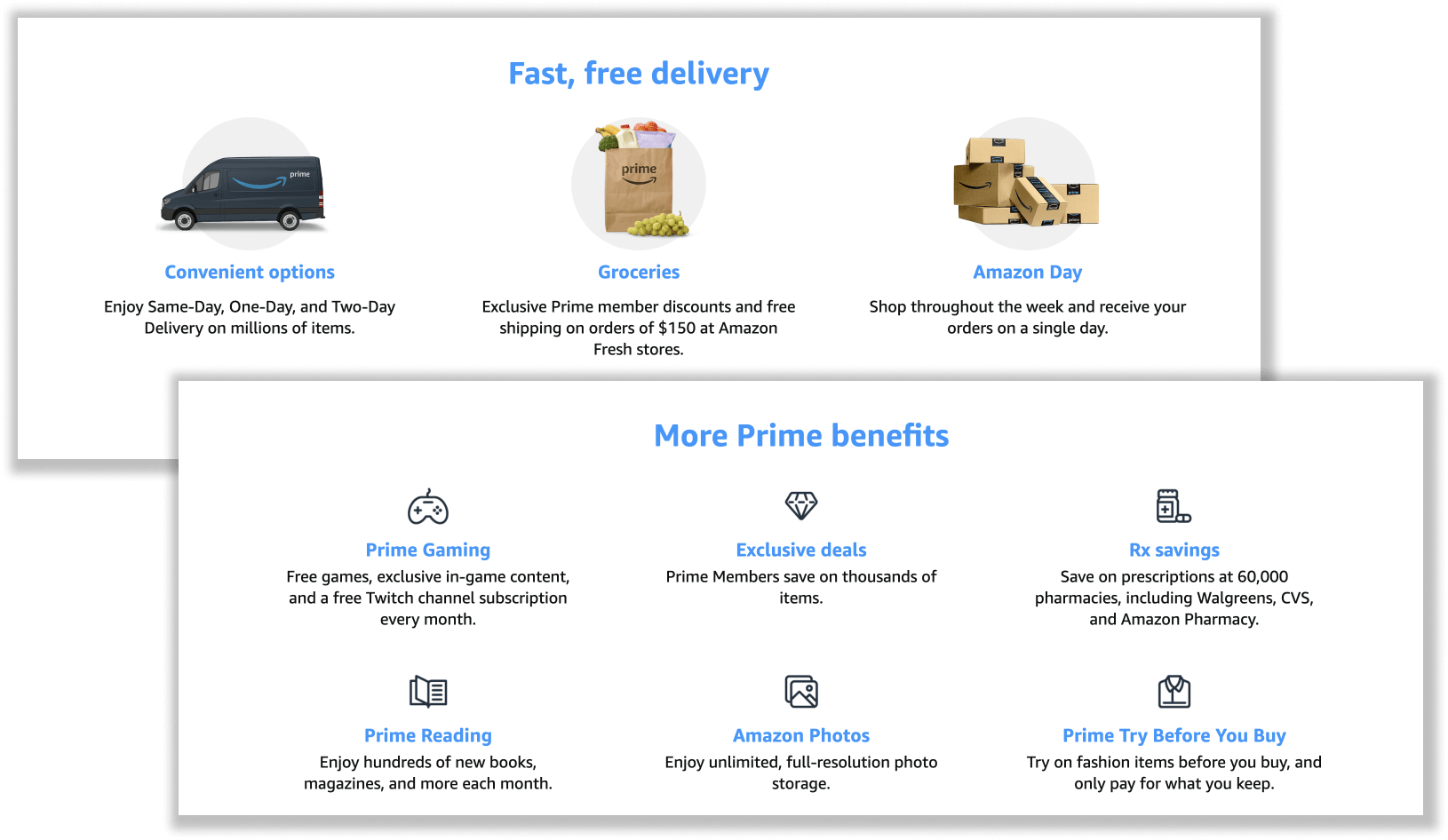
Groceries represent one of the largest variable expenses in a household budget. Amazon Prime members receive an additional 10% discount on sale items at Whole Foods Market, alongside exclusive “member-only” deals. By strategically shopping the circulars and utilizing Amazon Fresh for price-comparable staples, members can lower their “cost per meal.” Furthermore, the time saved by utilizing Prime’s grocery delivery services has a measurable economic value—often referred to as the “hourly rate” of the consumer. If delivery saves two hours of grocery shopping per week, the member is reclaiming roughly 100 hours per year, which can be redirected toward side hustles or professional development.
The Subscription Consolidation Strategy
A key tenet of wealth management is the reduction of redundant expenses. Amazon Prime’s greatest financial strength is its ability to act as a “bundle” that can replace several other standalone subscriptions, potentially saving a household hundreds of dollars per year in “hidden” digital costs.
Eliminating Redundant Digital Entertainment Costs
The average consumer pays for multiple streaming platforms, music services, and cloud storage providers. A standard Netflix subscription can cost upwards of $180 per year, while a premium Spotify or Apple Music account costs roughly $120 per year. Amazon Prime includes Prime Video and Amazon Music (Prime tier) at no additional cost. For a budget-conscious individual, pivoting to these “included” services allows for the cancellation of external subscriptions. This consolidation strategy can result in an immediate net positive cash flow, where the Prime membership isn’t just “paying for itself”—it is actively reducing the total monthly “burn rate” of the household.
The Financial Value of Amazon Photos and Storage
Digital asset management is an often-overlooked expense. Services like Google One or iCloud charge monthly fees for expanded storage once a user hits their free limit. Amazon Prime includes unlimited full-resolution photo storage and 5GB of video storage. For photographers, hobbyists, or families with large digital archives, this benefit eliminates the need for a $2.99 or $9.99 monthly storage subscription. Over a decade, the compounding savings of eliminating a $10/month storage fee, when invested in a low-cost index fund, can grow into a significant financial sum.
Prime for the Professional: Business Benefits and Tax Deductibility
While often viewed as a consumer product, Amazon Prime has significant implications for freelancers, small business owners, and those seeking to generate online income. Understanding the intersection of Prime and business finance can turn a personal convenience into a professional asset.
Leveraging Prime for Small Business Operations
For those running “side hustles” or e-commerce businesses from home, Prime is an essential tool for supply chain management. The “Buy with Prime” feature on third-party sites and the ability to receive office supplies within 24 hours minimizes the need for high inventory levels, thereby freeing up working capital. For those utilizing Fulfillment by Amazon (FBA) as an income stream, having a Prime account allows for “market research” and competitive analysis of the shipping speeds and packaging standards that successful sellers must meet. Furthermore, Business Prime (a separate tier, but often bridged from personal Prime) offers deep analytics into spending patterns, allowing for better tax documentation and expense tracking.
Assessing the Value of Time-Saving as an Economic Asset
In the field of economics, “Opportunity Cost” is a vital concept. Every hour spent driving to a retail store, searching for an item, and waiting in a checkout line is an hour not spent on income-generating activities. For a professional billed at $50 or $100 per hour, the time-saving nature of Prime’s “Buy Again” features and one-click ordering is a massive financial gain. If Prime saves a professional just five hours of “errand time” per month, the economic value generated is hundreds of dollars—far outweighing the annual cost of the subscription.
Conclusion: The Final Financial Verdict
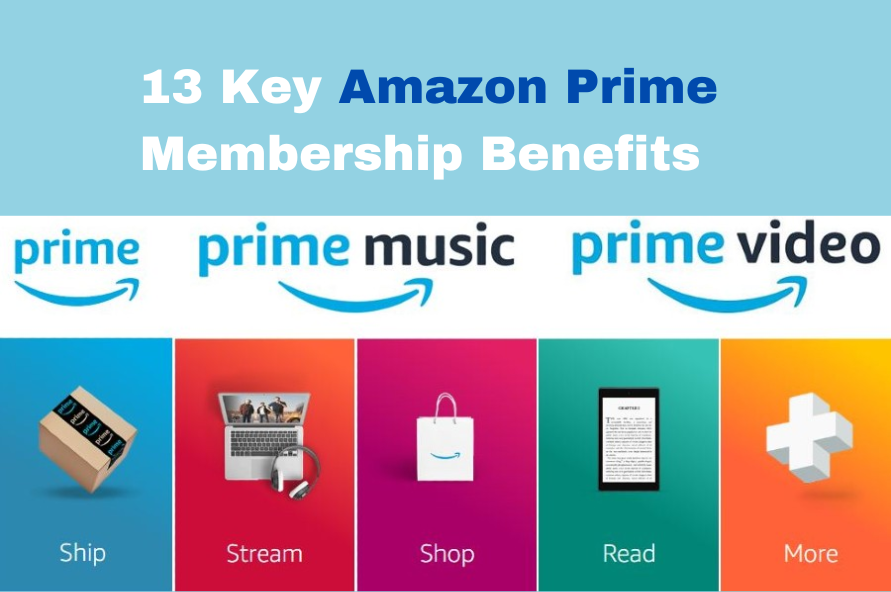
Amazon Prime is often marketed as a lifestyle luxury, but a deep dive into the numbers reveals it to be a sophisticated financial instrument. By consolidating entertainment subscriptions, maximizing the 5% cashback rewards, leveraging grocery discounts, and optimizing professional time, the membership transitions from an expense to an investment.
For the disciplined member who avoids the trap of “unnecessary consumption” triggered by fast shipping, Amazon Prime offers a clear path to increasing household net value. In the final analysis, the benefit of Amazon Prime is not just “getting things faster”—it is the strategic optimization of both time and capital in an increasingly complex economic landscape.
aViewFromTheCave is a participant in the Amazon Services LLC Associates Program, an affiliate advertising program designed to provide a means for sites to earn advertising fees by advertising and linking to Amazon.com. Amazon, the Amazon logo, AmazonSupply, and the AmazonSupply logo are trademarks of Amazon.com, Inc. or its affiliates. As an Amazon Associate we earn affiliate commissions from qualifying purchases.