
In an era defined by “subscription fatigue,” where the average household manages dozens of recurring monthly payments, Amazon Prime remains a cornerstone of the modern consumer’s budget. Since its inception in 2005, the service has evolved from a simple shipping perk into a comprehensive ecosystem of digital services and retail advantages. However, as the price has climbed over the years, the fundamental question for the personal finance-conscious individual has shifted. It is no longer just “how much is it?” but rather “how much value does it return on the investment?”
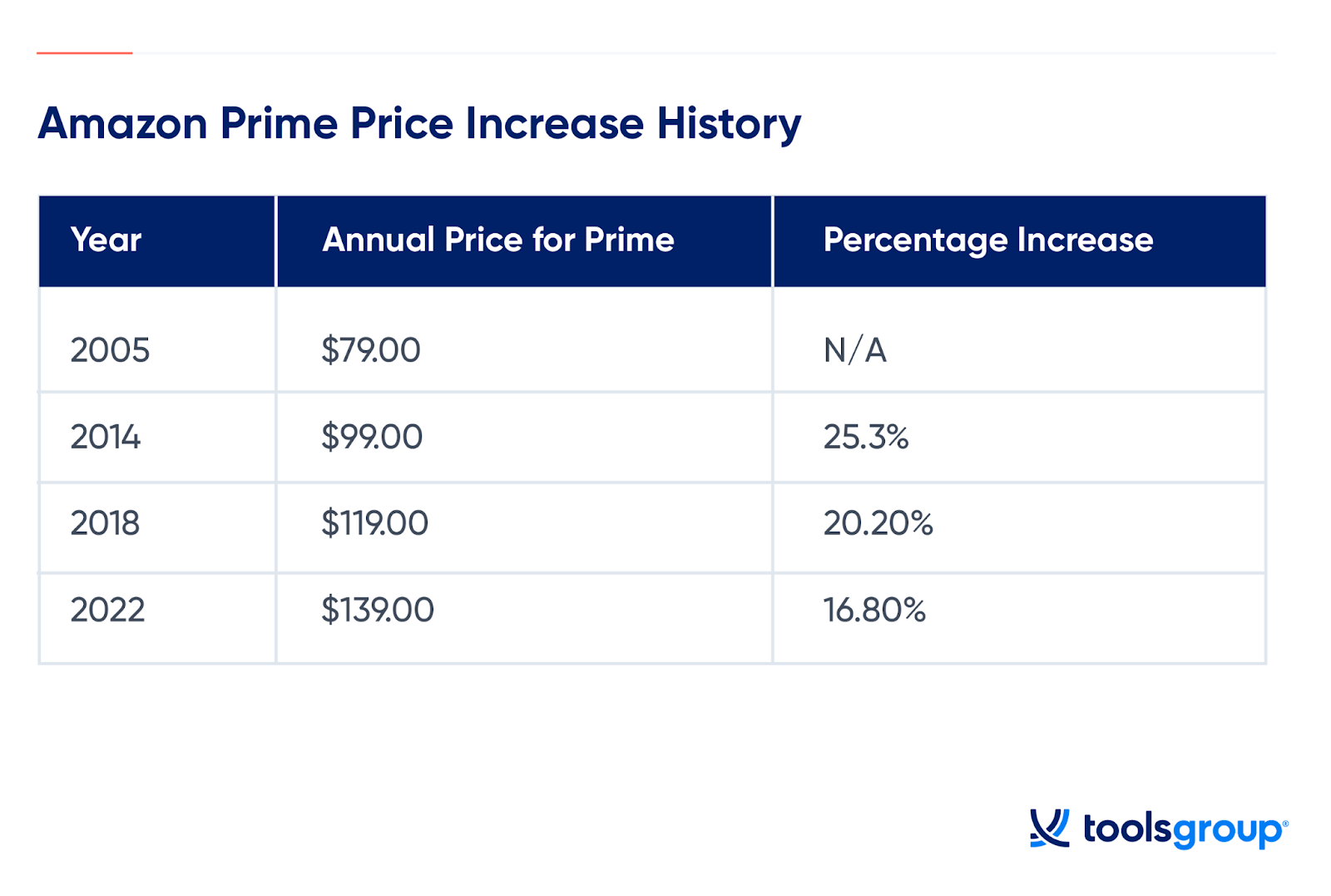
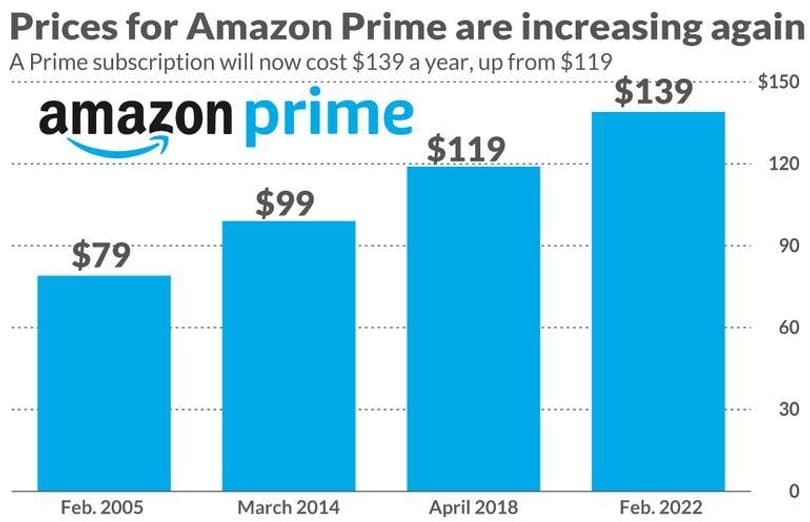
As of 2024, the standard annual membership for Amazon Prime in the United States stands at $139 per year. For those who prefer a monthly cadence, the cost is $14.99 per month. While these figures are straightforward, the financial implications of the membership require a deeper dive into budgeting, opportunity costs, and strategic spending.
Understanding the Amazon Prime Pricing Structure
To manage personal finances effectively, one must look at the various tiers Amazon offers to different demographic segments. The “one size fits all” approach does not apply here, and choosing the wrong tier can lead to unnecessary annual leakage in your budget.
The Annual vs. Monthly Breakdown
From a pure mathematical standpoint, the annual membership is the superior choice for long-term users. At $139 per year, the effective monthly cost is approximately $11.58. Comparing this to the $14.99 monthly rate, an annual subscriber saves $40.88 over the course of twelve months. For a budget-conscious consumer, this represents a nearly 23% discount simply for paying upfront.
However, the monthly option serves a specific financial purpose: flexibility. For those who only shop heavily during the holiday season or wish to binge-watch a specific series on Prime Video, paying $14.99 for two months ($29.98 total) is significantly more logical than committing to the $139 annual fee.
Student and Government Assistance Discounts
Amazon offers two significant “budget” tiers that are often underutilized. Prime Student is available for $69 per year (or $7.49 per month), offering a 50% discount to those enrolled in higher education. From a personal finance perspective, this is one of the highest-value subscriptions a student can maintain, especially when considering the inclusion of Prime Video and GrubHub+ perks.
Furthermore, the Prime Access program offers a discounted rate of $6.99 per month for recipients of qualifying government assistance, such as SNAP or EBT. For families operating on a tight margin, this reduction is a critical tool for accessing the lower prices of online retail without the traditional barrier of a high membership fee.
Quantifying the Value: Beyond Free Shipping
The primary driver for the $139 investment is usually “free shipping,” but to justify the cost from an accounting perspective, one must look at the auxiliary services that can replace other line items in a household budget.
Prime Video and Music: Offsetting Other Subscription Costs
The average American spends roughly $50–$60 per month on various streaming services. A Prime membership includes access to Prime Video and a tiered version of Amazon Music. If a consumer uses Prime Video as their primary entertainment source, they could theoretically cancel a $15.50/month Netflix subscription. Over a year, that is $186 in savings—more than the cost of the Prime membership itself.
Additionally, Amazon Photos provides unlimited full-resolution photo storage. For those paying $1.99 or $2.99 a month for extra Google One or iCloud storage, migrating those photos to the Prime ecosystem can save another $24–$36 annually. When viewed as a bundle of services rather than just a shipping perk, the “Money” logic of Prime becomes much more compelling.
Exclusive Financial Perks: Prime Day and Early Access
From a strategic shopping perspective, membership provides access to “Prime Day” and “Big Style Sale” events. While these events are designed to encourage spending, a disciplined shopper can use them to save significantly on “planned purchases.” If you intend to buy a $500 appliance and wait for a Prime-exclusive 20% discount, the $100 saved nearly pays for the membership in a single transaction. The key here is the distinction between impulse spending and strategic procurement.
Strategic Saving: How to Maximize Your Membership
Simply paying the $139 fee is the first step; the second is leveraging the financial tools Amazon provides to “earn back” that fee through rewards and shared costs.
The Amazon Prime Rewards Visa Card
For those with a strong credit profile, the Amazon Prime Rewards Visa Signature Card is a powerful financial tool. It offers 5% back on all Amazon and Whole Foods Market purchases for Prime members.
To see the “Money” impact, consider this: If a household spends $2,780 a year on Amazon (roughly $230 a month on groceries, household essentials, and gifts), the 5% cash back totals exactly $139. At this spending threshold, the membership becomes effectively free. For high-volume shoppers, the rewards can exceed the membership cost, turning the subscription into a net-positive revenue stream for the household.
Sharing the Wealth: Amazon Household
One of the most effective ways to increase the ROI of a Prime membership is through “Amazon Household.” This feature allows two adults to share a single Prime membership while maintaining separate accounts and payment methods. By splitting the $139 annual fee with a spouse or partner, the individual cost drops to $69.50. In terms of personal finance, this is the most immediate way to slash the cost of the service in half without losing any functionality.
The Opportunity Cost: When Prime Isn’t Worth the Investment
A professional financial analysis must also look at the “Short” side of the argument. Amazon Prime is not a guaranteed win for every budget, and for some, it represents a net loss.
Assessing Your Spending Habits
The “Prime Effect” is a documented psychological phenomenon where the friction of shipping costs is removed, leading consumers to make more frequent, smaller purchases. From a cash-flow perspective, this can be dangerous. The ease of “1-Click” ordering can lead to “lifestyle creep,” where money that should be going toward a high-yield savings account or an IRA is instead diverted into small, unnecessary consumer goods.
If you find that you only place 10 orders a year and the average shipping cost is $6, you are paying $139 to save $60. In this scenario, the membership is a $79 annual liability. Financial discipline requires looking at your order history and tallying the actual shipping savings versus the membership fee.
Alternatives for the Budget-Conscious Shopper
In the current market, Amazon faces stiff competition from Walmart+ and Target Circle 360. Walmart+, priced similarly at $98 per year, includes a Paramount+ subscription and fuel discounts at thousands of stations. For a suburban family that drives significantly, the fuel savings (typically 10 cents per gallon) might offer a higher financial ROI than Amazon’s digital perks.
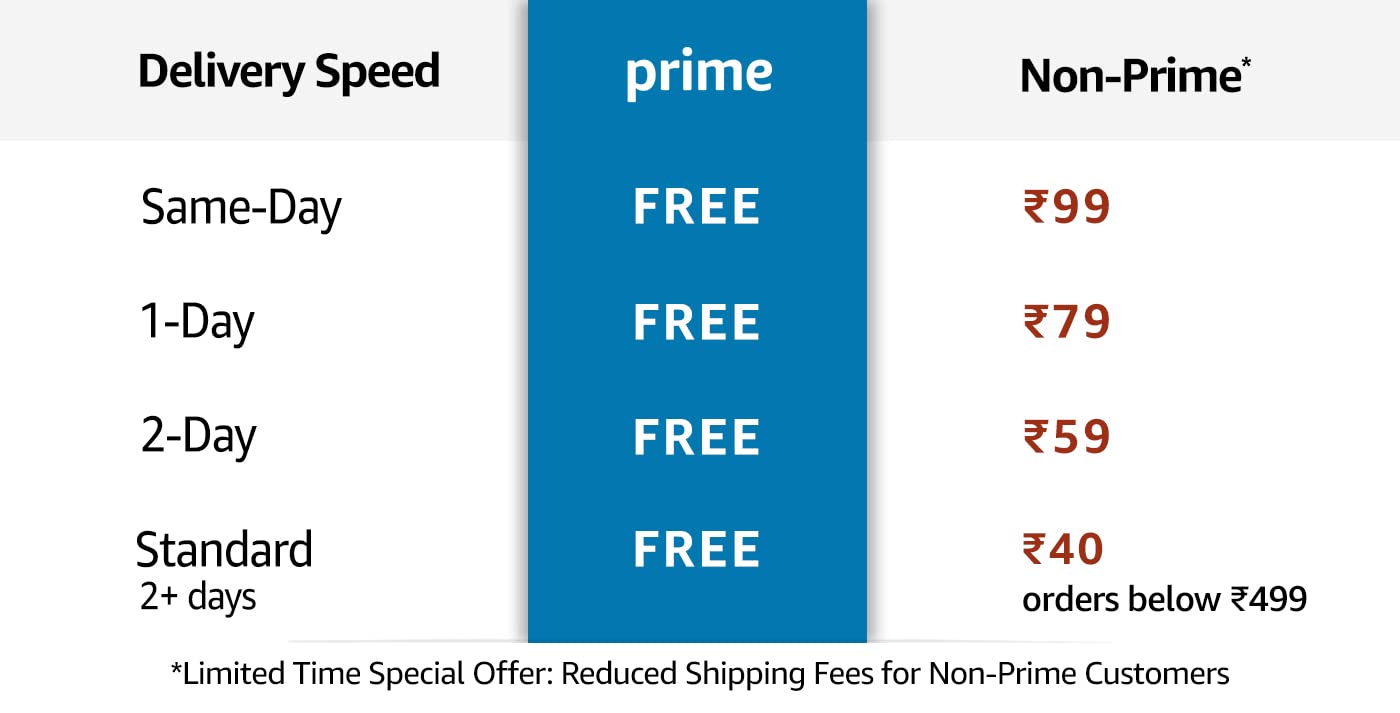
Furthermore, many consumers forget that Amazon offers free shipping on orders over $35 even without Prime. If you have the patience to consolidate your shopping into a single “bulk order” once a month, you can access the same prices and free shipping without ever paying the $139 annual fee. This “patience premium” can save a household over $1,000 over a decade.
Final Financial Verdict
The annual cost of Amazon Prime—$139—is a significant line item in a lean budget. However, through the lens of personal finance, it should not be viewed as an isolated expense. It is a multi-tool that functions as an entertainment bundle, a shipping insurance policy, and a potential revenue generator via cash-back rewards.
To determine if it belongs in your financial plan, perform a “Prime Audit”:
- Total your shipping savings: Did you save more than $139 in delivery fees last year?
- Evaluate the “Bundle” value: If you didn’t have Prime Video, would you pay for another service?
- Calculate the Cash Back: Does your spending on the Prime Visa cover the membership cost?
If the answer to these is no, the most professional financial move is to cancel the auto-renewal. If the answer is yes, the $139 annual fee is not a cost, but a strategic investment in household efficiency. In the world of money management, it’s not about how much you spend, but how much value you extract from every dollar committed.
aViewFromTheCave is a participant in the Amazon Services LLC Associates Program, an affiliate advertising program designed to provide a means for sites to earn advertising fees by advertising and linking to Amazon.com. Amazon, the Amazon logo, AmazonSupply, and the AmazonSupply logo are trademarks of Amazon.com, Inc. or its affiliates. As an Amazon Associate we earn affiliate commissions from qualifying purchases.