
In the modern landscape of personal finance, the “subscription economy” has become a significant line item in the average household budget. Among the giants of this industry, Amazon Prime Video stands as a unique entity, blending entertainment with retail utility. When consumers ask, “How much is Amazon Prime Video a month?” they are often looking for more than just a raw number; they are seeking a cost-benefit analysis of whether the service justifies its recurring drain on their disposable income.
Understanding the pricing structure of Amazon’s streaming service requires a deep dive into the various tiers, the hidden costs of modern viewing, and the broader financial strategy of maintaining multiple digital subscriptions.
1. Navigating the Subscription Tiers: What Are You Actually Paying For?
Amazon does not offer a one-size-fits-all price point. Instead, it utilizes a tiered pricing strategy designed to capture different segments of the market, from the budget-conscious viewer to the power-shopper.
The Standalone Prime Video Membership
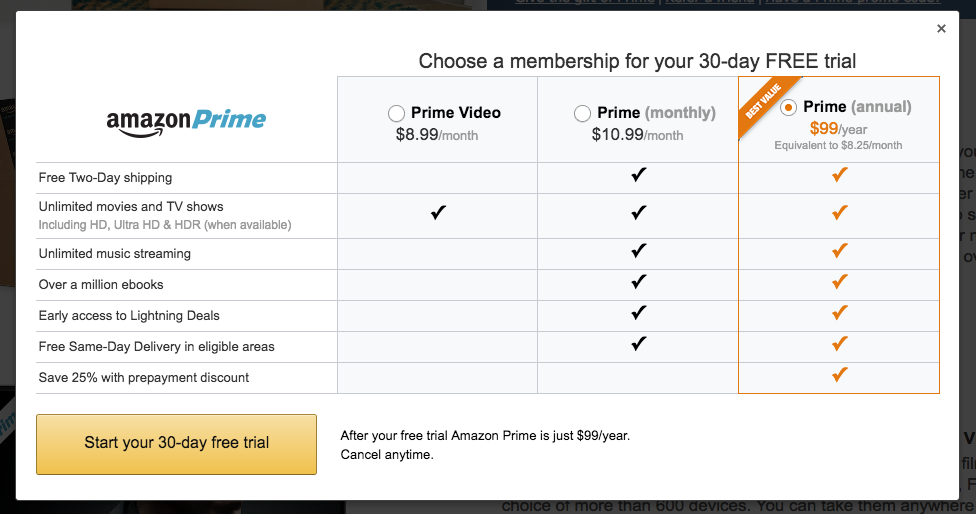
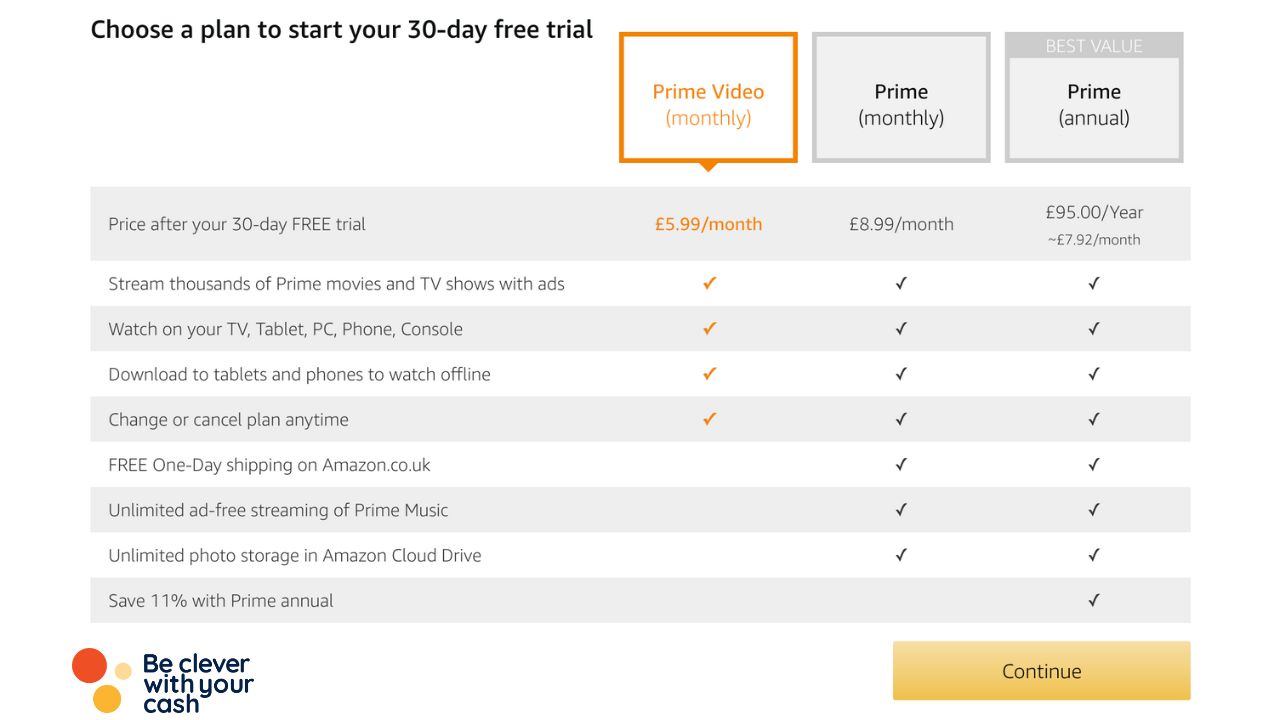
For those who have no interest in the retail perks of Amazon.com, there is a standalone streaming option. Currently priced at $8.99 per month, this tier provides access only to the Prime Video library. From a personal finance perspective, this is the leanest way to access Amazon’s original content and licensed library. However, it is often considered the “low value” trap because, for just a few dollars more, the utility of the service expands exponentially.
The Full Amazon Prime Experience
The most common way consumers access the video service is through the comprehensive Amazon Prime membership. This is priced at $14.99 per month or $139 per year. When we break down the annual cost, it averages out to approximately $11.58 per month. For individuals who utilize Amazon for frequent shopping, the “free shipping” component often offsets the cost of the video service entirely, effectively making the streaming portion a “free” add-on in their mental accounting.
The Impact of the Ad-Supported Model
In early 2024, Amazon shifted its financial strategy by introducing limited advertisements into its standard Prime Video tier. To maintain an ad-free experience, subscribers must now pay an additional $2.99 per month. This shift represents a significant change in the value proposition. For a full Prime member, the cost of ad-free viewing effectively rises to $17.98 per month, placing it in the same premium price bracket as Netflix or Max.
2. Assessing the Return on Investment (ROI) of Streaming
In the realm of personal finance, every expense should be viewed through the lens of Return on Investment (ROI). When evaluating a streaming service, the “return” is measured in hours of high-quality entertainment per dollar spent.
Comparing Costs to Industry Competitors
To understand if Amazon Prime Video is a “good deal,” one must look at the competitive landscape. Netflix’s standard ad-free plan sits significantly higher, and Disney+ has seen consistent price hikes. Amazon’s $8.99 standalone price is competitive, but its true strength lies in the bundled value. If a consumer saves $10 a month on shipping fees and $5 a month on digital storage (included in Prime), the “cost” of the video service technically becomes negative. This bundled ROI is something standalone services like Netflix cannot match.
The Student and Low-Income Discount Advantage
Amazon offers some of the most aggressive discounting in the industry for specific demographics. Prime Student provides the full suite of benefits for approximately $7.49 per month or $69 per year, often including a six-month free trial. Similarly, recipients of certain government assistance (such as SNAP or Medicaid) can access Prime for $6.99 per month. From a financial planning perspective, these programs represent an 50% reduction in overhead, making it one of the most accessible premium entertainment options on the market.
The Hidden Costs: Renting, Buying, and Channels
A common financial pitfall for Amazon Prime Video users is the “storefront” nature of the app. Unlike Netflix, where every visible title is included in the subscription, Amazon integrates titles that require additional rental or purchase fees. Furthermore, “Prime Video Channels” allow users to subscribe to Max, Paramount+, or Showtime directly through the Amazon interface. While convenient for consolidated billing, this often leads to “subscription creep,” where a user thinks they are paying $14.99 but is actually being billed $40+ due to various add-ons.
3. Strategic Subscription Management and Budgeting
Managing digital subscriptions is a vital skill in modern personal finance. Because these costs are automated, they often go unscrutinized for months or even years.
Annual vs. Monthly Billing: The 20% Rule
One of the simplest ways to optimize your finances is to choose annual billing if you know you will use the service year-round. The $139 annual Prime fee represents a nearly 23% savings over the $14.99 monthly rate. For those with the liquidity to pay upfront, this is an immediate “win” for the household budget. However, for those living paycheck to paycheck, the $14.99 monthly fee—while more expensive in the long run—provides better short-term cash flow management.
The “Churning” Strategy
A sophisticated financial approach to streaming is “churning.” Instead of maintaining a Prime membership year-round, a consumer might subscribe for one month, binge-watch specific series like The Boys or The Rings of Power, and then cancel. This reduces the annual expenditure from $139 to $14.99. This tactical approach to consumption ensures that you are only paying for the service when you are actively extracting value from it.
Auditing Your “Digital Overhead”
Financial advisors often recommend a quarterly audit of recurring charges. For Amazon Prime Video, this means checking for forgotten “Channel” subscriptions. Because Amazon makes it incredibly easy to “One-Click” buy or subscribe, many users find they have been paying for a $10/month niche channel they haven’t watched in half a year. Consolidating these under one dashboard is helpful, but only if that dashboard is monitored.
4. The Economics of the Streaming Marketplace
To understand why Amazon Prime Video costs what it does, we must look at the macro-economic factors affecting the tech and entertainment sectors.
Why Prices Are Rising
Inflation isn’t just affecting groceries; it’s affecting content production. The cost of producing high-budget “prestige” television has skyrocketed. Amazon’s investment in the Lord of the Rings franchise alone reached hundreds of millions of dollars. To recoup these costs and satisfy shareholders, tech giants are moving away from the “growth at all costs” model of the 2010s and toward a “profitability” model. This shift is the primary driver behind the introduction of ads and the $2.99 ad-free surcharge.
The Long-term Financial Outlook for Consumers
We are currently witnessing the “cable-ization” of streaming. As services unbundle and then re-bundle, the total cost for a consumer to have a “complete” entertainment package is returning to the levels of old-fashioned cable bills ($100+ per month). For the financially savvy, this means making hard choices. It is no longer viable to “have them all.” Amazon Prime Video often survives the “budget cut” in many households because it is tethered to a retail utility (free shipping), making it a “sticky” subscription that consumers are loath to cancel.
Subscription Fatigue and the Value Pivot
As more platforms vie for a slice of the consumer’s wallet, we are reaching a point of “subscription fatigue.” Amazon’s strategy to counter this is to become a “hub.” By allowing users to manage other subscriptions (like Discovery+ or MLB.TV) through their platform, they position themselves as an essential financial utility rather than just another video app. For the consumer, this centralization can be a double-edged sword: it simplifies financial tracking, but it also makes it harder to decouple from the Amazon ecosystem.
Final Financial Considerations
When determining if Amazon Prime Video is worth the monthly or annual cost, the decision should be rooted in a clear-eyed assessment of your spending habits. If you are a frequent Amazon shopper, the membership pays for itself through saved shipping costs, making the video service a high-value bonus. If you are a cinephile looking for a standalone library, the $8.99 tier is a respectable, budget-friendly option.
However, the modern consumer must stay vigilant against the “nickel and diming” of ad-free surcharges and integrated rental fees. By treating your streaming services as a business expense that requires regular auditing, you can enjoy the vast library of Amazon Prime Video without compromising your long-term financial health. The key is not just knowing “how much it costs,” but knowing “how much value it provides” to your specific financial situation.
aViewFromTheCave is a participant in the Amazon Services LLC Associates Program, an affiliate advertising program designed to provide a means for sites to earn advertising fees by advertising and linking to Amazon.com. Amazon, the Amazon logo, AmazonSupply, and the AmazonSupply logo are trademarks of Amazon.com, Inc. or its affiliates. As an Amazon Associate we earn affiliate commissions from qualifying purchases.