
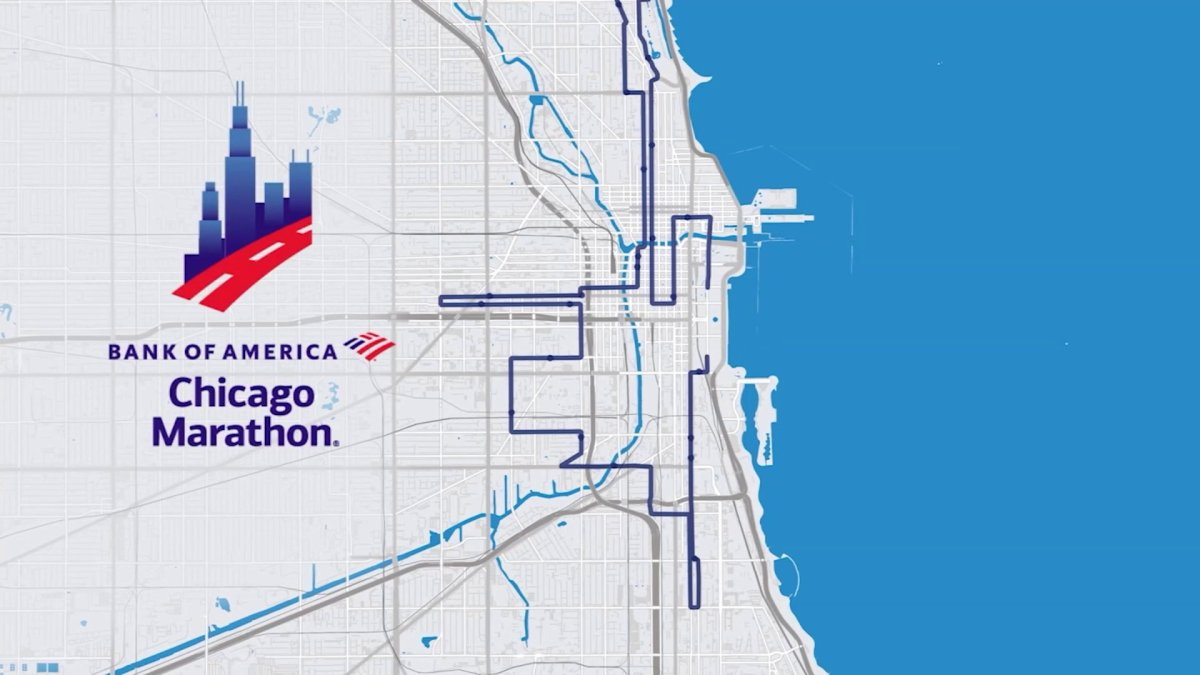
The Bank of America Chicago Marathon is more than just a 26.2-mile footrace through 29 diverse neighborhoods; it is a massive financial engine that drives hundreds of millions of dollars into the local economy and represents a high-stakes arena for corporate investment and personal finance. Scheduled for October 13, 2024, the event serves as a focal point for the Abbott World Marathon Majors, a circuit that has become a global powerhouse in the sports business industry.
For participants, spectators, and local business owners, the “when” of the Chicago Marathon is a critical date on the financial calendar. This article explores the intricate economic layers of the 2024 race, from the direct fiscal impact on Chicago’s hospitality sector to the personal investment required by individual runners.
The Massive Economic Footprint on the City of Chicago
The Chicago Marathon is a cornerstone of the city’s annual tourism revenue. While the race occurs on a single Sunday in mid-October, its financial ripple effects are felt months in advance and weeks after the final runner crosses the finish line.
The $400 Million Impact Multiplier
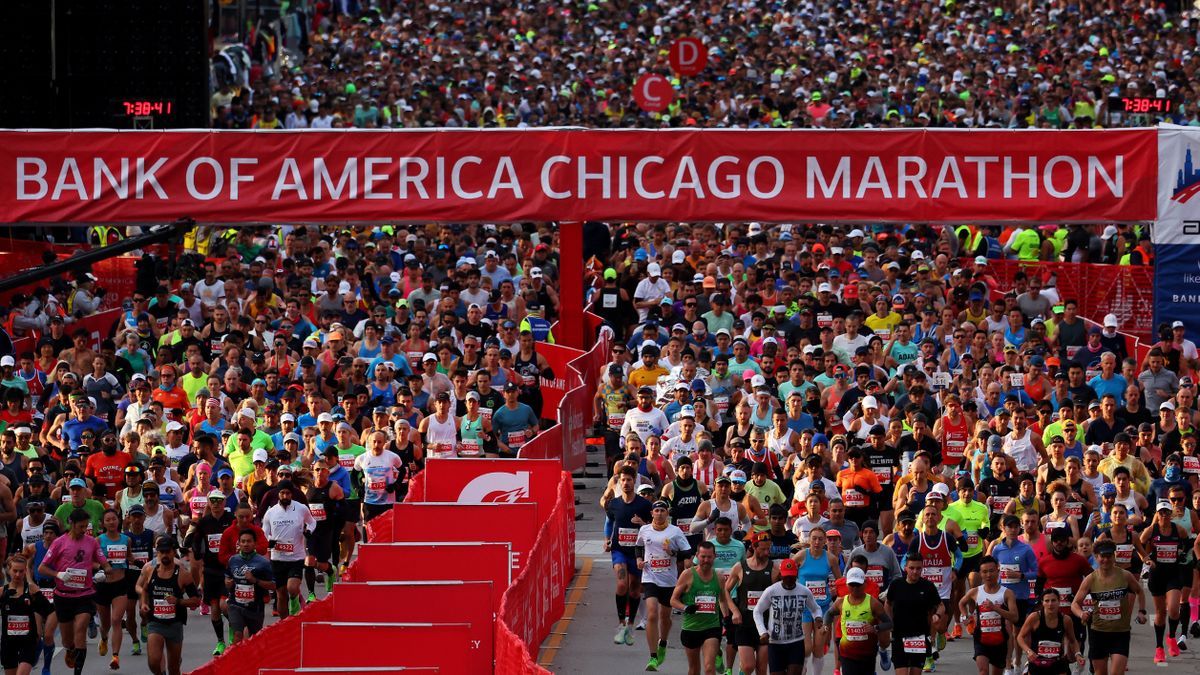
Economic impact studies from previous years have consistently shown that the Chicago Marathon generates over $400 million for the city. This figure is comprised of direct spending by visitors and the indirect economic activity generated by those expenditures. In 2024, with participation levels returning to or exceeding pre-pandemic peaks, this number is expected to climb further. The infusion of capital comes from nearly 50,000 runners—a significant portion of whom travel from over 100 different countries—and an estimated 1.7 million spectators who line the streets.
The Hospitality and Tourism Surge
For the weekend of October 13, 2024, hotel occupancy in the Chicago Loop and surrounding areas reaches near-capacity. From a personal finance and budgeting perspective, this creates a supply-and-demand squeeze. Hotel rates frequently triple or quadruple during marathon weekend, with some premium suites booking out a year in advance. This surge pricing isn’t limited to lodging; the local restaurant industry, particularly those specializing in high-carbohydrate fare, sees a massive spike in revenue. For the city, this translates into millions of dollars in tax revenue from hotel stays, sales tax, and transportation fees.
Job Creation and Local Infrastructure Investment
The logistics of hosting 50,000 runners require a temporary workforce of thousands, including security, medical staff, and event coordinators. Furthermore, the city uses the visibility of the marathon to showcase its infrastructure. The financial commitment to maintaining the race route—ensuring smooth pavement and functional public transit—acts as a recurring investment in the city’s long-term physical capital, which benefits residents and businesses year-round.
The Cost of Competition: Personal Finance for the Modern Runner
Participating in a World Marathon Major is not merely an athletic endeavor; it is a significant financial commitment. For the 2024 race, runners must navigate a complex landscape of entry fees, travel costs, and equipment investments.
The Price of Entry and Logistics
The baseline cost for a runner in the 2024 Chicago Marathon starts with the registration fee, which typically ranges from $230 for U.S. residents to $240 for international participants. However, this is only the tip of the iceberg. For those traveling from outside the Midwest, the total “marathon budget” can easily exceed $3,000. This includes airfare, a minimum of three nights in a hotel (required for the pre-race expo and recovery), and local transportation. Many runners now treat the marathon as a “runcation,” incorporating additional travel spending into their personal finance plans.
The High-Tech Gear Investment
The modern marathoner is an investor in sports technology. The 2024 race will see a record number of participants wearing “super shoes”—carbon-plated footwear that can cost between $250 and $300 per pair and have a lifespan of only a few hundred miles. When you factor in GPS watches (ranging from $200 to $900), specialized apparel, and monthly subscriptions to training platforms like Strava or TrainingPeaks, the “cost per mile” of training for Chicago becomes a serious line item in a runner’s budget.
Nutrition and Recovery Costs
Effective training for a Major marathon requires a rigorous nutritional strategy. This includes the purchase of energy gels (which can cost $2 to $4 per serving), electrolyte powders, and recovery supplements. Additionally, many runners invest in physical therapy, massage, or memberships to specialized recovery centers. These costs are often overlooked but are essential for anyone looking to see a return on their physical and financial investment by reaching the finish line on October 13.

Corporate Strategy and the ROI of World-Class Sponsorships
The 2024 Chicago Marathon is a masterclass in corporate branding and financial partnership. The “Bank of America” prefix is not just a name; it is a symbol of a deep-seated financial relationship that leverages the race’s global reach for massive Brand and Money ROI.
The Value of Title Sponsorship
Bank of America’s title sponsorship is a strategic move to align their brand with resilience, community, and global connectivity. For a financial institution, the marathon offers a unique touchpoint with high-net-worth individuals and a broad demographic of consumers. The sponsorship provides a platform for client entertainment, community engagement, and brand visibility that traditional advertising cannot match. The 2024 race serves as a high-visibility marketing vehicle that justifies its multi-million dollar price tag through global media impressions and local goodwill.
Technical Partners and Product Launches
Companies like Nike, the official footwear and apparel sponsor, use the Chicago Marathon as a live laboratory and a massive retail opportunity. The Marathon Expo, held at McCormick Place, is one of the most profitable retail events in the running industry. Brands pay high fees for floor space to sell “Chicago-exclusive” merchandise. For these companies, the 2024 race is a key date for hitting Q4 sales targets and clearing inventory of premium race-day gear.
The Business of Data and Digital Engagement
In 2024, the “Money” in marathons is increasingly found in data. Sponsors and organizers use the official race app to track runner behavior, preferences, and demographics. This data is a goldmine for financial services and lifestyle brands looking to target the affluent marathon-running demographic. The integration of digital tracking and social media engagement provides sponsors with a measurable Return on Investment (ROI) that extends far beyond the physical race day.
The Wealth in Philanthropy: The Multi-Million Dollar Charity Business Model
One of the most significant financial aspects of the Chicago Marathon is its role as a fundraising powerhouse. The 2024 race will facilitate the transfer of tens of millions of dollars to non-profit organizations.
The Charity Entry System
For many runners who do not gain entry through the lottery or time qualification, “charity entries” are the primary path to the start line. These runners commit to a minimum fundraising goal, often ranging from $1,250 to over $2,000. This model creates a guaranteed revenue stream for hundreds of local and national charities. In previous years, the Chicago Marathon has helped raise upwards of $30 million in a single day, proving that the race is a vital component of the philanthropic economy.
Corporate Social Responsibility (CSR)
For corporations, sponsoring a charity team at the Chicago Marathon is a key part of their Corporate Social Responsibility (CSR) budget. It allows companies to engage employees in a healthy activity while meeting social impact goals. This circular economy—where corporate funds support runners who raise money for charities—strengthens the financial health of the non-profit sector in Chicago and beyond.
Investing in the Future of the Abbott World Marathon Majors
As we look toward October 13, 2024, it is clear that the Chicago Marathon is part of a growing “Big Business” trend in global endurance sports. The consolidation of the World Marathon Majors into a cohesive brand has increased the commercial value of each individual race.
Ticket Inflation and Exclusivity
The demand for a spot in the Chicago Marathon far exceeds the supply. This scarcity has led to a rise in the “market value” of a bib. While the official price is set, the value of the experience has led to the growth of premium “VIP” packages. For a high price, runners can purchase access to private tents, pre-race brunches, and post-race massages. This tiering of the marathon experience reflects a broader trend in the sports world where exclusivity is a highly monetizable commodity.
The Global Expansion of the Marathon Market
The 2024 Chicago Marathon is a beneficiary of the global “running boom.” As emerging economies see a rise in the middle class, the number of international runners willing to spend thousands of dollars on a trip to Chicago increases. This makes the marathon an export of sorts for the city—selling a world-class experience to a global audience. The financial sustainability of the race is secured by this constant influx of international capital, ensuring that the event remains a cornerstone of Chicago’s economy for decades to come.
In conclusion, the question of “when is the Chicago Marathon 2024” is answered by a date—October 13—but the significance of that date is measured in dollars, investments, and economic impact. For the city, the sponsors, and the runners, the race is a high-stakes financial event that rewards careful planning, strategic investment, and a deep understanding of the business of sport.
aViewFromTheCave is a participant in the Amazon Services LLC Associates Program, an affiliate advertising program designed to provide a means for sites to earn advertising fees by advertising and linking to Amazon.com. Amazon, the Amazon logo, AmazonSupply, and the AmazonSupply logo are trademarks of Amazon.com, Inc. or its affiliates. As an Amazon Associate we earn affiliate commissions from qualifying purchases.