
In a world increasingly focused on financial prudence, investment strategies, and optimizing personal resources, the act of donating canned food might seem a simple, altruistic gesture. However, viewed through the lens of personal finance and broader economic impact, it transforms into a significant act of strategic giving. Understanding where to donate canned food near you is not merely about convenience; it’s about making an informed financial decision that maximizes your contribution’s effectiveness, supports community economic stability, and potentially offers personal financial benefits. This article delves into how food donations intertwine with personal finance, community economics, and the broader philanthropic landscape, guiding you to make impactful choices.
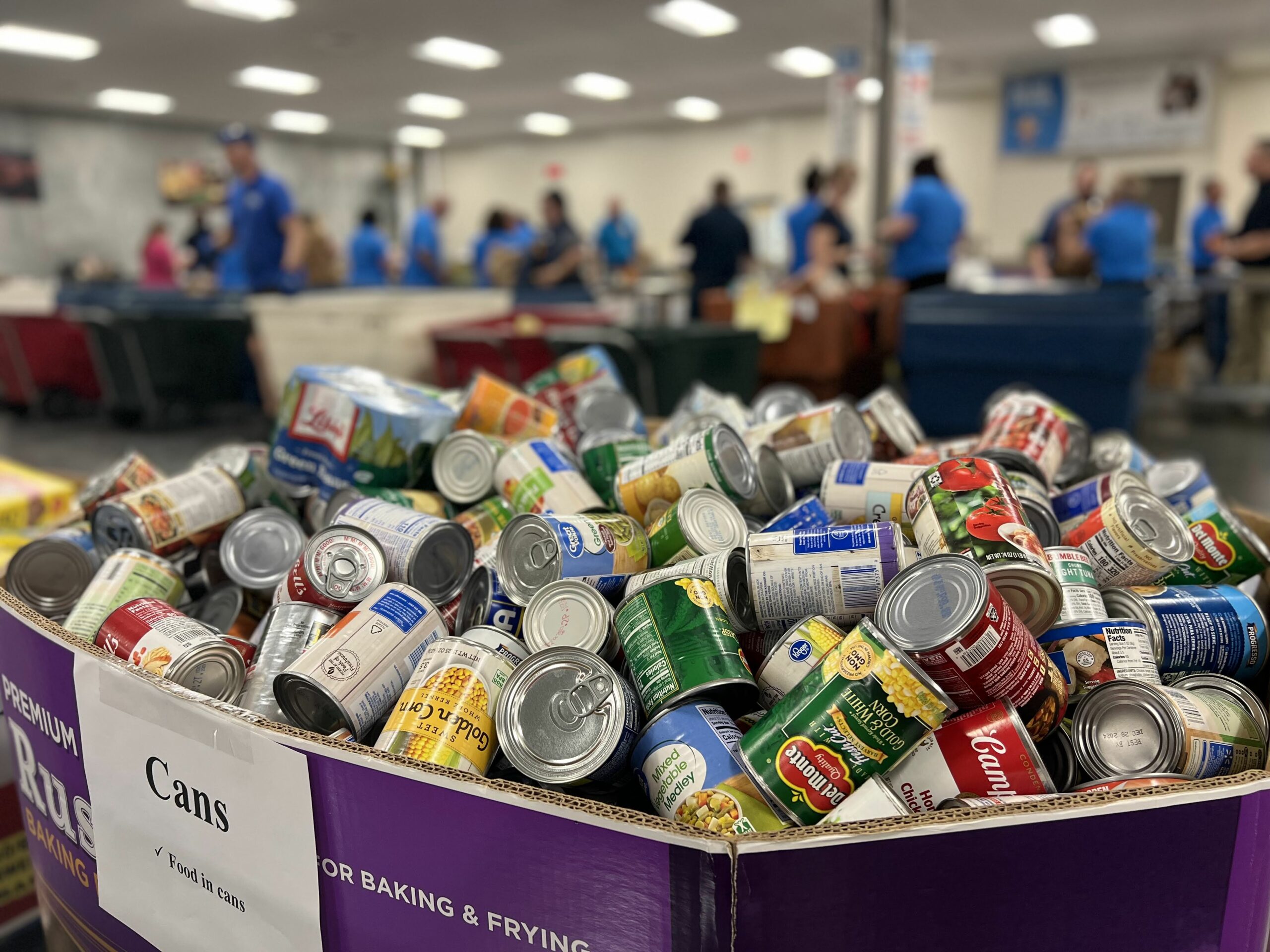
Understanding the Financial Landscape of Food Insecurity: Why Your Canned Food Matters
Food insecurity isn’t just a social issue; it’s a critical economic challenge that impacts individuals, families, and the overall stability of communities. When households lack consistent access to adequate food, the ripple effects extend far beyond the dinner table, creating significant financial strain and hindering economic progress. Recognizing this foundational truth is the first step in understanding the financial weight your canned food donation carries.
The Hidden Costs of Hunger on Communities
From a financial perspective, hunger imposes substantial direct and indirect costs on society. Individuals struggling with food insecurity often face higher healthcare expenses due to malnutrition-related illnesses, decreased productivity at work or school, and reduced opportunities for economic advancement. For communities, this translates into increased demand for social services, strained healthcare systems, and a less robust workforce. Children experiencing hunger are more likely to perform poorly in school, impacting their future earning potential and perpetuating cycles of poverty. Investing in food assistance, even through seemingly small acts like donating a can of beans, is a proactive economic measure that helps mitigate these long-term financial burdens. It’s an investment in human capital and community resilience, bolstering the collective financial health of a region.
How Food Banks Bridge Economic Gaps
Food banks and pantries are vital economic intermediaries in the fight against food insecurity. They operate on a model of resource aggregation and redistribution, efficiently collecting surplus food from various sources—manufacturers, retailers, and individual donors—and channeling it to those in need. This logistical prowess represents a significant economic service. By rescuing food that would otherwise go to waste, food banks prevent economic losses and provide essential nourishment at zero cost to recipients. Their operational efficiency in managing supply chains, storage, and distribution means that every dollar (or every donated can) stretches further, creating a substantial return on investment in terms of sustained health, reduced stress, and increased financial stability for beneficiary families. They directly address the immediate financial burden of purchasing food, freeing up household income for other critical needs like housing, utilities, or education, thereby preventing further financial crises.
Strategic Giving: Integrating Food Donations into Your Personal Finance Plan
For the financially astute individual, every decision, including charitable giving, is an opportunity for strategic planning. Integrating food donations into your personal finance plan isn’t about finding spare change; it’s about intentional resource allocation that aligns with your values and financial goals, potentially even offering tax advantages.
Budgeting for Philanthropy: A Sustainable Approach to Giving
Just as you budget for savings, investments, and essential expenses, allocating a specific portion of your budget for philanthropic activities, including food donations, transforms giving from an impulse into a sustainable practice. This approach allows you to consistently support causes you care about without compromising your other financial objectives. Consider setting aside a fixed amount each month or quarter specifically for charitable purchases or direct cash contributions to food banks. When planning your grocery budget, you might earmark a small percentage for purchasing extra non-perishable items to donate. This systematic approach ensures that your generosity is consistent and impactful, making it a regular and manageable part of your financial life rather than an occasional, unplanned expense. It reflects a mature understanding of personal finance, where wealth accumulation is balanced with social responsibility.
Tax Implications of Non-Cash Contributions
While the primary motivation for donating is altruism, it’s important to be aware of the potential financial benefits, particularly the tax implications. In many jurisdictions, non-cash charitable contributions, such as canned goods, can be tax-deductible. The fair market value of the donated items can often be claimed as a deduction on your income taxes, provided you itemize deductions and keep accurate records. For significant donations, understanding these rules can lead to tangible financial savings. It’s crucial to obtain a receipt from the charitable organization detailing your donation, and to consult with a tax professional to ensure you meet all requirements for claiming such deductions. This aspect elevates food donation from a simple act of charity to a financially savvy move, allowing you to support a cause while optimizing your tax liability.
Optimizing Your Donations: Value vs. Volume
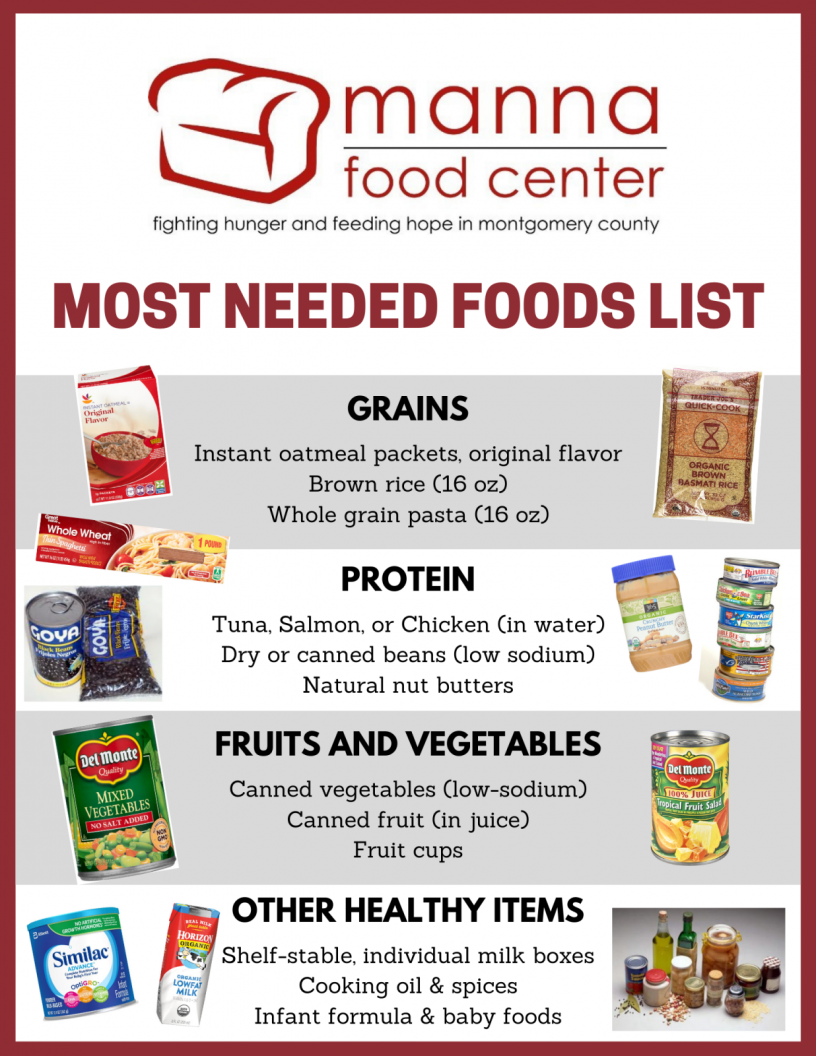
When considering what to donate, a “money” mindset encourages evaluating both the volume and the nutritional/economic value of your contribution. While any donation is appreciated, strategic giving involves understanding what food banks most need. Often, items high in protein (canned tuna, chicken, beans), whole grains (oatmeal, brown rice), and healthy fats (peanut butter) offer greater nutritional density and economic value per item than, for instance, sugary snacks. These items are more expensive for families to purchase and provide more sustained nourishment. Donating shelf-stable dairy (powdered milk), low-sodium vegetables, and fruit in light syrup also represents a higher-value contribution from a health and financial perspective. By researching a food bank’s specific needs list, you can ensure your financial outlay for donated goods provides the maximum possible benefit to recipients, preventing them from needing to purchase these often costlier items themselves. This thoughtful approach ensures your resources are allocated most effectively.
Navigating Local Resources: Finding “Near Me” from a Financial Perspective
The phrase “near me” implies convenience, but in the context of food donations, it also suggests optimizing your time and transportation costs—key financial considerations. Efficiently finding local donation points means less fuel consumed, less time spent, and a higher likelihood of sustained giving.
Leveraging Online Tools for Efficient Local Search
In the digital age, finding local food donation centers is simpler and more efficient than ever. Utilizing online search engines, specialized charity aggregators, and mapping services allows you to quickly locate nearby food banks, pantries, and community shelters. Websites like Feeding America (in the U.S.) or local community directories often have search functions where you can input your zip code to find affiliated food assistance programs. Many individual food banks also have user-friendly websites detailing their operating hours, specific donation needs, and drop-off instructions. This digital access minimizes the financial and time cost associated with locating a suitable donation point, making the act of giving more accessible and less burdensome on your personal resources. Before driving, a quick online check can confirm their acceptance policies and current needs, preventing wasted trips.
Direct Community Engagement: Farmers Markets and Local Initiatives
Beyond established food banks, many local farmers’ markets and community initiatives actively collect food donations, especially fresh produce, which is often a significant financial barrier for low-income families to access. Some markets partner with food recovery organizations to collect unsold produce at the end of the day. Similarly, local churches, schools, and community centers often host food drives, particularly during holidays or times of specific need. Engaging with these smaller, often volunteer-run initiatives can sometimes offer a more direct connection to the community you are serving. While less formal than large food banks, these local efforts efficiently channel resources within specific neighborhoods, minimizing logistical overheads and often directly impacting your immediate geographic vicinity. Participating supports both local agriculture (if purchasing to donate) and local community members, amplifying your financial impact within a specific, tangible community.
Corporate-Sponsored Drives and Matching Programs
Many employers, retailers, and large corporations regularly organize canned food drives, often partnering with local charities. Participating in these corporate-sponsored drives can offer an additional layer of financial efficiency and impact. Some companies might even offer matching programs, where for every item or dollar donated by an employee, the company matches it, effectively doubling the value of your contribution. Keep an eye out for these opportunities within your workplace or local retail establishments. These programs leverage collective effort and corporate financial backing to amplify individual donations, making your contribution part of a much larger, more impactful effort without requiring additional personal financial outlay. It’s a smart way to maximize the economic leverage of your philanthropic efforts.
Beyond Canned Goods: Expanding Your Philanthropic Portfolio for Maximum Impact
While canned food donations are invaluable, a comprehensive approach to personal philanthropy, viewed from a financial lens, involves understanding the diverse ways you can contribute resources for the greatest effect. A well-rounded philanthropic portfolio considers various forms of giving, each with its unique financial implications and benefits.
The Value of Monetary Donations: Flexibility and Operational Efficiency
While donating physical canned goods is tangible and often personally satisfying, monetary donations often provide food banks with the greatest flexibility and operational efficiency. Cash donations allow organizations to purchase exactly what they need, often in bulk at discounted prices, which stretches every dollar much further than what an individual might pay at a retail store. This means a cash donation might effectively buy significantly more food or cover critical operational costs (transportation, storage, staff) that ensure donated goods reach those in need. From a financial planning perspective, cash donations can also be simpler to track for tax purposes and can be made via recurring payments, aligning perfectly with a sustainable budgeting approach. For the financially savvy donor, understanding this leverage can shift focus towards cash contributions as a highly impactful form of giving.
Volunteering as a Non-Monetary Investment
Time is a valuable resource, and from an economic standpoint, volunteering is a significant non-monetary investment. The hours you spend sorting donations, stocking shelves, or distributing food represent donated labor that food banks would otherwise have to pay for, or simply couldn’t afford. This direct contribution of your time and skills frees up financial resources within the organization to be allocated towards purchasing food or other critical operational expenses. When viewed this way, volunteering is a direct financial contribution to the organization’s bottom line. It’s an opportunity to utilize your personal capital (time, skills) to generate significant value, offering a different but equally vital form of support to supplement your financial contributions.

Estate Planning and Legacy Giving
For those looking to make a lasting impact, integrating charitable giving into estate planning offers a profound way to ensure your philanthropic values continue to support causes like food security long after you are gone. Options such as bequests in a will, naming a food bank as a beneficiary of a life insurance policy or retirement account, or establishing a charitable trust, are sophisticated financial strategies. These forms of legacy giving can provide significant financial support to organizations for years to come, enabling them to plan for long-term programs and sustained community impact. Beyond the immediate satisfaction of donating a can, this represents the ultimate financial planning for philanthropy, ensuring your economic legacy benefits future generations and continues to combat hunger.
In conclusion, “where to donate canned food near me” is more than a simple geographical query; it’s an invitation to engage in thoughtful, financially informed philanthropy. By understanding the economic underpinnings of food insecurity, strategically integrating giving into your personal finance plan, efficiently locating local resources, and exploring diverse forms of contribution, you transform a simple act of kindness into a powerful, financially astute investment in community well-being. Each can of food, each dollar donated, and each hour volunteered represents a strategic allocation of resources that collectively strengthens the financial fabric of our society.
aViewFromTheCave is a participant in the Amazon Services LLC Associates Program, an affiliate advertising program designed to provide a means for sites to earn advertising fees by advertising and linking to Amazon.com. Amazon, the Amazon logo, AmazonSupply, and the AmazonSupply logo are trademarks of Amazon.com, Inc. or its affiliates. As an Amazon Associate we earn affiliate commissions from qualifying purchases.