
Navigating the complexities of the modern financial landscape requires more than just a basic understanding of how to balance a checkbook. In an era dominated by digital transactions, wire transfers, and automated clearing house (ACH) payments, the ability to accurately identify a financial institution is a critical skill for both personal finance management and business operations. Whether you are trying to verify a mysterious deposit, set up a new payroll system, or recover information from an old bank statement, knowing how to find a bank associated with a specific account number is a fundamental aspect of financial literacy.
This guide explores the mechanisms behind bank identification, the tools available for verification, and the security protocols necessary to protect your financial identity.
1. Understanding the Architecture of Bank Identification
To identify a bank using an account number, one must first understand that an account number rarely stands alone. In the global financial system, identification is a multi-layered process designed to ensure that money moves from Point A to Point B without friction or error.
The Critical Role of the Routing Number (ABA)
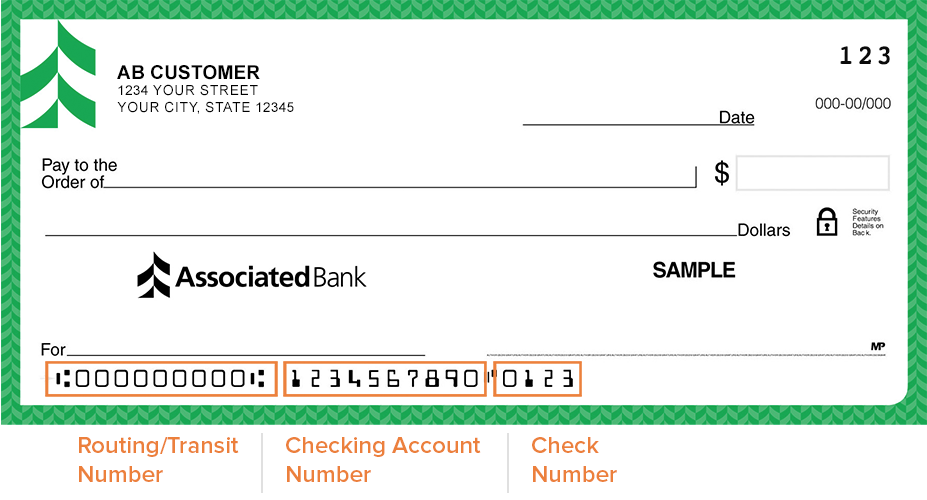
In the United States, the primary tool for identifying a bank is the Routing Transit Number (RTN), often referred to as an ABA number. Developed by the American Bankers Association in 1910, this nine-digit code identifies the specific financial institution responsible for an account. While the account number identifies the individual or entity, the routing number identifies the “house” where that account lives. If you have a check or a full electronic record, the routing number is the fastest way to identify the bank.
The Structure of the Account Number
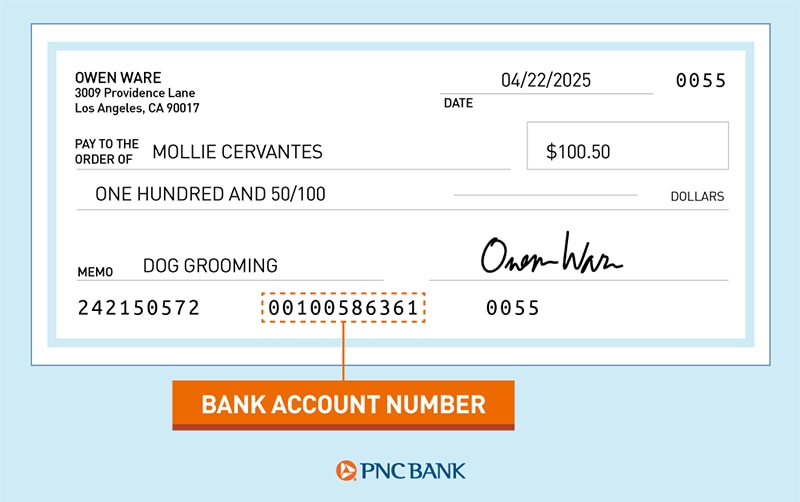
Unlike routing numbers, which are standardized across the industry, account numbers are determined by the individual bank. They typically range from 8 to 12 digits, though some institutions use longer sequences. While you cannot usually determine the bank name solely from a random string of numbers without an accompanying routing number, certain internal bank structures use prefixes or specific lengths that can be cross-referenced within proprietary databases or financial software.
International Standards: IBAN and SWIFT
For those operating in the international “Money” niche, the search often involves the International Bank Account Number (IBAN) and the SWIFT/BIC code. The IBAN is an ingenious string of alphanumeric characters that actually includes the bank’s identity within it. The first two letters represent the country, followed by two check digits, and then a “Basic Bank Account Number” (BBAN) which contains the specific bank’s internal code. In this context, the account number and the bank identifier are fused into a single string.
2. Practical Methods to Identify a Bank from an Account Number
If you find yourself with an account number but are unsure of its origin, there are several professional avenues to trace the associated institution. This is particularly relevant for managing personal cash flow or reconciling business ledgers.
Utilizing Online Routing Number Directories
If you have the routing number that accompanies the account number, your search is essentially over. The Federal Reserve and the American Bankers Association provide public lookup tools. By entering the nine-digit routing number into an official directory, you can instantly see the bank’s legal name, its headquarters address, and its operational status. This is the “gold standard” for financial verification.
Analyzing Canceled Checks and Digital Statements
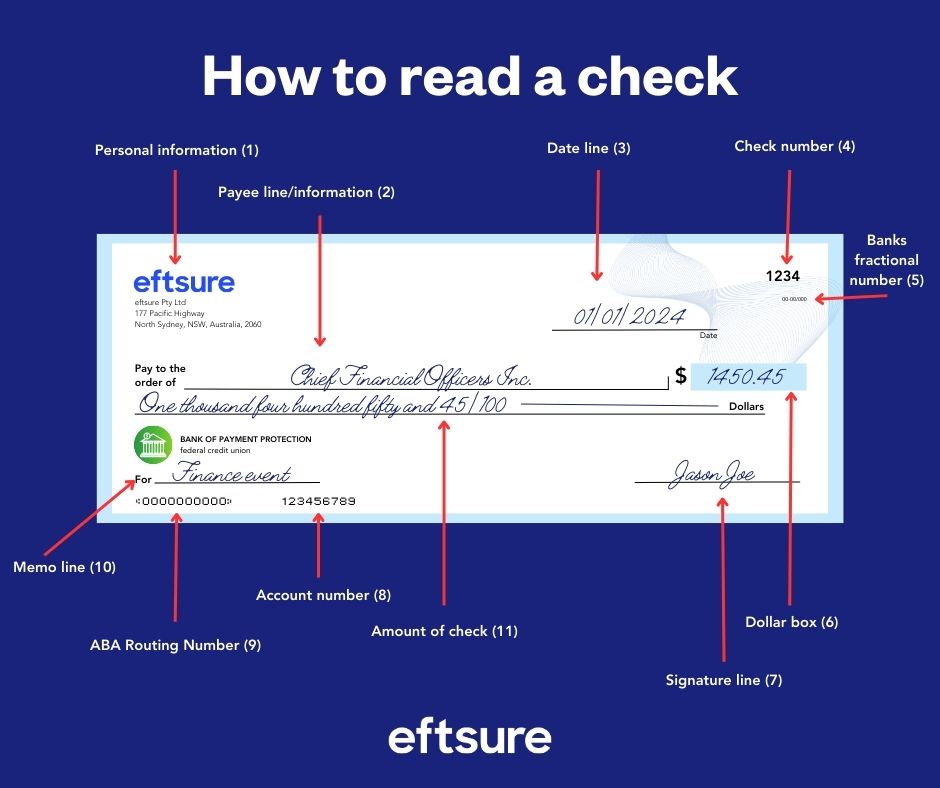
In personal finance, we often overlook the most obvious sources of information. If you are trying to identify where a specific account is held, reviewing historical bank statements or images of canceled checks in your online banking portal can provide the answer. Modern banking apps allow you to view the “MICR” line (the sequence of numbers at the bottom of a check), which contains the routing number, the account number, and the check number in a standardized format.
Direct Verification via Financial Institutions
If you have received a payment or a check and need to verify the bank, you can sometimes contact the suspected institution’s branch. While banks are bound by strict privacy laws and will never disclose the owner of an account, they can often confirm if a specific account number format matches their internal system or if a check issued in their name is valid. This is a common practice in business finance to prevent “bounced” payments.
3. The Role of Fintech and Modern Tools in Bank Verification
The rise of Financial Technology (Fintech) has revolutionized how we interact with bank data. What used to require a phone call to a teller can now be accomplished in milliseconds through sophisticated software interfaces.
Real-Time Verification Services
Services like Plaid, Yodlee, and Stripe have become the backbone of modern money management. When you link a bank account to an investment app or a side-hustle payment platform, these tools use “instant account verification” (IAV). They don’t just find the bank; they verify that the account is active and belongs to you. For a user, this eliminates the guesswork of identifying bank branches and ensures that “Money” niche activities—like dividend investing or P2P lending—happen securely.
P2P Payment Platforms and Bank Aliases
Platforms like Zelle and Venmo have introduced a layer of abstraction. Often, you are sending money to an email or a phone number rather than an account number. However, on the backend, these systems are constantly mapping these aliases to specific bank accounts. If you are trying to find your own bank details for a transfer, these apps usually list the “Linked Bank” in the settings, providing a quick way to identify where your funds are being pulled from.
Automated Accounting and Reconciliation
For business owners, identifying banks through account numbers is a daily task. High-end accounting software (like QuickBooks or Xero) uses “Bank Feeds” to automatically categorize transactions. These systems have massive databases of bank identifiers. When an account number is entered for a vendor, the software can often auto-populate the bank name by recognizing the routing transit patterns associated with that account.
4. Legal and Security Implications of Bank Lookups
While finding a bank is a practical necessity, it touches upon the sensitive area of digital security and financial privacy. Handling account numbers requires a high level of professional integrity.
Protecting Your Financial Identity
An account number and a routing number are the two keys needed to initiate an ACH withdrawal. This is why you should never share these details on unencrypted platforms. Professional money management dictates that you treat your account number with the same level of secrecy as a password. If you are looking up a bank to verify a sender, ensure you are using secure, official portals rather than third-party “scam” websites that may be harvesting your data.
Recognizing “Phishing” and Payment Scams
In the world of online income and side hustles, scammers often provide fake account numbers or ask for yours under the guise of “verification.” A common red flag is a routing number that doesn’t match the bank the sender claims to be using. By knowing how to use the ABA lookup tools mentioned earlier, you can spot these discrepancies immediately. If a “client” claims to be using Chase Bank but provides a routing number for a small credit union in another state, you have identified a potential fraud attempt.
The Limits of Public Information
It is important to manage expectations regarding what information is “public.” You can find a bank with an account number (provided you have the routing code), but you cannot find a person with an account number through legal public means. Privacy laws like the Gramm-Leach-Bliley Act (GLBA) protect consumer financial data. Attempting to bypass these protections to find the owner of an account is often a legal violation.
5. Optimizing Your Business Finance: Why Accurate Identification Matters
In the realm of business finance, the accuracy of bank identification directly impacts the bottom line. Transaction failures and “returned items” cost businesses billions of dollars annually in fees and lost time.
Streamlining B2B and Vendor Payments
When setting up a vendor in your accounts payable system, identifying the correct bank is the first step toward “Straight-Through Processing” (STP). If you have the account number, verifying the bank via its routing number ensures that high-value wire transfers are not held in “suspense accounts” due to clerical errors. This level of precision is what separates amateur side-hustlers from professional business entities.
Reducing Transaction Failures and Fees
Every time a payment fails because the bank was incorrectly identified, the initiating party is often hit with a “Return Fee” from their own bank. By utilizing a “Bank Validation” step in your financial workflow—where you cross-reference the account number and routing number before hitting ‘send’—you preserve liquidity and maintain a healthy credit standing with your financial institution.
Enhancing Financial Oversight
For those focused on investing and wealth management, keeping an updated “Account Map” is essential. This document should list all your account numbers and their corresponding banks. In the event of a bank merger or acquisition (which happens frequently in the modern market), your account number might stay the same while the routing number changes. Being proactive about identifying these shifts ensures that your automated investments and bill payments continue without interruption.
In conclusion, finding a bank with an account number is more than a simple search; it is an exercise in financial diligence. By understanding the relationship between routing and account numbers, leveraging modern fintech tools, and adhering to strict security protocols, you can navigate the financial world with confidence. Whether you are managing personal wealth or running a global enterprise, the ability to decode the language of banking is a powerful asset in your financial toolkit.
aViewFromTheCave is a participant in the Amazon Services LLC Associates Program, an affiliate advertising program designed to provide a means for sites to earn advertising fees by advertising and linking to Amazon.com. Amazon, the Amazon logo, AmazonSupply, and the AmazonSupply logo are trademarks of Amazon.com, Inc. or its affiliates. As an Amazon Associate we earn affiliate commissions from qualifying purchases.