
In the modern financial landscape, the question of when a bank opens has evolved from a simple inquiry about physical door locks to a complex understanding of liquidity, transaction windows, and digital synchronization. Bank of America, as one of the “Big Four” banking institutions in the United States, serves approximately 66 million consumer and small business clients. For these millions of individuals, understanding the operational rhythm of the bank is essential for managing cash flow, securing loans, and ensuring that time-sensitive payments are processed without delay.
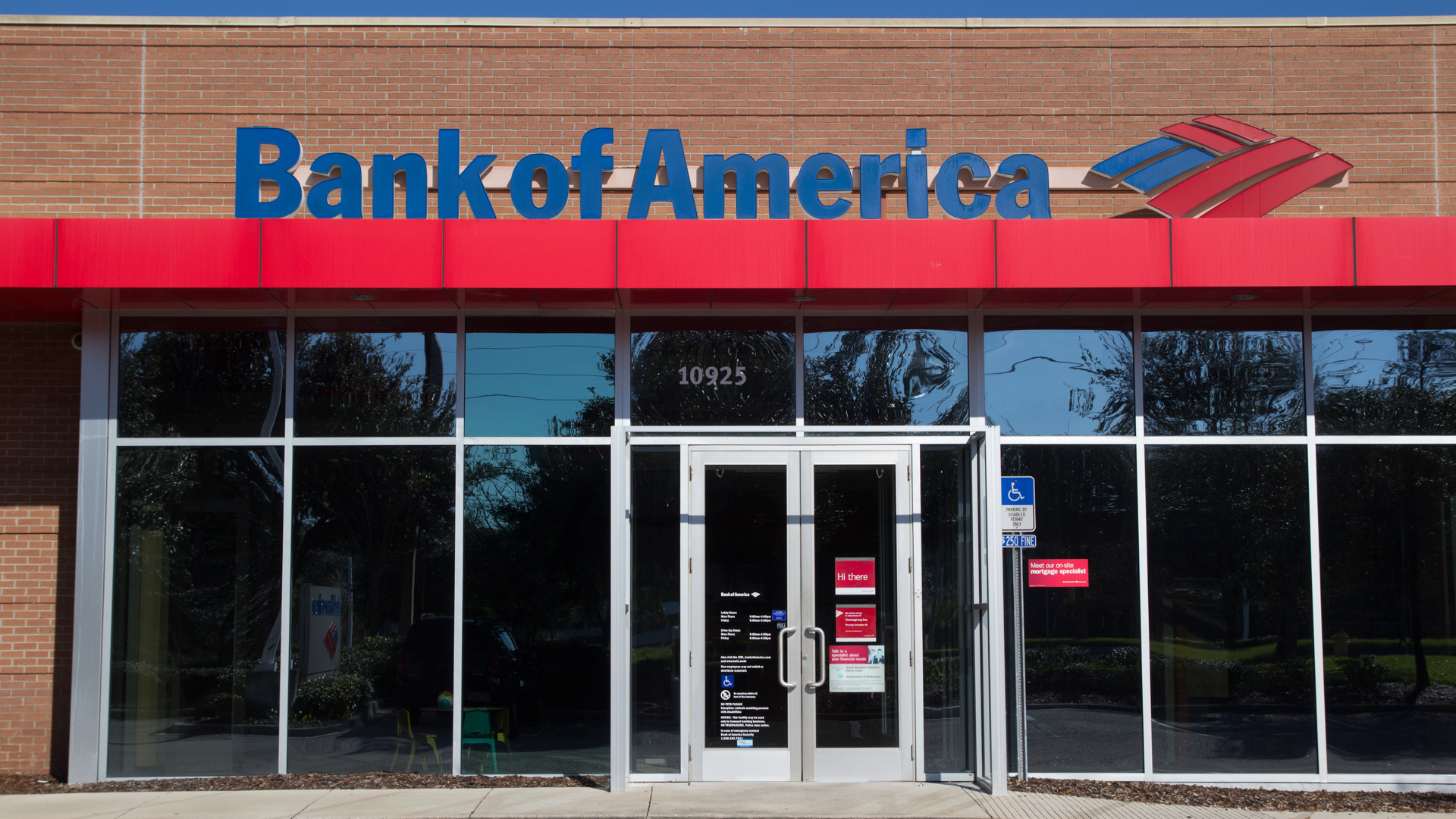
While we live in an era of 24/7 digital access, the physical branch remains a cornerstone for complex financial maneuvers—such as securing a notary, accessing a safe deposit box, or engaging in high-level wealth management consultations. This guide explores the nuances of Bank of America’s schedule, the impact of federal holidays on your money, and how to leverage digital tools when the physical doors are closed.
Understanding Standard Operating Hours and Physical Branch Accessibility
The core of traditional personal finance still relies heavily on the physical branch network. Bank of America operates thousands of locations across the United States, but their hours are not monolithic. They are dictated by local market demands, regional labor laws, and the specific needs of the community they serve.
Typical Weekday and Weekend Schedules
Generally, most Bank of America branches follow a standard corporate schedule. From Monday through Friday, doors typically open at 9:00 AM and close at 4:00 PM or 5:00 PM local time. These hours are designed to align with the standard business day, allowing professionals to visit during lunch breaks or immediately after the workday.
Saturdays present a different logistical framework. While many urban and suburban branches remain open to accommodate those who work during the week, they often operate on a “half-day” schedule, typically opening at 9:00 AM and closing by 1:00 PM or 2:00 PM. It is important to note that most Bank of America branches are closed on Sundays, adhering to a long-standing tradition in the American financial sector.
The Impact of Geographic Location on Branch Availability
Geography plays a significant role in determining when you can walk into a lobby. For instance, branches located inside high-traffic areas like grocery stores or shopping malls may mirror the operating hours of the host facility, sometimes staying open later than standalone “financial centers.” Conversely, branches in rural areas or quiet financial districts might have more restricted hours.
Before making a trip, it is highly recommended to use the Bank of America “Financial Center & ATM Locator” on their website or mobile app. This tool provides real-time data on the specific opening and closing times for every location, including specialized information on whether that branch offers drive-thru services, which sometimes open earlier or stay open later than the interior lobby.
Navigating the Federal Holiday Calendar and Banking Closures
For anyone managing business finance or personal investments, the calendar is a crucial tool. Bank of America, like all major national banks, follows the holiday schedule determined by the Federal Reserve System. Understanding these closures is vital because when the “Fed” is closed, the “plumbing” of the financial system—the movement of money between institutions—grinds to a halt.
Observed Holidays in the US Banking Sector
Bank of America observes all major federal holidays. During these days, physical branches are closed, and traditional transaction processing is paused. These holidays typically include:
- New Year’s Day
- Martin Luther King, Jr. Day
- Presidents’ Day
- Memorial Day
- Juneteenth National Independence Day
- Independence Day (July 4th)
- Labor Day
- Columbus Day (Indigenous Peoples’ Day)
- Veterans Day
- Thanksgiving Day
- Christmas Day
When a holiday falls on a Sunday, the bank and the Federal Reserve typically observe it on the following Monday. If it falls on a Saturday, the branch might close on Friday, though this varies based on corporate policy for that specific year.
Planning Transactions Around Long Weekends
The significance of these closures extends beyond not being able to speak to a teller. If you initiate an ACH transfer or a bill payment on a Friday afternoon before a three-day holiday weekend, that money may not “move” until the following Tuesday. For small business owners managing payroll or individuals paying time-sensitive credit card bills, this “float” period can lead to late fees or missed deadlines if not planned for. Professional financial planning requires looking at the calendar at least 10 days in advance to ensure that liquidity is positioned correctly before a federal closure.
The 24/7 Banking Evolution: ATM and Digital Tool Availability
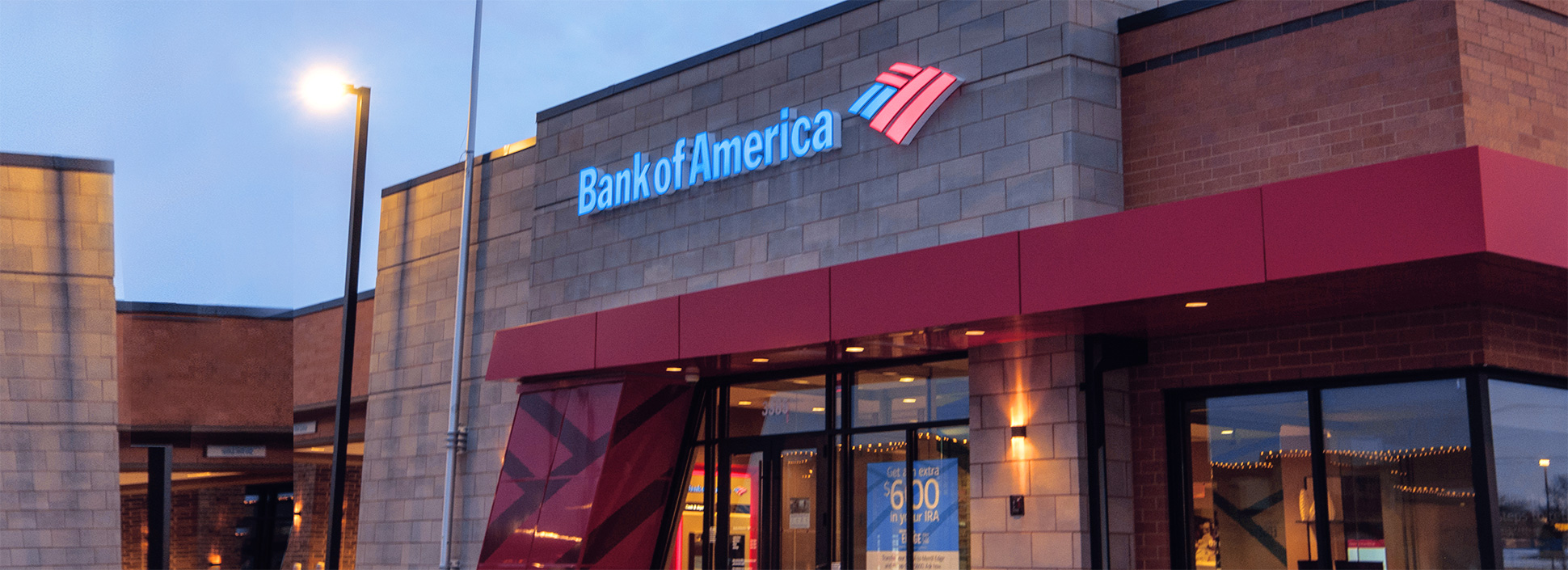
In the niche of modern money management, “opening hours” are becoming increasingly irrelevant for basic tasks. Bank of America has invested billions into its digital infrastructure to ensure that while the lobby might be locked, the bank is never truly closed.
Maximizing the Bank of America Mobile App
The Bank of America mobile app is a comprehensive financial tool that allows for 24/7 management of assets. Users can deposit checks via mobile imaging, transfer funds between accounts, pay bills, and even manage investment portfolios via Merrill (Bank of America’s investment arm).
One of the most powerful features of the digital interface is the “Erica” virtual assistant. This AI-driven tool can help users find past transactions, check balances, and even provide insights into spending habits at 3:00 AM on a Sunday. For the modern consumer, the app is the primary “branch,” and its opening hours are infinite.
ATMs and Self-Service Transaction Limits
Bank of America’s network of thousands of ATMs provides a bridge between the physical and digital worlds. Most ATMs are accessible 24/7, even those located in the vestibules of closed branches (accessible via a card swipe).
However, users must be aware of “Money” constraints—specifically daily withdrawal limits. While you can access the machine at any time, the bank typically limits daily cash withdrawals to a specific dollar amount (often ranging from $700 to $1,500 depending on account type) to protect against fraud. Furthermore, while you can deposit cash or checks at an ATM at any time, the “cut-off time” for that deposit to count as “today’s business” is usually 2:00 PM or 8:00 PM local time, depending on the machine’s location and the bank’s processing cycle.
Strategic Financial Planning: When Timing Your Bank Visit Matters
Knowing when Bank of America opens is only half the battle; the other half is knowing when to go for specific needs. Financial efficiency is often a matter of timing your interactions to match the bank’s internal processing cycles.
Processing Times for Deposits and Transfers
In the world of personal finance, “Available Balance” vs. “Posted Balance” is a critical distinction. If you need a check to clear to cover a mortgage payment, depositing it at 4:55 PM on a Friday is risky. Most banks have a cut-off time for same-day processing. Generally, transactions made before 2:00 PM at a branch are processed that evening. Transactions made after that time, or on weekends, are typically held until the next business day.
For international wire transfers, the timing is even tighter. Due to the various time zones and the closing times of the SWIFT network, wire transfers usually need to be initiated before 2:00 PM ET to be processed on the same day.
Seeking Professional Consultations and Specialized Services
If your visit involves more than a simple deposit—such as applying for a mortgage, discussing a small business loan, or setting up a trust—randomly walking in when the bank opens may not be the most efficient strategy. Bank of America encourages clients to schedule appointments through their online portal.
By scheduling an appointment, you ensure that the specific specialist you need (e.g., a Notary Public, a Mortgage Officer, or a Small Business Consultant) is actually on-site and available. This transition toward “appointment-based banking” allows for a more professional, consultative experience, moving away from the “waiting in line” model of the past.
The Future of Retail Banking: Flexibility and Client Convenience
As we look toward the future of money and banking, the definition of a bank “opening” continues to shift. Bank of America is currently redesigning many of its locations to be “Financial Centers” rather than just “branches.”

Personalized Appointments vs. Walk-ins
The future of Bank of America’s physical presence is centered on high-value interactions. We are seeing a trend where simple transactions are pushed to ATMs and mobile apps, while the physical space is reserved for complex financial planning. Some newer “automated” branches don’t even have traditional tellers; instead, they feature “Advanced ATMs” and private rooms where you can video-conference with a specialist in another city.
For the client, this means that while “standard hours” still apply to the building, the access to expertise is becoming more flexible. As the bank integrates more video-banking technology, we may see a future where you can “visit” a branch virtually during evening hours, further blurring the lines of the traditional 9-to-5 banking day.
In conclusion, understanding when Bank of America opens requires a multi-faceted approach. While the 9:00 AM to 5:00 PM window remains the standard for physical entry, the savvy financial consumer views the bank as a 24/7 ecosystem. By mastering the schedule of federal holidays, understanding the nuances of digital cut-off times, and utilizing the appointment-setting features of the mobile app, you can ensure that your money is always working for you, regardless of whether the physical doors are open or locked.
aViewFromTheCave is a participant in the Amazon Services LLC Associates Program, an affiliate advertising program designed to provide a means for sites to earn advertising fees by advertising and linking to Amazon.com. Amazon, the Amazon logo, AmazonSupply, and the AmazonSupply logo are trademarks of Amazon.com, Inc. or its affiliates. As an Amazon Associate we earn affiliate commissions from qualifying purchases.