
Understanding when Amazon releases its earnings is more than just a date on a calendar for the modern investor; it is a pivotal moment that can shift the momentum of the entire stock market. As one of the “Magnificent Seven” tech giants, Amazon’s financial health serves as a primary barometer for consumer spending, cloud computing growth, and the overall vigor of the digital economy. For those looking to navigate the complexities of the stock market, mastering the rhythm and the nuance of Amazon’s quarterly reports is essential for making informed investment decisions.

Decoding the Amazon Earnings Calendar: When to Expect the Results
Amazon operates on a standard fiscal year that aligns with the calendar year, ending on December 31st. Because of its massive scale and global operations, the company typically requires a few weeks after the close of a quarter to finalize its books and prepare its filing for the Securities and Exchange Commission (SEC).
The Quarterly Cycle
Generally, Amazon releases its earnings reports four times a year, following the conclusion of each three-month period. While the exact date is usually announced via a press release about two weeks in advance, historical patterns provide a reliable roadmap:
- First Quarter (Q1): Usually released in late April. This report covers the January through March period and often reflects the “post-holiday” cool-down.
- Second Quarter (Q2): Typically announced in late July. This often includes initial insights into Prime Day performance, depending on when the event falls.
- Third Quarter (Q3): Generally released in late October. This is a critical period as it sets the stage and provides “guidance” for the massive holiday shopping season.
- Fourth Quarter (Q4): Released in late January or early February. This is arguably the most anticipated report, covering the high-volume holiday sales and the full-year performance.
Where to Find Real-Time Updates
For the serious investor, relying on third-party news can sometimes result in a delay. To get the most accurate information regarding “when is Amazon earnings,” the primary source is the Amazon Investor Relations (IR) website. On this portal, the company posts official press releases, provides links to the live earnings conference call, and archives past financial statements (10-Q and 10-K filings).
Why Timing Matters for Volatility
The announcement usually occurs after the market closes (around 4:00 PM ET). The ensuing hours of “after-hours trading” can see significant price swings. For personal finance managers and active traders, knowing the exact hour of the release allows for risk management, such as setting stop-loss orders or adjusting option positions to account for the expected “implied volatility.”
Beyond the Headline: Key Financial Metrics to Analyze
When the earnings report finally drops, the media often focuses on two numbers: Revenue (top line) and Earnings Per Share (EPS, bottom line). However, for an investor looking for deep value, these numbers only scratch the surface. To truly understand Amazon’s financial trajectory, one must look at the specific segments that drive its massive cash flow.
Amazon Web Services (AWS) Growth
While Amazon is known as a retailer, AWS is the company’s profit engine. In many quarters, the cloud computing division accounts for the majority of the company’s operating income. Investors should look at the year-over-year (YoY) growth percentage of AWS. A slowdown in AWS growth often signals increased competition from Microsoft Azure or Google Cloud, whereas an acceleration suggests that the enterprise shift toward AI and cloud infrastructure is gaining steam.
Operating Margins and Fulfillment Costs
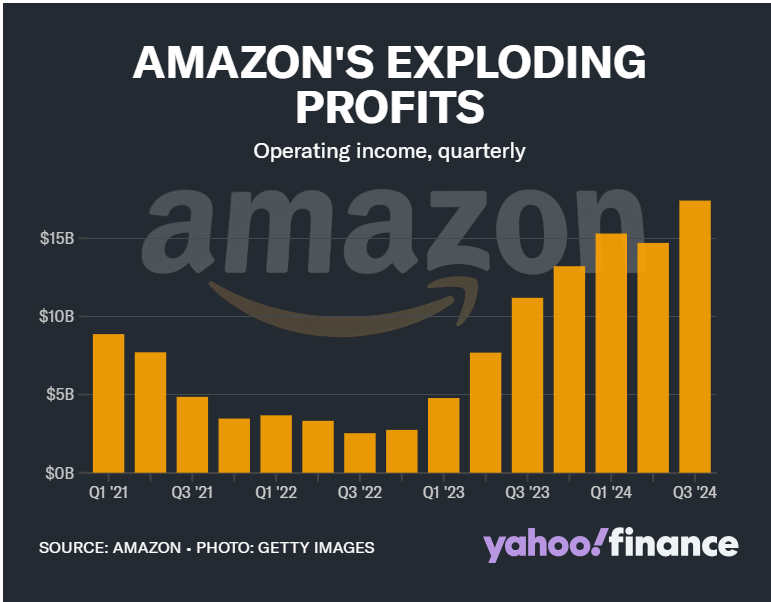
Amazon’s retail business operates on notoriously thin margins. When analyzing the earnings report, it is crucial to look at the “Operating Income” of the North American and International segments separately. Factors such as rising fuel costs, labor wages, and shipping efficiencies directly impact these margins. An improvement in operating margin suggests that the company is successfully leveraging its “Flywheel effect”—finding ways to lower costs while increasing delivery speed.
The Advertising Juggernaut
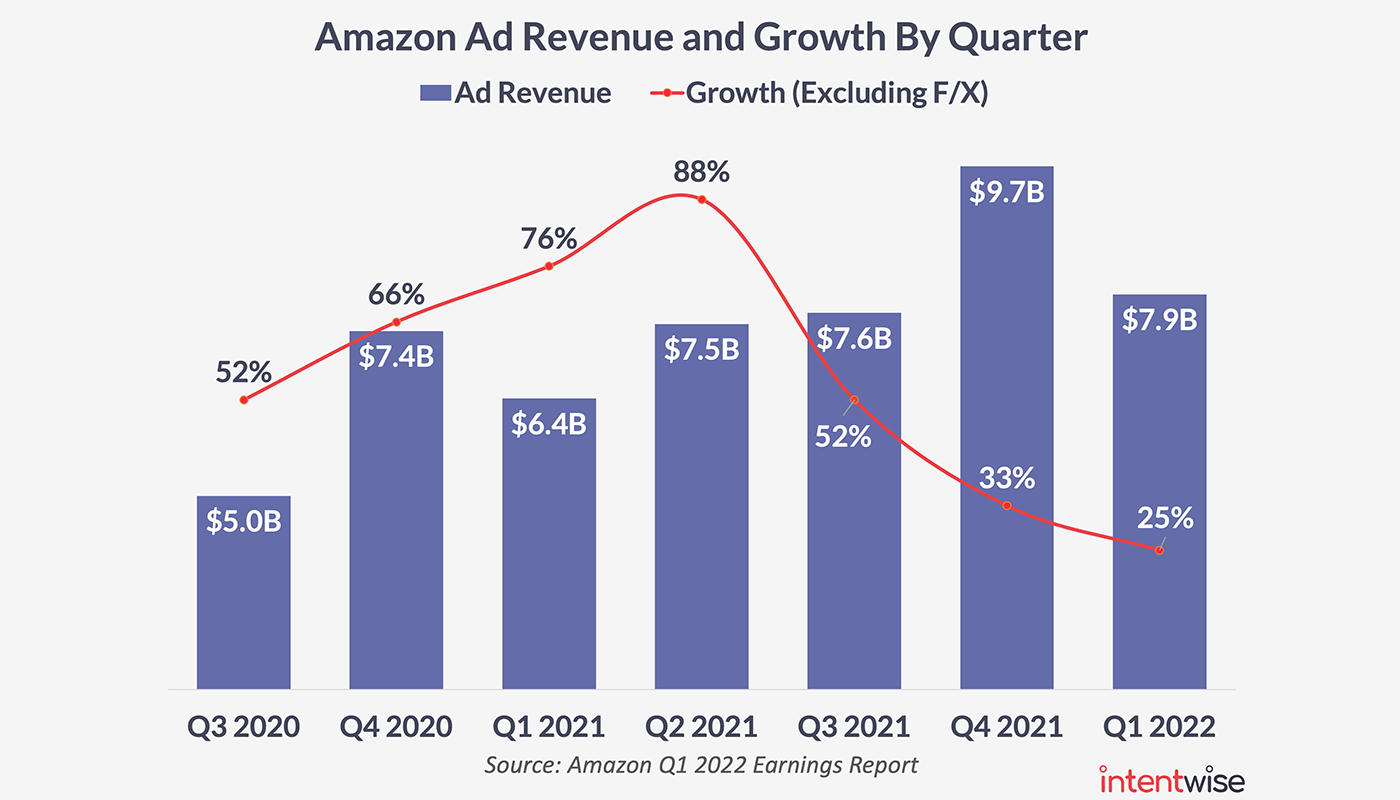
A relatively newer but explosive component of Amazon’s financial statement is its advertising revenue. Amazon has become the third-largest digital advertising platform in the world. This high-margin revenue stream is vital because it offsets the high costs of logistics. If advertising revenue continues to grow at a double-digit pace, it provides a significant cushion for the company’s overall profitability, even if retail sales are sluggish.
The Guidance Factor: Looking into the Future
In the world of investing, the past is historical, but the future is what determines stock price. Perhaps the most important part of the Amazon earnings release is not the performance of the quarter just ended, but the “guidance” provided for the upcoming quarter.
Revenue and Income Forecasts
Amazon provides a range for expected net sales and operating income for the next three months. If Amazon “beats” on current earnings but “lowers guidance” for the future, the stock price often falls. This is because the market is a forward-looking mechanism. Investors are paying for future cash flows; if those flows are expected to shrink due to economic headwinds or increased spending, the current valuation must be adjusted.
Capital Expenditure (CapEx) and AI Investment
In recent cycles, Amazon has signaled heavy investment in Artificial Intelligence and fulfillment technology. High CapEx can be a double-edged sword. On one hand, it shows the company is innovating to maintain its lead. On the other hand, heavy spending can eat into Free Cash Flow (FCF) in the short term. Sophisticated investors analyze whether this spending is an “expense” or an “investment” that will yield higher returns in the long run.
Macroeconomic Commentary
The earnings call, which follows the release of the numbers, features Amazon’s CEO and CFO discussing the broader economic environment. Their insights into consumer behavior, inflation, and global supply chains are invaluable for anyone managing a diversified portfolio. If Amazon reports that consumers are “trading down” to cheaper items, it serves as a warning for the entire retail and consumer staples sector.
How Amazon Earnings Move the Broader Market
Amazon is a heavyweight in major indices, including the S&P 500 and the Nasdaq-100. Because so many mutual funds and ETFs (Exchange-Traded Funds) hold Amazon as a core position, the company’s earnings performance has a “halo effect” (or a shadow) over the entire market.
Impact on Retail and Tech Sectors
When Amazon reports strong numbers, it often lifts the share prices of other e-commerce companies and logistics providers. Conversely, if Amazon warns of a slowdown in cloud spending, it can trigger a sell-off in the broader tech sector, affecting software-as-a-service (SaaS) companies that rely on cloud infrastructure.
The Influence on Consumer Sentiment
Because Amazon touches millions of households, its quarterly results are a reflection of the “health of the consumer.” If Amazon’s “Online Stores” revenue is high, it suggests that despite inflation or interest rate hikes, consumer discretionary spending remains resilient. This can influence Federal Reserve perceptions and broader economic forecasts.
Strategic Preparation: How Investors Should React
Knowing “when is Amazon earnings” is the first step; knowing how to act is the second. For the individual investor, these periods require a balance of discipline and strategic foresight.
Long-Term Investing vs. Short-Term Trading
If you are a long-term investor, a single quarterly “miss” might not be a reason to sell. Instead, it could be a buying opportunity if the long-term thesis (AWS dominance and retail leadership) remains intact. For short-term traders, earnings are a “high-beta” event, meaning the price can move 5% to 10% in a single session. This requires strict adherence to risk management protocols and an understanding of how “options” are priced around these dates.
Creating an Earnings Checklist
Before the date arrives, savvy investors should create a checklist:
- Check the Date: Confirm via the Investor Relations site.
- Review Estimates: See what Wall Street analysts are expecting for EPS and Revenue.
- Define Your Exit/Entry: Decide at what price you would be willing to add more shares or trim your position.
- Listen to the Call: Don’t just read the headlines. Listen to the tone of the executives to gauge their confidence in future growth.
Conclusion: The Power of Informed Investing
Amazon is more than just a bookstore or a cloud provider; it is a global economic force. By understanding the timing of its earnings, the specific metrics that drive its valuation, and the broader market implications of its performance, you can transform a simple “earnings date” into a strategic advantage for your financial future. Whether you are a seasoned trader or a personal finance enthusiast, the quarterly Amazon earnings report remains one of the most significant events in the financial world, offering a window into the future of commerce and technology.
aViewFromTheCave is a participant in the Amazon Services LLC Associates Program, an affiliate advertising program designed to provide a means for sites to earn advertising fees by advertising and linking to Amazon.com. Amazon, the Amazon logo, AmazonSupply, and the AmazonSupply logo are trademarks of Amazon.com, Inc. or its affiliates. As an Amazon Associate we earn affiliate commissions from qualifying purchases.