
Investing in the stock market can often feel like navigating a labyrinth, but few assets have captured the public imagination—and the portfolios of millionaires—quite like Amazon (NASDAQ: AMZN). From its humble beginnings as an online bookseller in Jeff Bezos’s garage to its current status as a global leader in e-commerce, cloud computing, and digital streaming, Amazon has become a cornerstone of the modern economy. For a retail investor, owning a piece of this behemoth is more than just a financial transaction; it is a stake in the future of global commerce.
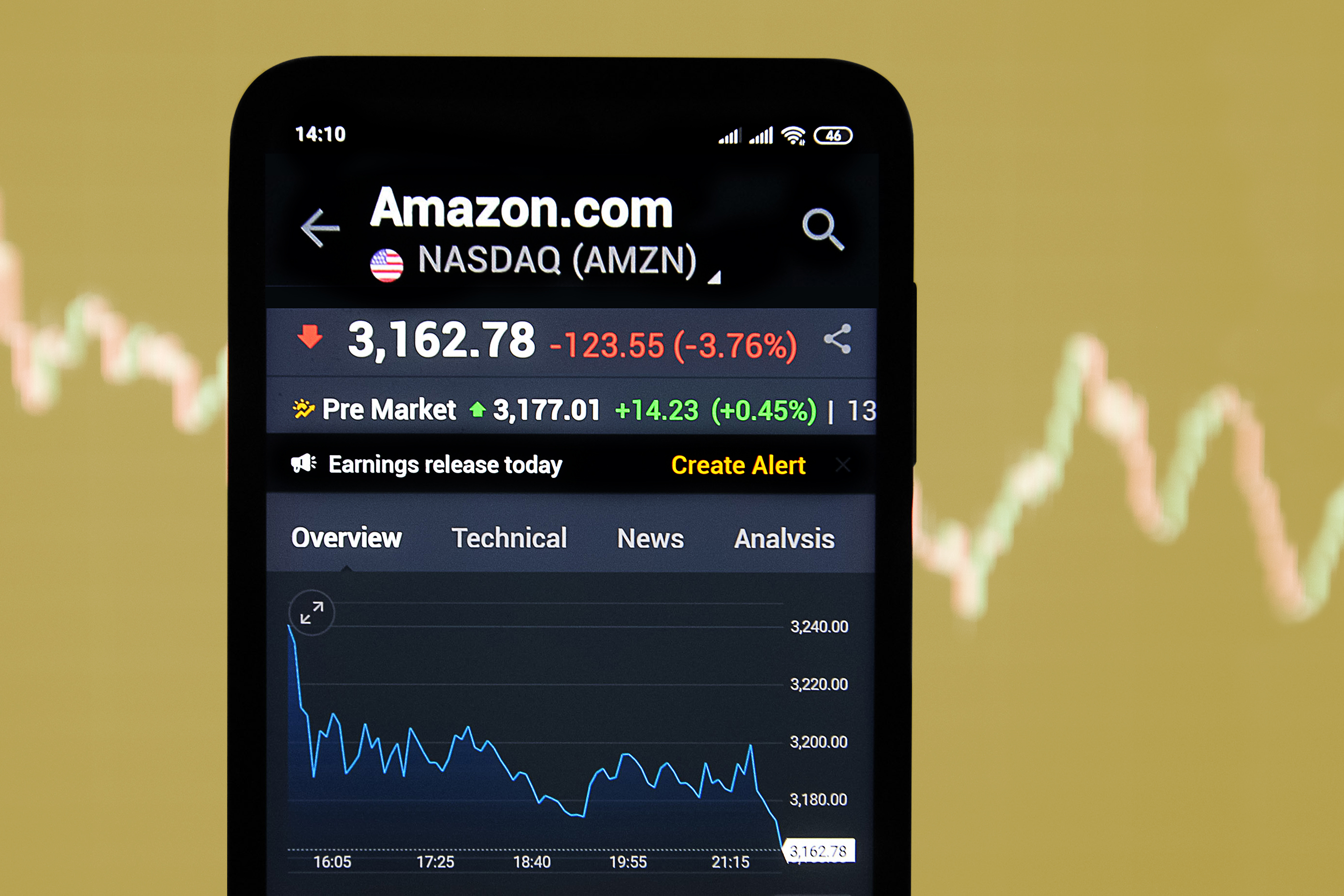
In this guide, we will break down the complexities of purchasing Amazon stock, focusing on the financial strategies, platform selections, and market mechanics you need to master to transition from a consumer to a shareholder.
1. Analyzing Amazon (AMZN) as a Financial Asset
Before clicking the “buy” button, a disciplined investor must understand exactly what they are adding to their portfolio. Amazon is classified as a “Blue Chip” stock, a term used for well-established, financially sound companies that have demonstrated growth over many years. However, unlike traditional dividend-paying blue chips, Amazon has historically reinvested its profits back into the company to fuel aggressive expansion.
The 20-for-1 Stock Split and Accessibility
For years, a single share of Amazon cost thousands of dollars, creating a high barrier to entry for the average person. In June 2022, Amazon executed a 20-for-1 stock split. While a split does not change the fundamental value of the company—much like cutting a pizza into more slices doesn’t create more food—it drastically lowered the price per share. This move was a strategic play to increase liquidity and make ownership accessible to retail investors who might not have had $3,000 to spare for a single share.
Revenue Streams and Profitability
To understand Amazon’s value, you must look beyond the delivery vans. While the retail marketplace generates the most “top-line” revenue, Amazon Web Services (AWS) is often the primary driver of operating income. As a cloud infrastructure provider, AWS powers a significant portion of the internet. For an investor, this diversification is crucial. When you buy a share of Amazon, you aren’t just betting on people buying groceries or electronics; you are betting on the infrastructure of the digital age.
2. Choosing the Right Brokerage and Setting Up Your Account
To buy a share of Amazon, you need a middleman: a brokerage. In the current financial landscape, you have an array of choices ranging from traditional institutional firms to modern, “fintech” mobile apps.
Evaluating Trading Platforms
When selecting a brokerage, consider the following “Money” niche criteria:
- Commission Fees: Most modern platforms like Fidelity, Charles Schwab, and Robinhood offer $0 commission trades for stocks listed on U.S. exchanges.
- Fractional Shares: This is a game-changer for new investors. If Amazon is trading at $180 and you only have $50, certain brokers allow you to buy “fractional shares,” giving you a percentage of a single share based on your budget.
- User Interface vs. Research Tools: If you are a long-term investor, you might prefer a platform with deep analytical tools and SEC filing access. If you prefer a streamlined experience, a mobile-first app might suffice.
The Onboarding and Funding Process
Once you select a platform, you will need to open a brokerage account. This involves a process known as “Know Your Customer” (KYC), where you provide your Social Security Number, address, and employment information for tax and legal purposes.
After the account is approved, the next step is funding. You can link your bank account via ACH transfer. A professional tip for the savvy investor is to check if your broker offers “Instant Deposits.” This allows you to trade immediately while your bank transfer is still clearing, ensuring you don’t miss a specific price target while waiting for funds to settle.
3. Executing the Trade: Understanding Market Mechanics

Buying a stock is not as simple as buying a product on Amazon.com. There are different ways to “order” a stock, and understanding these can save you money and protect you from market volatility.
Market Orders vs. Limit Orders
A Market Order tells the broker to buy the stock immediately at the best available current price. While this guarantees the trade will happen, you might pay slightly more than you expected if the price fluctuates in a split second.
A Limit Order gives you more control. You set a maximum price you are willing to pay. For example, if Amazon is trading at $181, but you only want to pay $180, you place a limit order. The trade will only execute if the price hits your target. This is a vital tool for the disciplined investor who wants to avoid “chasing” a stock during a price spike.
Timing and Dollar-Cost Averaging (DCA)
One of the biggest mistakes new investors make is trying to “time the market”—waiting for the perfect “dip” to buy. Financial history shows that “time in the market” is more important than “timing the market.”
A professional strategy is Dollar-Cost Averaging (DCA). Instead of buying $1,000 worth of Amazon all at once, you might buy $100 worth every month. This averages out your purchase price over time, reducing the risk of buying at a temporary peak. It turns investing into a consistent habit rather than a high-stakes gamble.
4. Risks, Portfolio Management, and Tax Considerations
Owning a share of Amazon comes with risks that every investor must weigh against the potential for growth. While Amazon is a titan, it is not immune to economic downturns, regulatory scrutiny, or shifts in consumer behavior.
The Importance of Diversification
In the world of personal finance, “putting all your eggs in one basket” is a recipe for disaster. Even a company as successful as Amazon can experience “flat” years. A balanced portfolio should include Amazon as part of a broader mix of sectors—such as healthcare, energy, and consumer staples—or alongside an Index Fund (like the S&P 500) that holds Amazon along with 499 other top companies. This ensures that if the tech sector takes a hit, your entire net worth doesn’t plummet with it.
Understanding Capital Gains and Dividends
When you eventually sell your Amazon shares for a profit, the government will want its share. If you hold the stock for more than a year, you qualify for Long-Term Capital Gains tax rates, which are generally lower than standard income tax rates. If you sell in less than a year, you are taxed at your ordinary income rate.
Furthermore, unlike some older companies, Amazon does not currently pay a dividend. Your “return on investment” comes solely from the appreciation of the stock price (capital gains). For investors seeking regular cash flow from their stocks, this is a crucial distinction to make.
5. Long-Term Strategy: Monitoring Your Investment
Once you have successfully purchased your share (or shares) of Amazon, your journey has just begun. Investing is a marathon, not a sprint.
Quarterly Earnings and Financial Health
Every three months, Amazon releases an earnings report. As a shareholder, you should pay attention to these. You don’t need to be a math genius, but you should look for trends in “Operating Margin” and “Free Cash Flow.” These metrics tell you if the company is actually making money or just spending it. A company with healthy cash flow can survive economic recessions and continue to innovate.
When to Sell?
Financial experts suggest having an “exit strategy” before you even buy. Are you buying Amazon to fund your retirement in 20 years? Or are you looking to take profits once the stock hits a certain price target? Having a plan prevents emotional decision-making. When the market gets volatile and headlines turn negative, a professional investor refers back to their original thesis. If the reasons you bought the stock (e.g., its dominance in cloud and retail) haven’t changed, then a temporary price drop might actually be a buying opportunity rather than a reason to panic-sell.

Conclusion
Buying a share of Amazon is an accessible entry point into the world of high-growth equity investing. By selecting a reputable brokerage, utilizing limit orders, and employing a dollar-cost averaging strategy, you can build a position in one of the most influential companies in history. However, the true key to wealth is not just the act of buying, but the discipline of holding through market cycles and maintaining a diversified financial outlook. As you add AMZN to your portfolio, remember that you are not just buying a ticker symbol; you are investing in a global engine of commerce.
aViewFromTheCave is a participant in the Amazon Services LLC Associates Program, an affiliate advertising program designed to provide a means for sites to earn advertising fees by advertising and linking to Amazon.com. Amazon, the Amazon logo, AmazonSupply, and the AmazonSupply logo are trademarks of Amazon.com, Inc. or its affiliates. As an Amazon Associate we earn affiliate commissions from qualifying purchases.