
In the landscape of modern personal finance, the cost of entertainment is often one of the most volatile variables in a household budget. Among the various avenues for leisure, the cinematic experience remains a staple of American culture, yet the question of “how much are AMC movie tickets?” no longer yields a simple, static answer. As the largest movie theater chain in the world, AMC Theatres has transitioned from a fixed-price model to a complex, data-driven pricing ecosystem. Understanding this structure is essential for any consumer looking to balance high-quality entertainment with prudent financial management.
For the savvy individual, a movie ticket is more than just a pass to a screening; it is a case study in dynamic pricing, market segmentation, and value-based consumption. By deconstructing the financial layers of AMC’s pricing strategy, consumers can better navigate the costs associated with the big screen and maximize their return on investment (ROI) for every dollar spent.
Understanding the Variables of Ticket Pricing: Supply, Demand, and Location
The cost of an AMC ticket is not a monolithic figure; rather, it is a reflection of local economic conditions and the specific amenities of the theater. AMC utilizes a localized pricing strategy that ensures tickets are priced according to the purchasing power and operational costs of specific geographic regions.
Regional Economic Disparities
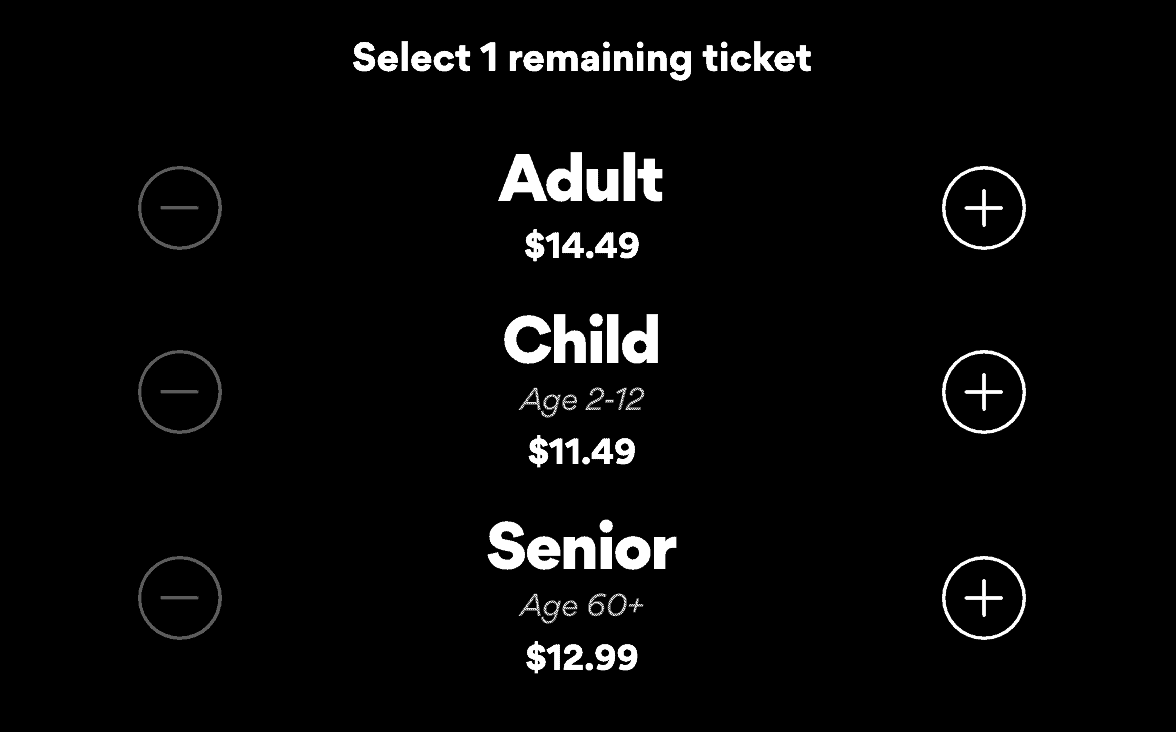
In high-cost-of-living urban centers like New York City, Los Angeles, or Chicago, a standard adult ticket at an AMC theater can range from $18 to $22. In contrast, the same film in a mid-sized Midwestern market might be priced between $10 and $14. This regional variance is a direct result of the business finance realities AMC faces, including commercial real estate leases, minimum wage requirements, and utility costs. For the consumer, this means that your “entertainment inflation” is highly dependent on your zip code.
Premium Format Upsells: IMAX vs. Dolby Cinema
One of the most significant factors in ticket price escalation is the choice of format. AMC has pioneered the “premium large format” (PLF) experience, offering IMAX with Laser, Dolby Cinema, and RealD 3D. These formats typically carry a surcharge of $5 to $10 over the base ticket price. From a financial perspective, these formats represent AMC’s attempt to increase the “average ticket price” (ATP), a key metric for their shareholders. For the consumer, the decision to upgrade is a value-proposition calculation: is the marginal utility of a larger screen and better sound worth a 40% to 60% increase in price?
The Matinee and Discount Window
Traditionally, the most effective way to lower the cost of a movie ticket has been the matinee. AMC typically offers reduced pricing for screenings before 4:00 PM. Additionally, the “Discount Tuesdays” program remains a cornerstone of their value strategy, offering significantly lower prices for members of their loyalty program. This is a classic example of “price discrimination” in economics—charging different prices to different customers based on their price sensitivity and time flexibility.
The Strategic Shift to Subscription Models: AMC Stubs A-List
In response to the shifting landscape of digital streaming and the volatility of theater attendance, AMC launched “AMC Stubs A-List.” This move marked a pivot from a transactional business model to a recurring revenue model, a trend seen across various sectors of the modern economy.
Cost-Benefit Analysis for the Frequent Moviegoer
The A-List program allows members to see up to three movies per week for a monthly fee, which currently ranges from approximately $19.95 to $24.95 plus tax, depending on the state. For a consumer in a major market where a single Dolby Cinema ticket can cost $25, the program pays for itself in just one visit. For the frequent moviegoer, this represents a significant opportunity for “theatrical arbitrage”—receiving hundreds of dollars worth of entertainment for a fraction of the market cost.
Breaking Down the “Break-Even” Point
From a personal finance perspective, a subscription is only an asset if it is utilized. If a consumer in a mid-tier market (where tickets are $12) only sees one movie a month, the $20 subscription becomes a liability, resulting in a net loss. However, for those who see two or more films monthly, the A-List program effectively caps their entertainment spending. This predictability is a powerful tool for monthly budgeting, transforming a variable entertainment expense into a fixed, manageable cost.
The Impact on Consumer Behavior and Spending
Subscription models are designed to increase “stickiness” and brand loyalty. Once a consumer has “pre-paid” for their movies via A-List, they are far more likely to visit an AMC theater over a competitor like Regal or Cinemark. Furthermore, AMC’s financial data suggests that A-List members are more likely to spend money at the concession stand, as they feel they have “saved” money on the ticket itself. Understanding this psychological nudge is crucial for consumers who are trying to keep their total “night out” costs under control.
Dynamic Pricing and the Business of Blockbusters
In recent years, AMC has experimented with more aggressive financial strategies, most notably “Sightline at AMC” and “Surcharge Pricing” for major blockbuster releases. These strategies mirror the pricing models used by the airline and hospitality industries.
The “Surcharge” Strategy for Tentpole Releases
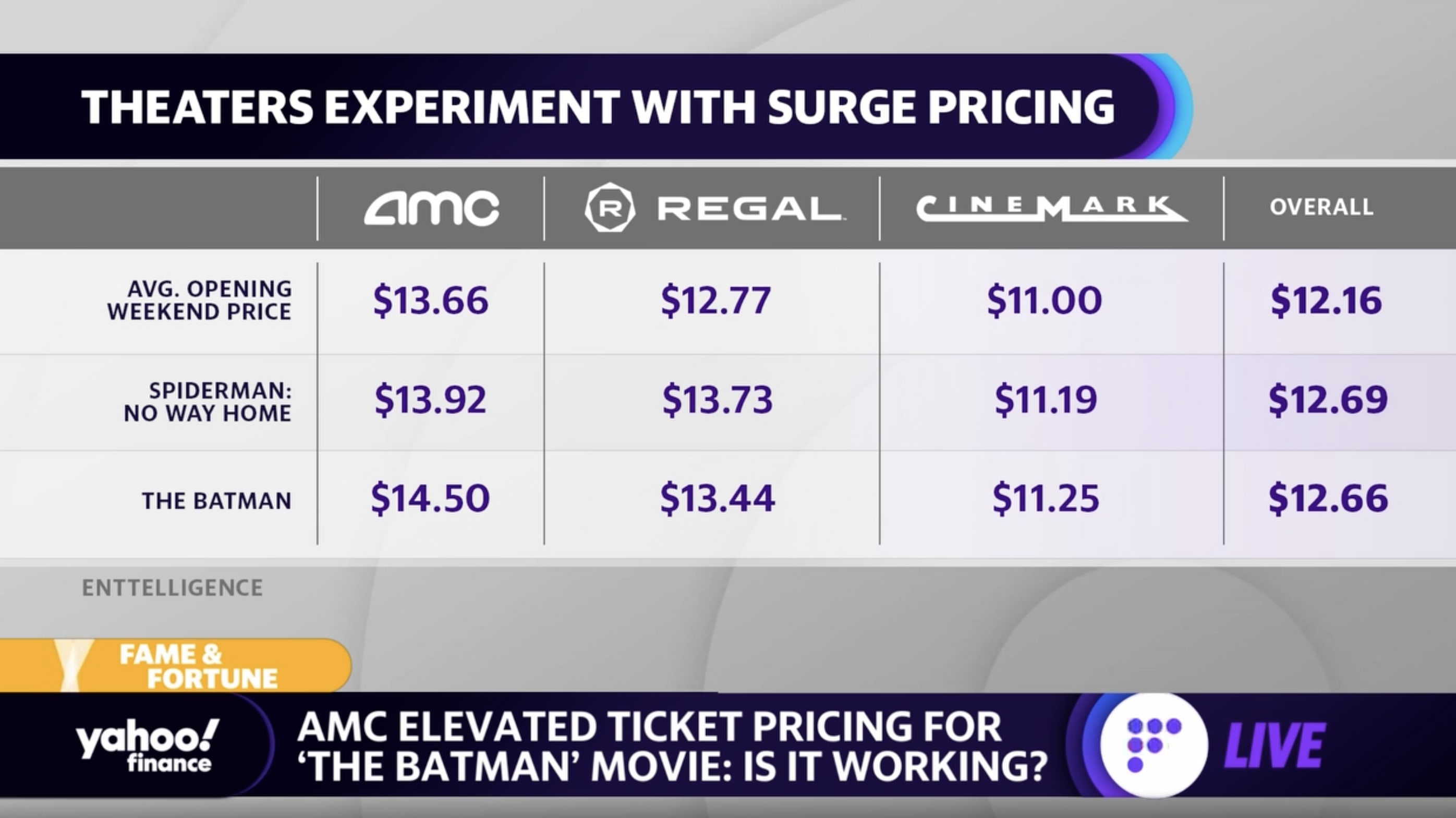
During the opening weekends of massive cultural events—such as The Batman or Avatar: The Way of Water—AMC has occasionally implemented a slight surcharge (usually $1 to $2) on tickets. This is a response to the intense demand and the high licensing fees charged by film studios. For the budget-conscious consumer, delaying a viewing by just one week can often result in a return to standard pricing, demonstrating that patience can have a direct financial reward.
Off-Peak vs. Peak Pricing Mechanics
Much like Uber’s surge pricing, movie tickets are now subject to temporal demand. Friday night and Saturday night screenings are the most expensive, while weekday afternoons are the least. By treating cinema as a commodity with fluctuating value, AMC optimizes its revenue per seat. Consumers who view their entertainment through a financial lens can exploit these fluctuations by scheduling their leisure time during “off-peak” hours, effectively securing the same product for 30% to 50% less.
Seat-Based Pricing Experiments
The “Sightline” initiative, which proposed charging more for “Preferred Sightline” seats (middle of the theater) and less for “Value Sightline” seats (front row), was a bold attempt to monetize theater real estate. While the program faced consumer pushback and was largely scaled back, it signals a future where the “cost of a movie ticket” will be as variable as the “cost of a concert ticket.” Being aware of these shifts allows consumers to make informed choices about where they sit and what they pay.
Maximizing Your Entertainment ROI
Navigating the costs of AMC movie tickets requires a blend of loyalty program optimization and disciplined spending habits. To truly master the financial aspect of movie-going, one must look beyond the base ticket price.
Leveraging Loyalty Points and Digital Rewards
The AMC Stubs program (Insider, Premiere, and A-List tiers) is a vital tool for cost reduction. For every dollar spent on tickets and concessions, members earn points that can be converted into $5 rewards. From a cash-back perspective, this functions similarly to a high-yield credit card for entertainment. When combined with a credit card that offers “entertainment” as a bonus category (often 3% to 4% cash back), the effective cost of the movie ticket continues to drop.
The Financial Impact of the Concession Stand
It is a well-known fact in the business of cinema that theaters make the majority of their profit from the concession stand, not the ticket office. Profit margins on popcorn and soda often exceed 800%. For the consumer, this is where the “cheap movie” becomes an “expensive night.” Strategic consumers often utilize the rewards earned from their ticket purchases to offset the cost of snacks, or they choose to dine before or after the film at a venue with more competitive pricing.
Corporate and Third-Party Discounts
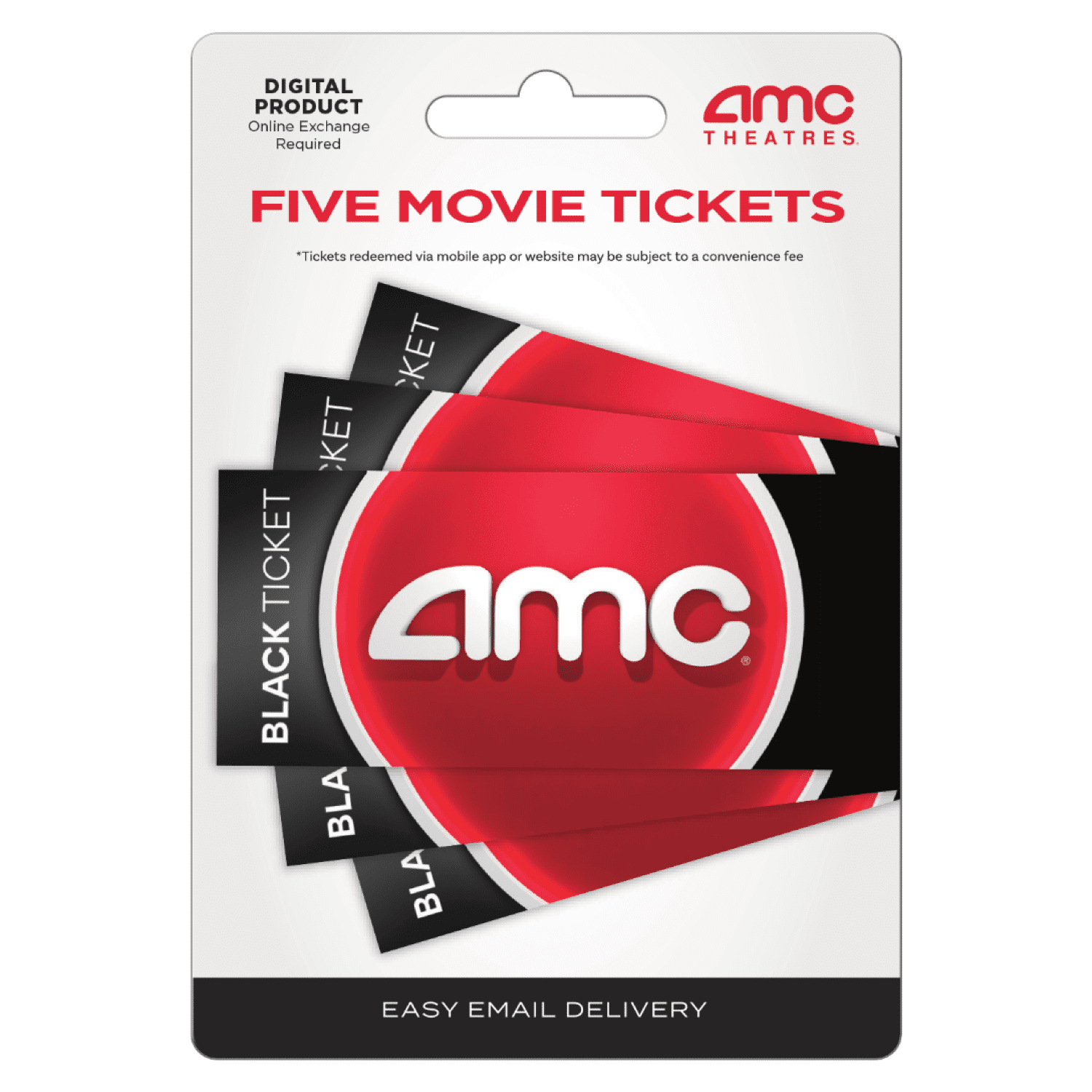
Finally, savvy spenders should look to third-party financial tools and corporate perks. Many warehouse clubs like Costco or Sam’s Club offer discounted AMC gift cards (e.g., $100 of credit for $85). Additionally, many employee benefit programs and insurance providers (like AAA) offer discounted “Yellow” or “Black” tickets. By pre-purchasing credit or tickets at a discount, the consumer ensures they are never paying the “retail” price at the box office.
In conclusion, the question of “how much are AMC movie tickets” is the starting point for a broader conversation about value, strategy, and personal finance. By understanding the regional, temporal, and format-based variables that drive pricing, and by leveraging subscription models and loyalty programs, consumers can enjoy the premium cinematic experience without compromising their financial goals. In the modern economy, being an informed consumer is the only way to ensure that the “magic of the movies” remains a sustainable part of a healthy financial life.
aViewFromTheCave is a participant in the Amazon Services LLC Associates Program, an affiliate advertising program designed to provide a means for sites to earn advertising fees by advertising and linking to Amazon.com. Amazon, the Amazon logo, AmazonSupply, and the AmazonSupply logo are trademarks of Amazon.com, Inc. or its affiliates. As an Amazon Associate we earn affiliate commissions from qualifying purchases.