
For many Americans, a trip to an AMC Theatre is a staple of weekend entertainment. However, the days of walking up to a box office and handing over a single five-dollar bill for any movie at any time are long gone. In the modern financial landscape, the question “how much is it for a movie ticket at AMC?” does not have a single answer. Instead, it is the starting point of a complex discussion regarding dynamic pricing, geographic market variations, and the subscription economy.
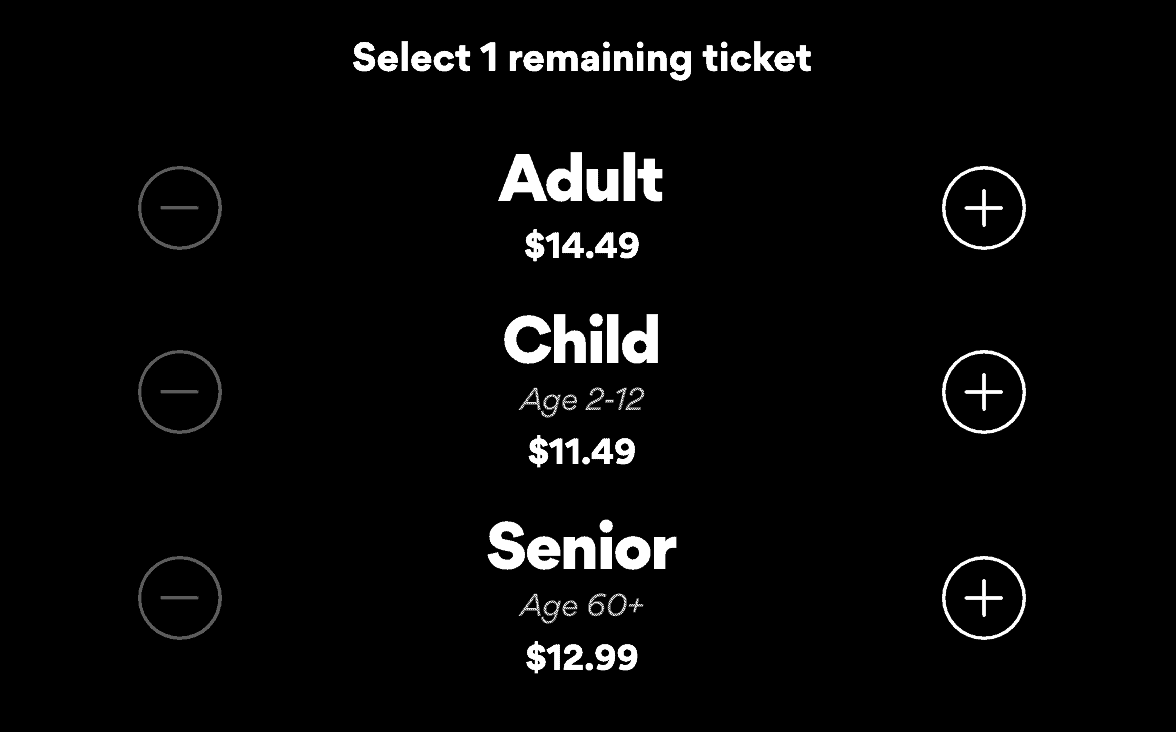
Understanding the cost of an AMC ticket requires an analytical look at how the world’s largest theater chain manages its revenue streams and how consumers can navigate these costs to maximize their personal entertainment budgets.
1. Understanding the Variables of AMC Ticket Pricing
The price of an AMC movie ticket is not static; it is a fluid figure influenced by a multitude of economic factors. To understand what you will pay at the register, one must account for geography, timing, and the specific technology utilized for the screening.
Geographic Market Fluctuations
The most significant variable in ticket pricing is location. AMC operates theaters in high-cost-of-living urban centers like New York City and Los Angeles, as well as in smaller suburban markets. In Manhattan, a standard adult evening ticket can easily exceed $18 to $20. Conversely, in a mid-sized town in the Midwest, that same ticket might be priced between $10 and $13. This discrepancy is a direct reflection of the local real estate costs, labor wages, and the purchasing power of the local demographic.
The Impact of “Sightline” and Dynamic Pricing
Recently, AMC has experimented with “Sightline” pricing, a model familiar to those who frequent concerts or sporting events. Under this financial structure, seats in the “Value Sightline” (typically the front row) are priced lower, while “Preferred Sightline” seats (the middle of the theater) carry a premium. While this has met with varied consumer feedback, it represents a shift toward a more sophisticated revenue management system designed to squeeze maximum value out of high-demand real estate within the auditorium.
Format Premiums: From Standard to IMAX
The “base price” of a ticket often refers to a standard digital 2D screening. However, AMC’s financial model relies heavily on “Premium Large Formats” (PLF). If a consumer chooses IMAX, Dolby Cinema, or AMC Prime, they should expect to pay a surcharge ranging from $5 to $10 per ticket. These surcharges cover the licensing fees for the technology and the significant capital expenditure required to maintain high-end audio-visual equipment. For the consumer, this becomes a value proposition: is the enhanced experience worth a 40% to 60% increase in the ticket price?
2. The Subscription Shift: AMC Stubs A-List as a Financial Strategy
As the “subscriptionization” of the economy continues, AMC has pivoted from a transactional business model to a recurring revenue model. For the frequent moviegoer, the most important financial tool available is the AMC Stubs A-List program.
Analyzing the Return on Investment (ROI)
For a monthly fee—typically ranging from $19.95 to $24.95 depending on the state—A-List members can see up to three movies per week. From a personal finance perspective, the “break-even” point for this subscription is remarkably low. If a standard ticket in your area costs $15, seeing just two movies a month makes the subscription profitable for the consumer. For those who enjoy IMAX or Dolby Cinema, where tickets can hit $22, the subscription pays for itself with a single visit.
Comparative Analysis with Other Models
Unlike the ill-fated MoviePass, which struggled with a sustainable burn rate, AMC’s A-List is built on internal margins. Because AMC owns the theaters, they are essentially “buying” the tickets from themselves at cost while retaining the customer for high-margin concession sales. For the consumer, this provides a predictable monthly entertainment expense, removing the “sticker shock” of rising individual ticket prices.
The Tiers of Loyalty: Insider vs. Premiere
For those who do not go to the movies frequently enough to justify A-List, AMC offers “Insider” (free) and “Premiere” (paid annual fee) tiers. From a money-management standpoint, even the free Insider tier is essential. It provides “Discount Tuesdays,” where tickets are often slashed to $5 or $7. For a family of four, utilizing Discount Tuesdays instead of a Friday night screening can result in a direct saving of over $40, a significant margin for any household budget.
3. Hidden Costs and Savings: Navigating the Total Transaction
The ticket price is rarely the final cost of a night at the movies. To accurately answer “how much it costs,” one must look at the ancillary fees and the “hidden” economy of the cinema.
The Convenience Fee Conundrum
When purchasing tickets through third-party apps or even the AMC website, consumers are often met with a “convenience fee” per ticket, usually ranging from $1.50 to $2.50. While this may seem negligible for a single ticket, it represents a 10-15% tax on the transaction. One of the primary financial benefits of joining the Stubs Premiere or A-List tiers is the waiver of these fees. Over a year, a moviegoer seeing 10 films could save $20 in fees alone—effectively paying for the Premiere membership.
The “Popcorn Economy” and Margin Management
It is a well-known fact in business finance that movie theaters make very little profit on the tickets themselves, as a large percentage of the gate goes back to the film studios (often up to 60-70% in the opening weeks). The real profit lies in concessions. The markup on popcorn and soda can exceed 900%. From a consumer’s financial perspective, the “combo” deals are rarely a bargain. Smart consumers manage their “total trip cost” by utilizing rewards points earned from ticket purchases to offset the high cost of snacks.
Tax and Regional Surcharges
It is also worth noting that the advertised price often excludes sales tax. Depending on the state and municipality, an additional 5% to 10% may be added at the final checkout screen. In some luxury “Dine-In” AMC locations, an additional service charge may be applied to cover the labor costs of seat-side service, further inflating the “true cost” of the ticket.
4. Market Positioning and the Future of Theatrical Revenue
AMC’s pricing strategy does not exist in a vacuum; it is a response to the competitive landscape of the broader entertainment industry.
Competing with the Streaming Cost-Basis
The greatest financial challenge for AMC is the “home theater” comparison. When a Netflix or Disney+ subscription costs $15 a month for an entire household, a $60 night out for a family at AMC is a hard sell. AMC compensates for this by positioning the theater as a “premium event” experience. By raising ticket prices but improving seat quality (recliners) and technology, they are targeting a consumer segment that is willing to pay more for a superior experience rather than a high volume of cheap tickets.
Inflation and the Rising Cost of Operations
Like any business, AMC is subject to the pressures of inflation. Increased utility costs to heat and cool massive auditoriums, rising minimum wages, and the cost of physical goods (like popcorn kernels and CO2 for soda) all put upward pressure on ticket prices. When consumers notice a $0.50 or $1.00 increase in ticket prices year-over-year, they are witnessing AMC’s attempt to maintain its EBITDA (Earnings Before Interest, Taxes, Depreciation, and Amortization) margins in a volatile economy.
The Strategic Use of “Event Pricing”
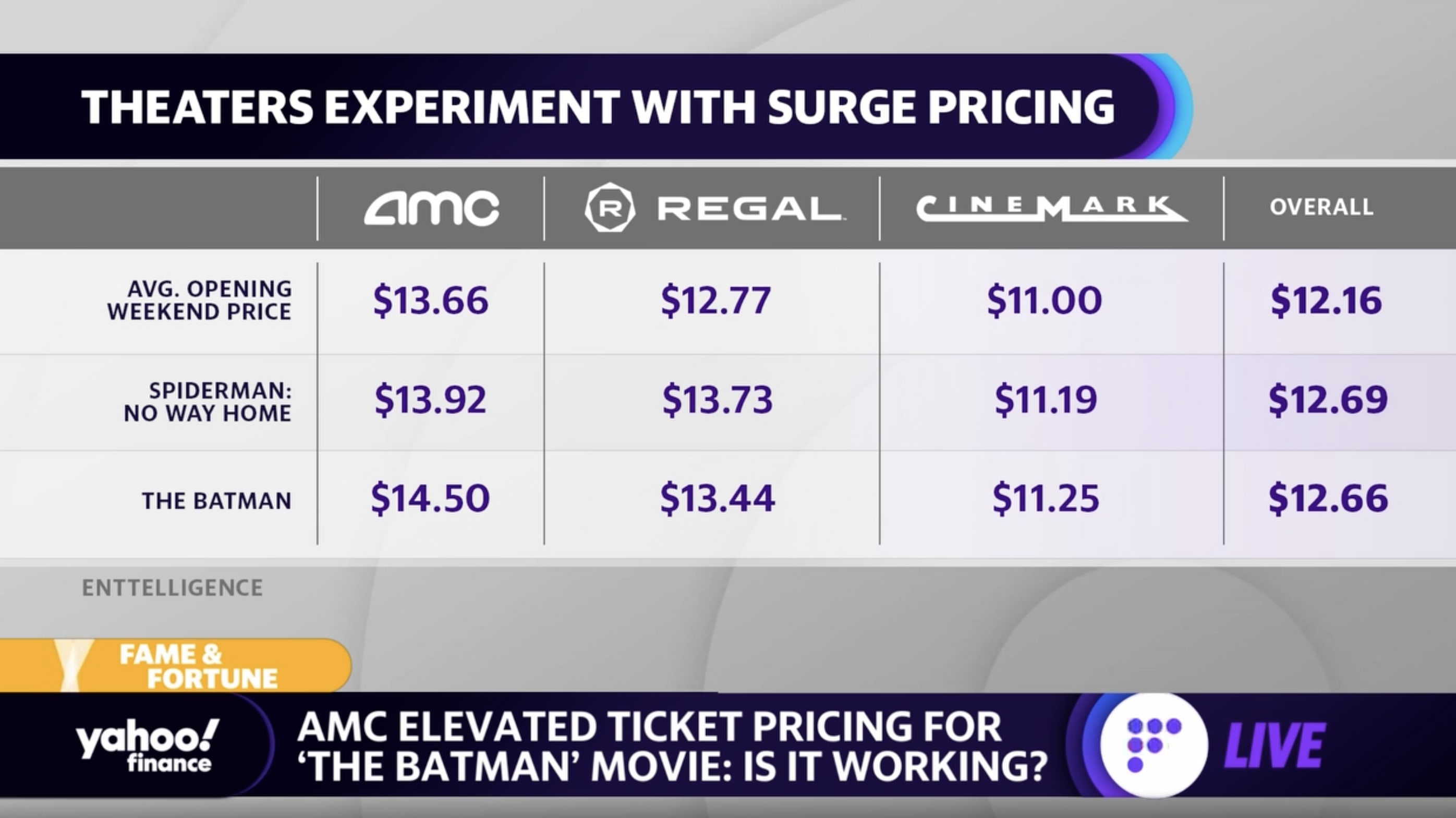
For “blockbuster” releases—think Avatar or major Marvel installments—AMC occasionally employs event pricing. During the opening weekend of a massive cultural phenomenon, prices may be slightly higher than for a standard mid-week indie film. This is a classic supply-and-demand financial model: when demand is at its peak and capacity is limited, the price increases to find the market equilibrium.
Conclusion: Maximizing Value in the AMC Ecosystem
So, how much is it for a movie ticket at AMC? While the raw number might fluctuate between $5 and $25, the effective cost is determined by the consumer’s financial strategy. By understanding the variables of timing, location, and format, and by leveraging the subscription math of the A-List program, a savvy moviegoer can significantly reduce their price-per-visit.
In the modern economy, cinema attendance is no longer a simple transaction; it is a managed expense. Whether you are a casual viewer looking for a Discount Tuesday bargain or a cinephile utilizing a subscription to see twelve IMAX movies a month, navigating AMC’s pricing structure requires a keen eye for value. As the theatrical landscape continues to evolve, those who treat their movie-going as a financial calculation will find that the “magic of the movies” doesn’t have to come at a premium price.
aViewFromTheCave is a participant in the Amazon Services LLC Associates Program, an affiliate advertising program designed to provide a means for sites to earn advertising fees by advertising and linking to Amazon.com. Amazon, the Amazon logo, AmazonSupply, and the AmazonSupply logo are trademarks of Amazon.com, Inc. or its affiliates. As an Amazon Associate we earn affiliate commissions from qualifying purchases.