
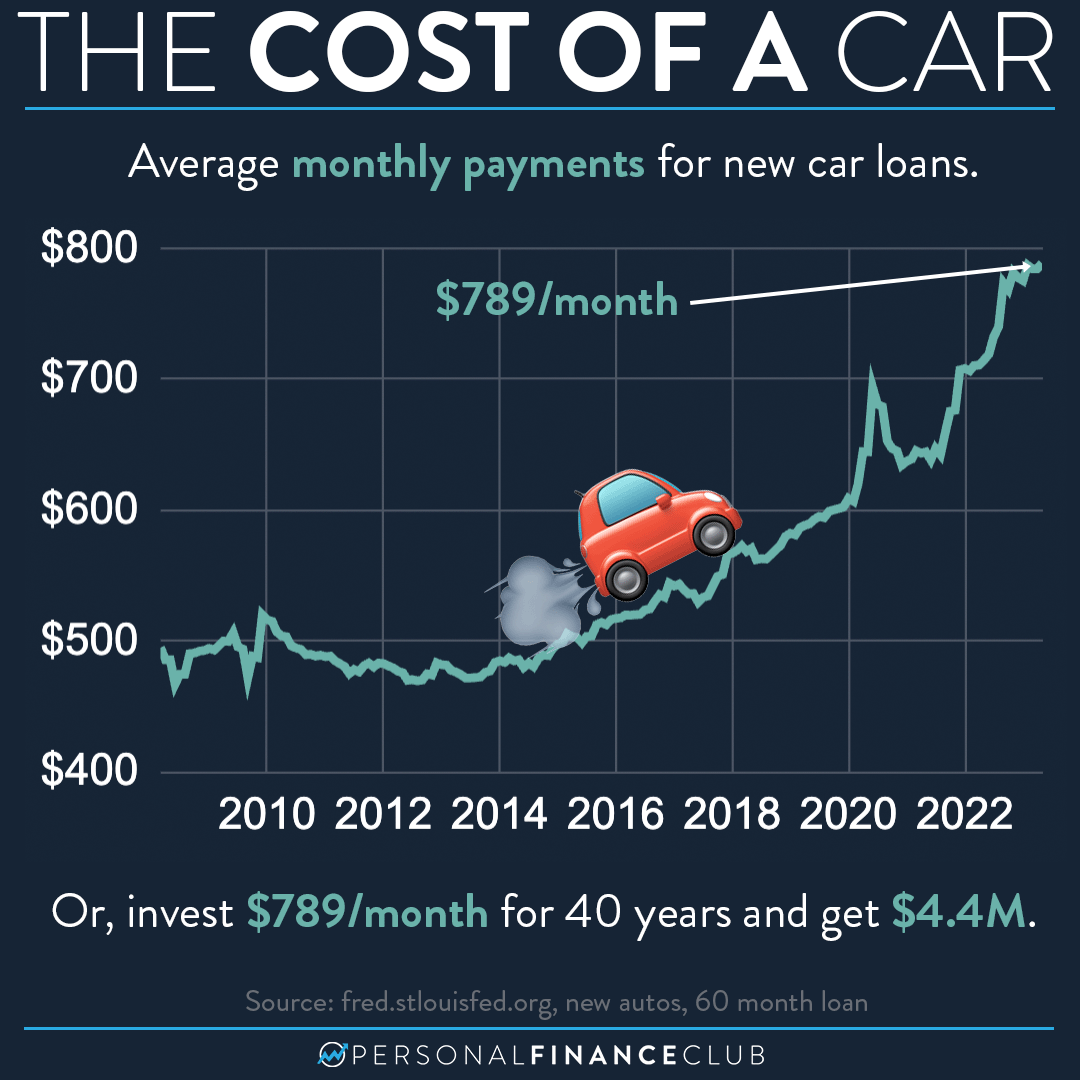
For the vast majority of households, a vehicle is the second-largest purchase they will ever make, trailing only the acquisition of a home. Consequently, the question “How much is a car payment?” is one of the most significant inquiries in personal finance. As of recent years, the answer has become increasingly complex. With rising vehicle prices, fluctuating interest rates, and evolving loan terms, the average monthly payment for a new vehicle has soared above $700, while used car payments often exceed $500.
Understanding the mechanics of a car payment is not just about knowing a single number; it is about understanding the intersection of debt management, asset depreciation, and cash flow. This guide explores the foundational elements of auto financing, the strategies to optimize your monthly costs, and the long-term financial implications of taking on a car loan.

Understanding the Components of a Car Payment
Before signing a contract, it is vital to dissect what actually makes up that monthly figure. A car payment is not a monolithic expense; it is a composite of several financial levers that can be adjusted to fit a budget.
The Principal Amount and Vehicle Pricing
The principal is the actual amount of money you borrow to purchase the car. This is determined by the “out-the-door” price, which includes the negotiated cost of the vehicle, sales tax, title and registration fees, and any dealer add-ons. The larger the principal, the higher the monthly payment. Financial experts often suggest focusing on the total purchase price rather than the monthly payment alone, as dealers can often “hide” a high purchase price by stretching the loan term.
Interest Rates and the Impact of Credit Scores
The Annual Percentage Rate (APR) is the cost of borrowing the money. Interest is the profit the lender makes for taking on the risk of your loan. Your credit score is the primary determinant of this rate. A “prime” borrower with a score above 720 might secure an interest rate below 5%, while a “subprime” borrower might face rates exceeding 15% or 20%. Over a 60-month loan, this difference can amount to thousands of dollars in extra interest, significantly inflating the monthly payment.
The Loan Term Length
The term length is the duration over which you agree to pay back the loan. Traditionally, 36 to 48 months was the standard. Today, however, 72-month and even 84-month loans have become commonplace. While a longer term lowers the monthly payment, it increases the total interest paid over the life of the loan and keeps the borrower “underwater” (owing more than the car is worth) for a longer period.
The Mathematical Formula Behind Your Monthly Bill
Understanding how a lender calculates your payment can empower you during negotiations. Auto loans are typically “amortized,” meaning the payment stays the same each month, but the ratio of interest to principal changes.
How Amortization Works in Auto Loans
In the early stages of a car loan, a larger portion of your monthly payment goes toward paying off the interest. As the principal balance decreases, the interest charged each month also drops, allowing more of your payment to be applied to the principal. This is why early trade-ins can be financially devastating; if you haven’t paid down enough principal, you may find yourself in a cycle of negative equity, where you must roll the debt of your old car into the loan for your new one.
The Power of the Down Payment
A down payment is perhaps the most effective tool a consumer has to control their monthly payment. By providing cash upfront, you reduce the principal amount from day one. A standard recommendation in personal finance is the “20% rule”—putting 20% of the vehicle’s price down. Not only does this lower the monthly obligation, but it also acts as a buffer against the rapid depreciation that occurs the moment a new car leaves the lot.
The Role of Trade-In Value
If you already own a vehicle, its trade-in value functions as a secondary down payment. Understanding the fair market value of your current asset is essential. Many consumers lose money by accepting a low-ball trade-in offer because they are focused solely on the monthly payment of the new car. Treating the trade-in as a separate financial transaction ensures you are getting the maximum equity possible to apply toward your new loan.
Strategies to Lower Your Monthly Auto Expenses
If you find that your projected car payment is too high for your budget, there are several levers you can pull to bring the cost down without necessarily sacrificing the quality of the vehicle.

Improving Your Credit Profile Before Purchase
Since interest rates are a major driver of monthly costs, taking six months to a year to improve your credit score can save you significant money. Paying down credit card balances and ensuring no missed payments can move you from one “credit tier” to another, potentially dropping your interest rate by several percentage points.
Shopping for Financing Independently
Many car buyers rely on “captive financing” offered by the dealership. However, credit unions and online lenders often offer more competitive rates. By securing a pre-approval from a third-party lender before walking into a dealership, you create a baseline. If the dealer wants your business, they will have to beat the rate you already have, effectively lowering your monthly payment through competition.
Considering Certified Pre-Owned (CPO) Vehicles
The steepest part of a car’s depreciation curve happens in the first three years. By choosing a Certified Pre-Owned vehicle, you are purchasing a car that has already taken that initial value hit. This allows you to borrow a smaller principal amount for a vehicle that is often still under warranty and in excellent condition, resulting in a much more manageable monthly payment compared to a brand-new model.
The Total Cost of Ownership: Looking Beyond the Monthly Payment
One of the most common mistakes in personal finance is equating the “car payment” with the “cost of the car.” To truly understand your financial obligation, you must calculate the Total Cost of Ownership (TCO).
Insurance, Registration, and Taxes
A more expensive car usually carries higher insurance premiums. Before committing to a monthly loan payment of $500, you should call your insurance provider to see how your premium will change. Additionally, annual registration fees and property taxes in some states are based on the vehicle’s value. These “hidden” costs can effectively add $100 or more to your monthly transportation budget.
Fuel and Maintenance Requirements
A car payment is a fixed cost, but fuel and maintenance are variable. A lower monthly payment on an older, less efficient vehicle might be offset by higher fuel costs and more frequent repairs. When budgeting, it is wise to set aside a “maintenance fund” each month. If your car payment is $400, but you need to save $100 a month for future tires and oil changes, your real monthly commitment is $500.
Depreciation: The Silent Cost
While depreciation doesn’t show up on a monthly bill, it is a real financial loss. Vehicles are depreciating assets. A car that loses 15% of its value per year is costing you money even when it’s parked in the driveway. Understanding which brands and models hold their value better can help you recoup more money when it’s time to sell, effectively lowering the “net” cost of your monthly payments over the long term.
Digital Tools and Financial Planning for Your Next Vehicle
In the modern era, there is no reason to be surprised by a car payment. Various digital tools and financial heuristics can help you determine exactly what you can afford.
Utilizing Online Amortization Calculators
Before visiting a dealership, use an online auto loan calculator. Input different scenarios: vary the down payment, the interest rate, and the term length. Seeing how a $5,000 down payment affects a 60-month loan versus a 72-month loan provides a visual representation of your financial trajectory. This preparation prevents “sticker shock” and keeps you in control of the negotiation.
The 20/4/10 Rule of Thumb
To maintain a healthy financial life, many advisors recommend the 20/4/10 rule. This suggests:
- Putting 20% down.
- Financing the car for no more than 4 years (48 months).
- Ensuring the total monthly transportation costs (payment + insurance) do not exceed 10% of your gross monthly income.
Following this rule ensures that you aren’t “car poor”—a state where so much of your income goes toward a vehicle that you are unable to save for retirement, housing, or emergencies.
Assessing the Lease vs. Buy Equation
For some, a car “payment” is a permanent fixture of their budget. In this case, leasing might be an option. Leasing typically offers lower monthly payments because you are only paying for the vehicle’s depreciation during the lease term, not the entire value of the car. However, from a long-term wealth-building perspective, buying a car and driving it for years after the loan is paid off is almost always the superior financial move. The “cheapest” car payment is the one that is $0.00 after the loan is retired.
In conclusion, “how much is a car payment” is a question that requires looking at your entire financial landscape. By understanding the components of interest and principal, focusing on the total cost of ownership, and using disciplined financial rules, you can ensure that your next vehicle is an asset to your lifestyle rather than a burden on your bank account.
aViewFromTheCave is a participant in the Amazon Services LLC Associates Program, an affiliate advertising program designed to provide a means for sites to earn advertising fees by advertising and linking to Amazon.com. Amazon, the Amazon logo, AmazonSupply, and the AmazonSupply logo are trademarks of Amazon.com, Inc. or its affiliates. As an Amazon Associate we earn affiliate commissions from qualifying purchases.