
In the history of global economics, few innovations have sparked as much debate, excitement, and transformative potential as Bitcoin. Born out of the 2008 financial crisis, Bitcoin emerged not just as a piece of software, but as a direct challenge to the traditional structures of monetary policy and centralized banking. To understand what Bitcoin is, one must look past the technical jargon and view it through the lens of personal finance, wealth preservation, and the future of global commerce.
At its core, Bitcoin is a decentralized digital currency—a “peer-to-peer electronic cash system,” as described by its pseudonymous creator, Satoshi Nakamoto. However, for the modern investor and financial enthusiast, it has evolved into something much more significant: a digital asset class that functions as a hedge against inflation and a cornerstone of the burgeoning digital economy.

The Fundamentals of Digital Currency and Decentralized Finance
To grasp the financial significance of Bitcoin, we must first understand the problem it was designed to solve. Traditional “fiat” currencies, such as the US Dollar or the Euro, are managed by central banks and governments. These entities have the power to print more money, influence interest rates, and mediate every transaction that occurs within the banking system.
Decentralization: The Shift Away from Central Banking
The primary innovation of Bitcoin is decentralization. Unlike a traditional bank account where a third party validates your balance and approves your transfers, Bitcoin operates on a distributed ledger called the blockchain. In the world of finance, this means there is no “central point of failure.” No single government can freeze a Bitcoin wallet, and no central bank can unilaterally decide to devalue the currency by increasing the supply. For the individual, this represents a radical shift toward financial sovereignty—the ability to be your own bank.
Scarcity and the 21 Million Cap
One of the most compelling financial attributes of Bitcoin is its hard-coded scarcity. While central banks can practice quantitative easing (printing money), the total supply of Bitcoin is capped at 21 million units. This supply is released at a predictable, diminishing rate through a process called “halving,” which occurs approximately every four years. From an investment perspective, this makes Bitcoin a disinflationary asset. In a world where the purchasing power of fiat currency often trends downward due to inflation, Bitcoin’s fixed supply offers a unique proposition for long-term wealth preservation.
Bitcoin as a Strategic Financial Asset
As Bitcoin has matured, its role in the financial world has shifted from a niche experiment to a recognized asset class. It is now frequently compared to “Digital Gold,” a term that highlights its utility as a store of value rather than just a medium of exchange.
The Concept of “Digital Gold” and Inflation Hedging
Gold has been the gold standard for wealth preservation for centuries because it is scarce, durable, and difficult to extract. Bitcoin shares these properties but adds the benefits of the digital age: it is easily portable, infinitely divisible, and instantly verifiable across the globe. For the personal investor, Bitcoin serves as a “hard money” alternative. When traditional markets face volatility or when national currencies lose value, Bitcoin often attracts capital from those looking to protect their net worth from the “hidden tax” of inflation.
Role in a Diversified Investment Portfolio
Modern portfolio theory suggests that diversification is key to managing risk. Historically, Bitcoin has shown a relatively low correlation with traditional assets like stocks and bonds over long time horizons. Adding a small percentage of Bitcoin to a traditional portfolio can potentially increase the overall Sharpe ratio—a measure of risk-adjusted return. While the price of Bitcoin is famously volatile in the short term, its long-term growth trajectory has made it one of the best-performing assets of the last decade. Financial advisors are increasingly looking at Bitcoin not as a speculative gamble, but as a “high-upside” component of a balanced financial strategy.
Navigating the Bitcoin Ecosystem: Acquisition and Management
For those looking to integrate Bitcoin into their financial lives, the ecosystem has become significantly more user-friendly over the last several years. What was once the domain of tech-savvy “miners” is now accessible to anyone with a smartphone and a bank account.
Methods of Acquisition: From Exchanges to ETFs
There are several ways to enter the Bitcoin market depending on an individual’s financial goals and comfort level:
- Centralized Exchanges (CEXs): Platforms like Coinbase or Binance allow users to buy Bitcoin using traditional currency. These are the most common entry points for retail investors.
- Bitcoin ETFs: The recent approval of Spot Bitcoin Exchange-Traded Funds (ETFs) has revolutionized how institutional and conservative investors approach the asset. An ETF allows you to gain exposure to Bitcoin’s price movements within a traditional brokerage account, without the need to manage digital keys.
- Peer-to-Peer (P2P) Trading: For those prioritizing privacy, P2P platforms allow individuals to buy and sell directly with one another.
Custody and Financial Security: Private Keys and Wallets
In the world of personal finance, the “custody” of your assets is paramount. When you hold money in a bank, the bank is the custodian. With Bitcoin, you have a choice.
- Third-Party Custody: Leaving your Bitcoin on an exchange is convenient but carries “platform risk.”
- Self-Custody: This is the pinnacle of the “Money” niche’s focus on security. By using a hardware wallet (a physical device that stores “private keys” offline), an investor ensures that they alone have access to their funds. This removes the risk of exchange hacks or corporate insolvency, embodying the mantra: “Not your keys, not your coins.”
The Economic Impact and Future Outlook
Bitcoin is no longer just a personal finance tool; it is a macroeconomic force. Its influence is expanding into corporate balance sheets and even national treasuries, signaling a major shift in how the world perceives “money.”
Institutional Adoption and Corporate Balance Sheets
A significant turning point for Bitcoin’s legitimacy occurred when major corporations began adding it to their balance sheets. Companies like MicroStrategy and Tesla recognized that holding large amounts of cash (fiat) in a high-inflation environment was a liability. By converting cash reserves into Bitcoin, these firms are treating Bitcoin as a primary reserve asset. This institutional “stamp of approval” has helped stabilize the market and has paved the way for pension funds and insurance companies to consider similar allocations.
Regulatory Evolution and Its Influence on Market Value
As Bitcoin becomes a larger part of the financial landscape, regulation is inevitable. While some investors fear government intervention, clear regulatory frameworks are generally seen as a “bullish” (positive) sign for the money niche. Regulation provides the legal certainty needed for massive institutional capital to flow into the market safely. As countries develop tax laws and compliance standards for digital assets, Bitcoin moves further away from the “wild west” and closer to being a foundational element of the global financial system.
Conclusion: The New Frontier of Personal Finance
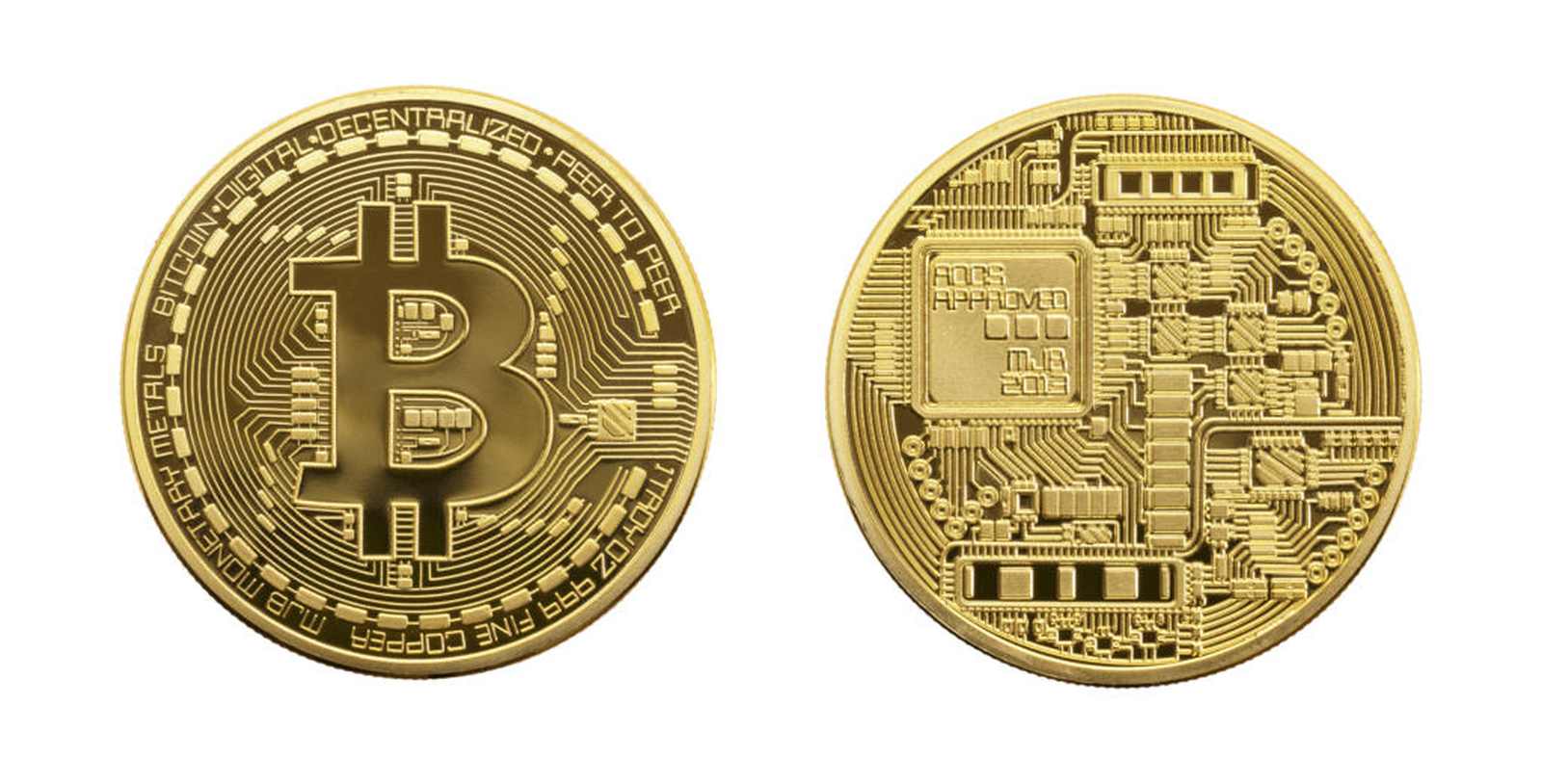
Bitcoin represents the first time in history that individuals have access to a global, borderless, and permissionless financial system. It combines the scarcity of gold with the speed of the internet, creating a unique tool for wealth generation and protection.
For the modern investor, “What is Bitcoin?” is no longer a question of technology, but a question of strategy. It is a tool for hedging against monetary debasement, a vehicle for long-term capital appreciation, and a gateway to a more transparent financial future. Whether viewed as a speculative asset or the future of global reserve currency, Bitcoin has undeniably earned its place at the center of the modern financial conversation. Understanding its value today is the first step toward navigating the economy of tomorrow.
aViewFromTheCave is a participant in the Amazon Services LLC Associates Program, an affiliate advertising program designed to provide a means for sites to earn advertising fees by advertising and linking to Amazon.com. Amazon, the Amazon logo, AmazonSupply, and the AmazonSupply logo are trademarks of Amazon.com, Inc. or its affiliates. As an Amazon Associate we earn affiliate commissions from qualifying purchases.