
Bitcoin has transitioned from a niche experiment in cryptography to a cornerstone of the modern financial landscape. Often referred to as “digital gold,” it represents a fundamental shift in how we perceive value, scarcity, and monetary sovereignty. For those looking to enter the space, the question of “how to get Bitcoin” is no longer just about technical prowess; it is about choosing the right financial path based on risk tolerance, capital, and long-term goals.
Whether you are looking to diversify a traditional portfolio, start a side hustle, or integrate cryptocurrency into your daily spending, there are several distinct avenues to explore. This guide breaks down the primary methods of acquiring Bitcoin through the lens of personal finance and strategic investment.
1. Navigating Digital Marketplaces: Centralized and Decentralized Exchanges
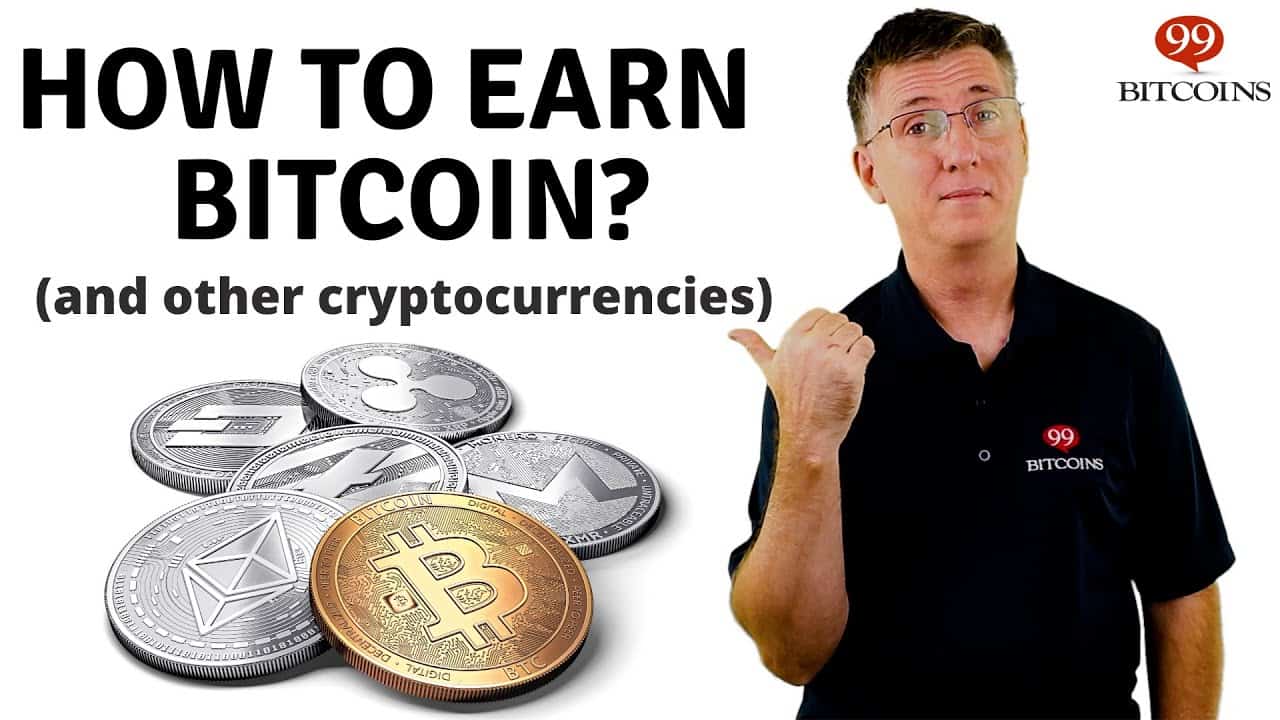
For the vast majority of people, the most direct and efficient way to acquire Bitcoin is through an exchange. These platforms act as a bridge between the traditional banking system (fiat currency) and the world of digital assets.
Centralized Exchanges (CEX)
Centralized exchanges like Coinbase, Binance, and Kraken are the “on-ramps” of the crypto world. They offer a user-friendly experience similar to traditional online brokerage accounts. To get started, a user typically undergoes a “Know Your Customer” (KYC) process, which involves verifying their identity with a government ID. Once verified, you can link a bank account or credit card to purchase Bitcoin directly.
The primary advantage of a CEX is liquidity and ease of use. You can execute trades instantly and often set “limit orders,” allowing you to buy Bitcoin only when it hits a specific price target. However, from a financial security perspective, it is important to remember the adage: “Not your keys, not your coins.” While these platforms are convenient for buying, long-term investors often move their assets to private wallets for better security.
Peer-to-Peer (P2P) and Decentralized Options
For those who prefer a more direct approach or wish to avoid a central intermediary, P2P platforms like Paxful or Bisq allow individuals to buy Bitcoin directly from one another. On a P2P marketplace, you can browse listings from sellers who accept various payment methods, including bank transfers, PayPal, or even gift cards.
While P2P offers more privacy and flexibility in payment methods, it requires a higher level of caution. Reputable platforms use escrow services to ensure that the seller releases the Bitcoin once the buyer’s payment is confirmed, minimizing the risk of fraud.
Bitcoin ATMs
For immediate, physical-to-digital transactions, Bitcoin ATMs (BTMs) have become increasingly common in retail spaces worldwide. These machines allow you to insert cash and have Bitcoin sent directly to your mobile wallet. While convenient, BTMs often carry the highest transaction fees in the industry—sometimes ranging from 7% to 15%—making them a less ideal choice for the budget-conscious investor.
2. Mining Bitcoin: Turning Energy and Hardware into Digital Capital
Mining was the original method of acquiring Bitcoin, and it remains the backbone of the network’s security. While the days of mining thousands of Bitcoins on a home laptop are long gone, it remains a viable, albeit capital-intensive, business venture.
The Mechanics of Proof of Work
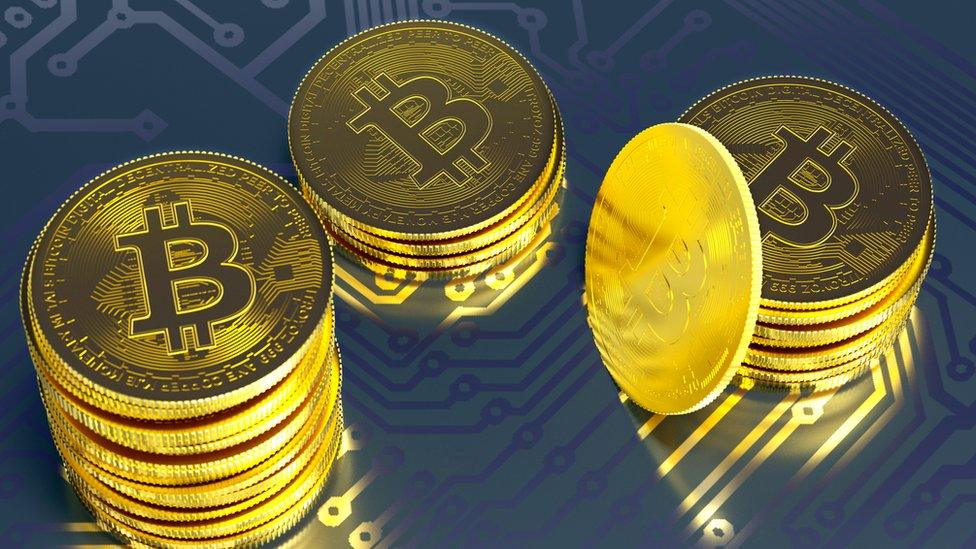
Bitcoin mining involves using specialized hardware—known as ASICs (Application-Specific Integrated Circuits)—to solve complex mathematical puzzles. This process validates transactions on the network, and in exchange for this “work,” miners are rewarded with newly minted Bitcoin and transaction fees. From a financial standpoint, mining is essentially a way to convert electricity and hardware depreciation into a liquid asset.
Individual vs. Pool Mining
Because the competition for block rewards is so high, individual miners rarely find blocks on their own. Instead, most miners join a “Mining Pool,” where they combine their computational power with others. When the pool successfully mines a block, the reward is distributed among all participants based on the amount of power they contributed. This provides a more consistent, albeit smaller, stream of income compared to the “lottery” style of solo mining.
Cloud Mining and its Financial Risks
For those who do not want to manage physical hardware, cloud mining allows users to “rent” hashing power from a data center. You pay a fee, and the company mines on your behalf, sending a portion of the profits to your account. However, the personal finance community generally views cloud mining with skepticism. Many such operations have thin profit margins after fees, and the sector has historically been prone to fraudulent schemes. Genuine hardware ownership or direct purchasing is usually considered a more sound financial move.
3. Earning Bitcoin: Integrating Crypto into Your Income Stream
If you prefer not to risk your current savings, you can acquire Bitcoin by earning it. This approach turns Bitcoin into a form of “online income” or a “side hustle,” allowing you to accumulate the asset through labor or consumer habits.
Freelancing and Professional Services
The gig economy has embraced Bitcoin. Many freelancers in fields like software development, writing, and digital marketing now accept Bitcoin as payment. Platforms like Bitwage allow employees to receive a percentage of their traditional salary in Bitcoin, automatically converting fiat to crypto before it hits their wallet. This is an excellent way to “stack sats” (accumulate small fractions of Bitcoin) without having to manually execute trades.
Bitcoin Cashback and Rewards
One of the easiest ways to get Bitcoin with zero upfront investment is through rewards programs. Apps like Lolli and Fold allow users to earn Bitcoin back on everyday purchases at major retailers. Instead of earning 1.5% back in “reward points” or cash, you earn that value in Bitcoin. Over a long timeframe, if the price of Bitcoin appreciates, these small rewards can grow into a significant financial holding.
Micro-tasks and Content Creation
Newer social media and content platforms integrated with the Lightning Network (a “Layer 2” payment protocol) allow users to earn small amounts of Bitcoin for creating content or engaging with others. Sites like Stacker News or Fountain (a podcasting app) reward users with “tips” in Bitcoin. While these won’t make you wealthy overnight, they represent a low-risk entry point into the ecosystem.
4. Strategic Financial Management: Holding and Securing Your Investment
Acquiring Bitcoin is only the first half of the journey; the second half is managing that acquisition as part of a broader financial strategy. Because Bitcoin is a volatile asset, how you buy and how you store it will dictate your long-term success.
Dollar-Cost Averaging (DCA)
The most recommended strategy for the average investor is Dollar-Cost Averaging. Instead of trying to “time the market” and buy at the absolute bottom, you invest a fixed amount of money at regular intervals (e.g., $50 every week). This strategy smooths out volatility; you buy more when the price is low and less when the price is high. Over time, DCA reduces the emotional stress of investing and often results in a lower average cost basis.
Custody and Security: Protecting Your Capital
In the world of personal finance, your Bitcoin is an asset that must be protected. There are two main ways to store your Bitcoin:
- Hot Wallets: These are apps on your phone or computer. They are convenient for frequent transactions but are connected to the internet, making them slightly more vulnerable to hacks.
- Cold Storage (Hardware Wallets): These are physical devices that keep your private keys offline. For any significant amount of Bitcoin, cold storage is the gold standard for security. It ensures that your “digital gold” is safe from online threats.
Tax Obligations and Record Keeping
From a business and personal finance perspective, it is crucial to treat Bitcoin like any other investment. In many jurisdictions, Bitcoin is taxed as property. This means that every time you sell Bitcoin or use it to buy a coffee, you may be triggering a capital gains tax event. Keeping meticulous records of your “basis” (the price at which you acquired the Bitcoin) and the “fair market value” at the time of any trade is essential for staying compliant with financial regulations.

Conclusion
Getting Bitcoin is no longer the technical hurdle it once was. Whether you choose the convenience of a centralized exchange, the industrial approach of mining, or the low-risk method of earning rewards, the opportunities to enter the market are diverse.
For the modern investor, the key is to match the method with your financial goals. By utilizing strategies like Dollar-Cost Averaging and prioritizing secure self-custody, you can turn the acquisition of Bitcoin into a powerful tool for long-term wealth preservation. As the financial world continues to digitize, understanding how to effectively navigate the Bitcoin ecosystem is becoming an essential skill for the 21st-century saver.
aViewFromTheCave is a participant in the Amazon Services LLC Associates Program, an affiliate advertising program designed to provide a means for sites to earn advertising fees by advertising and linking to Amazon.com. Amazon, the Amazon logo, AmazonSupply, and the AmazonSupply logo are trademarks of Amazon.com, Inc. or its affiliates. As an Amazon Associate we earn affiliate commissions from qualifying purchases.