
The landscape of television has undergone a monumental transformation, shifting dramatically from a simple broadcast medium to a complex ecosystem of digital delivery. The phrase “how to live TV” in today’s context is no longer about plugging in a coaxial cable to a wall jack; it’s an exploration of sophisticated technologies, diverse platforms, and personalized viewing experiences that bring real-time content to screens across the globe. This guide delves into the technological underpinnings and practical applications that define how we access and consume live television in the 21st century.

The Evolution of Live TV Consumption
To understand where we are, it’s crucial to acknowledge the journey of live television, a journey marked by technological innovation and shifting consumer preferences. The very essence of “live TV” – content broadcast as it happens – has remained constant, but the methods of delivery have revolutionized countless times.
From Antennas to Cable: A Brief History
For decades, accessing live television primarily meant relying on over-the-air (OTA) broadcasts, picked up by rooftop antennas. This era was characterized by a limited number of channels, variable signal quality influenced by geography and weather, and a collective national viewing experience. The introduction of cable television in the mid-20th century marked the first major paradigm shift. Cable promised more channels, clearer signals, and specialized programming, fundamentally altering how content was distributed and consumed. It moved television from a free public utility to a subscription-based service, laying the groundwork for the commercial models that dominate today. Satellite television further expanded this reach, offering a similar model with broader geographical coverage.
The Cord-Cutting Revolution and Digital Transformation
The turn of the millennium, accelerated by widespread internet access and the proliferation of digital devices, ignited the “cord-cutting” phenomenon. Viewers, burdened by rising cable bills and dissatisfied with rigid programming bundles, began to seek alternatives. This movement was propelled by significant technological advancements: the shift from analog to digital broadcasting (e.g., ATSC in the US), which improved picture quality and signal reliability; the development of high-speed internet infrastructure; and the miniaturization of powerful computing devices. The rise of on-demand streaming services like Netflix demonstrated the viability of internet-delivered content, priming consumers for a similar shift in live TV consumption. The internet became not just a source of information but a primary conduit for entertainment, challenging the long-held dominance of traditional broadcasters and cable providers.
The Rise of Streaming and On-Demand Paradigms
Today, the line between “live” and “on-demand” content is increasingly blurred. While pure live broadcasts continue to thrive, especially for news and sports, many services now offer “pseudo-live” experiences, allowing viewers to start programs from the beginning, pause, rewind, or record live feeds to watch later. This flexibility, combined with the sheer volume of content available instantly, represents the current pinnacle of television consumption. This era is defined by personalization, accessibility across multiple devices, and a fragmented market where viewers curate their own entertainment portfolios from a vast array of streaming platforms.
Essential Technologies for Accessing Live TV Today
Accessing live TV in the modern era requires an understanding of the various technological pathways available. From free over-the-air broadcasts to comprehensive internet-based subscription services, each method offers distinct advantages and requires specific hardware and software.
Over-the-Air (OTA) Broadcasting with Digital Antennas
Despite the dominance of streaming, OTA broadcasting remains a vital and often overlooked method for accessing live TV. Digital antennas receive free signals from local broadcast towers, providing access to major network channels (ABC, CBS, NBC, Fox, PBS, The CW, MyNetworkTV) in high definition, often with superior picture quality than compressed cable or streaming feeds.
- What it is: Digital television (DTV) uses the Advanced Television Systems Committee (ATSC) standard for transmitting terrestrial broadcasts. A digital antenna, unlike its analog predecessor, picks up these digital signals.
- Pros/Cons: The main advantage is that it’s completely free after the initial antenna purchase. Picture quality is often pristine. Disadvantages include limited channel selection (only local networks and their sub-channels), signal reliability dependent on location and antenna strength, and the need for a tuner (often built into modern TVs or available as an external box).
- Setting Up: Installation typically involves connecting the antenna to your TV’s “Antenna In” or “RF In” port, positioning the antenna (indoor, outdoor, or attic depending on signal strength), and performing a channel scan on your television. Tools like AntennaWeb.org can help determine optimal antenna type and direction based on your address.
- ATSC 3.0 (NextGen TV): This next generation of OTA broadcasting promises even greater enhancements. It delivers 4K HDR video, immersive audio, and robust reception, along with interactive features via an internet connection. While still rolling out, new TVs are increasingly equipped with ATSC 3.0 tuners, future-proofing this free viewing option.
Live TV Streaming Services (vMVPDs)
Virtual Multichannel Video Programming Distributors (vMVPDs) are the internet’s answer to traditional cable bundles. These services deliver live channels over the internet, mimicking the cable experience but with greater flexibility and often lower costs.
- Key Players: Popular examples include YouTube TV, Hulu + Live TV, Sling TV, FuboTV, and DirecTV Stream. Each offers a different mix of channels, features, and pricing tiers.
- Features: Beyond live channels, these services typically include cloud DVR functionality (allowing users to record and store live broadcasts), on-demand libraries, and often multiple simultaneous streams, enabling different household members to watch different programs on different devices. Many integrate with existing streaming devices and smart TVs.
- Channel Lineups and Pricing Models: Understanding the specific channels offered is crucial, especially for sports fans or those with specific niche interests. Pricing varies significantly based on channel count, add-on packages (e.g., premium movie channels, sports packages), and included features. Most operate on a monthly subscription model with no long-term contracts, offering significant flexibility compared to traditional cable.
Channel-Specific Streaming Apps and Services
Beyond comprehensive vMVPDs, many individual broadcasters and content owners offer their own streaming apps and services, often including live feeds of their linear channels.
- Examples: Paramount+ offers a live feed of CBS and other ViacomCBS channels; Peacock provides live NBC programming and specific sports events; ESPN+ streams exclusive live sports; and many news organizations like CNN and Fox News have their own apps with live broadcasts.
- Accessibility: Some of these live feeds are free with ads, others require a subscription to the specific app, and some require you to “authenticate” with an existing cable or vMVPD subscription. This “TV Everywhere” model allows subscribers to access content directly through individual network apps using their existing credentials.
Smart TVs and Streaming Devices
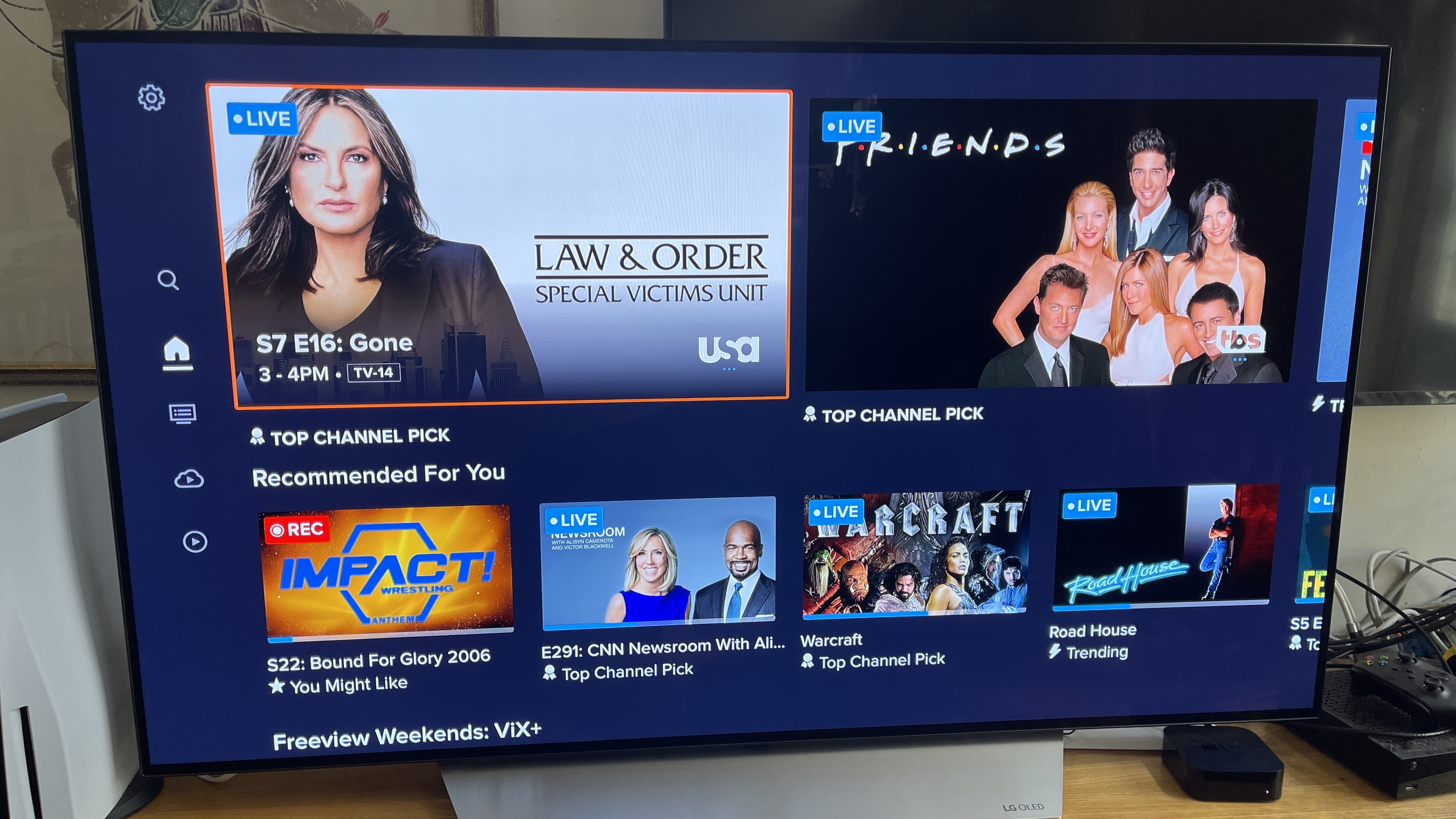
The gateway to all these digital live TV options is typically a smart TV or a dedicated streaming device.
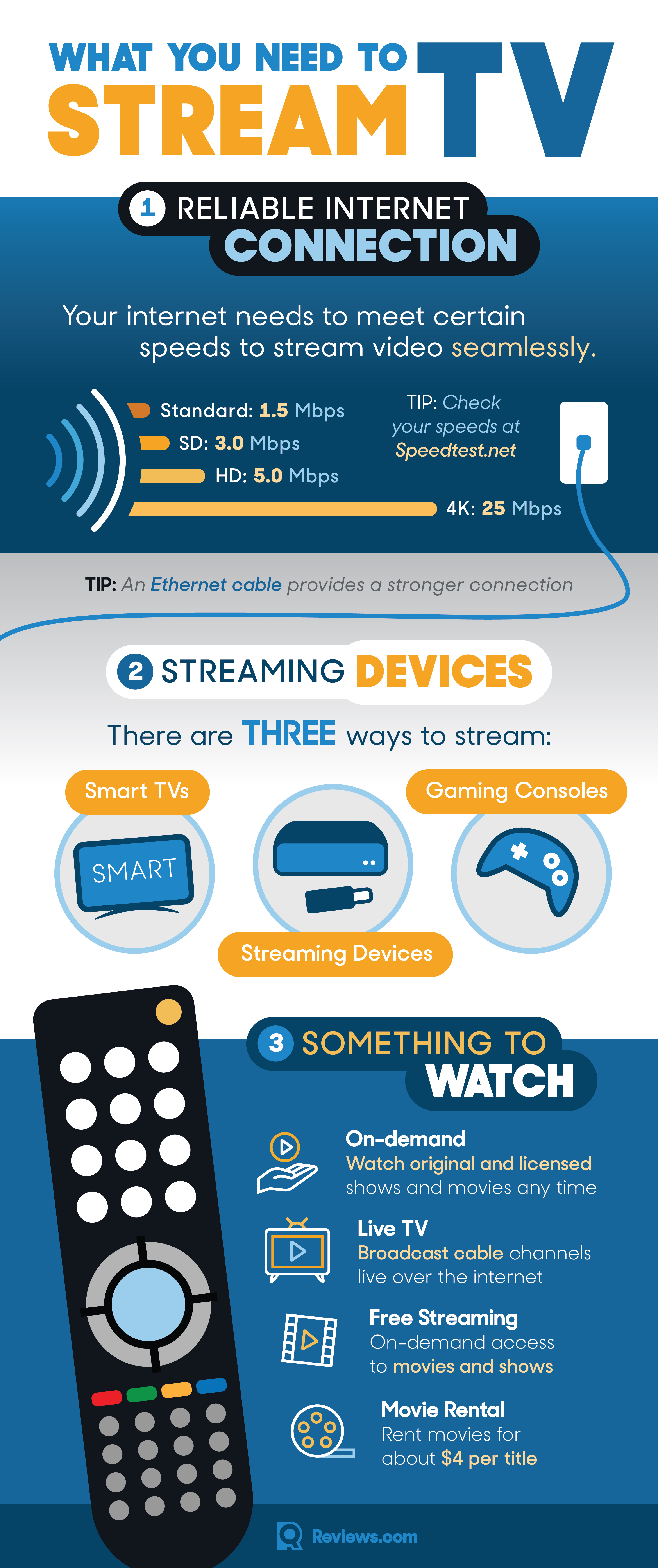
- Smart TVs: Most modern televisions are “smart,” meaning they have an operating system (e.g., Roku TV, LG webOS, Samsung Tizen, Android TV/Google TV) and built-in Wi-Fi, allowing direct access to streaming apps without additional hardware.
- Streaming Devices: For older non-smart TVs, or for users preferring a different interface or specific features, external streaming devices are essential. These include:
- Roku: Known for its user-friendly interface and vast app selection.
- Amazon Fire TV: Integrates deeply with Amazon’s ecosystem and Alexa voice control.
- Apple TV: Premium device for those in the Apple ecosystem, offering high performance and tight integration.
- Google Chromecast/Google TV: Offers excellent content discovery and integration with Google services.
- Integration and User Experience: These devices connect to your TV via HDMI and provide an operating system and app store to download and manage your streaming services. They offer seamless navigation, often with voice search capabilities, and ensure a smooth, high-quality streaming experience provided you have sufficient internet bandwidth.
Optimizing Your Live TV Experience
Achieving a seamless and enjoyable live TV streaming experience goes beyond simply subscribing to a service. It involves optimizing your home network, choosing appropriate hardware, and understanding the features at your disposal.
Internet Requirements and Bandwidth Considerations
The backbone of modern live TV is a robust internet connection. Unlike traditional broadcasts, streaming consumes significant bandwidth, especially for high-definition and 4K content.
- Speed Recommendations: For a single stream of HD content, 5-10 Mbps is generally sufficient. For 4K streams, 20-25 Mbps per stream is recommended. If multiple devices are streaming simultaneously or other internet activities (gaming, video calls) are occurring, significantly higher speeds (e.g., 100-200 Mbps or more) are advisable to prevent buffering and resolution degradation.
- Wi-Fi vs. Ethernet: While Wi-Fi offers convenience, a wired Ethernet connection to your primary streaming device provides the most stable and fastest connection, minimizing interference and latency issues that can plague wireless networks. If Wi-Fi is your only option, ensure your router is modern (Wi-Fi 5 or Wi-Fi 6), centrally located, and capable of handling multiple devices. Mesh Wi-Fi systems can extend coverage in larger homes.
Choosing the Right Streaming Device
The selection of a streaming device impacts performance, user interface, and overall ecosystem integration.
- Factors to Consider:
- Budget: Devices range from inexpensive dongles (e.g., Chromecast, Roku Express) to premium boxes (e.g., Apple TV 4K, Nvidia Shield TV Pro).
- Ecosystem: If you’re deeply invested in Apple, Amazon, or Google services, choosing a device within that ecosystem can offer enhanced integration and convenience.
- Desired Features: Look for features like 4K HDR support, Dolby Vision/Atmos, voice control, specific app availability, gaming capabilities, and ample storage for apps if that’s a priority.
- User Interface: Some interfaces are more intuitive or customizable than others. Trying out different platforms (if possible) or reading reviews can help in making a decision.
Navigating User Interfaces and Features
Mastering the features of your chosen live TV service can unlock its full potential.
- DVR Functionality: Cloud DVR is a cornerstone of most vMVPDs. Understand its limits (storage hours, expiration dates) and how to schedule recordings.
- Multi-Device Support: Most services allow streaming on multiple devices simultaneously (smartphones, tablets, computers, smart TVs). Check the maximum number of concurrent streams allowed by your subscription plan.
- Profiles: Setting up individual profiles for family members allows for personalized watch histories, recommendations, and parental controls.
- Parental Controls: Essential for families, these features allow you to restrict content based on ratings, ensuring children only access age-appropriate programming.
- Search and Discovery: Learn to utilize powerful search functions to find specific shows, movies, or live events. Many services also offer curated guides and recommendation engines.
Troubleshooting Common Issues
Even with an optimized setup, occasional issues can arise. Knowing how to troubleshoot can save time and frustration.
- Buffering: Often caused by insufficient internet speed or Wi-Fi congestion. Try restarting your router and modem, moving closer to your Wi-Fi router, or switching to an Ethernet connection. Close other bandwidth-intensive applications.
- App Crashes/Freezes: A simple restart of the app or the streaming device itself often resolves these issues. Ensure the app and device firmware are up to date.
- Signal Loss (OTA): For antenna users, repositioning the antenna, checking cable connections, or rescanning for channels can help. Obstructions or weather can temporarily impact signal.
- Picture Quality Issues: If not buffering, check your device’s display settings and the app’s playback settings to ensure it’s set to the desired resolution.
Emerging Trends and The Future of Live TV
The evolution of live TV is far from over. Emerging technologies and changing consumer behaviors continue to shape its trajectory, promising even more personalized, interactive, and high-quality experiences.
ATSC 3.0 (NextGen TV) and Its Potential
ATSC 3.0 is a game-changer for over-the-air broadcasting. Beyond 4K HDR and improved audio, its IP-based architecture enables a hybrid broadcast-broadband approach. This means OTA signals can deliver enhanced interactivity, personalized advertisements, and even seamlessly blend broadcast content with internet-delivered supplementary information, creating a richer viewing experience without consuming home internet bandwidth for the core broadcast. Its robust signal also promises better reception in challenging environments.
Personalization and AI in Live Content Delivery
The future of live TV will increasingly leverage artificial intelligence to personalize content. AI algorithms will analyze viewing habits, preferences, and even emotional responses to curate bespoke live feeds, suggesting specific events, news segments, or sports highlights that align with individual interests. Imagine a “live news feed” that prioritizes stories relevant to your locale and interests, or a sports channel that automatically switches to your favorite team’s game as soon as it starts.
The Blurring Lines: Linear vs. On-Demand
The distinction between traditional linear (scheduled) TV and on-demand content is becoming less relevant. Streaming services are integrating more live elements, while traditional broadcasters are enhancing their on-demand offerings. The rise of Free Ad-supported Streaming TV (FAST) channels, which mimic linear channels but are delivered over the internet and supported by ads, further exemplifies this convergence. These channels offer a low-friction “lean-back” experience reminiscent of traditional TV but with the flexibility of internet delivery. This trend suggests a future where users navigate a unified interface that fluidly offers both scheduled broadcasts and an expansive library of on-demand content.
Interactive and Social Live TV Experiences
The next frontier for live TV includes greater interactivity and social integration. Imagine participating in live polls during a debate, chatting with friends within a dedicated viewing party interface, or accessing real-time statistics and multi-angle views during a sports match. Technologies like augmented reality (AR) could overlay information directly onto live broadcasts, offering deeper context and engagement. The goal is to move beyond passive consumption towards an active, shared, and personalized live experience that truly leverages the capabilities of modern digital platforms.
In conclusion, “how to live TV” today is a testament to technological progress, offering unprecedented choice, flexibility, and quality. Whether through the reliability of an antenna, the comprehensive offerings of a vMVPD, or the specialized content of a niche app, consumers are empowered to tailor their viewing experience to their exact preferences, paving the way for an even more dynamic and engaging future for real-time broadcasts.
aViewFromTheCave is a participant in the Amazon Services LLC Associates Program, an affiliate advertising program designed to provide a means for sites to earn advertising fees by advertising and linking to Amazon.com. Amazon, the Amazon logo, AmazonSupply, and the AmazonSupply logo are trademarks of Amazon.com, Inc. or its affiliates. As an Amazon Associate we earn affiliate commissions from qualifying purchases.