
In the modern financial landscape, brand names often evolve into verbs. We “Google” information, we “Uber” to the airport, and perhaps most ubiquitously, we “Venmo” our friends for dinner. Since its inception, Venmo has transformed the way we handle small-scale peer-to-peer (P2P) transactions, turning the awkward exchange of crumpled twenty-dollar bills into a seamless, social-media-adjacent experience. However, as the platform has grown from a niche tool for college students into a financial behemoth owned by PayPal, the risks associated with its use have scaled accordingly.
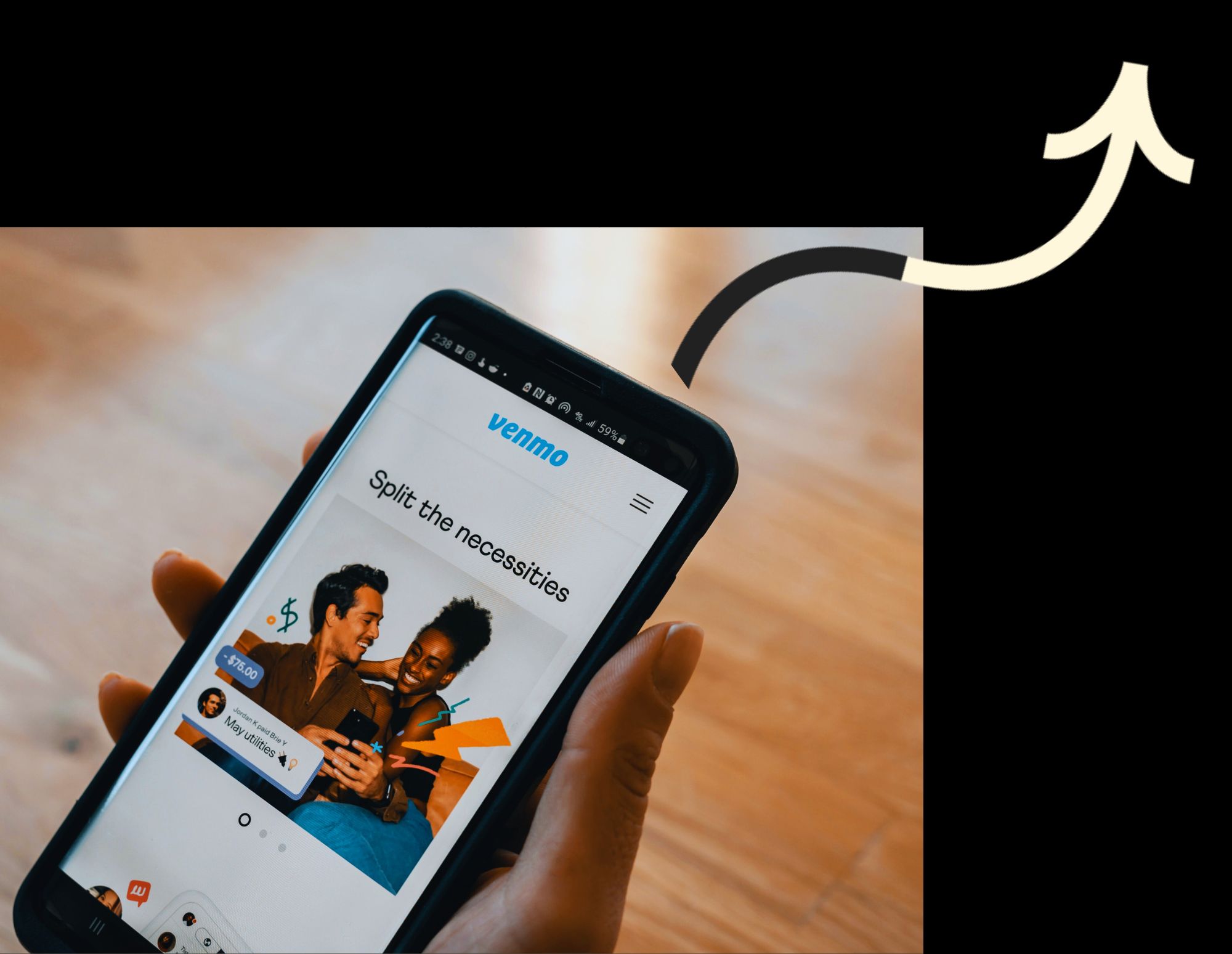
While the convenience of Venmo is undeniable, a deeper look into the mechanics of the platform reveals significant vulnerabilities. From a personal finance and wealth management perspective, Venmo often falls short of the rigorous standards provided by traditional banking institutions and even other fintech competitors. For the savvy consumer looking to protect their capital and streamline their financial health, there are several compelling reasons why Venmo should be used with extreme caution—or perhaps not at all.
The Illusion of Security: Why Peer-to-Peer Payments Lack Consumer Protection
The primary danger of Venmo lies in a fundamental misunderstanding of what the platform is. Many users treat Venmo like a digital bank account or a credit card, assuming that the same federal protections apply. In reality, Venmo is a money transfer service, and the distinction is more than just semantic; it has profound implications for your “financial safety net.”
The Regulation E Gap
In the United States, electronic fund transfers are governed by Regulation E of the Electronic Fund Transfer Act. While this provides some protection against unauthorized transactions, it is notoriously difficult to invoke when a user is “socially engineered” into sending money. Unlike a credit card, where you can easily dispute a charge for a product that never arrived or a service that was misrepresented, Venmo transactions are designed to be instantaneous and, for the most part, irreversible. If you send money to the wrong “John Smith” or fall victim to a marketplace scam, Venmo’s default stance is that the transaction was authorized by you, leaving you with virtually no recourse to recover those funds.
The Irreversibility of Mistakes
Traditional banking systems have “friction” for a reason. Wire transfers require verification, and checks can be stopped. Venmo’s greatest selling point—its speed—is also its greatest financial liability. The platform’s interface is built for velocity, not accuracy. A single typo in a username can send hundreds of dollars into the digital void. Because Venmo does not act as an escrow service, they are under no legal obligation to claw back money sent in error. For a person managing a strict budget, the loss of $500 due to a simple interface error is a catastrophic risk that traditional financial tools simply don’t impose.
Hidden Costs and the Erosion of Wealth: The Reality of Venmo Fees
To the casual user, Venmo feels free. You send $20, your friend receives $20. However, as Venmo has moved toward monetization, it has introduced a series of “micro-leaks” that can significantly erode your personal capital over time. In the world of personal finance, every percentage point matters, and Venmo’s fee structure is designed to capitalize on the user’s desire for immediacy.
Instant Transfer Premiums
One of Venmo’s most popular features is the “Instant Transfer,” which allows users to move their Venmo balance to a linked debit card or bank account within minutes. The cost of this convenience is currently 1.75% of the transfer amount (with a minimum fee of $0.25 and a maximum of $25). While 1.75% might seem negligible on a $10 lunch reimbursement, consider the cumulative effect. If a freelancer or a small-scale seller moves $5,000 through Venmo over a year and uses instant transfers, they are paying $87.50 for a service that a standard ACH transfer provides for free in 1–3 days. In an era where high-yield savings accounts are fighting to offer competitive APYs, voluntarily surrendering 1.75% of your liquidity is a poor financial move.
Business Profile Pitfalls and Transaction Surcharges
Venmo has aggressively pushed users toward “Business Profiles.” For those using the platform to sell goods or services, Venmo charges a seller fee of 1.9% plus $0.10. While this is competitive with some credit card processors, it lacks the robust merchant tools provided by platforms like Shopify or even its parent company, PayPal. Furthermore, for the consumer, using a credit card on Venmo to send money to friends incurs a 3% flat fee. This effectively negates any rewards or cashback the user might be trying to earn on that card, turning a “points-hacking” strategy into a net loss.

The Tax Man Cometh: Navigating the 1099-K Maze
Perhaps the most significant “hidden” complication of using Venmo in the current climate involves the Internal Revenue Service (IRS). For years, P2P apps were a “gray area” for casual income, but new tax regulations have brought these transactions under the microscope, creating a potential administrative nightmare for the average user.
The IRS Threshold Shift
Recent changes to tax laws (specifically regarding Form 1099-K) have aimed to lower the threshold for reporting third-party network payments. While the implementation has seen delays and adjustments, the trajectory is clear: the IRS wants a record of digital payments. If you use Venmo for a side hustle, or if you accidentally receive a large payment tagged as “goods and services” instead of “friends and family,” Venmo is required to report that income. This can lead to unexpected tax liabilities and the need for complex reconciliations at the end of the year.
Audit Risks and Record-Keeping Burdens
The social nature of Venmo makes it an auditor’s dream and a taxpayer’s nightmare. Because Venmo encourages users to include “fun” captions and emojis, the line between a personal gift and taxable income becomes blurred. If you are audited, proving that a $1,000 transfer labeled with a “house” emoji was a security deposit reimbursement from a roommate—and not taxable rental income—requires a level of record-keeping that most Venmo users do not maintain. By moving these transactions through a dedicated bank account, you create a much cleaner paper trail that protects you from the scrutiny of tax authorities.
Psychological Spending: How “Gamified” Finance Impacts Your Budget
Personal finance is as much about psychology as it is about mathematics. Venmo’s greatest innovation was the “social feed,” but from a behavioral economics perspective, this is one of its most damaging features. It gamifies the act of spending, stripping away the “pain of paying” that is essential for disciplined budgeting.
The Disconnection from Real Value
When you pay with physical cash, you feel the loss of the currency. Even with a credit card, the monthly statement provides a moment of reckoning. Venmo, however, treats transactions like social media interactions. Sending money feels more like “liking” a photo than depleting your net worth. This psychological disconnection often leads to “lifestyle creep” and impulsive spending. When you see your social circle constantly paying for brunch, drinks, and trips on your feed, it normalizes high-frequency spending, making it harder to stick to long-term savings goals.
Privacy as a Financial Risk
While Venmo allows users to set their transactions to “private,” the default setting has historically been public. Beyond the privacy concerns of “who is hanging out with whom,” there is a financial security risk. Bad actors can use public feeds to map out a user’s habits, identifying when they are on vacation or which high-end vendors they frequent. This information can be leveraged for targeted phishing attacks or identity theft. In the realm of money management, discretion is a virtue; Venmo’s architecture is built on the opposite premise.

Safer Alternatives: Optimizing Your Digital Wallet Strategy
If Venmo poses these risks, how should the modern consumer handle their digital transactions? The goal is to find tools that offer the convenience of P2P transfers without the security and tax liabilities of Venmo.
- Zelle for P2P: For transfers between trusted friends and family, Zelle is often a superior choice. Because it is integrated directly into the infrastructure of major banks, the money moves from bank account to bank account without a third-party intermediary holding the funds. There are no “instant transfer” fees because the system is designed for speed by default.
- Credit Cards for Purchases: When buying goods from an individual or a small business, always use a credit card through a protected processor. The consumer protections offered by companies like Amex, Visa, or Mastercard are your best defense against fraud.
- Dedicated Business Accounts: If you have a side hustle, keep it out of Venmo. Use a dedicated business bank account and an invoice-based payment processor like Stripe. The fees may be similar, but the professional reporting and separation of assets will save you thousands in potential tax headaches and legal fees.
In conclusion, while Venmo has earned its place in the cultural zeitgeist, it has not necessarily earned a place in a sophisticated financial strategy. The platform’s lack of consumer protection, its predatory fee structure for transfers, and the looming tax complications make it a liability for those serious about their personal finances. By stepping back from the convenience of the “Venmo verb” and returning to more secure, regulated financial tools, you can ensure that your money stays where it belongs: under your control.
aViewFromTheCave is a participant in the Amazon Services LLC Associates Program, an affiliate advertising program designed to provide a means for sites to earn advertising fees by advertising and linking to Amazon.com. Amazon, the Amazon logo, AmazonSupply, and the AmazonSupply logo are trademarks of Amazon.com, Inc. or its affiliates. As an Amazon Associate we earn affiliate commissions from qualifying purchases.