
In the rapidly evolving landscape of personal finance, the transition from physical currency to digital ecosystems has been nothing short of revolutionary. Among the various tools that have spearheaded this shift, Venmo stands out as a titan of peer-to-peer (P2P) payment platforms. What began as a simple way to split a pizza bill among friends has matured into a sophisticated financial tool used by millions to manage daily liquidity, facilitate side hustles, and streamline consumer transactions. Understanding how to send money on Venmo is no longer just a technical skill; it is a fundamental component of modern financial literacy.

Integrating Venmo into Your Financial Workflow
To view Venmo merely as a “messaging app for money” is to overlook its utility as a budgeting and cash-flow management tool. For the modern consumer, Venmo acts as an intermediary layer between traditional banking institutions and the fast-paced world of social commerce.
How Venmo Revolutionized Cashless Transactions
Before the advent of P2P apps, settling small debts required a trip to an ATM or the cumbersome exchange of banking details for wire transfers. Venmo simplified this by creating a user-friendly interface that prioritizes speed and accessibility. From a financial perspective, this reduced the “friction” of transactions, allowing for real-time settlement of debts. This immediacy helps individuals maintain a more accurate picture of their available balance, as long as they are diligent about tracking their digital outgoings.
Incorporating Digital Payments into Your Monthly Budget
One of the challenges of using digital payment tools is the risk of “invisible spending.” Because sending money on Venmo feels as simple as sending a text message, it can be easy to lose track of expenditures. Insightful users leverage Venmo’s transaction history as a secondary ledger. By categorizing payments—such as rent, groceries, or entertainment—users can export their data to budgeting software, ensuring that their digital “pocket money” is accounted for in their broader financial strategy.
The Mechanics of Sending and Receiving Capital
Navigating the Venmo interface is intuitive, but doing so effectively requires an understanding of the underlying financial mechanisms. Sending money is the core function, yet the nuances of how that money is sourced and moved are critical for maintaining fiscal health.
Setting Up Your Financial Profile
Before a single dollar can be moved, you must establish a secure link between Venmo and your primary financial institutions. From a “Money” niche perspective, this is where strategy begins. You have the option to link a bank account (via ACH), a debit card, or a credit card. Choosing the right source is vital. While debit cards and bank accounts typically offer fee-free transfers, credit cards often incur a standard 3% transaction fee. For those focused on maximizing capital, avoiding these unnecessary fees is paramount.
The Step-by-Step Process of Sending Money
To initiate a payment, the process is streamlined:
- Identify the Recipient: Tap the “Pay/Request” button and enter the user’s name, @username, email, or phone number. Always verify the recipient’s identity—preferably by scanning their unique QR code—to ensure funds are not misdirected to an incorrect account.
- Enter the Amount: Specify the exact sum. It is a best practice in financial management to include a clear, professional note or memo for the transaction, which serves as a digital receipt for future tax or budgeting audits.
- Select Funding Source: Choose between your Venmo balance (if you have one) or your linked bank account.
- Finalize and Send: Once confirmed, the transfer is instantaneous within the Venmo ecosystem.
Optimizing Transaction Costs and Liquidity
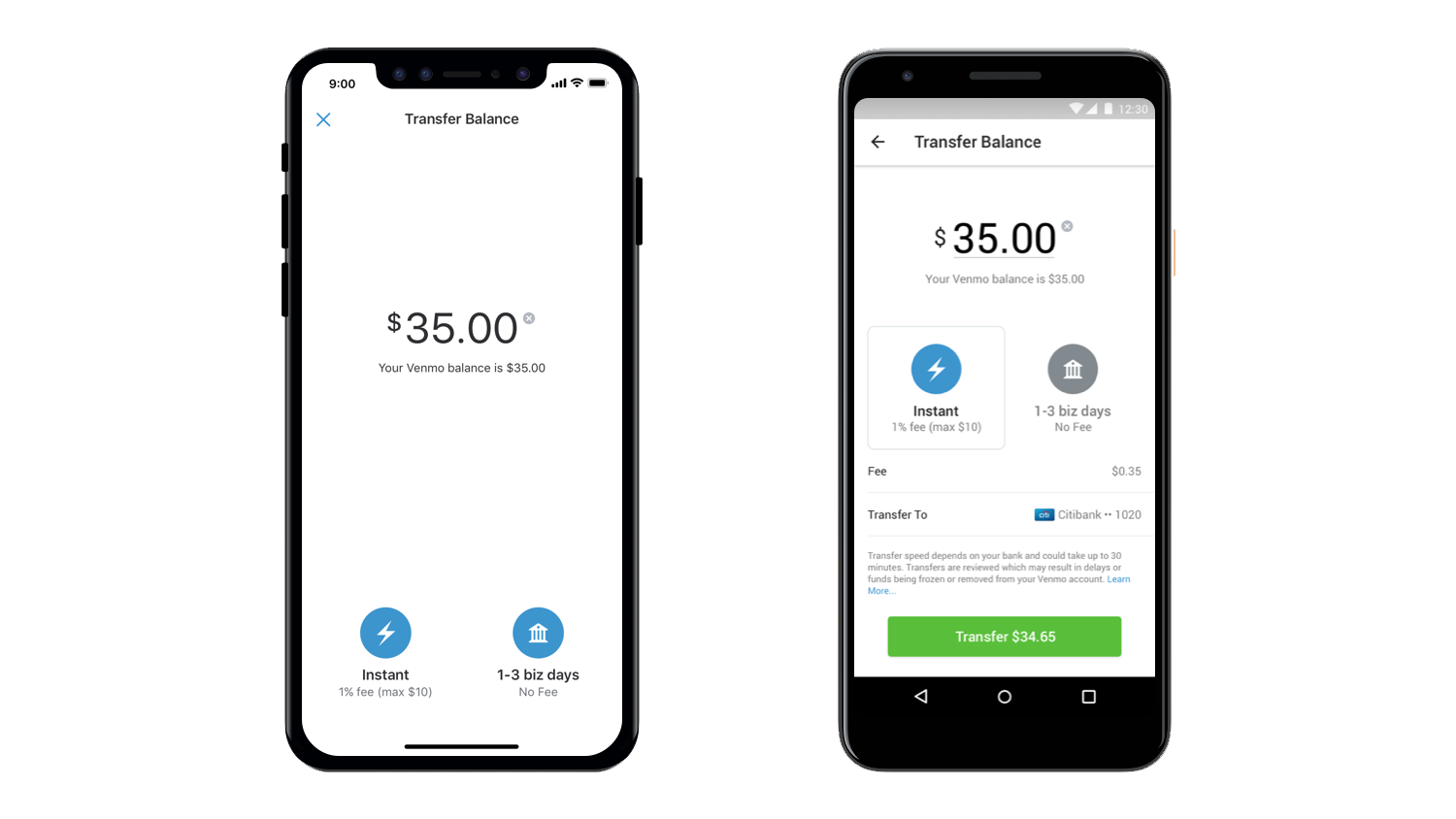
A professional approach to using Venmo involves more than just clicking “send.” It requires an understanding of how to manage the “Venmo Balance” and the costs associated with moving that money into your high-yield savings or checking accounts.
Understanding the Venmo Balance vs. Traditional Banking
When you receive money on Venmo, it doesn’t automatically land in your bank account. It sits in a “Venmo Balance.” This distinction is crucial for liquidity management. While it is tempting to leave funds in the app for future spending, these funds generally do not earn interest and are not always FDIC-insured in the same way a traditional bank account is (unless certain conditions, like adding a Venmo Debit Card, are met). A savvy financial move is to regularly “sweep” your Venmo balance into an interest-bearing account.
Standard vs. Instant Transfers: A Cost-Benefit Analysis
When moving money from Venmo to your bank, you are faced with a choice:
- Standard Transfer: This is free and typically takes 1–3 business days. For planned expenses and non-urgent liquidity needs, this is the optimal financial choice.
- Instant Transfer: This moves funds to your bank in minutes for a fee (currently 1.75% of the transfer amount, with minimum and maximum caps). While convenient, frequent use of instant transfers can erode your net worth over time. In a professional financial framework, instant transfers should be reserved for genuine emergencies.
Utilizing Venmo for Entrepreneurial Side Hustles
As the gig economy grows, Venmo has evolved to accommodate professional transactions. For freelancers, consultants, and small business owners, the platform offers a “Business Profile” feature that separates personal and professional finances.
Navigating the Professional Side of P2P
Using a personal Venmo account for business transactions can lead to complications, particularly regarding tax reporting. By creating a Business Profile, entrepreneurs can accept payments for goods and services legally and transparently. This feature provides the seller with a 1099-K form at the end of the year if they meet specific IRS thresholds, ensuring that their side hustle remains compliant with federal tax laws.
The Importance of Transaction Clarity
For those using Venmo to generate income, the “Note” field becomes a critical business record. Professional users ensure that every payment received is labeled with an invoice number or service description. This level of detail is invaluable during tax season or if a client disputes a payment. Managing your digital income with the same rigor as a corporate payroll system is the hallmark of a successful independent business owner.
Risk Management and Digital Fiscal Security
No discussion on financial tools is complete without addressing security. Because Venmo is linked directly to your liquid assets, safeguarding the account is a top priority for any financially responsible individual.
Safeguarding Your Digital Assets
Professional security hygiene starts with multi-factor authentication (MFA). Since Venmo allows for the rapid movement of money, ensuring that your account cannot be accessed via a simple password breach is essential. Furthermore, Venmo’s social feed—a unique feature that shows transaction descriptions to “friends”—should be handled with caution. From a financial privacy perspective, setting your transactions to “Private” is the most prudent choice. It prevents third parties from gaining insights into your spending habits, lifestyle, or business associations.
Dispute Resolution and Avoiding Scams
One of the primary risks of P2P platforms is that payments are often “final.” Unlike credit card transactions, which offer robust chargeback protections, sending money on Venmo is akin to handing someone cash. To protect your capital:
- Only send money to people you know and trust.
- Be wary of “buyer protection” scams where strangers ask you to send money via the “friends and family” setting for a commercial purchase.
- Verify identities. Scammers often create accounts that mimic the usernames of your actual friends. Always double-check the profile picture and history before hitting “pay.”

Conclusion: The Future of Digital Capital
Venmo has transformed from a niche app into an essential financial instrument. By understanding the mechanics of sending money, optimizing the timing of transfers, and leveraging the platform for professional growth, you can turn a simple app into a powerful asset for personal finance management. In an era where digital agility defines financial success, mastering tools like Venmo ensures that your capital moves as quickly and securely as the modern world demands. Whether you are splitting a dinner check or managing the revenue from a thriving side hustle, a disciplined, professional approach to Venmo is an investment in your financial future.
aViewFromTheCave is a participant in the Amazon Services LLC Associates Program, an affiliate advertising program designed to provide a means for sites to earn advertising fees by advertising and linking to Amazon.com. Amazon, the Amazon logo, AmazonSupply, and the AmazonSupply logo are trademarks of Amazon.com, Inc. or its affiliates. As an Amazon Associate we earn affiliate commissions from qualifying purchases.