
To the casual sports fan, asking “where is Truist Park?” is a simple matter of coordinates and navigation. Geographically, it is located at the intersection of I-75 and I-285 in the Cumberland district of Cobb County, Georgia, just northwest of downtown Atlanta. However, from a brand strategy and marketing perspective, the answer is far more complex. Truist Park isn’t just a physical location; it is a high-stakes anchor for one of the most ambitious corporate rebranding efforts in recent financial history.
When the Atlanta Braves moved from Turner Field to their new home in 2017, the venue was originally christened SunTrust Park. Following the $66 billion merger between SunTrust and BB&T in 2019, the stadium became the primary vehicle for introducing the “Truist” brand to the world. Understanding where Truist Park is requires looking beyond the map and examining its place within the landscape of corporate identity, experiential marketing, and brand equity.

The Geography of a Merger: Why Location Matters for Brand Perception
The physical relocation of the Atlanta Braves from the heart of downtown Atlanta to Cobb County was a calculated move that mirrored the demographic shifts of the brand’s target audience. For Truist, the location of the park represents a strategic alignment with high-growth, affluent suburban markets.
Positioning Within the “Sunbelt” Economic Boom
Truist Financial Corporation was formed to dominate the American Southeast, often referred to as the Sunbelt. By placing its name on a stadium located in the bustling Cumberland business district, Truist positioned itself at the epicenter of Southern economic growth. This isn’t just a sports venue; it is a billboard for a regional banking powerhouse that wanted to signal its dominance in a competitive market.
Moving Beyond the Urban Core
The move to Cobb County allowed the brand to associate itself with a “live-work-play” environment. Unlike the previous stadium, which stood in a largely industrial and residential area of downtown, Truist Park is the centerpiece of a multi-use development. This allows the brand to be present in the daily lives of consumers—not just on game days, but during work hours and weekend leisure time.
The Intersection of Accessibility and Visibility
The “where” of Truist Park is also about massive visibility. Sitting at the junction of two of the busiest interstates in the United States, the stadium offers millions of impressions annually to passing motorists. For a brand that was entirely new to the public in 2020, this constant physical presence was essential for building “top-of-mind” awareness.
From SunTrust to Truist: Navigating the Rebranding of a Landmark
One of the greatest challenges in brand strategy is changing a name that has already gained significant traction. When SunTrust Park became Truist Park in 2020, the marketing team faced the monumental task of transitioning a beloved community landmark during a period of corporate consolidation.
The Psychology of Naming Rights
Naming rights are more than just a logo on a building; they are an exercise in psychological association. When a fan thinks of a “home run,” the brand wants them to subconsciously associate that positive emotion with the bank. The transition to Truist required a delicate balance: maintaining the goodwill established by SunTrust while asserting a new, modern identity that represented the future of the merged entities.
Design and Visual Identity Integration
The visual transition of the stadium was a masterclass in corporate identity. The “Truist Purple” color palette—a blend of BB&T’s burgundy and SunTrust’s blue—was integrated into the stadium’s signage, digital displays, and staff uniforms. This consistent application of visual brand assets helped solidify the new name in the public consciousness, turning a “new” and “unfamiliar” word into a household name within a single baseball season.
Overcoming Rebranding Friction
Initially, the name “Truist” met with skepticism from the public and branding experts alike. By anchoring the name to the Braves—a team with a massive, loyal following—the corporation was able to “borrow” the team’s equity. As the Braves achieved success on the field, including a World Series title in 2021, the Truist brand benefited from the halo effect, quickly shedding its “newcomer” status and becoming synonymous with a winning culture.
The Battery Atlanta: Creating a 365-Day Brand Ecosystem
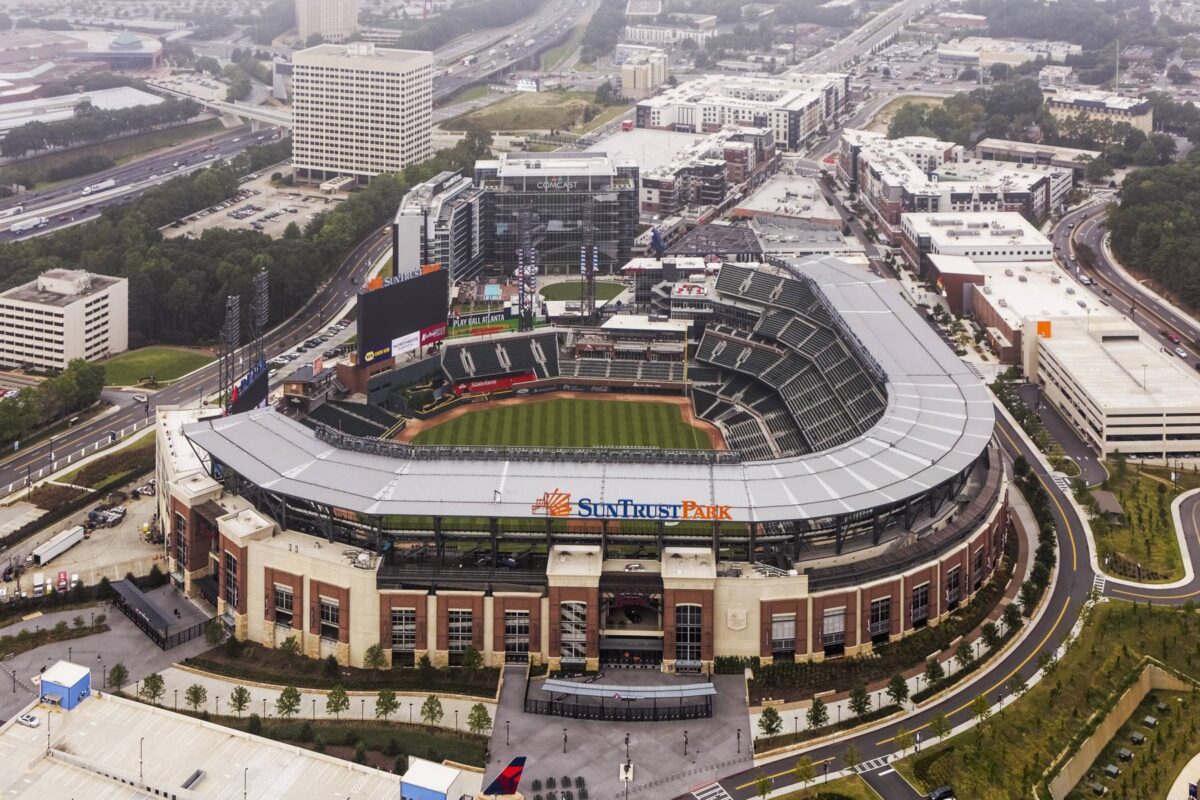
A brand is no longer just a logo; it is an experience. Truist Park is unique because it is surrounded by The Battery Atlanta, a 2.25-million-square-foot mixed-use development. This ecosystem ensures that the brand remains relevant 365 days a year, not just during the 81 home games of the MLB season.
Experiential Marketing and Consumer Touchpoints
Within The Battery, the Truist brand is woven into the fabric of the consumer journey. From the Truist-branded ATMs to the VIP lounges and community activation zones, the bank creates multiple touchpoints. This is “experiential marketing” at its finest—moving the brand from a passive sign on the scoreboard to an active participant in the consumer’s social life.
The Synergy Between Corporate and Local Identity
The Battery allows Truist to engage in “hyper-local” branding. By hosting concerts, outdoor movies, and holiday events, the brand positions itself as a community partner rather than a distant financial institution. This strategy builds emotional resonance, which is a key driver of brand loyalty in the banking sector.
Residential and Professional Integration
The presence of office towers and apartments within the stadium complex means that for many people, Truist is where they work and live. This creates a powerful brand immersion. When a brand becomes a landmark for directions, a workplace, and a home, it achieves a level of permanence that traditional advertising cannot buy.
Naming Rights as Strategic Marketing: The ROI of Physical Presence
Critics often question the exorbitant costs of stadium naming rights, which can reach hundreds of millions of dollars over several decades. However, for a brand like Truist, the return on investment (ROI) is calculated through the lens of brand equity and market share.
Building Trust Through Stability
In the financial services industry, brand strength is synonymous with stability. By committing to a long-term naming rights deal, Truist signals to the market that it is a permanent and powerful player. The stadium serves as a “monument to the brand,” providing a sense of scale and reliability that helps attract both retail and commercial clients.
Global Media Value
Every time a Braves game is broadcast nationally, the Truist brand receives hours of exposure. The “media value” of this coverage—seeing the name on the outfield wall, the backstop, and heard via the commentators—far exceeds the cost of traditional television commercials. For a brand looking to establish a national footprint from a regional base, this is a highly efficient marketing spend.
Data-Driven Brand Engagement
Modern stadiums are “smart” environments. Truist uses its physical presence at the park to collect data and engage with customers digitally. Through the stadium app and on-site promotions, the brand can convert a casual fan into a bank customer, creating a direct pipeline between sports marketing and revenue growth.
Future-Proofing the Corporate Identity: Lessons from the Braves and Truist
Where is Truist Park going in the future? The evolution of this site serves as a blueprint for other corporations looking to leverage sports partnerships for brand longevity. The success of the Truist Park branding strategy offers several key takeaways for brand managers and marketers.
The Importance of Brand Consistency
Throughout the transition and the subsequent years, Truist has maintained a relentless focus on consistency. Whether it is the typography on the stadium gates or the tone of the social media posts, the brand speaks with one voice. This consistency is what allows a newly created brand to feel established in a remarkably short period.
Leveraging Success for Brand Momentum
The 2021 World Series victory was a pivotal moment for the Truist brand. By being the backdrop for a historic sporting achievement, Truist Park moved from being a “newly renamed stadium” to a “historic site of victory.” Brands must be ready to capitalize on these organic moments of high emotion to cement their place in the cultural narrative.
Evolving with the Consumer
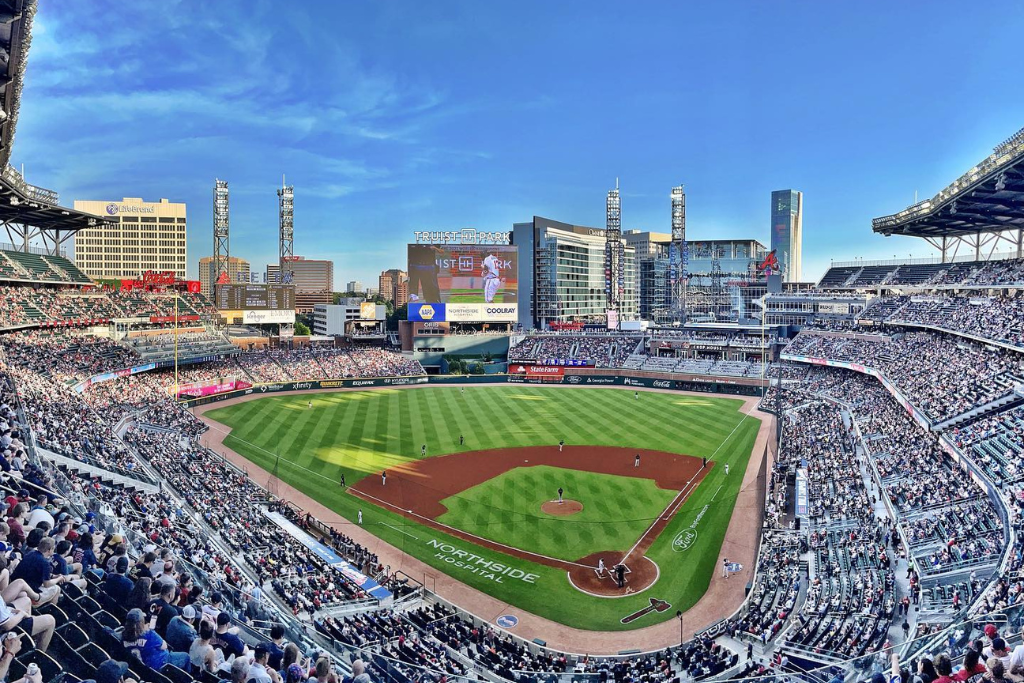
As consumer habits change, so too must the brand’s physical presence. Truist continues to update its activations within the park, focusing on digital integration, contactless payments, and sustainable practices. By keeping the brand experience fresh, they ensure that the question “where is Truist Park?” continues to be answered by a destination that feels modern, relevant, and essential.
In conclusion, Truist Park is located at the intersection of commerce and community. It is a physical manifestation of a massive corporate merger and a testament to the power of strategic naming rights. By moving beyond the traditional confines of a bank branch and into the heart of a vibrant sports and entertainment district, Truist has successfully navigated one of the most significant rebranding exercises of the 21st century. The park is more than a field; it is the cornerstone of the Truist identity.
aViewFromTheCave is a participant in the Amazon Services LLC Associates Program, an affiliate advertising program designed to provide a means for sites to earn advertising fees by advertising and linking to Amazon.com. Amazon, the Amazon logo, AmazonSupply, and the AmazonSupply logo are trademarks of Amazon.com, Inc. or its affiliates. As an Amazon Associate we earn affiliate commissions from qualifying purchases.