
For decades, Blue Ridge, Georgia, was a hidden gem tucked away in the Chattahoochee National Forest. Today, it has transformed into a premier destination for luxury tourism and, more importantly, a high-yield frontier for savvy investors. When asking “what to do in Blue Ridge, GA” from a financial perspective, the answer lies far beyond trout fishing and hiking. It lies in the sophisticated deployment of capital into one of the Southeast’s most resilient real estate and small-business markets.
This guide explores the strategic financial moves available in the Blue Ridge area, focusing on real estate investment, entrepreneurial opportunities, and the long-term economic outlook of Fannin County.

The Short-Term Rental Goldmine: Maximizing Real Estate ROI
The most prominent financial play in Blue Ridge is the short-term rental (STR) market. Unlike traditional residential investments, the cabin rental market here functions more like a hospitality business, offering significant cash-flow potential for those who understand the nuances of mountain property management.
Market Analysis and Revenue Projections
Investing in Blue Ridge requires a deep dive into data. The area benefits from a “drive-to” demographic—millions of residents from Atlanta, Nashville, and Florida can reach the mountains within a few hours. This creates a year-round demand that mitigates the seasonal fluctuations seen in beach towns.
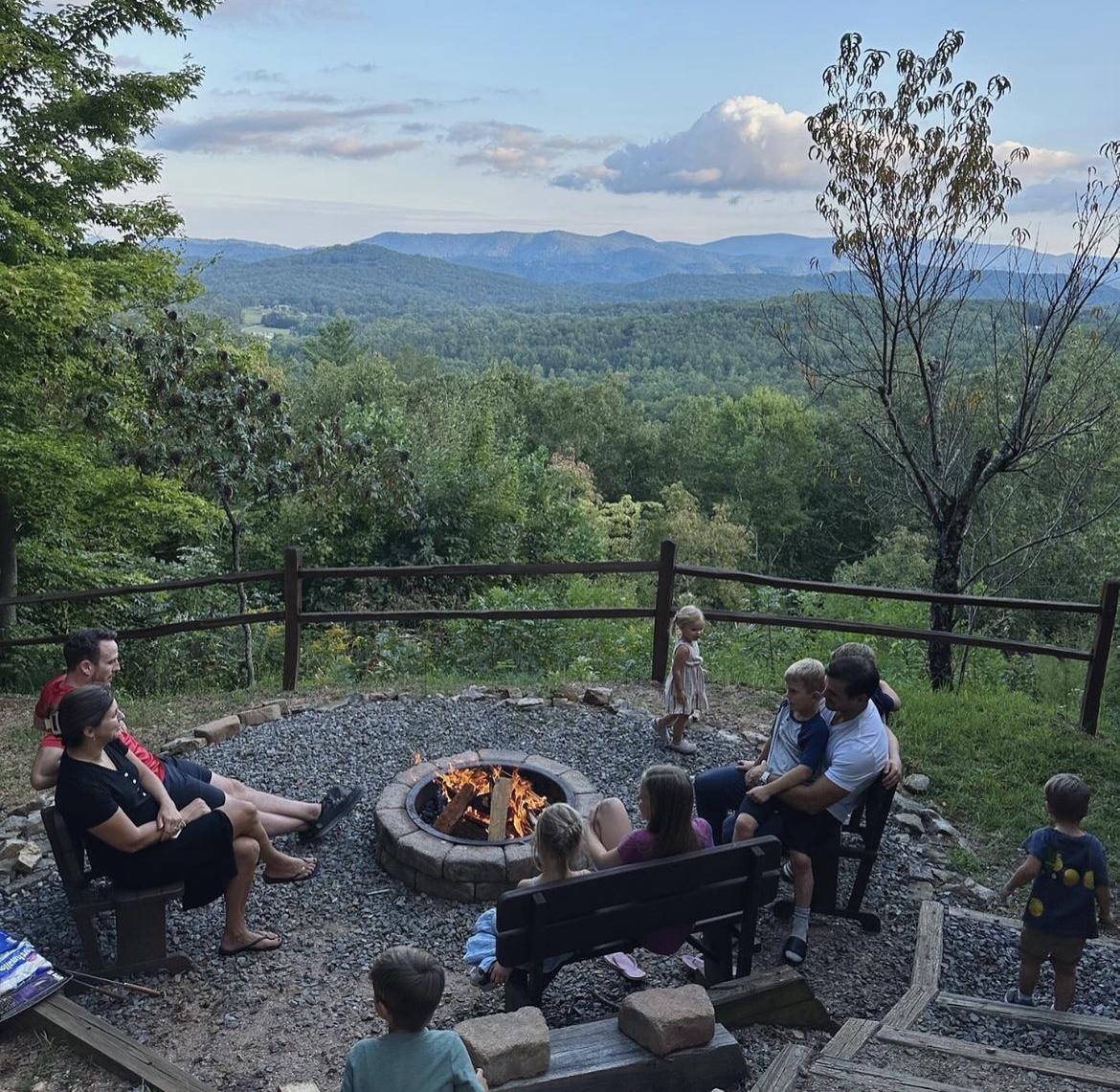
When evaluating a property, investors should focus on the “Average Daily Rate” (ADR) and occupancy levels. High-end cabins with “long-range mountain views” or “water frontage” command a premium. A well-positioned four-bedroom cabin can generate upwards of $80,000 to $120,000 in gross annual revenue, depending on amenities. To calculate a true Return on Investment (ROI), one must factor in the higher-than-average maintenance costs associated with mountain terrain and the 12–15% management fees typical of the region.
Navigating Local Regulations and Zoning
One of the most critical financial risks in the STR space is shifting local legislation. Blue Ridge and Fannin County have historically been “investor-friendly,” but as the area grows, so does the scrutiny on short-term rentals.
Before committing capital, it is essential to verify the specific zoning of a property. Properties located within city limits face different tax structures and noise ordinances than those in the unincorporated county. Furthermore, many gated communities have specific bylaws regarding rentals. A mistake here can lead to a stranded asset that cannot be legally rented on platforms like Airbnb or VRBO, severely impacting the exit strategy and resale value.
Property Management and Scalability
For the passive investor, the choice of a property management firm is the difference between a profitable venture and a financial drain. Blue Ridge has a robust ecosystem of management companies that handle everything from dynamic pricing to emergency repairs.
However, for those looking to scale a portfolio, “self-management” via automated tech stacks (like Guesty or Hospitable) can save 20% on gross revenue. Scaling in Blue Ridge often involves moving from single-cabin ownership to “boutique clusters”—purchasing adjacent lots to create a localized brand or a multi-unit retreat destination, which optimizes cleaning routes and maintenance costs.
Entrepreneurial Opportunities: Capitalizing on the Luxury Pivot
Blue Ridge has undergone a “luxury pivot.” The demographic of the average visitor has shifted from the budget-conscious camper to the high-net-worth individual seeking a “refined rustic” experience. This shift has created a vacuum in the local service and retail sectors.
Identifying Market Gaps in the Service Economy
As the number of high-end rental units grows, the demand for ancillary services has outpaced supply. There is significant “blue ocean” opportunity in high-end concierge services, private chef experiences, and luxury transport.
From a business finance perspective, these service-based models are attractive because of their low overhead and high margins. For example, a specialized mountain-bike rental and tour business requires initial capital for inventory but benefits from the town’s massive investment in trail infrastructure (like those at Aska Adventure Area), essentially allowing the business to leverage public assets for private profit.

The Economics of Downtown Retail and Dining
Downtown Blue Ridge is the economic heartbeat of the county. Commercial real estate along East Main Street is some of the most coveted in North Georgia. For the entrepreneur, opening a brick-and-mortar location here requires a significant “barrier to entry” in terms of rent, but the foot traffic is virtually guaranteed.
The trend is moving toward “experiential retail.” Shops that offer wine tastings, artisanal goods, or bespoke home decor perform better than standard souvenir shops. Investors should look for commercial lease opportunities that allow for multi-use spaces—perhaps a retail storefront with an upper-level luxury loft rental—to diversify income streams within a single square foot of high-priced real estate.
Agri-Tourism as a Diversified Asset Class
Fannin County’s history is rooted in agriculture, particularly apples and vineyards. Modern investors are revitalizing this sector through “Agri-tourism.” Purchasing an orchard or a vineyard is not just a play on agricultural yields; it is a play on event-space revenue and “u-pick” tourism.
The financial upside of these properties includes favorable “Conservation Use Covenant” (CUVA) tax assessments, which significantly reduce property taxes for land dedicated to agricultural use. This allows an investor to hold large tracts of land with minimal carrying costs while generating income through seasonal tourism and events.
Long-Term Wealth Preservation: Land and Commercial Assets
While short-term rentals provide immediate cash flow, long-term wealth in Blue Ridge is often built through land bank strategies and commercial development. As the “last frontier” of North Georgia develops, land scarcity is becoming a primary driver of value.
Raw Land Appreciation and Development
For investors with a longer time horizon, purchasing raw land in the path of development offers substantial upside. Areas toward McCaysville or the outskirts of Mineral Bluff are currently seeing the same patterns of growth that Blue Ridge experienced a decade ago.
The financial strategy here involves “entitlement”–purchasing raw acreage, securing the necessary permits for high-density cabin development or commercial use, and then selling the “shovel-ready” project to a developer. This process adds significant value without the risks associated with actual vertical construction.
Commercial Real Estate and the “Work-from-Mountain” Trend
The post-pandemic shift toward remote work has fundamentally changed the economy of Blue Ridge. It is no longer just a weekend destination; it is becoming a primary residence for tech professionals and executives from Atlanta.
This shift creates a demand for professional office spaces, co-working hubs, and high-speed fiber-optic infrastructure. Investing in commercial assets that cater to this “Zoom town” population is a hedge against the volatility of the tourism market. A commercial building with long-term leases to local professional services (lawyers, accountants, real estate firms) provides a stable, predictable income stream that complements the high-risk, high-reward nature of short-term rentals.
Tax Advantages and 1031 Exchanges
Blue Ridge is a frequent destination for 1031 Exchange capital. Investors selling appreciated property in high-tax environments (like California or New York) often roll their gains into North Georgia real estate to defer capital gains taxes.
Strategically, Blue Ridge offers a “sweet spot” where property values are high enough to absorb significant exchange amounts but low enough to still offer a compelling cap rate. By utilizing a 1031 Exchange, an investor can transition from a high-maintenance multi-family unit in a city to a portfolio of luxury mountain cabins, effectively trading “active” management for a more “lifestyle-oriented” investment while keeping their tax basis intact.
Conclusion: The Strategic Outlook for Fannin County
Blue Ridge, Georgia, represents a unique intersection of natural beauty and economic opportunity. For the individual looking at “what to do” in this region, the most profitable answer is to view the landscape through the lens of an asset manager.
The combination of a strong “drive-to” tourism base, a shifting luxury demographic, and favorable tax environments makes it a premier location for capital deployment. Whether it is through the high-yield short-term rental market, the burgeoning service economy, or long-term land appreciation, Blue Ridge offers a diverse range of financial instruments for wealth creation. As with any investment, success requires local knowledge, a clear understanding of regulatory shifts, and a disciplined approach to management. For those who execute correctly, the Georgia mountains offer more than just a view—they offer a robust foundation for a diversified financial portfolio.
aViewFromTheCave is a participant in the Amazon Services LLC Associates Program, an affiliate advertising program designed to provide a means for sites to earn advertising fees by advertising and linking to Amazon.com. Amazon, the Amazon logo, AmazonSupply, and the AmazonSupply logo are trademarks of Amazon.com, Inc. or its affiliates. As an Amazon Associate we earn affiliate commissions from qualifying purchases.