
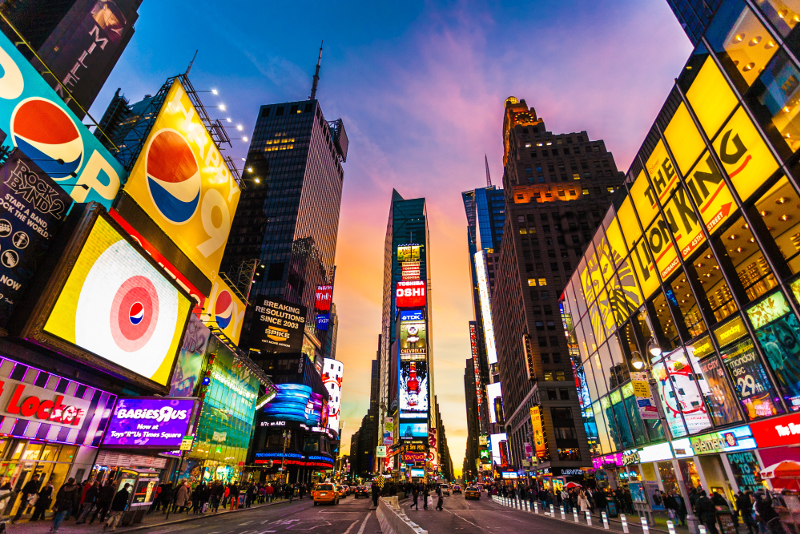
For decades, the global narrative of New York City was written in the ink of finance, fashion, and theater. However, a seismic shift has occurred over the last ten years, transforming the “Big Apple” into “Silicon Alley.” New York has emerged as a formidable rival to San Francisco, claiming its stake as a premier global hub for Artificial Intelligence, software development, and hardware innovation. For the tech-focused visitor or the local professional, the question of “what is there to do in NY” is no longer answered by Broadway shows or Central Park walks alone. Instead, it is answered by a deep dive into an ecosystem of cutting-edge innovation, immersive digital experiences, and a networking culture that is redefining the future of work.
Navigating the Hubs of Innovation: Where Technology Lives
To understand the tech landscape of New York, one must first understand its geography. Unlike the sprawling campuses of Silicon Valley, New York’s tech scene is vertical, dense, and integrated into the existing urban fabric.
Chelsea and the Google Corridor
The heart of New York’s tech revival beats strongest in Chelsea. What was once a district of warehouses is now dominated by Google’s massive East Coast headquarters. Walking through this area offers a glimpse into the scale of corporate tech investment in the city. The “Google Corridor” has spurred a secondary economy of smaller software firms and startups that feed off the proximity to the search giant. Visitors interested in urban tech integration can explore how these massive data-driven corporations occupy historic architecture, blending the industrial past with a high-speed digital future.
The Cornell Tech Campus on Roosevelt Island
For those looking for the “bridge” between academia and commercial application, a trip to Roosevelt Island is essential. The Cornell Tech campus is a masterclass in sustainable, tech-integrated architecture. It was designed specifically to foster collaboration between students, researchers, and entrepreneurs. Walking the grounds, one can see the House at Cornell Tech—the world’s first and tallest residential Passive House—and the Bloomberg Center. For a tech enthusiast, this is a living laboratory where the next generation of AI and cybersecurity tools are being stress-tested before they hit the global market.
Brooklyn Navy Yard: The Hardware Renaissance
While Manhattan focuses heavily on software and Fintech, the Brooklyn Navy Yard has become the epicenter for hardware, robotics, and sustainable tech. This 300-acre industrial park is home to hundreds of companies specializing in everything from 3D printing to autonomous maritime vehicles. Visiting the Navy Yard provides a unique perspective on the “Internet of Things” (IoT) and the physical manufacturing that powers our digital lives. It is a testament to the city’s ability to pivot from traditional manufacturing to high-tech prototyping.
Immersive Tech Experiences and Digital Exhibits
New York has moved beyond traditional galleries to embrace “Phygital” (physical-digital) experiences. If you are looking for what to do in NY that pushes the boundaries of hardware and software integration, the city’s immersive art and tech scene is unparalleled.
Mercer Labs and the Future of AR/VR
Located in the heart of Lower Manhattan, Mercer Labs is a prime example of how technology is redefining the museum experience. Using high-definition projection mapping, spatial audio, and haptic feedback, these exhibits allow visitors to step inside a digital consciousness. For software developers and UX/UI designers, these spaces serve as inspiration for how humans can interact with data in a three-dimensional space. It isn’t just art; it is a showcase of high-end GPU power and sophisticated algorithm-driven visuals.
The Rise of Interactive AI Installations
Throughout the city, temporary pop-ups and permanent installations are leveraging Generative AI to create personalized experiences. From AI-driven portraiture to environments that react to a visitor’s biometric data (heart rate, movement), NY is the world’s testing ground for consumer-facing AI. These installations provide a hands-on look at how Large Language Models (LLMs) and neural networks can be applied outside of a standard chat interface, offering a glimpse into the future of entertainment and retail.
Summit One Vanderbilt: Tech at Altitude
While many see Summit One Vanderbilt as a tourist observation deck, for a tech professional, it is a marvel of engineering and digital synchronization. The integration of mirrors, light, and sound creates a sensory-overload environment that relies on complex software to maintain synchronization across thousands of sensors. It represents the pinnacle of “Smart Building” technology, where every element of the environment is controlled by a central digital nervous system to optimize both the guest experience and energy efficiency.
Networking and Professional Growth in the AI Era
In New York, “doing” often means “connecting.” The city’s tech calendar is perpetually full, offering opportunities that range from underground coding hackathons to world-class summits.
Tech Week and Major Industry Summits
If your visit aligns with NYC Tech Week, you will find a city transformed. Spread across all five boroughs, this week features hundreds of events, from VC pitch sessions in rooftop bars to deep-dive technical workshops in SoHo lofts. Beyond specific weeks, the city regularly hosts major conferences like the AI Summit and various Fintech forums. These events are where the roadmap for digital security and financial software is written, making them essential stops for anyone looking to understand the “business” of technology.
Co-working Spaces as Tech Incubators
The traditional office is dead, but the incubator is thriving. Spaces like New Lab in Brooklyn or the various high-end tech hubs in Midtown provide more than just a desk and high-speed fiber. They are curated communities where software engineers, data scientists, and founders rub shoulders. For a visitor, many of these spaces offer day passes or public events, providing a window into the “hustle culture” that defines Silicon Alley. Observing a live pitch or a collaborative “sprint” in these environments is perhaps the most authentic tech experience one can have in the city.
Meetups and the Open-Source Community
New York has one of the most active “Meetup” cultures in the world for niche technologies. Whether you are interested in Rust, Python, Blockchain, or Ethically-Sourced AI, there is a community gathering happening on any given Tuesday. These grassroots gatherings often take place in the offices of major tech firms (like Etsy or Foursquare), offering a chance to see the internal culture of top-tier software companies while engaging in high-level technical discourse.
The Digital Toolkit: Essential Apps and Gadgets for the Modern New Yorker
To truly navigate NY like a tech insider, one must utilize the “transit tech stack” and the digital tools that make the city’s complexity manageable.
Navigating the Transit Tech Stack
The MTA (Metropolitan Transportation Authority) has undergone a digital revolution. The implementation of OMNY—the contactless payment system—is just the tip of the iceberg. For a tech enthusiast, utilizing apps like Transit or Citymapper provides a look at real-time data integration. These apps leverage open-source MTA data to provide hyper-accurate arrival times and crowd-level predictions. Watching how millions of data points are processed in real-time to move 8 million people is a masterclass in data logistics.
Smart Mobility and Micromobility
What is there to do in NY if not move? The city is a playground for micromobility tech. From the widespread Citi Bike network (one of the largest bike-share programs in the world) to the proliferation of electric mopeds via apps like Revel, the city is a test case for “last-mile” transportation software. For those interested in the hardware side, observing the evolution of these vehicles—their battery life, GPS tracking, and theft-prevention mechanisms—offers a real-world look at the challenges of urban hardware deployment.
Digital Security and Privacy in a Hyper-Connected City
As a global tech hub, NY is also a high-risk environment for digital security. The savvy tech traveler uses their time here to practice high-level digital hygiene. From using encrypted VPNs on public Wi-Fi networks in Bryant Park to exploring the use of biometric security in high-end retail and residential buildings, the city is a living case study in the balance between convenience and privacy. Understanding the “mesh networks” that some neighborhoods are building to provide decentralized internet access is another fascinating “to-do” for those interested in the future of digital infrastructure.

Conclusion: The Vertical Future of Tech
New York City offers a unique “to-do” list that blends the grit of an industrial powerhouse with the polish of a digital frontier. For the tech-minded, the city is more than just a collection of landmarks; it is a complex, high-performance operating system. Whether you are exploring the robotics labs of Brooklyn, attending an AI summit in a Midtown skyscraper, or simply navigating the subway using real-time data streams, you are participating in a massive experiment in human-tech integration.
The question of “what is there to do in NY” is ultimately answered by looking forward. It is about witnessing the birth of the next great software unicorn, exploring the limits of augmented reality in a Chelsea gallery, and connecting with a global community of innovators who are choosing the density of Manhattan over the suburbs of the West Coast. New York is no longer just a financial capital—it is the digital capital of the world, and there is more to explore here than any single hard drive could ever record.
aViewFromTheCave is a participant in the Amazon Services LLC Associates Program, an affiliate advertising program designed to provide a means for sites to earn advertising fees by advertising and linking to Amazon.com. Amazon, the Amazon logo, AmazonSupply, and the AmazonSupply logo are trademarks of Amazon.com, Inc. or its affiliates. As an Amazon Associate we earn affiliate commissions from qualifying purchases.