
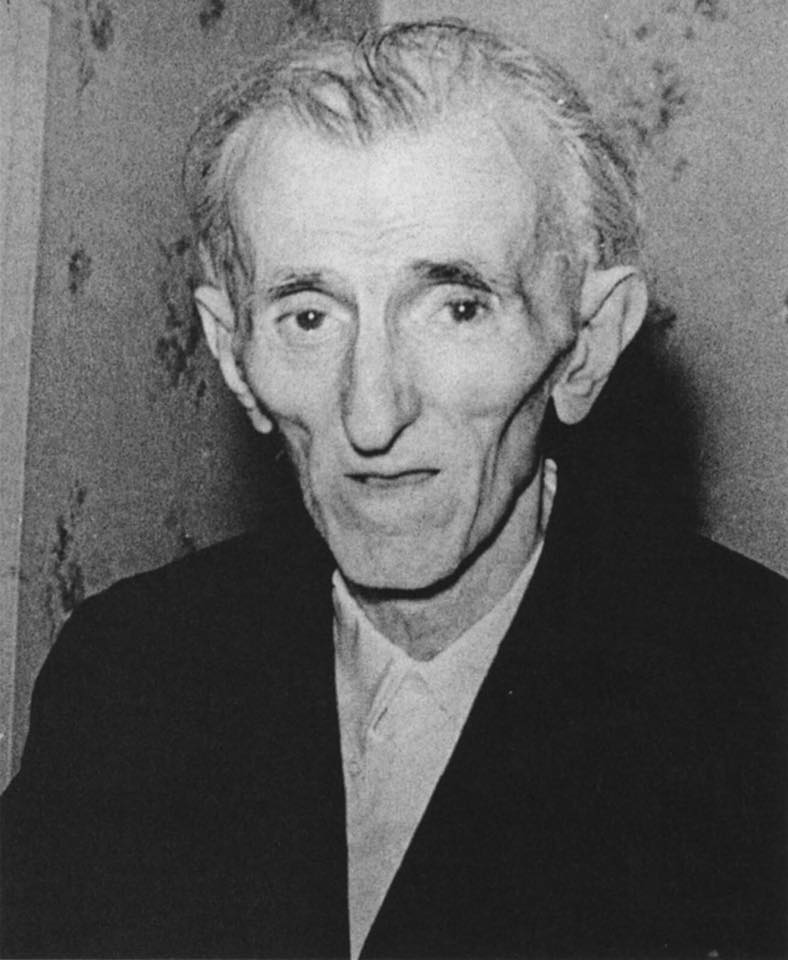
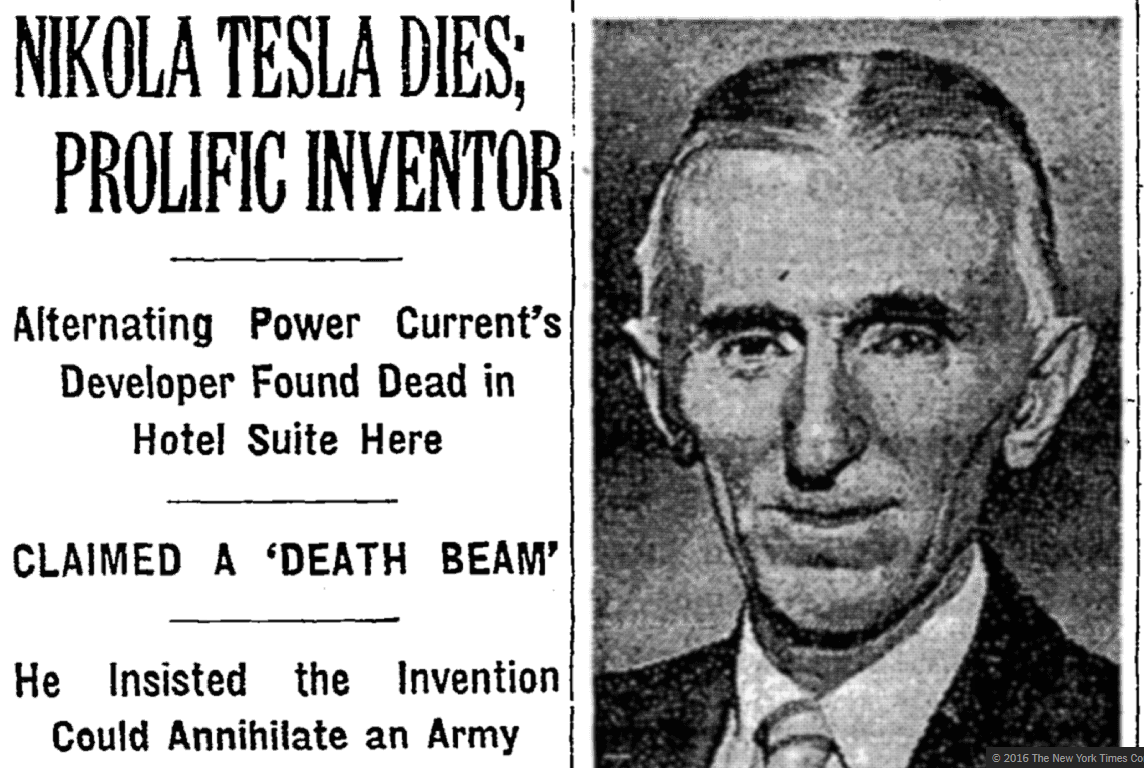
The story of “how Tesla died” is often framed as a tragic historical footnote: a brilliant inventor, Nikola Tesla, passing away penniless and alone in a room at the New Yorker Hotel in 1943. However, from a brand strategy perspective, the physical death of the man was merely the conclusion of a failed personal brand—and the beginning of one of the most successful corporate identity resurrections in history. Today, the name “Tesla” represents a trillion-dollar ecosystem, but the journey from a forgotten genius to a global status symbol is a masterclass in brand equity, narrative reclamation, and the power of symbolic naming.

The Tragic Fade of Nikola Tesla’s Personal Brand
To understand the modern brand, we must first analyze the collapse of the original personal brand. Nikola Tesla was not just an engineer; in his prime, he was a celebrity. Yet, he died in obscurity because he failed to protect the commercial viability of his identity. Unlike his rival Thomas Edison, Tesla lacked the brand architecture to sustain his influence beyond his inventions.
From Visionary to Recluse: The Loss of Narrative Control
In the early 20th century, Tesla was the face of the future. He was a master of “publicity stunts,” such as demonstrating wireless lamps and high-frequency currents. However, a brand is only as strong as its latest promise. As Tesla aged, his claims became increasingly esoteric—ranging from death rays to communicating with Martians. By losing touch with practical, marketable applications, his “personal brand” shifted from “cutting-edge visionary” to “mad scientist.”
In the world of branding, consistency is the foundation of trust. When Tesla’s public persona became erratic, he lost the support of financiers like J.P. Morgan. Without a corporate entity to shield his reputation or a marketing strategy to contextualize his later theories, his brand died long before he did.
The Cost of Ignoring Monetization in Branding
A critical mistake in Tesla’s personal brand strategy was the lack of intellectual property protection and commercial focus. He famously tore up his royalty contracts with Westinghouse to save the company, effectively stripping himself of the financial fuel required to maintain a public-facing brand.
In modern brand strategy, we recognize that a brand requires an ecosystem of products and services to stay relevant. Tesla’s refusal to engage with the “business” side of his genius meant that when he died, there was no foundation left to carry his name—only a collection of patents and a scattered legacy that would lie dormant for decades.
Reclaiming the Legacy: How a Dead Inventor Became a Corporate Icon
The death of Nikola Tesla left behind a vacuum of potential. Decades later, Martin Eberhard and Marc Tarpenning (and subsequently Elon Musk) identified that the “Tesla” name possessed immense latent brand equity. They didn’t just choose a name; they performed a strategic resurrection.
Strategic Naming and the Power of Association
When Tesla Motors was incorporated in 2003, the founders could have chosen an original, futuristic-sounding name. Instead, they opted for “Tesla.” This was a calculated brand strategy decision. By associating a new electric vehicle company with Nikola Tesla, they immediately inherited the inventor’s positive attributes: genius, electricity, innovation, and an underdog spirit against the “establishment” (which, in this case, was the internal combustion engine industry).
Naming is a cornerstone of corporate identity. The name “Tesla” evokes a specific intellectual aesthetic. It appeals to a demographic that values engineering excellence and disruptive thinking. By using a historical figure whose “death” was viewed as an injustice by the scientific community, the modern brand positioned itself as the rightful heir to a stolen future.
Why the Tesla Brand Identity Outshines its Competition
The brilliance of the Tesla brand resurrection lies in its differentiation. While legacy automakers named their EVs after technical specs or generic “green” terms (like the Leaf or the Bolt), Tesla branded itself around a persona.
The brand strategy was built on “The Hero’s Journey.” Nikola Tesla was the tragic hero; Tesla Inc. is the triumphant return. This narrative depth provides an emotional connection that traditional advertising cannot buy. It transformed the vehicle from a utility into a statement of identity. When a consumer buys a Tesla today, they aren’t just buying a battery on wheels; they are buying into the legacy of the man who “invented the 20th century.”
Case Study: The Modern Brand Strategy of Tesla Inc.
The modern incarnation of the Tesla brand is a radical departure from traditional corporate identity. It has successfully moved beyond its namesake’s shadow to become a symbol of a sustainable future, utilizing a unique marketing mix that focuses on community and “earned media” rather than “paid media.”
Ditching Traditional Advertising for Brand Mythology
One of the most significant aspects of the Tesla brand strategy is its $0 advertising budget. While competitors spend billions on Super Bowl ads, Tesla relies on brand mythology and social media amplification. This approach creates a “cult-like” brand loyalty that is rare in the automotive sector.
The brand’s identity is reinforced through “Master Plans” and high-stakes product launches. Every event—whether it’s the Cybertruck reveal or an AI Day—is designed to be a cultural moment. This strategy mirrors the public demonstrations Nikola Tesla once held, but with a modern, scalable digital footprint. By turning every update into a “news event,” the brand maintains a constant presence in the public consciousness without the “noise” of traditional sales pitches.
The CEO as the Ultimate Brand Ambassador
In a peculiar twist of fate, the modern Tesla brand has returned to the “personal branding” model, with Elon Musk serving as the face of the company. This creates a powerful synergy but also a significant brand risk.
Much like Nikola Tesla himself, the current leadership uses a visionary, often provocative, persona to drive the brand’s narrative. This “founder-led” branding ensures that the company is seen as agile and mission-driven rather than bureaucratic. However, it also means the brand’s health is intrinsically linked to the public’s perception of the leader—a lesson learned from the original Tesla’s decline in the 1930s.
Sustainability and the Future of the Tesla Brand Architecture
The question of “how did Tesla die” is no longer about the man, but about the potential lifecycle of the brand. As the company matures and the novelty of electric vehicles wears off, the brand strategy must evolve to avoid the same fate of irrelevance that Nikola Tesla faced in his later years.
Managing the Shift from Niche Luxury to Mass Market
Every brand faces a “death” of sorts when it transitions from an exclusive, disruptive startup to a mass-market incumbent. Tesla’s early brand strategy was built on the “Secret Master Plan”: build a high-end sports car, use that money to build a cheaper car, and so on.
As the brand scales with the Model 3 and Model Y, it faces the challenge of maintaining its “premium” and “innovative” identity while becoming a ubiquitous household name. Brand dilution is a real threat. If every second car on the road is a Tesla, the brand risks losing its “exclusive” allure. The strategy to counter this has been to expand the brand’s identity into energy (Solar City) and robotics (Optimus), ensuring the “Tesla” name remains synonymous with “The Future,” not just “The Car.”
Protecting the Integrity of a Global Identity
The ultimate survival of a brand depends on its ability to transcend individuals. For the Tesla brand to avoid a second “death,” it must build an institutional identity that can survive changes in leadership and market fluctuations.
The current brand architecture is moving toward an ecosystem model—a “platform brand.” By integrating software (FSD), infrastructure (Superchargers), and hardware, Tesla is creating high switching costs for consumers. This isn’t just a business strategy; it’s a brand-retention strategy. When a brand becomes an essential part of a consumer’s lifestyle and infrastructure, it achieves a form of immortality that Nikola Tesla, the man, never could.
In conclusion, while Nikola Tesla’s physical life ended in 1943 due to a lack of commercial support and the collapse of his personal brand, his name has been effectively “re-engineered.” The modern Tesla brand serves as a living monument to his genius, but its success is rooted in modern brand strategy: narrative control, symbolic association, and the creation of a powerful, mission-driven corporate identity. The brand didn’t die; it was simply waiting for a strategy that was as innovative as its namesake.
aViewFromTheCave is a participant in the Amazon Services LLC Associates Program, an affiliate advertising program designed to provide a means for sites to earn advertising fees by advertising and linking to Amazon.com. Amazon, the Amazon logo, AmazonSupply, and the AmazonSupply logo are trademarks of Amazon.com, Inc. or its affiliates. As an Amazon Associate we earn affiliate commissions from qualifying purchases.