
In the world of professional sports, the question of “who is the best” is often answered through a scoreboard or a trophy cabinet. However, in the modern era of globalized sports marketing, the definition of the best soccer team in the world has transcended the pitch. While on-field performance is the catalyst, the true “best” team is the one that commands the highest brand equity, the deepest emotional loyalty, and the most sophisticated corporate identity.
When we evaluate the world’s elite football clubs through the lens of brand strategy, we see that greatness is a meticulously constructed asset. It is a combination of historical narrative, visual consistency, and a relentless pursuit of global market share. This article explores how the most successful soccer teams leverage branding to maintain their status as the “best,” regardless of a single season’s win-loss record.
The Anatomy of a Global Sporting Powerhouse
A brand is not just a logo; it is a promise of quality and a specific emotional experience. For a soccer team to be considered the best in the world, its brand must be instantly recognizable from Madrid to Mumbai. This recognition is built on a foundation of identity and prestige that functions similarly to luxury fashion houses or blue-chip tech giants.
Consistency in Visual Identity and Heritage
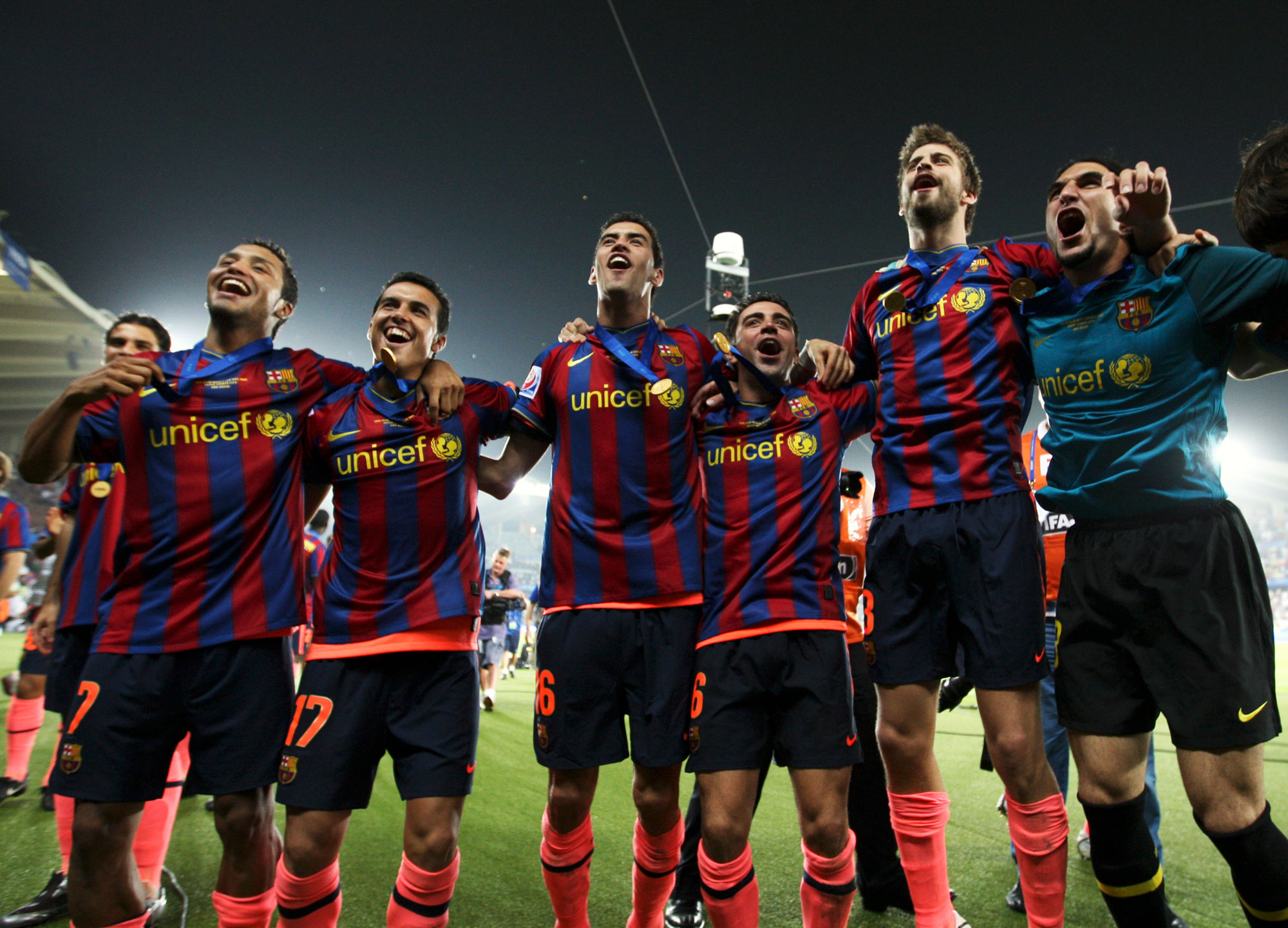
The most elite soccer brands understand that their visual identity is their most valuable intellectual property. Consider the “Royal” white of Real Madrid or the “Blaugrana” stripes of FC Barcelona. These colors are not merely aesthetic choices; they are symbols of a century-old heritage.
A professional brand strategy ensures that every touchpoint—from the jersey design to the stadium architecture—reinforces the club’s core values. When a team maintains a consistent visual language, it fosters a sense of stability and timelessness. This “heritage branding” allows a club to maintain its status as “the best” even during transitional periods on the field, as the brand itself continues to radiate an aura of excellence.
The “Galactico” Effect: Star Power as Brand Equity
In the early 2000s, Real Madrid pioneered the “Galactico” strategy—signing the world’s most famous players not just for their skill, but for their individual brand power. This is a masterclass in brand association. By bringing in players like David Beckham, Cristiano Ronaldo, or Kylian Mbappé, a club absorbs the personal brand equity of these athletes.
The best team in the world is often the one that successfully manages these “sub-brands.” When a superstar signs with a club, they bring millions of social media followers and a massive commercial footprint. The club’s brand becomes a platform, and the synergy between the team’s history and the player’s modern-day influence creates a commercial powerhouse that is difficult for smaller clubs to replicate.
Beyond the Pitch: Scaling the Fan Experience
To be the best in the world, a soccer team must operate as a global media company. The “brand” is no longer confined to the 90 minutes of play on a Saturday afternoon; it is a 24/7 digital ecosystem designed to engage a global audience.
Digital Transformation and Global Engagement
The best soccer brands have transitioned from being local institutions to global content creators. Through high-production-value YouTube documentaries, behind-the-scenes social media access, and multi-language communication, clubs like Manchester City and Liverpool have scaled their fanbases far beyond their geographical borders.
This digital transformation is a strategic move to capture the “attention economy.” By providing fans with immersive content, these clubs increase their brand touchpoints. A fan in Jakarta who watches every TikTok and buys the latest “third kit” is just as valuable to the brand’s valuation as a season-ticket holder in Manchester. The “best” team is the one that effectively utilizes technology to bridge the gap between the stadium and the smartphone.
Leveraging Local Culture for Global Appeal
A sophisticated brand strategy involves a delicate balance: maintaining local authenticity while appealing to a global market. This is often referred to as “glocalization.” The best clubs cultivate a “mythology” around their home city or stadium—such as the “You’ll Never Walk Alone” anthem at Anfield or the “Més que un club” (More than a club) philosophy in Barcelona.
By leaning into these unique cultural narratives, clubs create a “brand story” that fans worldwide want to be a part of. People don’t just support a team; they buy into a set of values and a specific lifestyle. This emotional resonance is what separates a successful sports brand from a mere corporate entity.

Commercial Dominance and Sponsorship Synergy
Financial health and brand prestige are inextricably linked. The best soccer team in the world is often the one that can command the highest prices from commercial partners. These partnerships are not just about revenue; they are about brand validation.
Strategic Partnerships as Brand Validation
When a club signs a multi-year deal with a premium brand like Adidas, Nike, or Emirates, it is a signal of market dominance. These sponsorships act as endorsements of the club’s brand health. For a brand to be “the best,” it must align itself with other market leaders.
Sophisticated brand strategy involves selecting partners that reflect the club’s own identity. For instance, luxury partnerships (like Paris Saint-Germain’s collaboration with Dior or Jordan Brand) position the club as a “lifestyle” brand rather than just a sports team. This elevates the club’s status, moving it into the realm of high fashion and cultural trendsetting, which in turn attracts a more diverse and affluent demographic.
Merchandising and the Lifestyle Pivot
The “best” teams have mastered the art of merchandising by turning their kits into fashion statements. Soccer jerseys have moved from the pitch to the runway. By focusing on design-led apparel that fans can wear in their everyday lives, clubs expand their brand visibility.
This lifestyle pivot is essential for long-term growth. When a club’s logo becomes a symbol of “cool” or “status,” the brand gains a life of its own. It is no longer dependent on winning trophies to sell products; it becomes a staple of the global wardrobe. This diversification of the brand ensures financial stability and a constant presence in the public eye.
Case Studies of Brand Supremacy
To understand how these strategies manifest in the real world, we can look at two different models of brand excellence: the “Traditional Giant” and the “Modern Corporate Empire.”
Real Madrid: The Royal Standard of Excellence
Real Madrid is perhaps the ultimate example of a “prestige” brand. Their identity is built on the concept of “The Kings of Europe.” Every aspect of their brand strategy—from their minimalist white kits to their high-profile signings—is designed to project power, elegance, and success. They do not just aim to be the best soccer team; they aim to be the most prestigious sporting institution in the world. Their brand value remains incredibly high because they have successfully marketed “winning” as an inherent part of their DNA.
Manchester City: Building a Modern Corporate Empire
Manchester City represents a different, more modern approach to branding. Since the late 2000s, they have undergone a total brand overhaul. Under the City Football Group (CFG), they have created a global network of “sister clubs,” using the Manchester City brand as the flagship. Their strategy is built on innovation, beautiful aesthetics (the “Pep Guardiola style”), and cutting-edge digital marketing. They have successfully positioned themselves as the “smartest” and most forward-thinking brand in soccer, attracting fans through tactical brilliance and corporate efficiency.
The Future of Football Branding
As we look toward the future, the criteria for being the “best” soccer team will continue to evolve. Brand strategy is no longer just about aesthetics and revenue; it is about values and personal connection.
Sustainability and Social Responsibility
Modern consumers, particularly Gen Z and Millennials, expect the brands they support to have a purpose beyond profit. The “best” soccer teams of the future will be those that integrate sustainability and social responsibility into their brand core. Whether it is Forest Green Rovers leading the way in environmentalism or Manchester United’s work in community development, a club’s social impact is becoming a key component of its brand equity.

The Rise of Personal Brands within the Team
We are entering an era where individual players often have larger followings than the clubs they play for. The best teams will be those that learn to co-exist and collaborate with these massive personal brands. Managing the “brand ego” of superstar players while maintaining the club’s collective identity is the next great challenge for sports marketers.
In conclusion, the “best soccer team in the world” is a title that is earned on the grass but maintained in the minds of the global public. Through strategic visual identity, digital innovation, commercial synergy, and a clear brand purpose, elite clubs transform themselves from local sports teams into global icons. In the modern game, the scoreboard is just one part of the story; the brand is what creates the legacy.
aViewFromTheCave is a participant in the Amazon Services LLC Associates Program, an affiliate advertising program designed to provide a means for sites to earn advertising fees by advertising and linking to Amazon.com. Amazon, the Amazon logo, AmazonSupply, and the AmazonSupply logo are trademarks of Amazon.com, Inc. or its affiliates. As an Amazon Associate we earn affiliate commissions from qualifying purchases.