
For the modern consumer, a brand is no longer defined solely by the logo on its packaging or the aesthetic of its storefronts. In the era of conscious capitalism, a brand is defined by its transparency, its ethical footprint, and the integrity of its supply chain. Lululemon Athletica, the Vancouver-born giant of the “athleisure” movement, stands as a primary case study in how manufacturing choices shape corporate identity. When consumers ask, “Where is Lululemon manufactured?” they are rarely looking for a simple list of countries. Instead, they are inquiring about the brand’s values, the quality of its craftsmanship, and its commitment to global responsibility.
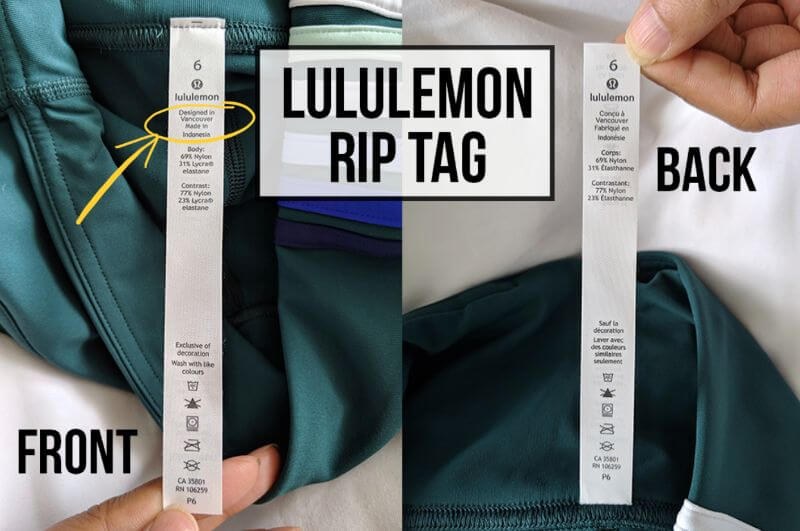
Lululemon’s manufacturing strategy is a sophisticated tapestry that balances cost-efficiency with high-performance engineering. By diversifying its production across the globe, the brand has managed to scale from a niche yoga studio basement to a multi-billion dollar global powerhouse. This article explores the strategic decisions behind Lululemon’s manufacturing locations and how these choices reinforce its position as a premium lifestyle brand.
The Strategic Geography of Lululemon’s Global Supply Chain
Lululemon does not own its manufacturing facilities. Instead, it operates through a highly vetted network of third-party vendors. This “asset-light” model is a cornerstone of its brand strategy, allowing the company to remain agile and focus on design and community engagement while outsourcing the heavy lifting of garment construction to specialized experts.
Southeast Asia and South Asia: The Hub of Technical Apparel
The vast majority of Lululemon’s products are manufactured in South and Southeast Asia. Countries like Vietnam, Cambodia, Sri Lanka, and Bangladesh serve as the primary engines for the brand’s output. Vietnam, in particular, has emerged as a critical partner, producing a significant percentage of the brand’s total volume.
The choice of these regions is not merely based on labor costs; it is based on specialized expertise. Over the last two decades, Southeast Asian manufacturers have invested heavily in the technical machinery required to work with synthetic, high-stretch fabrics. For a brand like Lululemon, which prides itself on “science of feel,” the precision of heat-bonding, laser-cutting, and flatlocked stitching is non-negotiable. These regions offer a concentration of skilled labor that understands the complexities of performance textiles.
China and Taiwan: The Source of Innovation
While Southeast Asia handles much of the assembly, China and Taiwan remain integral to the brand’s fabric innovation. Taiwan, specifically, is a global leader in synthetic textile technology. Many of Lululemon’s trademarked fabrics—such as Luon, Nulu, and Everlux—are developed in collaboration with Taiwanese mills. By maintaining a manufacturing presence here, Lululemon ensures it stays at the bleeding edge of material science, a core component of its brand identity as an innovator rather than just a garment reseller.
From Local Roots to Global Scale: The Evolution of Brand Perception
In its early years, Lululemon’s identity was deeply tethered to its Canadian heritage. “Made in Canada” was a hallmark of the brand, signaling a sense of local craftsmanship and North American quality. However, as the brand transitioned into a global enterprise, its manufacturing strategy had to evolve.
Navigating the Transition from Local to Global
The move from Canadian manufacturing to a global supply chain was a pivotal moment in Lululemon’s brand history. To maintain its premium status, the company had to prove that quality was not tied to a specific geography but to a specific set of standards. This transition required a rigorous overhaul of quality control measures. Lululemon’s brand strategy shifted from “locally made” to “globally sourced, expertly engineered.”
This shift was essential for scalability. To meet the exploding global demand, the brand needed the infrastructure and volume capacity that only large-scale international vendors could provide. By successfully navigating this change, Lululemon demonstrated that a premium brand could outsource its production without diluting its perceived value, provided the end product remained superior in performance.
Maintaining Quality Control Across Borders
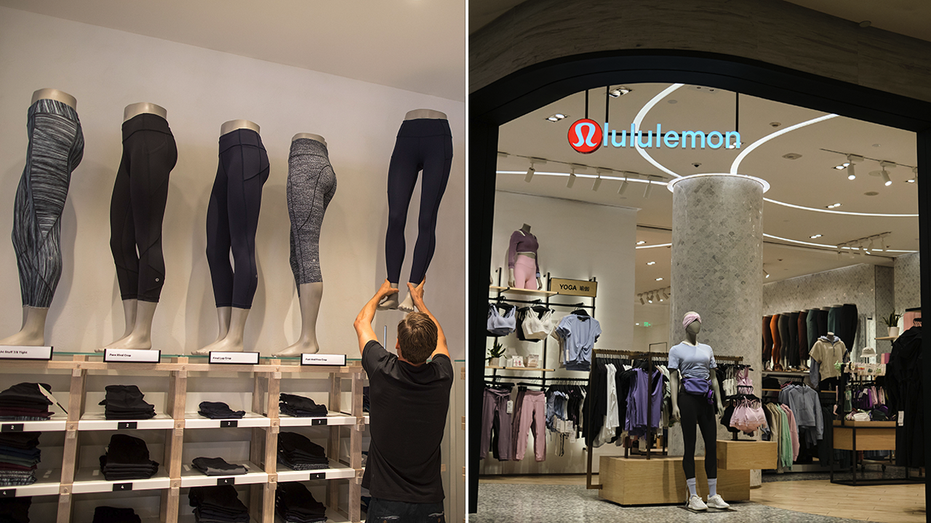
To protect its brand equity, Lululemon employs a massive team of quality assurance experts who are embedded within their partner factories. This ensures that a pair of Align leggings manufactured in Vietnam feels identical to one produced anywhere else. This consistency is vital for brand loyalty. If a customer pays $100 for leggings, they are paying for a predictable experience. Lululemon’s ability to enforce these standards globally is a testament to its operational brand strength.
Ethical Sourcing as a Pillar of Corporate Identity
In today’s market, a brand’s reputation can be destroyed overnight by reports of unethical labor practices. For Lululemon, whose brand is built on the concepts of wellness, mindfulness, and “living the sweat life,” ethical manufacturing is not just a legal requirement—it is a core brand pillar.
The Vendor Code of Ethics
Lululemon’s corporate identity is heavily invested in its “Vendor Code of Ethics.” This document outlines strict requirements for human rights, fair wages, and safe working conditions. By making these standards public and publishing an annual “Impact Report,” Lululemon leverages its supply chain as a marketing tool. They understand that their target demographic—upwardly mobile, health-conscious individuals—cares deeply about the social impact of their purchases.
The brand’s commitment to the Social & Labor Convergence Program (SLCP) and the Sustainable Apparel Coalition (SAC) further reinforces its identity as a responsible leader. When the brand communicates where it is manufactured, it does so through the lens of partnership and empowerment, highlighting programs that support worker well-being in their partner factories.
Sustainability and the Conscious Consumer
A significant part of Lululemon’s brand strategy involves the “Be Planet” pillar of its Impact Agenda. This includes a commitment to sourcing sustainable materials, such as recycled polyester and nylon. By choosing manufacturing partners that have the technology to process these sustainable fibers, Lululemon aligns its production reality with its brand promise. The transparency of their factory list—which is available for public viewing—serves as a “trust signal” to consumers, reinforcing the idea that the brand has nothing to hide.
The Role of Proprietary Fabrics in Defining Brand Identity
One of the most unique aspects of Lululemon’s manufacturing strategy is its vertical integration of fabric development. Unlike many competitors who buy “off-the-shelf” fabrics, Lululemon’s brand identity is built on proprietary materials that are manufactured to their exact specifications.
Intellectual Property as a Branding Tool
When a customer thinks of Lululemon, they often think of the specific “feel” of the fabric—the “naked sensation” of the Align pant or the “compressive support” of the Wunder Train. These sensations are the result of specific manufacturing processes. By owning the intellectual property of the fabric (even if they don’t own the machines), Lululemon creates a “moat” around its brand. You can buy yoga pants anywhere, but you can only get Nulu fabric at Lululemon.
This manufacturing-led differentiation allows the brand to maintain high price points and avoid the “race to the bottom” seen in fast fashion. It positions Lululemon not just as a clothing company, but as a technology and design firm.
Innovation in Textile Engineering
The manufacturing of these fabrics involves complex chemical engineering and mechanical finishing. For instance, the moisture-wicking properties and silver-ion technologies (used for odor resistance) require sophisticated chemical applications during the weaving process. Lululemon’s choice of manufacturing partners in Taiwan and South Korea is driven by these technical requirements. This obsession with the “science of feel” is what differentiates the brand in a crowded market, ensuring that the “Where” of manufacturing is always secondary to the “How.”
Conclusion: Manufacturing as the Silent Partner in Brand Strategy
Where Lululemon is manufactured is a story of strategic globalism. It is a story that moves from the rain-soaked streets of Vancouver to the high-tech textile mills of Taiwan and the massive assembly hubs of Vietnam. Every location is chosen with a specific brand goal in mind: quality, scalability, innovation, or ethical responsibility.
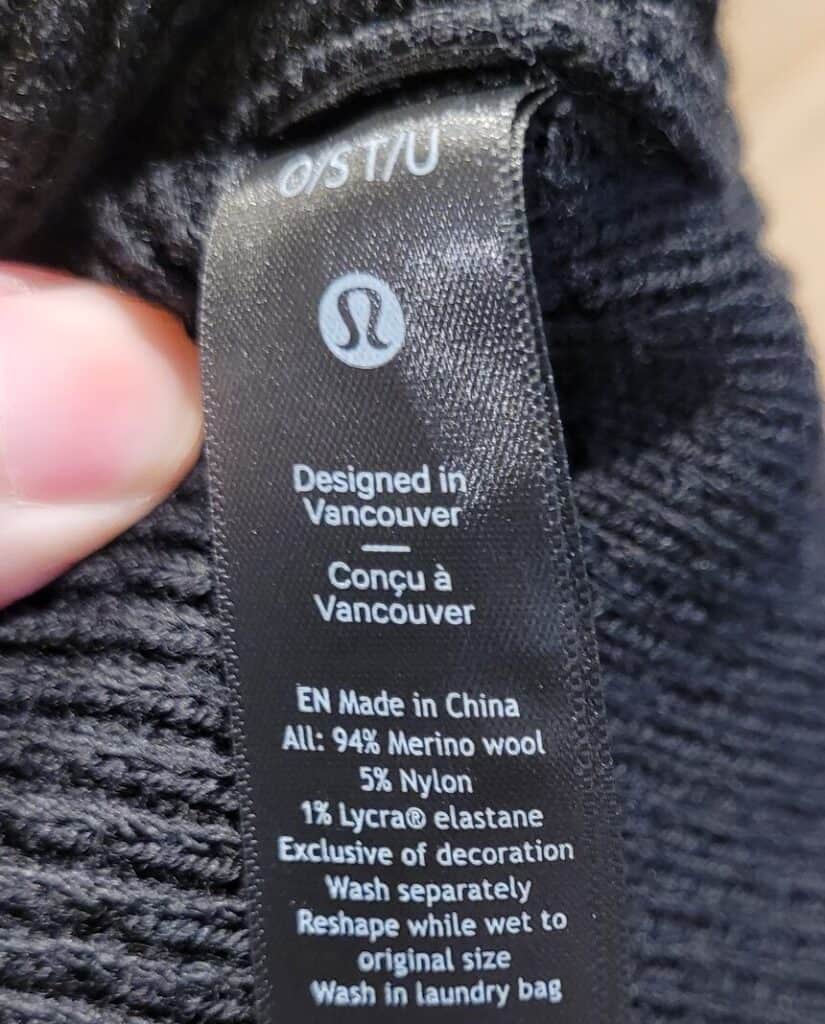
Lululemon has successfully mastered the art of “Brand Geography.” They have moved beyond the stigma of “outsourcing” by turning their supply chain into a narrative of expertise and ethical progress. For the consumer, the “Made in…” label is a secondary concern because the brand has built a level of trust that transcends borders.
In the final analysis, Lululemon’s manufacturing strategy is the backbone of its corporate identity. It proves that in the modern economy, a brand is not just what it says, but what it does—and where it chooses to do it. By prioritizing technical excellence and ethical transparency, Lululemon ensures that its global footprint remains a source of brand strength rather than a liability.
aViewFromTheCave is a participant in the Amazon Services LLC Associates Program, an affiliate advertising program designed to provide a means for sites to earn advertising fees by advertising and linking to Amazon.com. Amazon, the Amazon logo, AmazonSupply, and the AmazonSupply logo are trademarks of Amazon.com, Inc. or its affiliates. As an Amazon Associate we earn affiliate commissions from qualifying purchases.