
Budgeting is often perceived as a financial straitjacket—a restrictive set of rules designed to prevent you from enjoying your hard-earned money. In reality, a well-constructed budget is the ultimate tool for financial freedom. It is not about limiting your life; it is about directing your resources toward the things that matter most to you. Whether you are looking to pay down debt, save for a home, or build a robust investment portfolio, the foundation of every major financial achievement is a clear and actionable budget.
In this guide, we will explore the strategic frameworks of personal finance, the psychological shifts required for success, and the practical steps you can take today to gain absolute control over your money.
1. Establishing the Foundation: Understanding Your Cash Flow
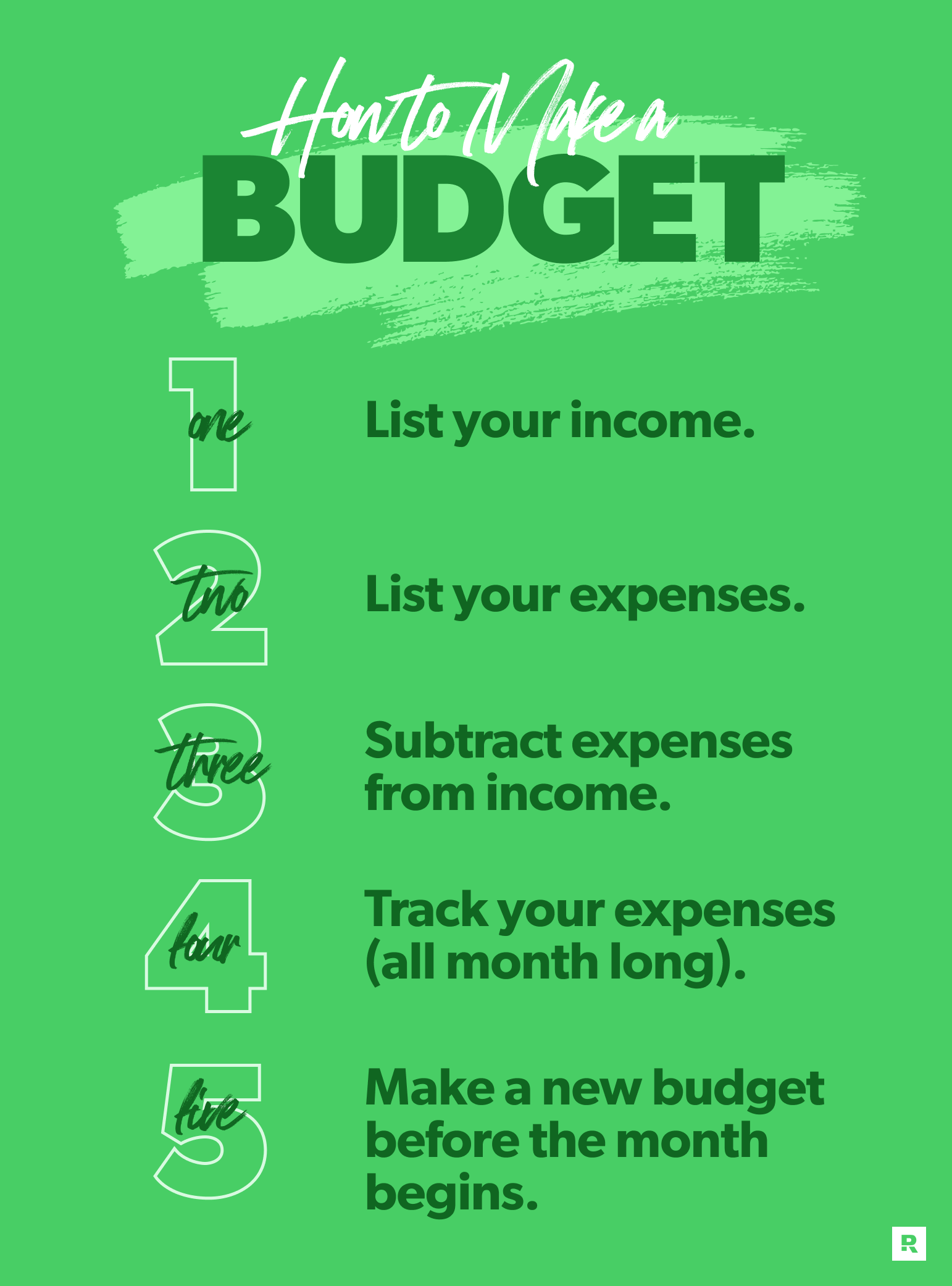
Before you can decide where your money should go, you must have an unflinching understanding of where it currently goes. Budgeting is, at its core, a data-driven exercise. Without accurate data, your financial plan is merely guesswork.
Identifying Your Net Income
The first step in any budget is determining your “take-home pay” or net income. This is the amount that hits your bank account after taxes, health insurance premiums, and retirement contributions have been deducted. If you are a freelancer or a business owner, this step is more complex, as you must set aside a percentage for taxes and business expenses before determining what is truly “yours.” Understanding your net income prevents the common mistake of budgeting based on a gross salary that you never actually see.
Tracking and Categorizing Expenses
To build a realistic budget, you need to review at least three months of past spending. Most people are surprised by the discrepancy between what they think they spend and what they actually spend. Categorize these expenses into two main pillars:
- Fixed Expenses: These are non-negotiable costs that remain relatively constant, such as rent or mortgage payments, insurance, utilities, and loan repayments.
- Variable Expenses: These are costs that fluctuate monthly, such as groceries, dining out, entertainment, and personal shopping.
The Difference Between Needs and Wants
A critical part of the foundational phase is performing an honest audit of your spending habits. A “need” is an essential for survival and maintaining your livelihood (housing, basic food, transportation). A “want” is an enhancement to your lifestyle (streaming services, premium coffee, designer clothing). Distinguishing between the two allows you to identify “leakage”—small, recurring expenses that do not provide significant value but drain your wealth over time.
2. Choosing the Right Budgeting Framework
There is no one-size-fits-all approach to personal finance. The “best” budget is the one you can stick to consistently. Depending on your personality and financial goals, you may find one of the following strategic frameworks more effective than others.
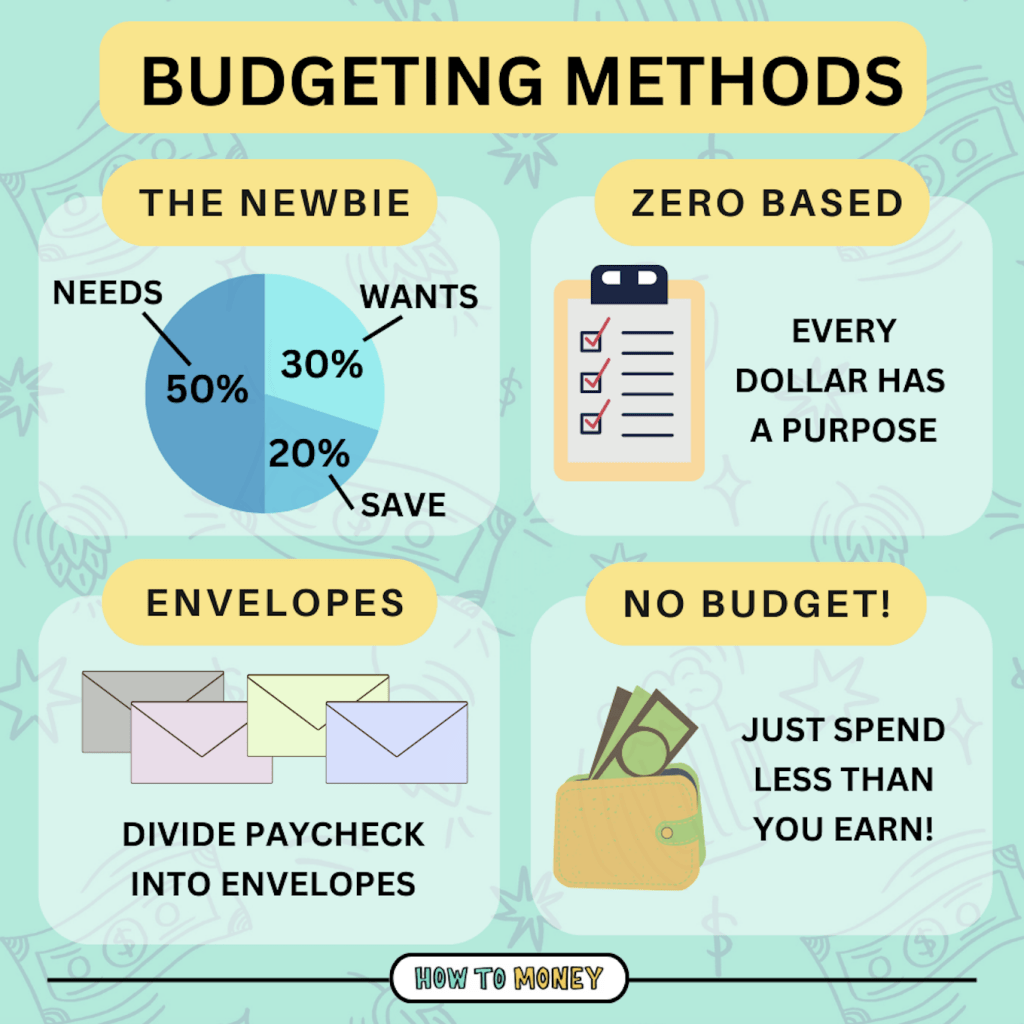
The 50/30/20 Rule
Popularized by Senator Elizabeth Warren, this is an excellent framework for those who prefer simplicity. It divides your net income into three buckets:
- 50% for Needs: Essential living expenses.
- 30% for Wants: Lifestyle choices and discretionary spending.
- 20% for Financial Goals: This includes debt overpayments, emergency savings, and investments.
The beauty of this system is its flexibility. It ensures that you are covering your essentials and preparing for the future while still leaving room to enjoy the present.
Zero-Based Budgeting
Zero-based budgeting is a method where every single dollar of your income is assigned a specific task until the balance is zero. This does not mean you have zero dollars in your bank account; it means that if you earn $5,000 this month, you have “spent” or allocated all $5,000 toward expenses, savings, or investments. This method is highly effective for individuals who want maximum control and who tend to lose track of “leftover” money.
The Envelope System (Cash or Digital)
For those who struggle with overspending in specific categories like dining out or clothing, the envelope system offers a physical or digital boundary. You allocate a set amount of cash to an envelope for a specific category. Once the envelope is empty, you cannot spend any more in that category until the next month. In the modern era, many financial apps allow you to create “digital envelopes” or “sinking funds” to achieve the same result without carrying physical cash.
3. Strategic Implementation and Financial Tools
Once you have chosen a framework, the next step is implementation. This involves choosing the right tools to monitor your progress and automating your systems to reduce “decision fatigue.”
Leveraging Financial Technology
While a simple spreadsheet or a notebook can work, financial software can provide real-time insights that manual tracking cannot. Tools that sync with your bank accounts can automatically categorize transactions, providing a visual dashboard of your financial health. However, the tool is only as good as the user. Professional financial management requires checking these tools weekly to ensure categories are accurate and to adjust for unexpected costs.
The Power of Automation
One of the most effective ways to ensure your budget succeeds is to “pay yourself first” through automation. Set up automatic transfers to your savings or investment accounts to occur the same day your paycheck hits. By removing the manual step of transferring money, you treat your savings like a non-negotiable bill. This reduces the temptation to spend what you see in your checking account.
Creating Sinking Funds for Periodic Expenses
A common reason budgets fail is the “unexpected” expense that was actually predictable. Annual car registrations, holiday gifts, and quarterly insurance premiums often catch people off guard. Sinking funds involve saving a small amount each month for these specific future costs. If your annual car insurance is $1,200, budgeting $100 a month into a sinking fund ensures that when the bill arrives, it is a non-event rather than a financial crisis.
4. Navigating Psychological Barriers and Common Pitfalls
Budgeting is 20% math and 80% behavior. Understanding the psychological challenges of money management is crucial for long-term adherence.
Overcoming Budget Burnout
Many people start a budget with high intensity, cutting all discretionary spending and living as frugally as possible. This often leads to “budget burnout,” where the individual eventually rebels against their own restrictions and goes on a spending spree. To avoid this, ensure your budget is sustainable. Allow yourself “fun money”—a guilt-free category that you can spend on anything you want, no questions asked.
Dealing with Variable Income and Inflation
If your income fluctuates (e.g., commissions or freelance work), budgeting requires a “baseline” approach. Base your monthly expenses on your lowest expected monthly income. Any “surplus” earned during high-income months should be diverted into a buffer fund to cover lean months or used to accelerate your financial goals. Additionally, in an inflationary environment, it is vital to review your budget every six months. Fixed costs like groceries and utilities may rise, requiring you to trim “wants” to maintain your savings rate.
The Role of the Emergency Fund
A budget cannot exist in a vacuum. Without an emergency fund, a single car repair or medical bill can derail your entire financial plan. Most experts recommend keeping three to six months of essential living expenses in a high-yield savings account. This fund acts as a shock absorber for your budget, ensuring that life’s inevitable surprises do not force you into high-interest debt.
5. From Budgeting to Wealth Building
A budget is a means to an end, not the end itself. The ultimate goal of managing your money is to transition from a state of financial awareness to a state of financial independence.
Debt Elimination Strategies
If you carry high-interest debt, such as credit card balances, your budget should be weaponized to eliminate it. The “Debt Avalanche” method (focusing on the highest interest rate first) is mathematically superior, while the “Debt Snowball” method (focusing on the smallest balance first) can provide psychological momentum. Choose the one that keeps you motivated.
Investing the Surplus
Once your high-interest debt is gone and your emergency fund is set, the “savings” portion of your budget should evolve into an “investing” portion. This is where wealth is created. By consistently allocating a portion of your budget to low-cost index funds, retirement accounts, or other income-generating assets, you allow compound interest to do the heavy lifting.

Regular Financial Audits
Your life will change—you may get a promotion, move to a new city, or start a family. Your budget must be a living document that evolves with you. Conduct a comprehensive financial review at the end of every year. Celebrate your wins, analyze your failures, and set new goals for the year ahead.
In conclusion, budgeting is not about restriction; it is about clarity. It is the process of aligning your spending with your values. By understanding your cash flow, choosing a structured framework, leveraging the right tools, and managing the psychological aspects of money, you transform from a passive observer of your finances into the active architect of your future. Start today—not by cutting everything out, but by deciding exactly where you want your next dollar to go.
aViewFromTheCave is a participant in the Amazon Services LLC Associates Program, an affiliate advertising program designed to provide a means for sites to earn advertising fees by advertising and linking to Amazon.com. Amazon, the Amazon logo, AmazonSupply, and the AmazonSupply logo are trademarks of Amazon.com, Inc. or its affiliates. As an Amazon Associate we earn affiliate commissions from qualifying purchases.