
When investors ask, “How much is Google stock?” they are often looking for more than just a real-time ticker price. They are inquiring about the value, the potential for growth, and the structural health of one of the world’s most dominant economic engines. Alphabet Inc. (the parent company of Google) represents a cornerstone of the modern digital economy. However, for the individual investor, understanding the price of a single share is only the beginning of a much deeper financial journey.
In the world of personal finance and institutional investing, Google is a “Magnificent Seven” stock, a designation given to the high-performing tech giants that drive the lion’s share of market returns. To understand the cost of entry, one must navigate the nuances of share classes, market capitalization, and the underlying financial metrics that justify its valuation.
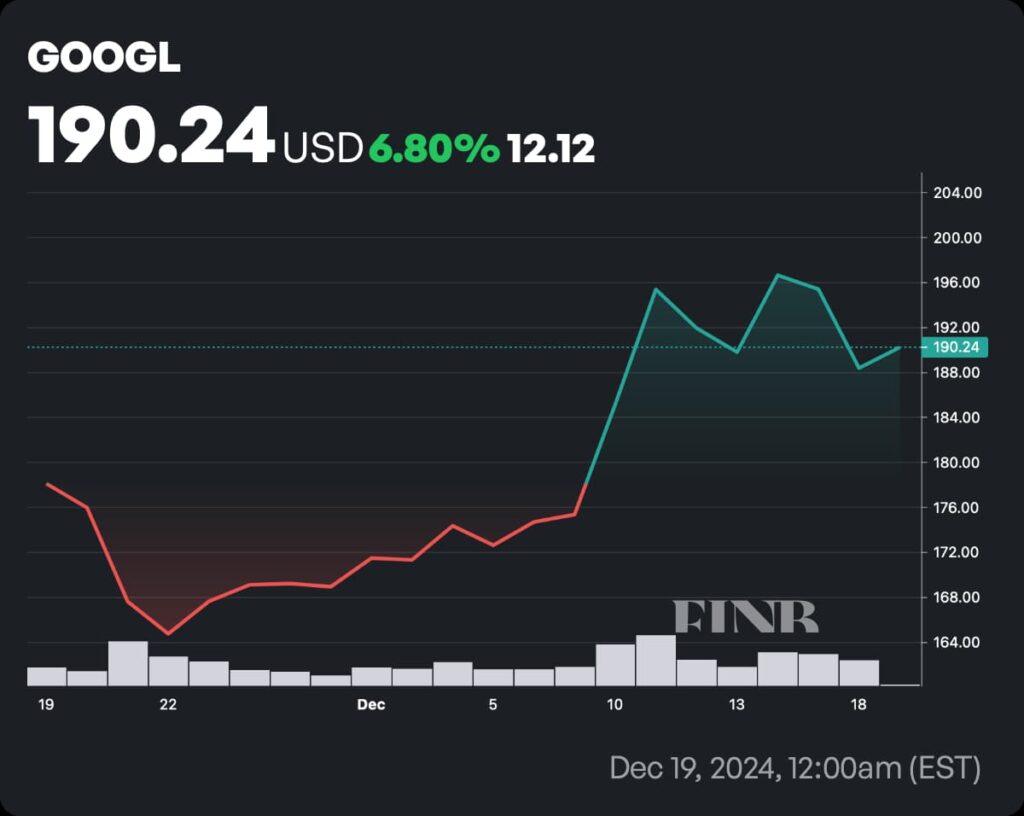
Understanding Alphabet’s Share Classes: GOOG vs. GOOGL
Before looking at the dollar amount on your brokerage app, it is crucial to understand that “Google stock” actually exists in two primary forms for the average investor: Class A and Class C. This distinction is a unique aspect of Alphabet’s corporate governance and can slightly affect the price you pay and the rights you hold as a shareholder.
Class A Shares (Ticker: GOOGL)
Class A shares are the traditional common stock offered to the public. The defining characteristic of GOOGL shares is that they carry voting rights—specifically, one vote per share. For the retail investor, these votes may feel symbolic, but for institutional holders, they are a mechanism for influencing corporate policy. Historically, GOOGL often trades at a slight premium compared to its counterpart, though the gap is usually minimal.
Class C Shares (Ticker: GOOG)
Class C shares were created following a stock split in 2014. These shares carry no voting rights. They were designed to allow the company’s founders and executives to maintain control over the company’s direction while still being able to issue stock for employee compensation and acquisitions. If you are a passive investor who simply wants exposure to the company’s earnings and growth without the desire to participate in shareholder meetings, GOOG is the standard choice.
The Impact of the 20-for-1 Stock Split
For years, the “price” of Google stock was a barrier to entry for many, often trading well above $2,000 per share. In July 2022, Alphabet executed a 20-for-1 stock split. This did not change the total value of the company (market cap), but it significantly lowered the price per individual share. This move was a strategic financial decision to increase liquidity and make the stock more accessible to retail investors who might not have access to fractional share trading.
Analyzing the Valuation: Is the Price Justified?
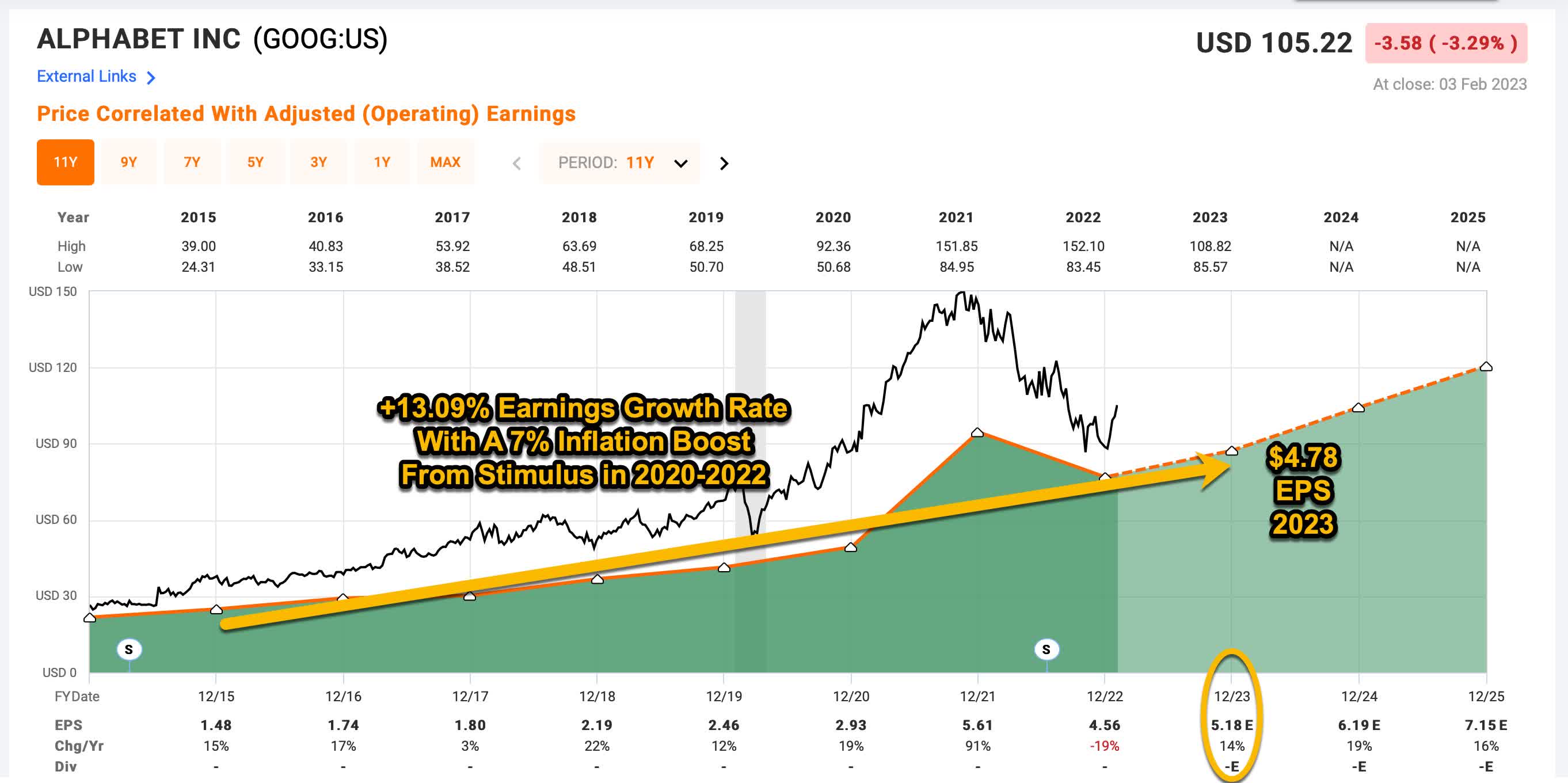
In the “Money” niche, the price of a stock is irrelevant without context. To determine if Google stock is “expensive” or “cheap,” investors look at valuation multiples. Even if the share price is $150, it could be “cheaper” than it was at $100 if the company’s earnings have grown faster than the price.
The Price-to-Earnings (P/E) Ratio
The P/E ratio is the most common tool for measuring a stock’s value. It tells you how much investors are willing to pay for every $1 of the company’s profit. Historically, Alphabet has traded at a P/E ratio that is often lower than its peers like Microsoft or Amazon. For a value-conscious investor, this frequently positions Google as a “GARP” (Growth at a Reasonable Price) stock. When the P/E ratio dips below its five-year average, many financial analysts view it as a buying opportunity.
Revenue Diversification and Growth
The “price” you pay today is an investment in the future cash flows of the company. While Google Search remains the primary “cash cow,” accounting for the majority of ad revenue, investors pay close attention to Google Cloud. As Cloud becomes profitable, it adds a high-margin revenue stream that diversifies the company away from the cyclical nature of the advertising market. A rising stock price usually reflects the market’s confidence that these secondary segments will eventually rival Search in terms of importance.
Cash Reserves and Share Buybacks
One of the most attractive financial features of Alphabet is its massive “fortress” balance sheet. With tens of billions of dollars in cash and cash equivalents, Alphabet has the financial muscle to weather economic downturns. Furthermore, the company frequently engages in massive share buyback programs. By repurchasing its own stock, Alphabet reduces the total number of shares outstanding, which increases the “Earnings Per Share” (EPS) and theoretically drives the stock price higher over the long term.
Key Financial Drivers Influencing the Stock Price
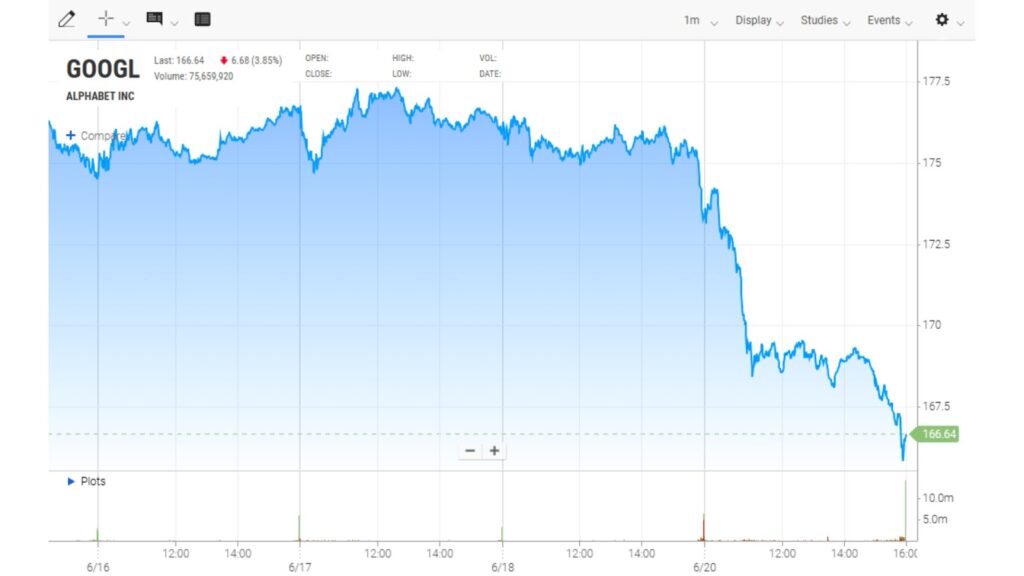
The daily fluctuations in Google’s stock price are rarely random. They are driven by specific macroeconomic factors and internal business developments that investors must monitor to understand the volatility of their portfolio.
The AI Arms Race and Investor Sentiment
In the current financial landscape, nothing moves Google’s stock price quite like Artificial Intelligence (AI). When Alphabet announces advancements in its Gemini AI models or integrations into Search, the market often reacts positively. Conversely, any perception that Google is falling behind competitors like OpenAI or Microsoft can lead to “valuation contraction,” where the stock price drops because investors fear a loss of market share. In the “Money” world, AI is currently the largest “alpha” factor for tech stocks.
Macroeconomics: Interest Rates and Ad Spend
Alphabet is sensitive to the broader economy. Because the majority of its revenue comes from digital advertising, the stock price often mirrors the health of global businesses. When interest rates are high and a recession looms, companies cut their marketing budgets, which can depress Google’s earnings. Conversely, in a low-interest-rate environment with high consumer spending, Alphabet’s “toll booth” model on the internet generates massive returns, driving the stock to new heights.
Regulatory Challenges and Antitrust Risk
A significant “headwind” that investors must price in is the threat of government regulation. Alphabet is frequently the target of antitrust lawsuits in the U.S. and the E.U. regarding its dominance in search and advertising technology. While these legal battles can take years to resolve, news of a potential “break-up” or significant fines can cause sudden, sharp drops in the stock price. Investors must weigh the company’s massive profits against these systemic legal risks.
Strategic Approaches to Investing in Google
Understanding how much Google stock is worth is only the first step. The second step is determining how to integrate it into your financial plan. Investing in a single company requires a different strategy than buying an index fund.
Dollar-Cost Averaging (DCA)
Because the tech sector is prone to high volatility, many personal finance experts recommend Dollar-Cost Averaging. Instead of trying to “time the market” and buy Google at its absolute bottom, you invest a fixed dollar amount at regular intervals (e.g., $200 every month). This strategy ensures that you buy more shares when the price is low and fewer shares when the price is high, resulting in a lower average cost over time.
Utilizing Fractional Shares
Modern brokerage platforms have revolutionized how we think about stock prices. If you only have $50 to invest, you no longer need to wait until you can afford a full share of GOOGL. By using fractional shares, you can own a piece of Alphabet regardless of the nominal share price. This allows for immediate compounding and ensures that your “idle cash” is working for you in the market.
Portfolio Allocation and Diversification
While Google is a powerhouse, financial prudence dictates that it should not be the only asset in your portfolio. Most financial advisors suggest that individual stock positions should not exceed 5-10% of a total investment portfolio. For many, the “safest” way to own Google is through an Exchange-Traded Fund (ETF) that tracks the S&P 500 (like VOO or SPY) or the Nasdaq-100 (QQQ). In these funds, Google is often one of the top holdings, allowing you to benefit from its growth while being protected by the diversification of hundreds of other companies.
Conclusion: The Long-Term Value of Alphabet
So, how much is Google stock? The answer is more than a number on a screen. It is a reflection of global advertising health, the progress of artificial intelligence, and the efficiency of a trillion-dollar corporate machine.
For the disciplined investor, the current price is merely an entry point into a company that has fundamentally changed how the world accesses information. While short-term volatility is a certainty—driven by interest rate shifts, regulatory news, or quarterly earnings beats—the long-term financial narrative of Alphabet remains focused on its ability to generate immense free cash flow and dominate the digital landscape.
Whether you are buying Class A shares for the voting rights or Class C shares for pure price appreciation, investing in Google is a bet on the continued digitization of the global economy. As with any investment, the key to success is not just knowing the price, but understanding the value, managing your risk, and maintaining a perspective that spans years rather than days.
aViewFromTheCave is a participant in the Amazon Services LLC Associates Program, an affiliate advertising program designed to provide a means for sites to earn advertising fees by advertising and linking to Amazon.com. Amazon, the Amazon logo, AmazonSupply, and the AmazonSupply logo are trademarks of Amazon.com, Inc. or its affiliates. As an Amazon Associate we earn affiliate commissions from qualifying purchases.