
In the realm of personal finance, few discretionary expenses are as volatile or as potentially taxing as airfare. For the frequent traveler or the budget-conscious family, understanding when to buy airline tickets is not merely a matter of convenience; it is a sophisticated exercise in market timing and capital allocation. Airline pricing is one of the most complex examples of dynamic pricing in the modern economy, utilizing high-frequency data and predictive modeling to maximize revenue per seat.
To the untrained eye, price fluctuations can seem erratic. However, for those who view travel through a financial lens, these fluctuations represent opportunities to optimize spending and preserve capital for other investments. This guide explores the financial mechanics behind airfare, the strategic windows for purchasing, and how to integrate travel costs into a robust personal finance framework.
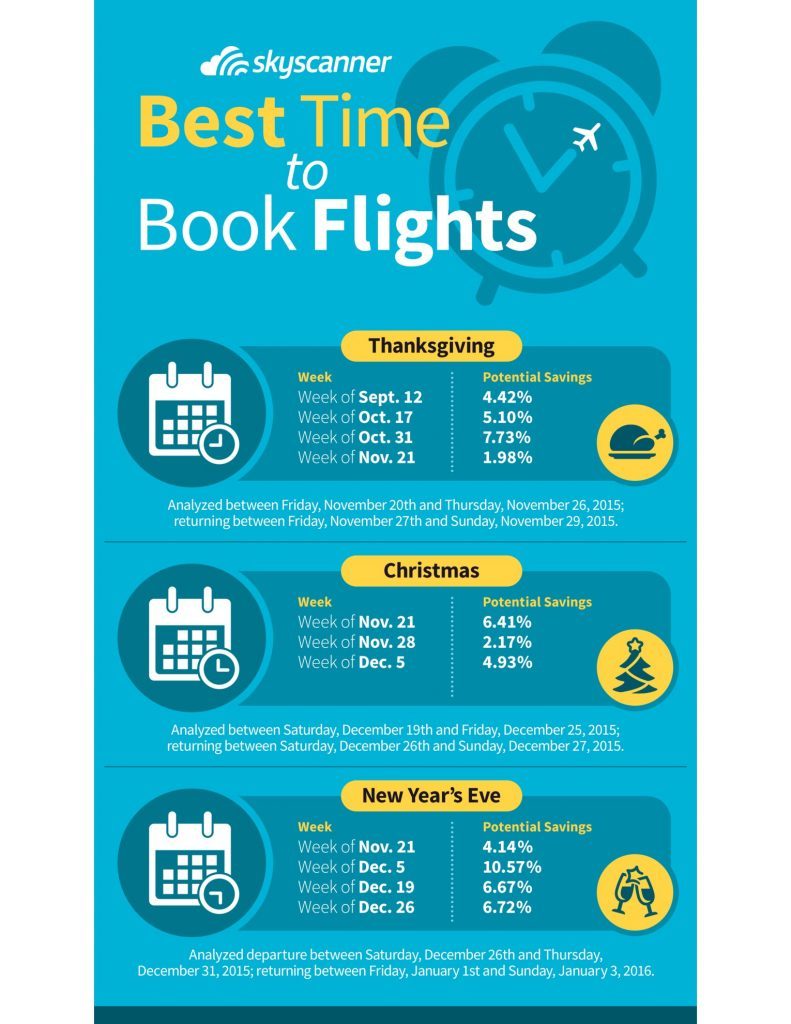
The Economics of Airfare: Understanding Dynamic Pricing
Before one can master the timing of a purchase, one must understand the economic engine driving the price. Airlines do not use fixed pricing; instead, they employ “Yield Management,” a variable pricing strategy based on anticipating and influencing consumer behavior.
The Yield Management Model
Airlines view every flight as a perishable asset. Once a plane takes off, any empty seat represents a lost revenue opportunity that can never be recovered. To mitigate this, carriers use sophisticated algorithms to segment customers into different “buckets.” Business travelers, who are often price-insensitive and book last-minute, are charged a premium. Leisure travelers, who are price-sensitive and book in advance, are offered lower tiers.
From a financial perspective, your goal is to land in the lowest possible price bucket without sacrificing the utility of the trip. The airline’s algorithm is constantly adjusting prices based on historical data, competitor pricing, and remaining inventory. Understanding that you are participating in a live, algorithmic auction is the first step toward making a smarter purchase.
Supply vs. Demand: Seasonal and Tactical Fluctuations
Airfare prices are heavily influenced by the basic economic law of supply and demand. However, in the travel industry, demand is cyclical. Peak seasons—such as summer holidays, year-end festivities, and major global events—create a “seller’s market.” During these times, the floor price for tickets is significantly higher.
Tactical fluctuations occur on a smaller scale, often influenced by fuel prices, labor costs, and route competition. When a low-cost carrier enters a specific route, it often forces legacy carriers to drop their prices to maintain market share. As an investor in your own experiences, monitoring these competitive shifts can lead to substantial “dividends” in the form of saved cash.
Timing the Market: Data-Driven Strategies for Cost Optimization
In the world of investing, “time in the market” usually beats “timing the market.” In the world of airline tickets, however, timing is everything. While the old myth that “Tuesday at midnight” is the cheapest time to buy has been largely debunked by modern data, specific booking windows do exist.
The “Goldilocks Window” for Domestic and International Travel
Data analysis from major travel aggregators suggests that there is a “Goldilocks Window”—a period where prices are at their statistical low before the sharp incline of last-minute premiums.
For domestic travel, this window typically opens 1 to 3 months before departure. Purchasing too early (more than six months out) often means paying a “placeholder” price that hasn’t yet been adjusted for actual demand. Purchasing too late (less than 21 days out) subjects you to the high-margin pricing reserved for corporate travelers.
For international travel, the window is wider. Optimal prices are generally found 2 to 8 months in advance. Because international routes have higher operating costs and fewer daily frequencies, airlines are less likely to offer deep “fire sale” discounts as the departure date nears, making early commitment a sound financial strategy.

Mid-week vs. Weekend: Decoupling Booking Days from Flying Days
There is a critical distinction between the day you buy the ticket and the day you fly. While the day of purchase has become less relevant due to 24/7 algorithmic updates, the day of travel remains a significant price driver.
Statistically, flying on Tuesdays, Wednesdays, and Saturdays is less expensive than flying on Fridays or Sundays. By shifting your travel schedule by just 24 to 48 hours, you can often achieve a 15% to 30% reduction in costs. In personal finance terms, this is an incredible return on a minor adjustment of your time.
Leveraging Financial Tools and Loyalty Capital
Smart money management involves using every tool at your disposal to reduce out-of-pocket expenses. In the travel sector, this means moving beyond cash transactions and into the world of credit arbitrage and fintech.
Maximizing Rewards: Credit Card Points and Airline Miles
For many high-net-worth individuals and savvy budgeters, the “price” of a ticket is measured in points rather than dollars. Travel rewards credit cards allow you to convert everyday business and personal spending into “loyalty capital.”
When calculating whether to buy a ticket with cash or points, always perform a “Cent Per Point” (CPP) analysis. If a $500 flight costs 50,000 miles, you are getting 1 cent per mile. If you can find a $1,000 flight for the same 50,000 miles, your value doubles to 2 cents per mile. A disciplined financial approach involves hoarding points for high-value redemptions (like international business class) where the cash price would be prohibitively expensive, thus protecting your liquid capital.
Price Tracking and Protection: Using Fintech to Mitigate Volatility
The rise of fintech has introduced tools that act as “stop-loss” orders for travel. Platforms like Google Flights, Hopper, and Kayak allow users to set price alerts. More advanced services even offer “price freeze” options for a small fee, allowing you to lock in a price while you finalize your plans—essentially a call option on an airline seat.
Additionally, many premium credit cards offer “Price Protection” or “Trip Cancellation Insurance.” Understanding these benefits is vital. If a price drops significantly after you buy, or if financial circumstances prevent travel, these built-in financial hedges protect your investment from total loss.
Integrating Travel Costs into Your Personal Finance Framework
To truly master the cost of airfare, one must stop viewing it as a sporadic “hit” to the bank account and start treating it as a planned line item in a broader financial strategy.
The Power of Sinking Funds for Travel
A common mistake in personal finance is failing to account for the “irregular” nature of travel. This leads to high-interest credit card debt when a necessary trip or a rare vacation opportunity arises. The solution is a “Sinking Fund”—a dedicated high-yield savings account where you deposit a set amount every month specifically for travel.
By treating travel as a monthly expense rather than a yearly shock, you gain the “liquidity” needed to pounce on “mistake fares” or sudden sales. When you have the cash ready, you can buy when the market is low, rather than being forced to buy when your schedule is tight and prices are high.

Assessing the Opportunity Cost of Last-Minute Bookings
Every dollar spent on an overpriced airline ticket is a dollar that cannot be invested in the stock market, a retirement fund, or a side business. This is the “opportunity cost.”
For business owners, the cost of a last-minute flight must be weighed against the potential ROI of the meeting. If a $1,200 last-minute flight secures a $10,000 contract, the expense is justified. However, for personal travel, failing to plan is a direct drain on your long-term wealth. By applying the same rigor to buying airline tickets as you would to buying a stock or a piece of real estate, you ensure that your lifestyle choices do not compromise your financial independence.
In conclusion, the question of “when to buy airline tickets” is solved through a combination of economic understanding, strategic timing, and the disciplined use of financial tools. By staying within the Goldilocks window, leveraging loyalty capital, and maintaining a dedicated travel fund, you can navigate the volatile airfare market with the confidence of a seasoned investor. In the end, the money you save in the air is money that grows on the ground.
aViewFromTheCave is a participant in the Amazon Services LLC Associates Program, an affiliate advertising program designed to provide a means for sites to earn advertising fees by advertising and linking to Amazon.com. Amazon, the Amazon logo, AmazonSupply, and the AmazonSupply logo are trademarks of Amazon.com, Inc. or its affiliates. As an Amazon Associate we earn affiliate commissions from qualifying purchases.