
For most households and business professionals, airfare represents one of the most volatile and significant discretionary expenses in a monthly or annual budget. Unlike consumer goods with static price tags, airline tickets function more like commodities on a high-frequency trading floor—fluctuating based on algorithmic predictions, global oil prices, and real-time demand shifts. Mastering the timing of a ticket purchase is not merely a travel “hack”; it is a sophisticated exercise in personal finance and asset management.
To optimize your travel budget, one must look beyond the urban legends of “clearing your browser cookies” and instead understand the underlying economic principles that govern the aviation industry. By treating airfare as a financial investment, travelers can significantly reduce their net expenditure and improve their overall return on travel (ROT).
Understanding the Financial Mechanics of Airline Pricing
Before identifying the specific “when,” it is crucial to understand the “why” behind price fluctuations. Airlines utilize some of the most advanced revenue management systems in the world, designed to extract the maximum possible price from every individual passenger.
The Shift from Static to Dynamic Pricing Models
Historically, airline prices were relatively predictable. However, the advent of Big Data and AI-driven dynamic pricing has transformed the industry. Today, airlines use “demand-based pricing,” which means the cost of a seat can change hundreds of times a day. From a financial perspective, this creates a high-volatility market. The price you see today is a reflection of the airline’s current “load factor”—the percentage of seats filled—versus the projected demand for that specific route at that specific time. For the budget-conscious traveler, this means that the “best time” to buy is less about a specific day of the week and more about the intersection of supply and the airline’s internal sales targets.
Yield Management: How Airlines Maximize Profit per Seat
Airlines categorize passengers into two primary financial buckets: price-sensitive leisure travelers and price-insensitive business travelers. Revenue management systems are designed to offer lower prices early to fill the “base” of the plane (ensuring operational costs are covered) and then spike prices in the final weeks before departure to capitalize on business travelers who must fly regardless of cost. Understanding this financial trajectory allows you to position your purchase in the “sweet spot” where the airline is still trying to secure its baseline occupancy.
The Optimal Booking Windows: Timing Your Investment
If we treat a plane ticket as a financial instrument, there is a clear “buy” zone where the risk of price increases outweighs the potential for further decreases. While the market is never 100% predictable, historical data provides a reliable roadmap for capital allocation.
Domestic Flights: The 28-to-60 Day Rule
For domestic travel within a single continent, the financial data suggests that the most cost-effective booking window typically opens about one to two months before departure. Purchasing too early (more than six months out) often means you are paying a “convenience premium,” as airlines have not yet begun to aggressively discount seats to meet occupancy goals. Conversely, waiting until the 21-day mark is a high-risk financial move; this is when the first major “booking class” for discount fares typically expires, leading to a sharp uptick in price. For the best personal finance outcome, aim to execute your purchase between 28 and 60 days from your flight.
International Travel: Planning Your Long-Term Capital Outlay
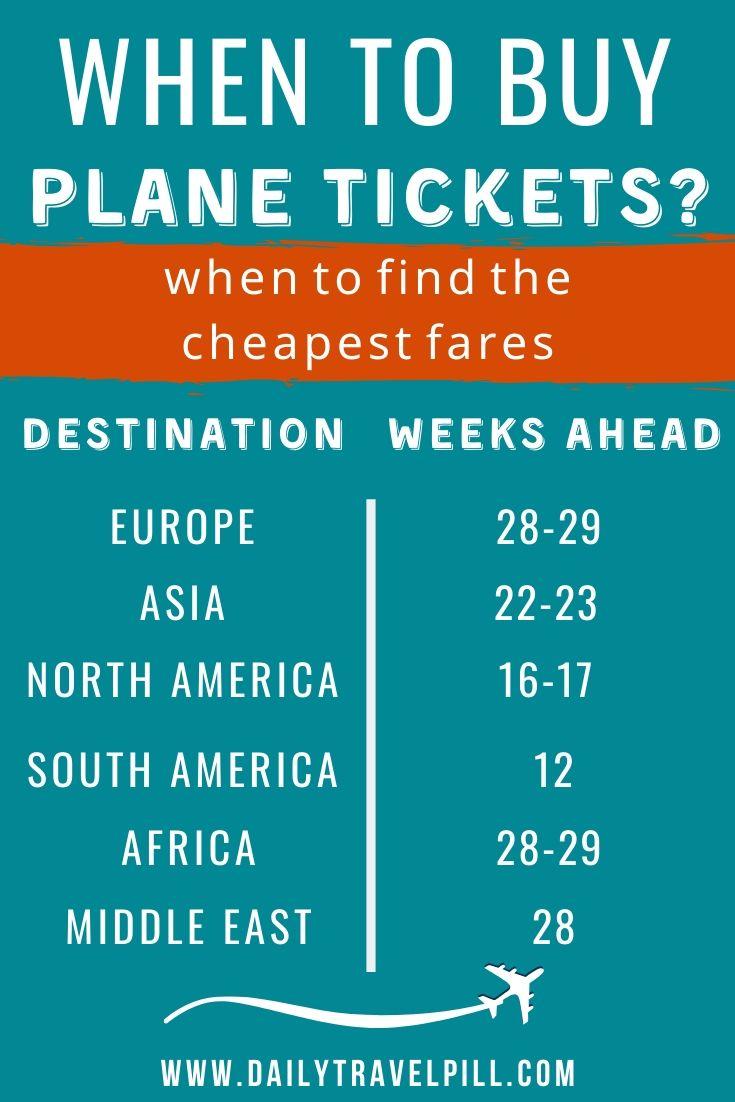
International airfare requires a much longer lead time because the supply is more constrained and the demand is more global. From a budgeting perspective, international trips should be planned 3 to 6 months in advance. Data from financial travel analytics firms suggests that for transoceanic flights, prices tend to hit their floor around the five-month mark. If you are traveling during peak seasons—such as the December holidays or summer break—this window moves even further back. In these cases, the “best time” to buy is as soon as the dates are confirmed, as the demand for these “peak assets” almost always exceeds supply, causing prices to trend exclusively upward.
Seasonal Volatility and Its Impact on Your Budget
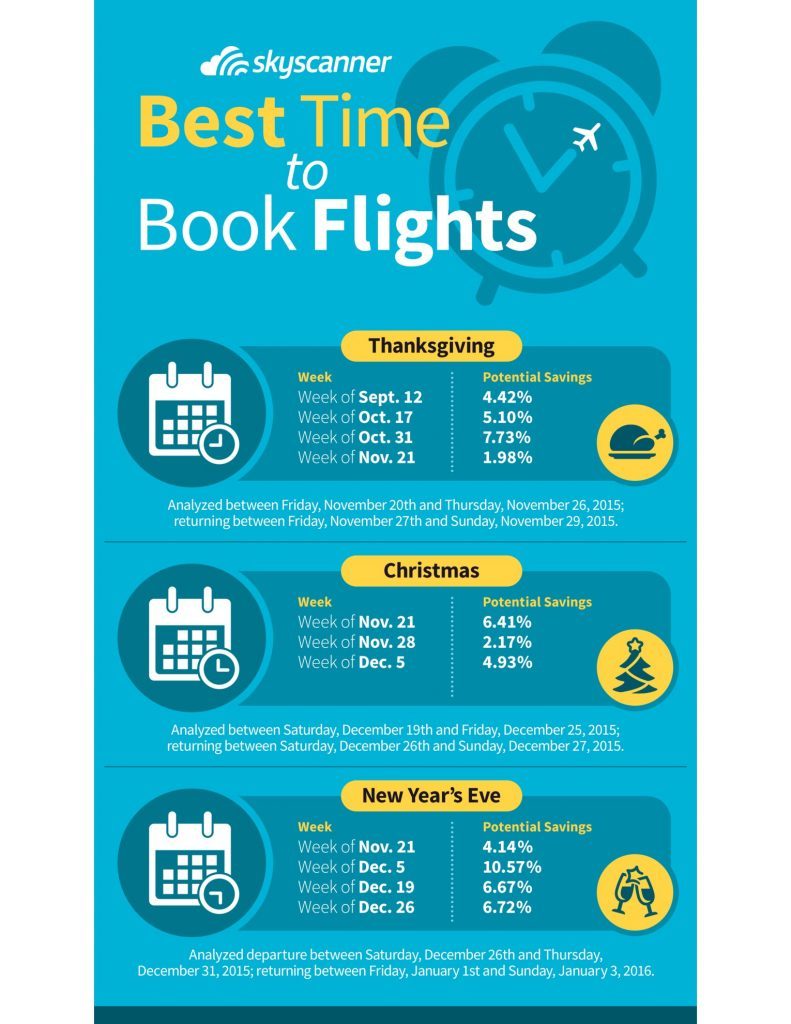
Just as a stock market reacts to seasonal cycles, the travel market is dictated by the calendar. The “Dead Zones” of travel—the first two weeks of December and the month of January—represent the highest liquidity for a traveler’s dollar. If your financial goal is to minimize expenditure, booking travel during these periods allows you to purchase tickets at a fraction of their peak value. Understanding the “shoulder season” (the period between peak and off-peak) is perhaps the most effective strategy for balancing cost with the quality of the travel experience.
Financial Tools and Methods for Price Optimization
In the modern financial landscape, no savvy investor makes a move without the right tools. Similarly, travelers should leverage specific financial technology to ensure they are getting the best price-to-value ratio.
Leveraging Price Trackers as Personal Finance Assistants
Tools like Google Flights, Hopper, and Kayak function essentially as Bloomberg Terminals for travel. By setting price alerts, you are outsourcing the monitoring of market volatility to an algorithm. From a money-management perspective, these tools allow you to establish a “strike price”—a predetermined amount you are willing to pay based on historical averages. When the price hits that target, you execute the trade. This removes the emotional component of “fear of missing out” (FOMO), which often leads to overpaying.
The Role of Travel Credit Cards in Reducing Net Expenditure
A sophisticated approach to purchasing plane tickets must include a strategy for credit card rewards and points arbitrage. Many high-end travel cards offer 3x to 5x points on airfare purchases, which serves as a de facto discount on the ticket price. Furthermore, some cards offer “Price Protection” or “Trip Delay Insurance,” which are essentially financial hedges against travel disruptions. When calculating the “cost” of a ticket, one must factor in the value of the points earned and the insurance protections provided. Often, a slightly more expensive ticket purchased with the right financial tool provides a better “net value” than the absolute cheapest fare found on a third-party site.
Strategic Decision-Making: Flexibility vs. Certainty
In finance, there is a constant trade-off between liquidity and return. In travel, this translates to the trade-off between flexibility and the “best” price.
The Opportunity Cost of the “Wait and See” Approach
Many travelers lose money by waiting for a “better” deal that never arrives. This is known in economics as “opportunity cost.” If you find a fare that fits within your established budget and is consistent with historical lows, the risk of waiting—hoping for another $20 drop—often leads to a $200 increase. A disciplined financial approach dictates that once a “fair value” is reached, the purchase should be finalized to lock in the expenditure and allow for the rest of the trip’s budget to be allocated with certainty.
Total Cost of Ownership: Accounting for Ancillary Fees
A common financial mistake is looking only at the “base fare.” To truly understand the impact on your personal finance, you must calculate the “Total Cost of Ownership” (TCO) of the ticket. This includes baggage fees, seat selection costs, and even the cost of transportation to and from specific airports. A $40 ticket on a budget carrier might end up costing $120 after fees, whereas a $110 ticket on a full-service airline might include all those amenities. When comparing “investments” in airfare, always calculate the all-in cost to ensure you are making an apples-to-apples comparison.
Conclusion: Developing a Disciplined Approach to Travel Spending
Purchasing a plane ticket at the right time is less about luck and more about the application of sound financial principles. By understanding the dynamic pricing models of airlines, identifying the optimal booking windows, utilizing price-tracking technology, and accounting for the total cost of ownership, you can transform travel from a chaotic expense into a well-managed part of your financial portfolio.
The “best time” to buy is ultimately when the market price aligns with your budgeted value and historical data suggests the risk of a price hike is greater than the potential for a drop. By maintaining this level of fiscal discipline, you ensure that your money travels as far as you do.
aViewFromTheCave is a participant in the Amazon Services LLC Associates Program, an affiliate advertising program designed to provide a means for sites to earn advertising fees by advertising and linking to Amazon.com. Amazon, the Amazon logo, AmazonSupply, and the AmazonSupply logo are trademarks of Amazon.com, Inc. or its affiliates. As an Amazon Associate we earn affiliate commissions from qualifying purchases.