
Travel is often one of the most significant line items in a personal or corporate budget. For many, the fluctuation of airline ticket prices feels like a game of high-stakes poker where the house always holds the edge. However, understanding when airline prices drop is not about luck; it is about understanding the intersection of market economics, yield management, and financial timing.
To master the art of the “buy,” one must look past the flashy advertisements and dive into the fiscal mechanics of the aviation industry. Whether you are a business owner looking to reduce overhead or a personal investor seeking to maximize the ROI of your vacation fund, knowing exactly when the market dips can save you thousands of dollars annually.
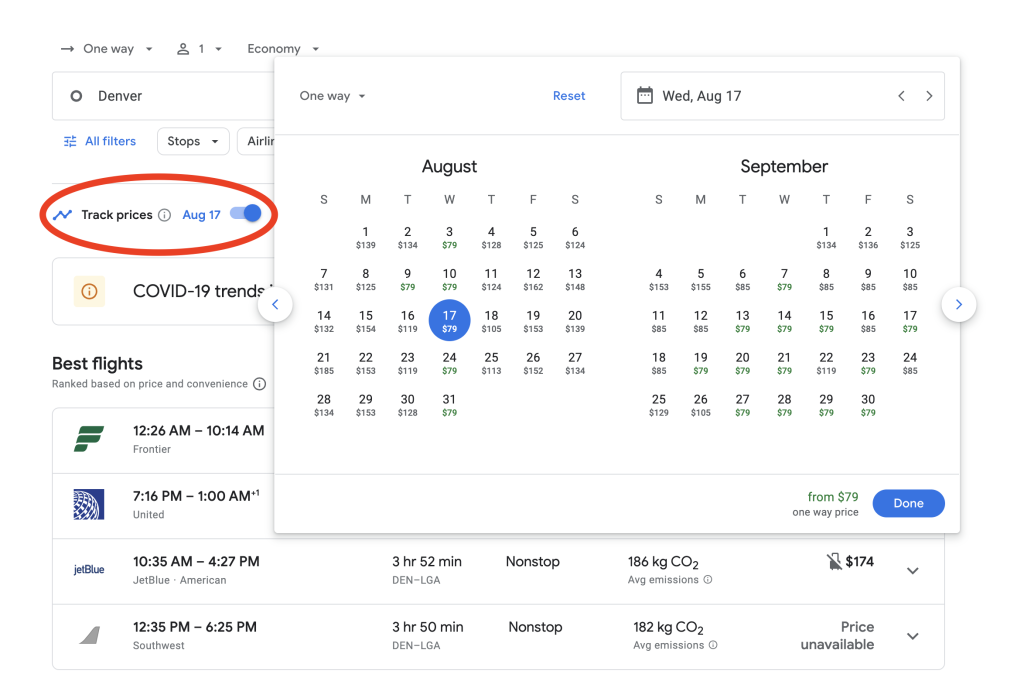
1. The Macro-Economics of Airfare: Seasonal Cycles and the “Goldilocks Window”
The aviation industry operates on a complex model of supply and demand that is highly sensitive to the calendar. From a personal finance perspective, recognizing these cycles is the first step toward significant savings. Airline prices do not drop randomly; they drop when the carrier’s predictive algorithms suggest that seats will otherwise go unsold.
The Seasonal Pivot Points
Historically, the most dramatic price drops occur during “dead zones”—periods immediately following major holidays. For instance, the weeks between New Year’s Day and Spring Break, and the period between Labor Day and the onset of the Thanksgiving travel rush, represent the best fiscal opportunities for travelers. During these windows, demand plummets, and airlines are forced to lower their baseline fares to maintain liquidity and keep planes in the air.
The Domestic vs. International Booking Window
Financial experts often refer to the “Goldilocks Window”—a period that is neither too early nor too late. For domestic flights within North America or Europe, the price drop typically hits its nadir between 28 and 60 days before departure. Booking earlier than this often means paying a premium for “peace of mind,” while booking later subjects you to the predatory pricing models designed for desperate last-minute business travelers.
For international travel, the window shifts. To capture the deepest discounts, investors in travel should look to book 4 to 6 months in advance. At this stage, airlines are looking to secure a “base load” of passengers to cover the high fuel costs of long-haul flights, often offering lower introductory rates before the yield management software begins to hike prices based on filling capacity.
2. Strategic Day Selection: The Financial Impact of Mid-Week Arbitrage
In the world of personal finance, we often discuss the importance of “market timing.” In the context of airfare, the day of the week you choose to fly—and, to a lesser extent, the day you choose to book—can result in a 20% to 40% variance in total cost.
The Tuesday/Wednesday Advantage
From a budgetary standpoint, Friday and Sunday are the most “expensive” days to fly due to the concentration of weekend leisure travelers and corporate commuters returning home. Conversely, Tuesday and Wednesday are statistically the cheapest days to fly. For a family of four, shifting a departure date from a Sunday to a Tuesday can often save enough money to cover the cost of several nights of lodging, effectively increasing the total value of the travel investment.
The Myth and Reality of Booking Days
There is a long-standing myth in the travel community that booking on a Tuesday at midnight leads to the lowest prices. While this was once true due to the way airlines manually updated their fare databases, modern algorithmic pricing has made this less consistent. However, there is still a financial logic to mid-week booking. Many airlines announce sales on Monday evenings; by Tuesday or Wednesday, competitors have often price-matched those sales to maintain market share, creating a 24-to-48-hour window of peak price competition.
Leveraging the “Off-Peak” Hours
Just as mid-week flights are cheaper, “red-eye” flights or very early morning departures (before 6:00 AM) offer significant cost reductions. From a financial planning perspective, these flights allow you to maximize your time at the destination while minimizing the “cost per hour” of the travel experience. For those with a strict bottom line, the temporary discomfort of an early flight is a high-yield trade-off.
3. Financial Tools and Algorithmic Alerts: Automating the Dip
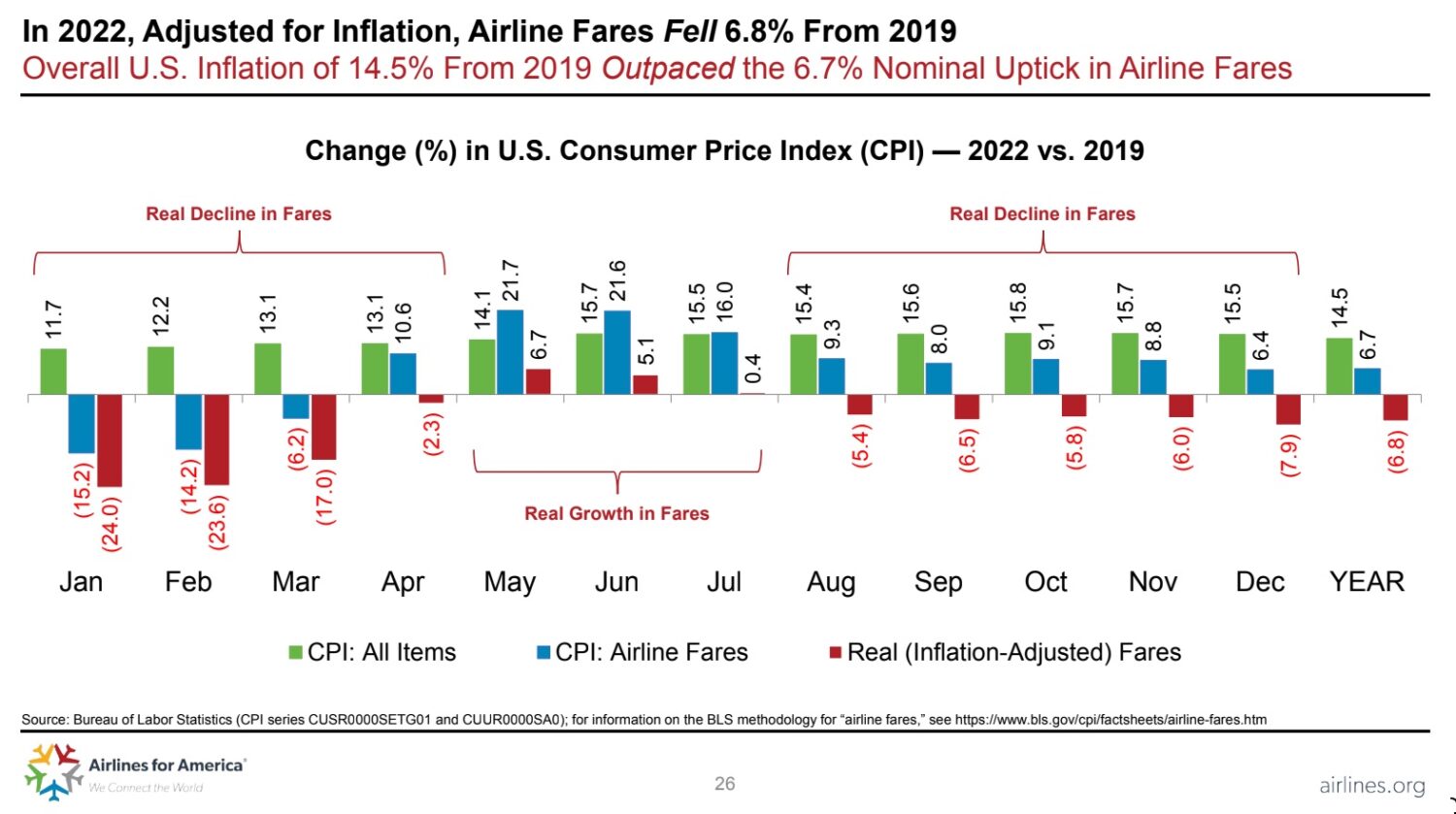
In the modern era, manual price checking is an inefficient use of time—an asset just as valuable as money. To capitalize on when airline prices drop, one must leverage financial technology (FinTech) and specialized tracking tools that monitor market fluctuations in real-time.
Utilizing Price Prediction Engines
Tools like Google Flights, Hopper, and Kayak use massive datasets to predict whether a fare will rise or fall. From a wealth management perspective, these tools act like “limit orders” in stock trading. By setting a price alert, you are essentially telling the market: “I am willing to buy at this valuation.” When the airline’s dynamic pricing engine hits your target, you receive an immediate notification, allowing you to strike while the iron is cold.
The Role of Credit Card Ecosystems
A significant portion of airfare optimization involves the use of “travel arbitrage”—the practice of using points and miles to offset cash costs. When airline prices drop in terms of currency, they often drop in terms of “point cost” as well (especially with revenue-based rewards programs like Delta or Southwest). Sophisticated travelers monitor these drops to maximize the “Cent Per Point” (CPP) value of their rewards. If a flight drops from $500 to $300, and the point cost drops accordingly, the financial savvy traveler sees this as a high-yield opportunity to preserve cash flow.
Navigating the “24-Hour Rule”
A little-known financial protection in the United States (under Department of Transportation regulations) is the 24-hour cancellation rule. This allows you to book a flight when you see a price drop and hold it for 24 hours without penalty, provided the flight is at least a week away. This provides a “risk-free” window to check if even better prices emerge or to coordinate other travel expenses, ensuring you don’t miss a fleeting market dip.
4. Advanced Budgetary Strategies: Error Fares and Market Inefficiencies
For the high-level budget optimizer, there are “black swan” events in the airline industry known as error fares. These are instances where a human or technical glitch causes a ticket to be listed for a fraction of its intended price—sometimes hundreds or even thousands of dollars below market value.
Capitalizing on Error Fares
Error fares occur when currency conversions are miscalculated or when a digit is dropped from a fare filing. While airlines are no longer strictly required by law to honor these fares in every jurisdiction, many still do to maintain brand reputation. Spotting these requires being part of specialized financial travel communities. When an error fare appears, the “price drop” is so extreme that it warrants an immediate capital outlay, regardless of long-term planning, due to the sheer magnitude of the savings.
The “Hidden-City” Ticketing Risk/Reward Ratio
In the realm of aggressive personal finance, some travelers use “hidden-city” ticketing—booking a flight with a layover in their actual destination and skipping the second leg. For example, a flight from New York to Dallas might be $300, but a flight from New York to Los Angeles with a layover in Dallas might be $150. While this represents a massive “drop” in price for the Dallas traveler, it comes with financial risks, including the potential for airlines to void frequent flyer miles or cancel return tickets. From a business finance perspective, the “ROI” of the $150 savings must be weighed against the potential long-term loss of loyalty benefits.
5. Protecting Your Investment: When a Drop Isn’t a Drop
Finally, it is vital to distinguish between a genuine price drop and a “basic economy” trap. In recent years, airlines have unbundled their pricing, offering “lower” fares that actually strip away value.
Analyzing the Total Cost of Ownership
When you see a price drop on a budget carrier or a basic economy fare, you must perform a “total cost of ownership” (TCO) analysis. Does the lower fare include a carry-on bag? Does it allow for seat selection? For a business traveler who needs a laptop and a suit, a $100 “drop” in ticket price that is offset by $120 in baggage fees and seat assignments is actually a net loss.
Dynamic Pricing and Browser Cookies
There is ongoing debate about whether airlines use “dynamic pricing” based on your browsing history (using cookies to raise prices if they see you checking the same route repeatedly). While the evidence is mixed, a fiscally prudent approach is to use “Incognito” or private browsing modes when searching for flights. This ensures that the prices you see are the true market rates, unaffected by your perceived “eagerness” to buy.
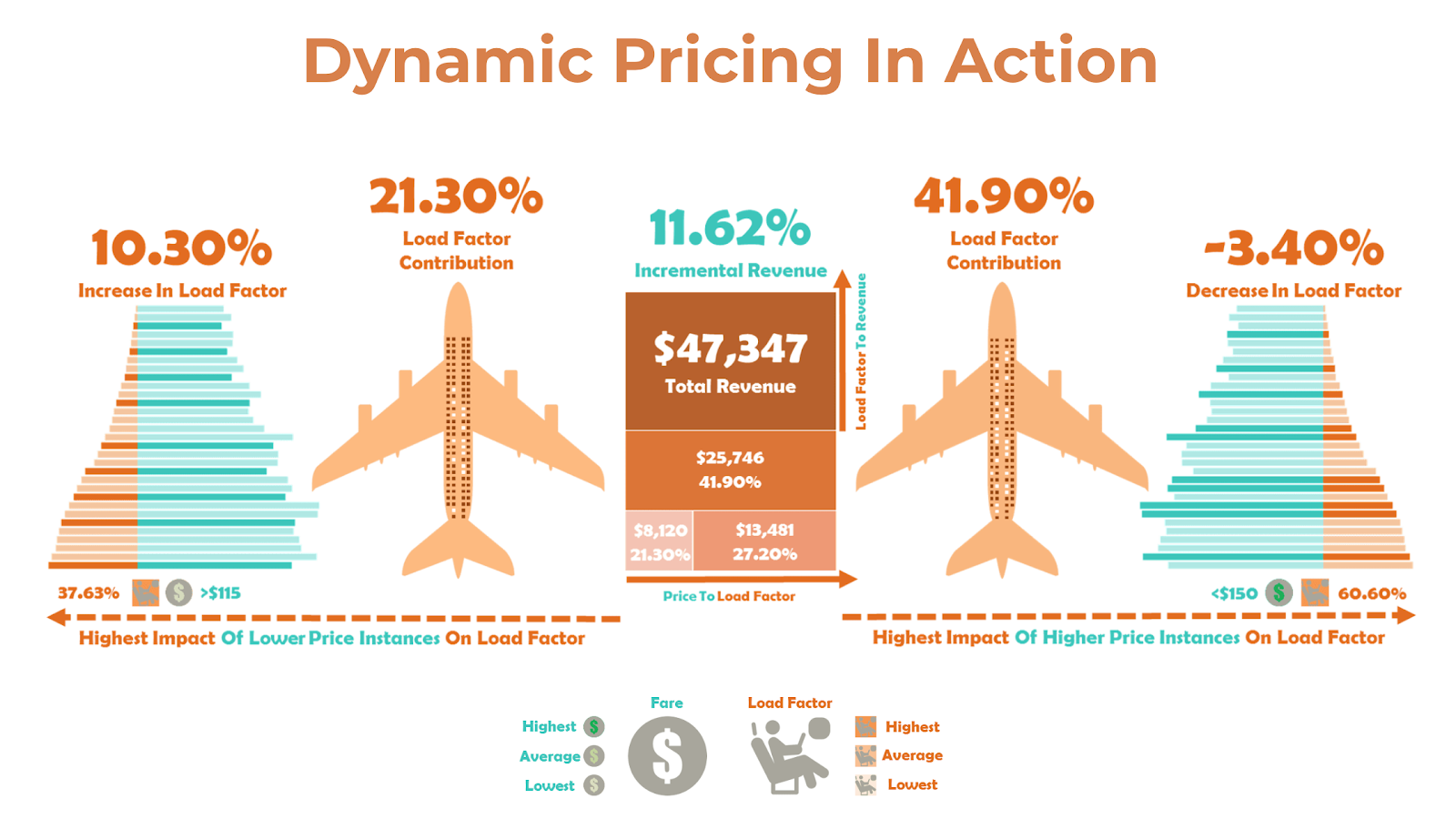
Conclusion: The Disciplined Path to Lower Airfare
In conclusion, airline prices drop when the intersection of time, data, and decreased demand creates a market inefficiency. By understanding the seasonal “dead zones,” targeting the mid-week “Goldilocks window,” and utilizing algorithmic tracking tools, travelers can transform airfare from a volatile expense into a managed cost.
True financial mastery of the skies requires patience and the willingness to move quickly when the data indicates a bottom. Whether you are saving for a personal milestone or managing a corporate travel budget, the strategies outlined above provide the framework to ensure you never pay full price for a seat again. In the economy of travel, the informed buyer always wins.
aViewFromTheCave is a participant in the Amazon Services LLC Associates Program, an affiliate advertising program designed to provide a means for sites to earn advertising fees by advertising and linking to Amazon.com. Amazon, the Amazon logo, AmazonSupply, and the AmazonSupply logo are trademarks of Amazon.com, Inc. or its affiliates. As an Amazon Associate we earn affiliate commissions from qualifying purchases.