
Travel is often one of the largest discretionary expenses in a household or business budget. When booking through major Online Travel Agencies (OTAs) like Expedia, consumers are presented with a pivotal financial decision at the checkout screen: the choice between a lower-priced non-refundable rate and a higher-priced refundable option. Understanding the “refundable option” on Expedia is not merely about knowing which button to click; it is an exercise in risk management, capital preservation, and strategic financial planning.
In the realm of personal finance, the refundable option serves as a form of self-insurance. It represents a premium paid upfront to protect the liquidity of your travel capital. This article explores the mechanics of Expedia’s refundable policies through a financial lens, helping you determine when the “flexibility tax” is a sound investment and when it is an unnecessary drain on your net worth.
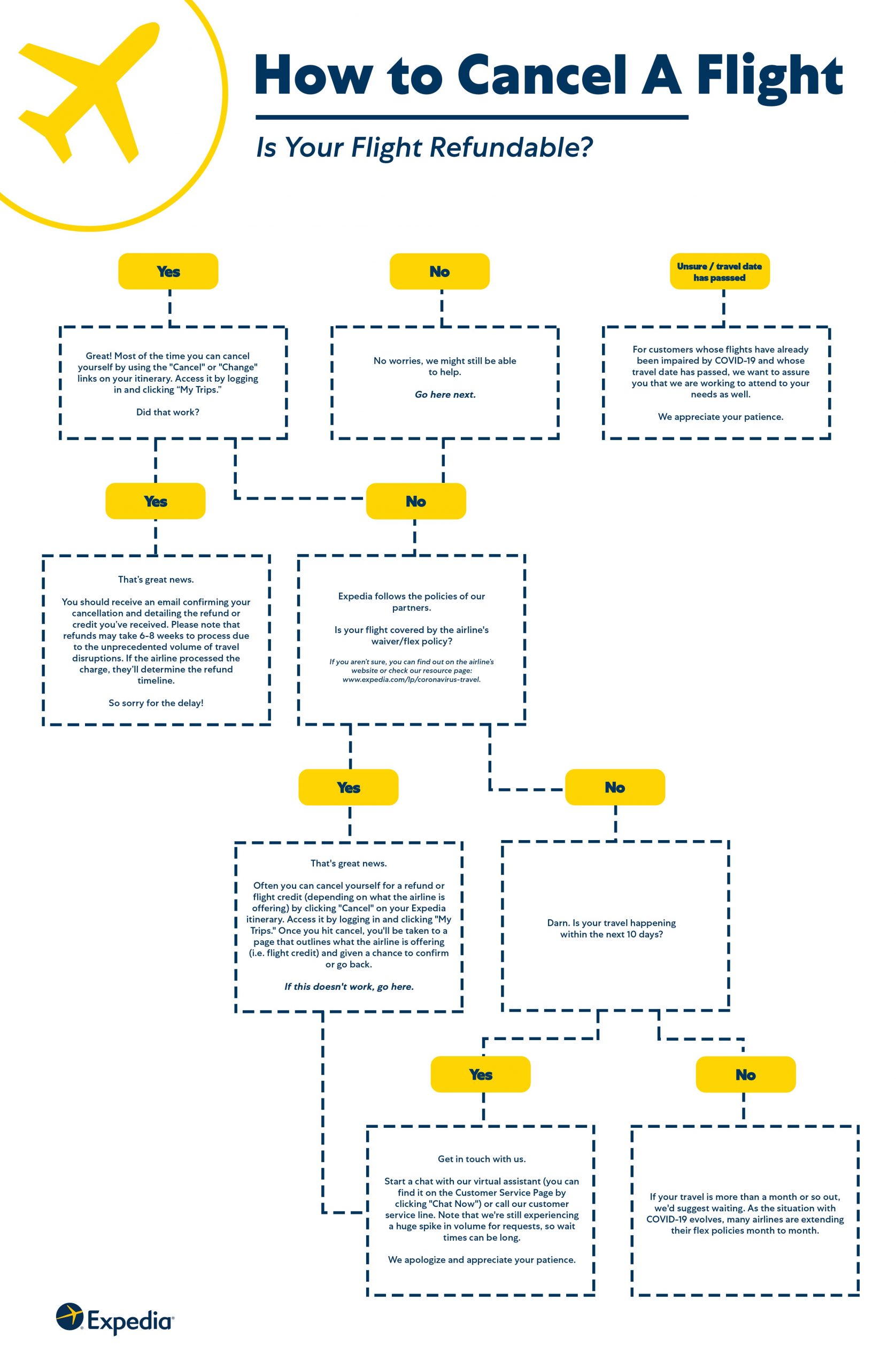
The Financial Mechanics of Refundable vs. Non-Refundable Rates
At its core, the pricing model used by Expedia and its partners (hotels, airlines, and car rental companies) is based on actuarial risk. When a service provider offers a non-refundable rate, they are essentially offering a discount in exchange for guaranteed revenue. Conversely, the refundable option carries a price premium because the provider must account for the opportunity cost of a potential last-minute vacancy.
Analyzing the Price Premium
When browsing Expedia, you will often see two prices for the same hotel room. The non-refundable rate might be $200 per night, while the “Free Cancellation” (refundable) rate might be $235. That $35 difference is the “premium” you are paying for the right to claw back your capital.
From a financial perspective, you must calculate the “break-even” probability. In this scenario, the premium is 17.5% of the base cost. If you believe there is a greater than 17.5% chance that your plans might change, the refundable option becomes the mathematically superior choice. For high-stakes business travel or trips planned months in advance, this premium is often a small price to pay to avoid the total loss of the principal investment.
Opportunity Cost and Liquidity
Choosing the refundable option is also a strategy for maintaining liquidity. When you book a non-refundable flight or hotel, your cash is immediately locked away, often months before the actual service is rendered. Should an emergency arise—such as a medical bill or a lucrative investment opportunity—that capital is inaccessible.
Refundable bookings on Expedia often follow a “Pay Later” model. This allows you to keep your cash in a high-yield savings account or an index fund right up until the cancellation deadline. By utilizing the refundable “Pay Later” feature, you are essentially using Expedia’s inventory to hedge against inflation and market changes while maintaining control over your cash flow.
Risk Management and Capital Preservation in Travel
In the world of investing, risk management is the practice of identifying potential risks in advance and taking steps to reduce them. Applying this to travel finance, the refundable option is your primary tool for capital preservation.
Protecting Your Travel Investment
A vacation is an asset that hasn’t been “consumed” yet. If you spend $5,000 on a non-refundable family trip to Europe and a family member falls ill, that asset’s value drops to zero instantly. This is a 100% loss of capital.
Expedia’s refundable options generally allow for a full return of funds if cancelled within a specific window (usually 24 to 72 hours before arrival for hotels). By opting for this, you are ensuring that your $5,000 remains a liquid asset rather than a sunk cost. For budget-conscious travelers, protecting the principal is often more important than saving a few hundred dollars on the initial booking price.
The Hidden Costs of “Saving” with Non-Refundable Bookings
Many travelers fall into the “frugality trap,” choosing the non-refundable option to save a nominal amount. However, this ignores the hidden costs of rigidity. If a traveler is forced to change a non-refundable booking, they often face hefty change fees or are forced to abandon the booking entirely, necessitating a second purchase at last-minute, inflated prices.
When you factor in the potential for double-spending, the “cheaper” non-refundable option can actually become the most expensive mistake in a travel budget. Professional financial planning involves looking at “Expected Value.” The expected value of a refundable booking includes the peace of mind and the guaranteed return of capital, which often outweighs the static savings of a restricted ticket.
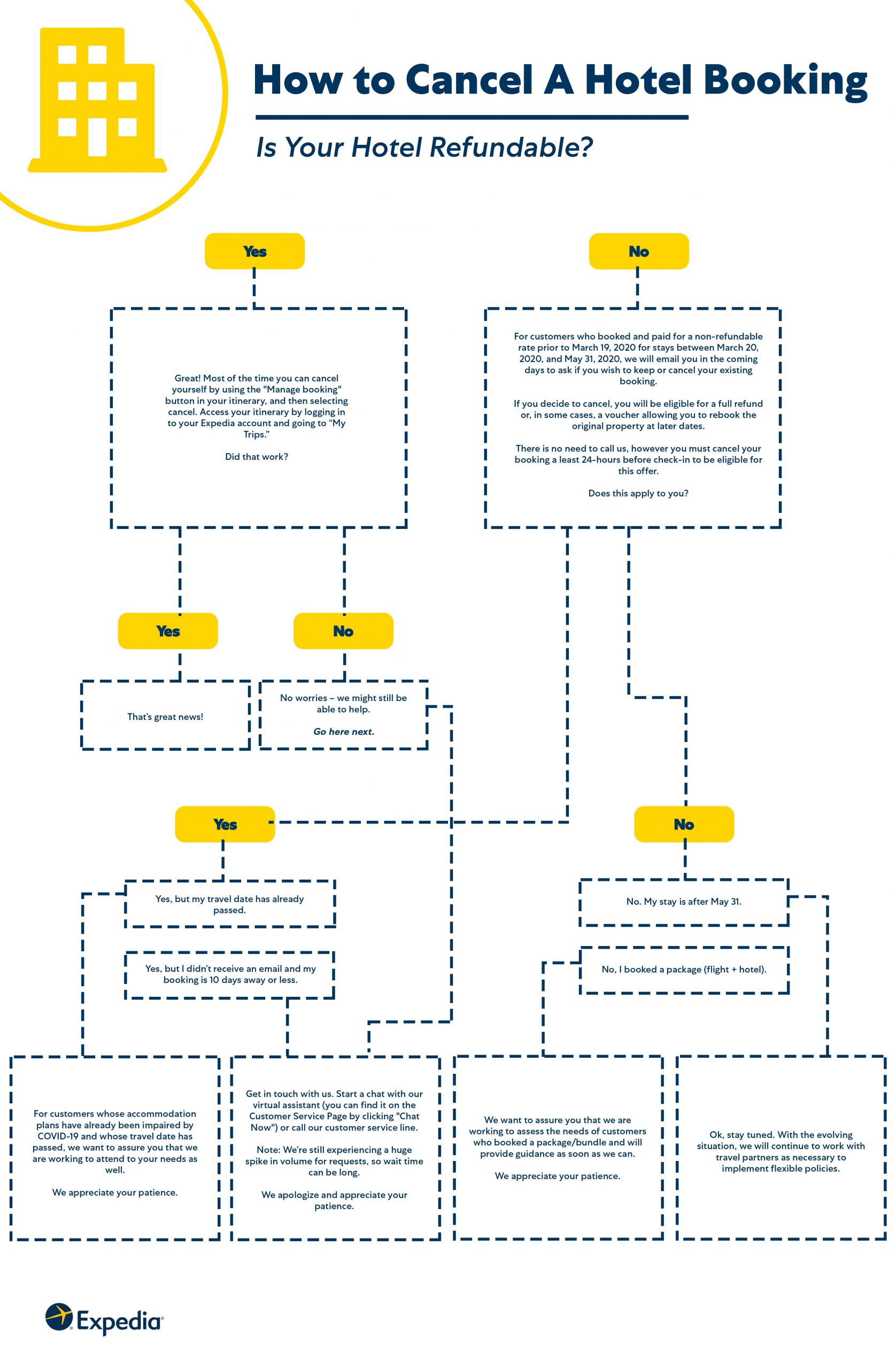
Navigating Expedia’s Refundable Ecosystem
Expedia’s platform categorizes “refundability” in various ways depending on the type of travel product. Understanding these nuances is critical for accurate financial forecasting and expense tracking.
Decoding the Fine Print: Refund Windows and Terms
Not all “refundable” options are created equal. Some Expedia bookings offer “Free Cancellation” until a specific date and time, after which the booking converts to non-refundable status. Financially, this is known as a “hard deadline.”
It is vital to mark these dates in a financial calendar. Missing a cancellation window by even one hour can result in the loss of the entire booking amount. Furthermore, some refundable options are “partially refundable,” where the OTA or the provider retains a service fee or a percentage of the total. Always calculate the “Net Refundable Amount”—the actual cash that will return to your bank account—before assuming your capital is safe.
Handling Credits vs. Cash Back
One of the most significant financial distinctions on Expedia involves how you receive your money back. In the wake of global travel disruptions, many airlines and hotels began offering “Travel Credits” instead of cash refunds.
From a personal finance standpoint, a travel credit is vastly inferior to a cash refund. A credit is a “closed-loop” currency that can only be spent with one vendor and usually carries an expiration date. When selecting a refundable option on Expedia, ensure the terms specify a “refund to the original form of payment.” This ensures that your money returns to your brokerage or savings account where it can continue to work for you, rather than sitting as a depreciating credit in a corporate database.
Integrating Refundable Options into Your Personal Finance Strategy
Strategic travel booking should be integrated into your broader financial ecosystem, specifically concerning credit card rewards and supplemental insurance.
Credit Card Protections vs. Booking Site Guarantees
Many high-end travel credit cards (such as the Chase Sapphire Reserve or American Express Platinum) offer built-in travel interruption and cancellation insurance. If your credit card provides robust protection, paying the extra premium for Expedia’s refundable option might be redundant—essentially “double-insuring” the same risk.
However, credit card insurance often requires specific triggers, such as a documented medical emergency or weather-related grounding. Expedia’s refundable option is usually “no-questions-asked” within the cancellation window. A savvy financial strategy involves using the refundable option for trips with high uncertainty and relying on credit card protections for more stable itineraries, thereby optimizing the cost of flexibility.
Budgeting for the “Flexibility Tax”
When building a yearly travel budget, it is wise to include a line item for the “Flexibility Tax.” Instead of budgeting for the lowest possible price seen on Expedia, budget for the refundable rate. If you end up not needing the flexibility and choose to lock in a non-refundable rate closer to the date, you have effectively created a budget surplus.
This conservative approach to budgeting prevents “sticker shock” and ensures that your financial plan is resilient enough to handle the volatility of the travel industry. By viewing the refundable option as a strategic financial tool rather than a luxury, you move from being a passive consumer to an active manager of your personal wealth.
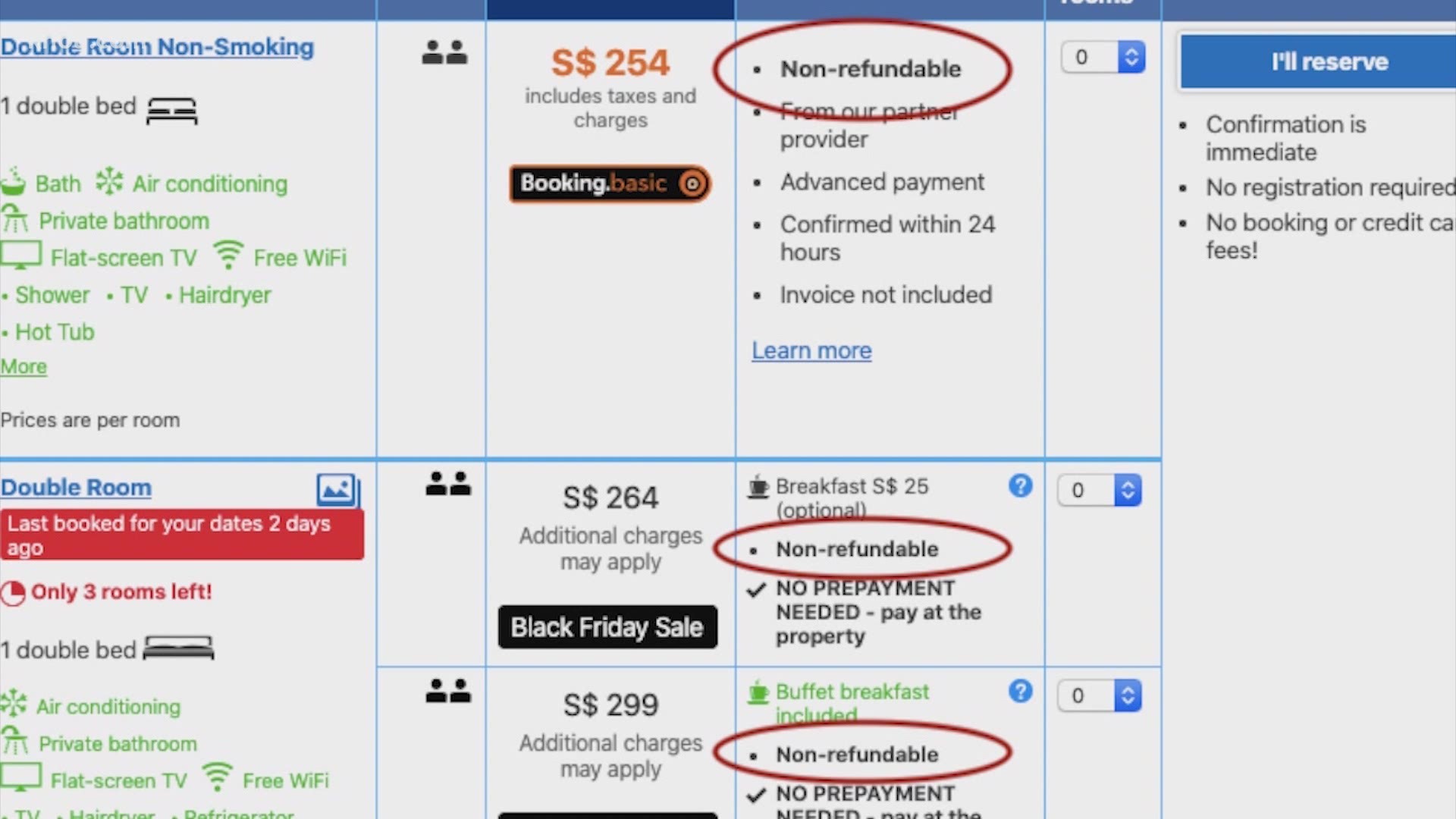
Conclusion: The Value of Financial Agility
The refundable option on Expedia is more than a convenience; it is a sophisticated financial instrument designed to manage the uncertainty of future events. While the allure of the “lowest price” is strong, the true cost of a booking includes its potential for loss.
By understanding the price premiums, managing the risks of capital loss, and strategically leveraging the terms of refundability, you can navigate the travel market with the same discipline you apply to your investment portfolio. In the long run, the agility provided by refundable bookings often pays for itself, protecting your cash flow and ensuring that your travel experiences enhance your life without jeopardizing your financial security. Always remember: in personal finance, the most expensive option is often the one you cannot change when life takes an unexpected turn.
aViewFromTheCave is a participant in the Amazon Services LLC Associates Program, an affiliate advertising program designed to provide a means for sites to earn advertising fees by advertising and linking to Amazon.com. Amazon, the Amazon logo, AmazonSupply, and the AmazonSupply logo are trademarks of Amazon.com, Inc. or its affiliates. As an Amazon Associate we earn affiliate commissions from qualifying purchases.