
Travel is often one of the largest discretionary expenses in a household budget. For the modern professional or the savvy individual investor, managing travel costs is not just about finding a “deal”; it is an exercise in financial optimization. The question of “what day is cheapest to book flights” has evolved from a simple urban legend into a complex study of dynamic pricing, market psychology, and capital management.
In the realm of personal finance, understanding the mechanics of airfare pricing is akin to understanding market volatility. By applying a disciplined approach to how and when you deploy your capital for travel, you can significantly increase your purchasing power and protect your bottom line. This article explores the financial strategies required to navigate the volatile world of airline pricing, moving beyond myths to data-driven fiscal decisions.
1. Decoding the Economics of the Travel Industry
To understand when to book, one must first understand how airlines price their inventory. Unlike a retail product with a fixed margin, an airplane seat is a “perishable asset.” Once the plane takes off, the value of an empty seat drops to zero. This creates a high-stakes environment where airlines use sophisticated algorithms to maximize Revenue Per Available Seat Mile (RASM).
Supply, Demand, and Dynamic Pricing Models
Airlines utilize automated Yield Management Systems. These systems analyze historical data, real-time demand, and even the purchasing power of specific geographic regions to adjust prices hundreds of times per day. From a financial perspective, you are participating in a real-time auction. Prices are low when the airline needs to secure “baseline” capital to cover fuel and labor costs, and they spike when the remaining “inventory” becomes scarce, targeting price-insensitive business travelers.
The Myth vs. Reality of “Cheap Tuesday”
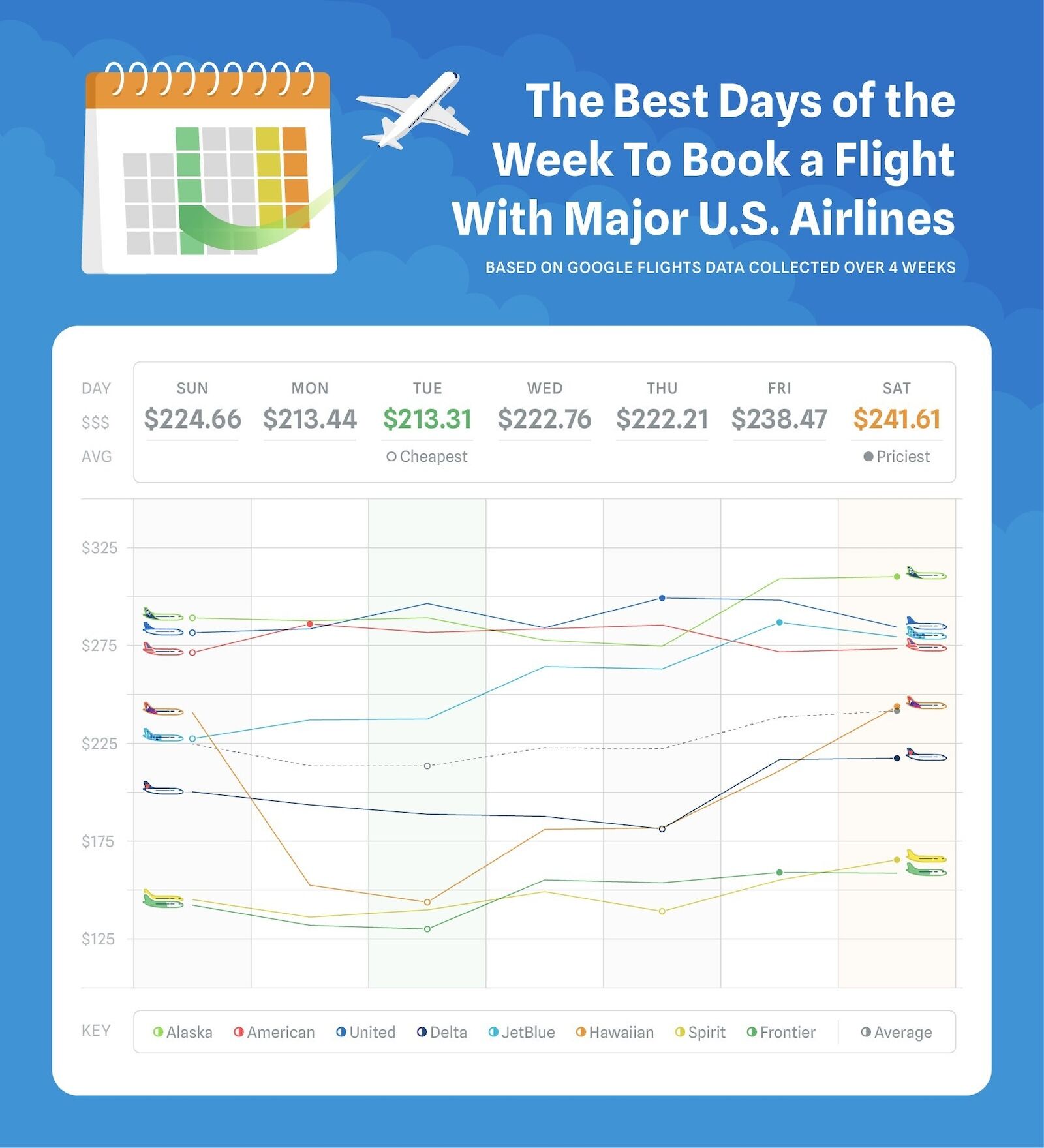
For years, the conventional wisdom in personal finance circles was that booking on a Tuesday at midnight would yield the lowest prices. Historically, this was based on the manual cadence of airline executives releasing sales early in the week. However, in the age of AI-driven pricing, this specific “day of the week” for booking has become less relevant than the “day of the week” for departure. While some data still suggests a slight edge for mid-week bookings, the true savings are found in the delta between peak-demand days (Fridays and Sundays) and off-peak days (Tuesdays and Wednesdays).
2. Strategic Timing for Maximum Savings
In finance, timing the market is generally discouraged. In travel, however, timing the market is the primary driver of ROI. The window in which you choose to lock in your price determines whether you are paying the “retail” price or the “wholesale” rate.
The Ideal Booking Window: Short-Haul vs. Long-Haul
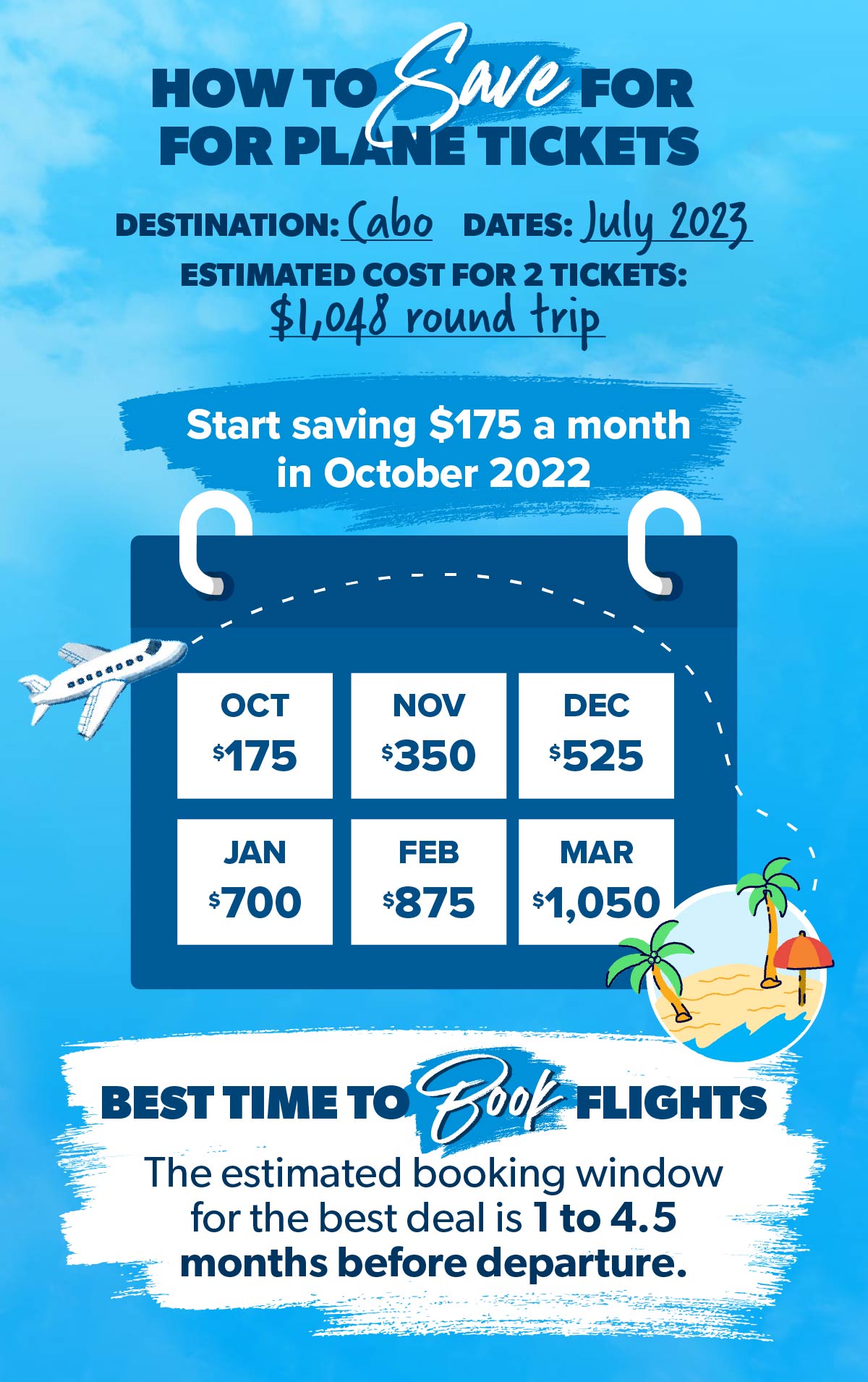
Financial data from major travel aggregators suggests that there is a “Goldilocks Zone” for airfare. For domestic or short-haul flights, this window typically opens 1 to 3 months before departure. For international long-haul travel, the window shifts to 4 to 8 months. Booking too early (a year out) means you are paying a premium for the airline’s “peace of mind” pricing, where they haven’t yet released promotional fares. Booking too late subjects you to the “urgency tax” levied on last-minute travelers.
Seasonal Fluctuations and the “Shoulder Season” Advantage
From a wealth-management perspective, “Shoulder Season”—the period between peak and off-peak seasons—offers the highest value. For example, traveling to Europe in late September rather than July can result in a 30-40% reduction in airfare costs without a proportional loss in utility (weather and experience). By strategically scheduling your travel during these periods, you are effectively performing an arbitrage on the travel market, enjoying the same luxury assets at a fraction of the peak cost.
3. Leveraging Financial Tools and Credit Optimization
Maximizing the efficiency of your travel spend requires more than just picking the right date; it requires utilizing the right financial instruments. Your choice of payment method can offer a secondary layer of “discount” through rewards and protections.
Travel Credit Cards and Point Arbitrage
The most successful travelers treat credit card points as a secondary currency. By using high-yield travel rewards cards, you can earn between 2% and 5% back on every dollar spent. The real financial gain, however, comes from “point arbitrage”—transferring those points to airline partners where the “cents-per-point” value exceeds the cash price of the ticket. When you book a $5,000 Business Class seat for 60,000 points (worth roughly $600 in cash), you are achieving a massive return on your spending.
Using Price Protection and Refund Tools
Many premium financial products offer “Price Protection” or “Price Drop Protection.” Furthermore, some booking platforms now offer a “Price Freeze” for a small fee, which acts as a call option on a flight. You pay a premium to hold a price while you finalize your budget. If the price goes up, you exercise your option at the lower price; if it goes down, you let the option expire and book at the new lower rate. Understanding these “derivative-like” features of travel booking can safeguard your capital against sudden market spikes.
4. Advanced Budgeting Strategies for Global Travel
For those looking to optimize their personal finances to the extreme, there are advanced methods to circumvent traditional pricing structures. These require a deeper understanding of logistics and a willingness to manage complex itineraries.
The Hidden City Ticketing Controversy
From a purely mathematical standpoint, “Hidden City Ticketing” (booking a flight with a layover in your actual destination and skipping the second leg) can sometimes save 50% or more. While this is a controversial practice that airlines discourage, it highlights the irrationality of hub-and-spoke pricing. For the fiscally minded traveler, understanding why a flight from New York to Los Angeles via Dallas is cheaper than a direct flight to Dallas reveals the inefficiencies in the market that can be exploited for savings.
Currency Arbitrage and Regional Pricing
Prices for the same flight can vary based on the “Point of Sale” (POS). By using localized versions of booking sites or paying in the airline’s “home” currency, travelers can sometimes benefit from favorable exchange rates or regional discounts intended for local markets. This is a form of currency arbitrage that, when combined with a “No Foreign Transaction Fee” credit card, ensures that you are paying the true market value of the seat rather than a localized “tourist” markup.
5. Long-term Wealth Management and Travel Spending
Ultimately, the goal of finding the cheapest day to book flights is to preserve your capital for other investment opportunities. If you save $2,000 a year through disciplined travel booking, and invest that $2,000 into a low-cost index fund with a 7% annual return, that “travel hack” becomes worth nearly $30,000 over a ten-year horizon.
Opportunity Cost and Travel Planning
In business finance, every dollar spent has an opportunity cost. Spending an extra $500 because you waited until Friday to book is not just a $500 loss; it is the loss of what that $500 could have earned in your brokerage account. Professional travelers view their travel budget as a portfolio. They diversify their booking dates, hedge against price increases with refundable options, and always look for the highest “yield” for their vacation time.
Building a Sustainable Travel Fund
To avoid the financial stress of fluctuating flight prices, many financial advisors recommend a dedicated “Travel Sinking Fund.” By automating a monthly transfer into a high-yield savings account, you ensure that when the “cheapest day” arrives, you have the liquid capital ready to strike. This prevents the need to carry high-interest credit card debt, which would immediately negate any savings you achieved on the flight price itself.

Conclusion
Finding the cheapest day to book a flight is less about a specific calendar date and more about a comprehensive financial strategy. It requires an understanding of market mechanics, the disciplined use of financial tools, and the patience to wait for the optimal booking window. By treating your travel expenses with the same rigor you apply to your investment portfolio, you can explore the world without compromising your long-term financial health. In the economy of the skies, the biggest winners are not the luckiest travelers, but the most informed ones.
aViewFromTheCave is a participant in the Amazon Services LLC Associates Program, an affiliate advertising program designed to provide a means for sites to earn advertising fees by advertising and linking to Amazon.com. Amazon, the Amazon logo, AmazonSupply, and the AmazonSupply logo are trademarks of Amazon.com, Inc. or its affiliates. As an Amazon Associate we earn affiliate commissions from qualifying purchases.