
In the modern landscape of digital wallets and contactless payments, the humble paper check might seem like a relic of the past. However, for many essential financial milestones—setting up a direct deposit for a new career, authorizing a high-value wire transfer, or establishing automatic mortgage payments—the information contained on that slip of paper remains the bedrock of the American financial system.
Central to these transactions is the routing number. Despite its importance, many consumers find themselves squinting at the bottom of their checks, wondering which string of digits identifies their bank and which identifies their personal wealth. Understanding how to locate and use these numbers is not just a matter of convenience; it is a fundamental aspect of financial literacy that ensures your money moves safely and efficiently through the global banking network.
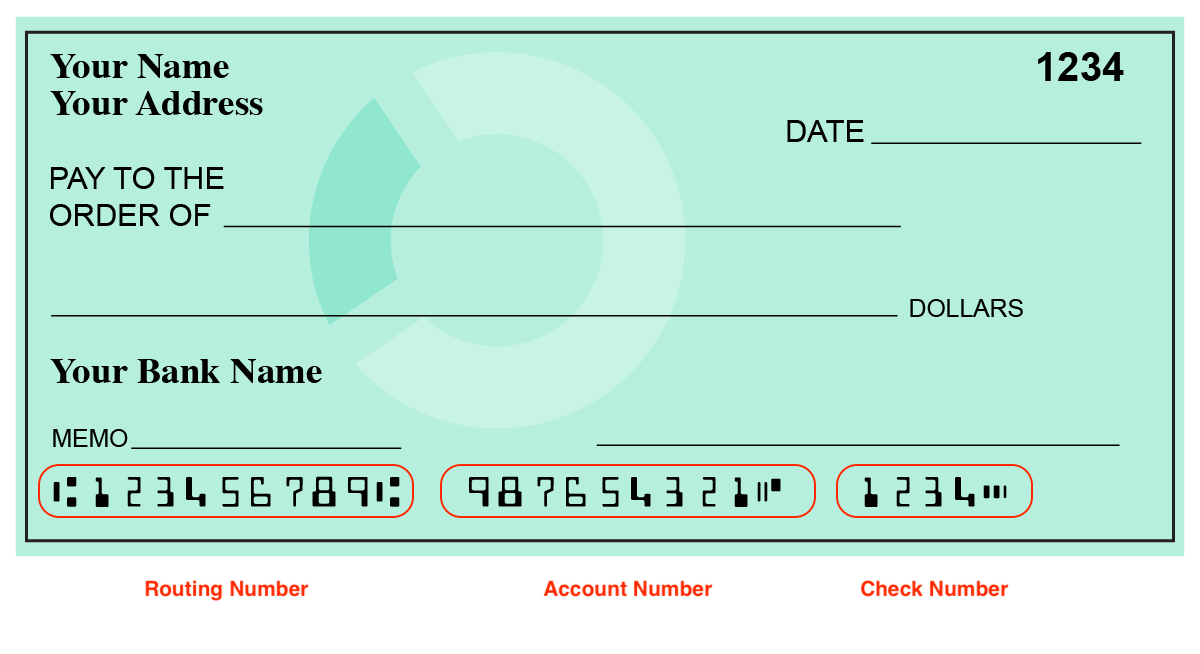
The Anatomy of a Personal Check: Decoding the Bottom Line
When you look at the bottom of a standard personal check, you will notice a series of numbers printed in a specialized, slightly blocky typeface. This is known as Magnetic Ink Character Recognition (MICR) font. This technology allows bank sorting machines to read the data even if the check is wrinkled or smeared. To the untrained eye, it looks like a long string of random digits, but it is actually divided into three distinct sections.
The Routing Transit Number (RTN)
The routing number is almost always the first set of nine digits located on the far left side of the bottom of your check. This number functions as an “address” for your financial institution. Established by the American Bankers Association (ABA) in 1910, the routing number identifies the specific bank or credit union responsible for the funds.
A valid routing number is always nine digits long. The first two digits indicate the Federal Reserve district where the bank is located. The third digit identifies the Federal Reserve processing center, while the remaining digits are unique to the institution itself. For the purposes of personal finance management, knowing this number is essential for any transaction where “pulling” or “pushing” funds from an outside source is required.
The Account Number
Moving to the right, the next sequence of numbers is your unique account number. Unlike the routing number, which is shared by every customer at your specific branch or bank, the account number is yours alone. It tells the banking system exactly which “vault” within the larger institution holds your money.
The length of an account number can vary significantly depending on the bank’s internal systems, typically ranging from 8 to 12 digits. In some cases, symbols (resembling colons or brackets) separate the routing number from the account number. Recognizing where the routing number ends and the account number begins is crucial to preventing “Return to Sender” errors in electronic transfers.
The Check Number
On the far right of the MICR line (and usually duplicated in the top right corner of the check), you will find a shorter sequence of numbers. This is the check number. While it has no impact on the electronic routing of funds between banks, it is a vital tool for personal bookkeeping. It allows you to track specific payments in your ledger and helps the bank ensure that a check isn’t being processed twice.
Why Routing Numbers are Critical for Your Financial Life
The routing number is more than just a sequence of digits; it is the key that unlocks various financial tools designed to automate your wealth management. In the “Money” niche, efficiency is synonymous with security and growth. By mastering the use of your routing number, you streamline your cash flow and reduce the risk of late fees or payment disruptions.
Direct Deposit and Payroll
For most professionals, the most frequent use of a routing number is for direct deposit. When you start a new job or a side hustle, your employer’s payroll department requires your “ABA” or routing number to link their corporate account to your personal checking account.
Accurately providing this number ensures that your hard-earned income arrives on time. An error in a single digit can lead to weeks of delays while the banking system attempts to reconcile the “lost” funds. Furthermore, many high-yield savings accounts offer better interest rates if you maintain a consistent direct deposit, making the routing number a direct contributor to your passive income strategy.
Automatic Bill Payments and ACH Transfers
The Automated Clearing House (ACH) network is the primary system used for electronic fund transfers in the United States. When you set up an automatic payment for your car insurance, utility bills, or credit card balances, you are utilizing the ACH system.

Using your routing and account numbers for these payments is often more advantageous than using a debit card. Many service providers charge “convenience fees” for processing card payments, but they offer ACH transfers for free. By using the routing number found on your check to set up these transfers, you can save a significant amount of money over the course of a year, contributing to your overall financial health.
Wire Transfers vs. ACH: Knowing the Difference
A common pitfall in personal finance is the confusion between ACH transfers and wire transfers. While both require a routing number, some larger national banks utilize different routing numbers for each service.
An ACH routing number is used for standard transactions like payroll and bill pay, which may take 1-3 business days to clear. A wire transfer routing number is used for immediate, high-value transfers, such as a down payment on a home. Before initiating a wire, always verify with your bank whether the routing number on your check is the same one used for domestic wires. Using the wrong one can result in the transfer being rejected, often at the cost of a non-refundable wire fee.
Security and Privacy: Protecting Your Banking Information
Because your routing and account numbers are the “keys to the kingdom,” they must be guarded with the same level of care as your Social Security number. In the world of personal finance, information security is the first line of defense against capital loss.
The Risks of Sharing Your Check Details
Every time you hand over a physical check, you are handing over a document that contains your bank’s name, your full name, your account number, and your routing number. In the wrong hands, this information can be used to create fraudulent checks or to authorize unauthorized ACH withdrawals.
To mitigate this risk, many financial experts recommend using electronic payment portals whenever possible. These portals often tokenize your data, meaning they process the transaction without ever showing your actual routing and account numbers to the merchant. If you must use a paper check, ensure it is delivered directly to a secure location, such as a post office or a bank teller.
Safe Practices for Paper Checks
If you still use paper checks for certain expenses, like rent or local services, there are several “Money-smart” habits you should adopt. First, never leave the “Pay to the Order Of” line blank (a “blank check”). Second, use a gel-based ink pen, which is harder for fraudsters to “wash” or erase. Finally, regularly monitor your bank statements. If you see a transaction that doesn’t match a check number in your ledger, contact your financial institution immediately.
Digital Alternatives and Modern Banking Tools
As we move toward a more digitized economy, the need for a physical checkbook is diminishing. However, the need for the routing number remains. Modern banking has evolved to provide these details through more secure, accessible channels.
Finding Routing Numbers via Online Banking
Most modern consumers find their routing numbers through their bank’s mobile app or website. This is typically located under “Account Details” or “Direct Deposit Information.” For institutions like Ally or Chime, which operate entirely online, this digital display is the primary way users access their routing info.
The benefit of the digital approach is accuracy. Many banking apps now offer a “copy” button next to the routing number, allowing you to paste it directly into payroll or bill-pay forms. This eliminates the risk of human error associated with reading the MICR line on a physical check.
The Evolution of Electronic Payments
As fintech continues to grow, tools like Zelle, Venmo, and Cash App have changed how we think about “routing” money. While these apps often link to your debit card, the underlying infrastructure still relies on the banking network. For those focused on maximizing their financial tools, linking these apps directly via routing and account numbers (where possible) can sometimes provide higher transfer limits and lower fees than card-based links.

Conclusion: The Foundation of Financial Literacy
Understanding “where is the routing number on my check” is more than a simple identification task; it is an entry point into the broader world of personal finance and banking mechanics. This nine-digit number is the bridge between your labor and your wealth, the tool that automates your expenses, and the identifier that secures your place in the global economy.
By mastering the anatomy of your check and understanding the specific roles of routing and account numbers, you empower yourself to manage your money with greater precision. Whether you are setting up your first savings account or managing a complex portfolio of business expenses, the ability to navigate these banking identifiers ensures that your financial operations remain seamless, secure, and professional. In the end, financial success is built on a foundation of small, accurate details—and it all starts with those nine digits at the bottom of your check.
aViewFromTheCave is a participant in the Amazon Services LLC Associates Program, an affiliate advertising program designed to provide a means for sites to earn advertising fees by advertising and linking to Amazon.com. Amazon, the Amazon logo, AmazonSupply, and the AmazonSupply logo are trademarks of Amazon.com, Inc. or its affiliates. As an Amazon Associate we earn affiliate commissions from qualifying purchases.