
In the modern financial landscape, your bank account is more than just a repository for currency; it is a digital ecosystem that requires constant vigilance and proactive management. For customers of JPMorgan Chase, one of the largest financial institutions in the world, the ability to navigate the complexities of transaction errors and merchant disagreements is a fundamental pillar of financial literacy. Whether it is a double charge at a local restaurant, a subscription that refused to cancel, or a product that arrived damaged, knowing how to effectively dispute a charge is an essential skill for protecting your hard-earned capital.
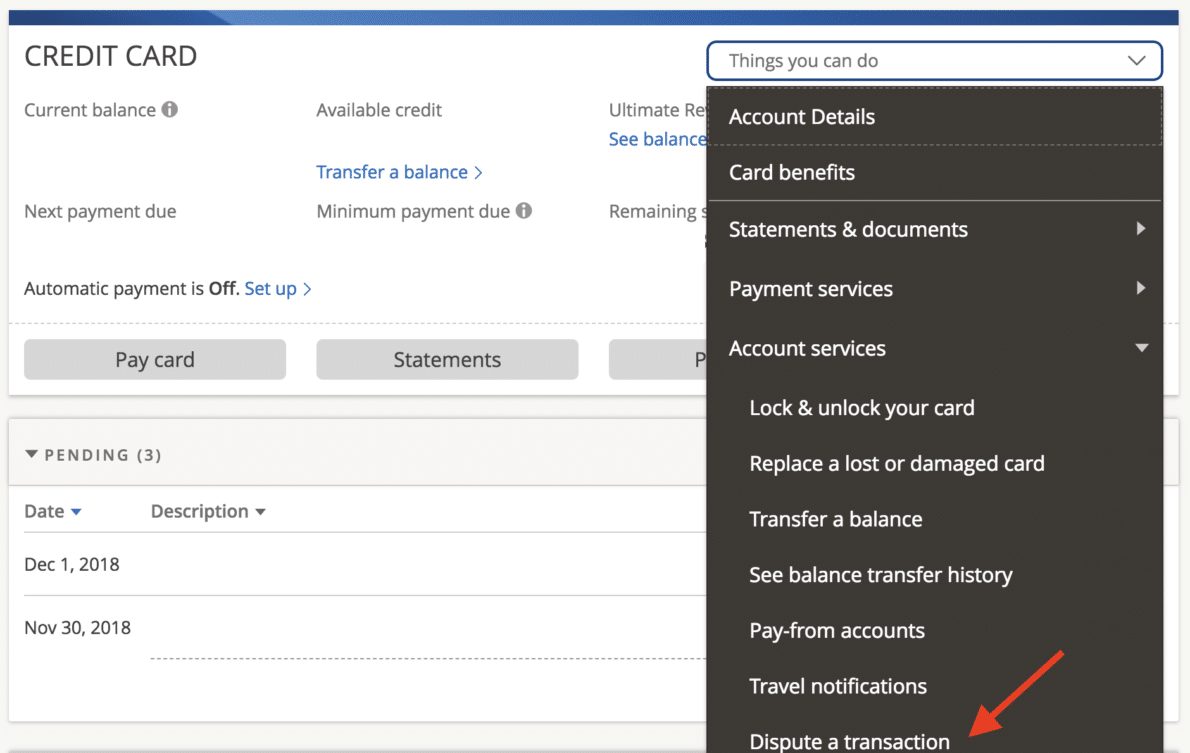
This guide delves into the strategic and procedural nuances of initiating a dispute with Chase, ensuring that you can exercise your rights as a consumer while maintaining the integrity of your personal balance sheet.
Understanding the Framework of Consumer Rights and Transactional Disputes
Before diving into the “how,” it is imperative to understand the “why” and “when.” Disputing a charge is a formal process, and using it correctly is vital for your standing with the bank. In the world of personal finance, there is a clear distinction between a fraudulent transaction and a billing error or merchant dispute.
When to Initiate a Dispute vs. Requesting a Refund
The first step in sophisticated money management is knowing which tool to use for the job. A dispute is a powerful mechanism where the bank intervenes on your behalf. However, it should not be your first line of defense. If you recognize a charge but are unhappy with the service or product, financial experts always recommend contacting the merchant first. A direct refund is faster and maintains a cleaner record for your account.
A formal dispute with Chase should be reserved for scenarios where the merchant is unresponsive, the charge is clearly an error (such as being billed twice), or the goods provided were fundamentally not as described and the seller refuses to cooperate.
Legal Protections Under the Fair Credit Billing Act (FCBA)
For credit card users, the dispute process is backed by federal law. The Fair Credit Billing Act (FCBA) protects consumers from “billing errors,” which include unauthorized charges, charges for goods and services not delivered, and charges for the wrong amount. Under this act, you generally have 60 days from the date the statement containing the error was mailed to you to dispute the charge.
Understanding these timelines is crucial. Missing a deadline can result in the loss of your legal leverage, making it much harder to recover funds. For debit card users, the Electronic Fund Transfer Act provides similar but slightly different protections, often with stricter reporting timelines for unauthorized transactions.
The Strategic Execution: How to File a Dispute with Chase
Chase has streamlined its digital interface to make the dispute process accessible, yet the effectiveness of your claim often depends on the precision of your submission. There are three primary channels through which you can engage this process.
Utilizing the Chase Mobile App and Online Portal
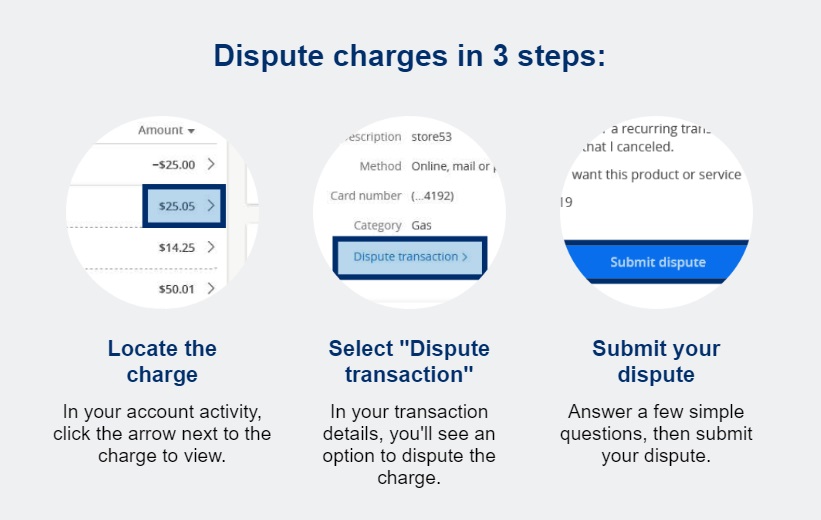
In the era of fintech integration, the most efficient way to manage your transactions is through Chase’s digital platforms. When you log into your account, navigating to the “Activity” tab allows you to see a chronological list of your transactions.
- Selection: Find the specific transaction you wish to challenge.
- Initiation: Click on the transaction to expand the details and select “Report a problem” or “Dispute this transaction.”
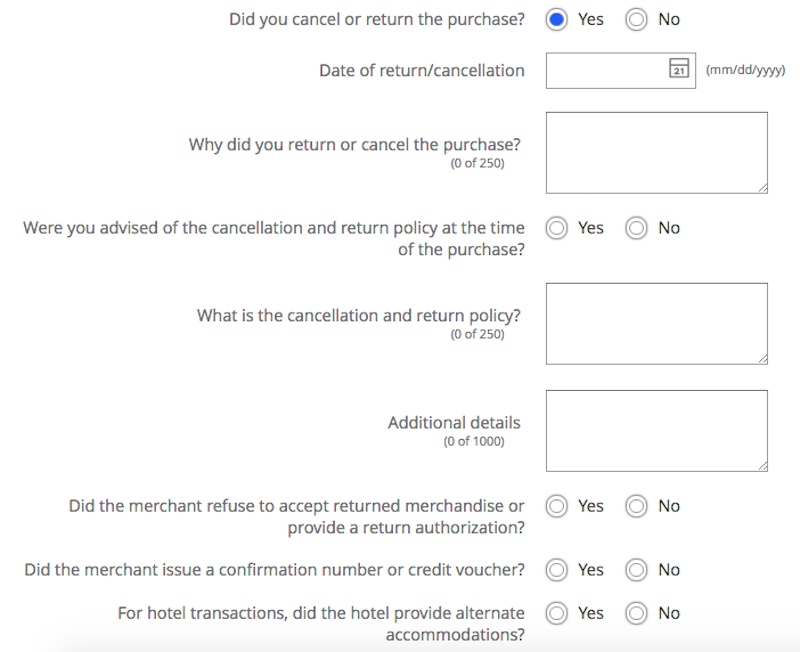
- Categorization: Chase will prompt you to categorize the issue. Accuracy here is vital. Is it a duplicate? Was the item never received? Choosing the correct category ensures your claim is routed to the appropriate department.
This digital method is preferred for straightforward billing errors as it creates an immediate digital paper trail and often allows for a faster preliminary review.
The Traditional Route: Phone and Written Correspondence
For complex cases involving high dollar amounts or intricate service disputes, speaking with a representative can be advantageous. You can call the number on the back of your Chase card to speak with the claims department.
Furthermore, for maximum legal protection under the FCBA, sending a written notice via certified mail is the “gold standard.” While digital disputes are convenient, a physical letter serves as an irrefutable legal record that you have exercised your rights within the 60-day window. Your letter should include your name, account number, the dollar amount of the error, and a clear explanation of why you believe the bill is incorrect.
Essential Documentation and Evidence Gathering
A dispute is essentially a mini-trial where Chase acts as the arbiter between you and the merchant. In the realm of business finance and personal accounting, documentation is your greatest ally. To win a dispute, you must move beyond “he-said, she-said” and provide objective proof.
Organizing Receipts and Communication Logs
The moment you realize a transaction is problematic, begin an evidence folder. This should include:
- The Original Receipt: Digital or physical copies showing the agreed-upon price.
- Correspondence: Screenshots of emails or chat logs where you attempted to resolve the issue with the merchant.
- Proof of Return: If you sent an item back, the tracking number and confirmation of delivery are the most critical pieces of evidence you can provide.
Without these, Chase may find it difficult to side with you, especially if the merchant provides a signed sales slip or a digital confirmation of service.
The Importance of Timelines and Deadlines
In personal finance, timing is everything. Beyond the 60-day legal window, there are internal bank cycles to consider. When you file a dispute, the merchant is given a specific timeframe—usually 30 days—to respond. If you are asked by Chase to provide additional documentation, responding within 24 to 48 hours is a best practice. Delayed responses on your part can lead to the temporary credit being reversed and the case being closed in the merchant’s favor.
The Investigation Phase: What to Expect After Filing
Once the dispute is initiated, the “money” aspect of your account enters a state of flux. Chase begins an investigation, and during this time, specific protocols are followed to protect your liquidity.
The Role of the Temporary Credit
One of the benefits of disputing a charge with a major institution like Chase is the “provisional” or “temporary” credit. In many cases, Chase will credit the disputed amount back to your account while the investigation is ongoing.
It is a common financial mistake to assume this money is yours immediately. This credit is temporary. If the investigation concludes that the charge was valid, Chase will “re-bill” you, withdrawing that amount from your account. Therefore, it is wise to keep those funds untouched in your account until you receive a final letter stating the dispute has been resolved in your favor.
Navigating Denials and Re-appeals
Not every dispute is successful. A merchant might provide “compelling evidence” (such as a delivery confirmation to your GPS coordinates). If your dispute is denied, do not panic. Review the evidence provided by the merchant, which Chase is required to share with you upon request.
If you find inaccuracies in the merchant’s rebuttal, you can file an appeal. This often requires providing new information that wasn’t included in the initial claim. This is where your detailed communication logs and receipts become the deciding factor in reclaiming your capital.
Proactive Financial Management: Minimizing Future Disputes
While knowing how to dispute a charge is vital, the ultimate goal of sound financial management is to minimize the need for disputes in the first place. Protecting your account’s integrity is a proactive, rather than reactive, endeavor.
Security Features and Transaction Alerts
Chase offers a suite of digital tools designed to give you real-time oversight of your money. Setting up “Transaction Alerts” is a simple yet powerful move. By receiving a push notification for every purchase over $0.01, you can catch unauthorized or incorrect charges the moment they happen. Early detection often allows you to stop a transaction while it is still in the “pending” phase, which is much easier than disputing a “posted” transaction.
Best Practices for Secure Online Transactions
To safeguard your personal finances, be selective about where you store your Chase card information.
- Use Virtual Card Numbers: If available, use temporary numbers for one-time purchases.
- Audit Subscriptions: Periodically review your recurring charges. Many disputes arise from “zombie subscriptions” that consumers forgot they signed up for.
- Verify Merchants: Before purchasing from an unknown online entity, check for reviews and ensure they have a clear refund policy.
By treating your Chase account with the rigor of a professional business auditor, you ensure that your wealth is protected, your credit score remains untarnished, and your financial life remains under your absolute control. Disputing a charge is not just a customer service feature; it is a critical tool in your arsenal for maintaining long-term financial health and security.
aViewFromTheCave is a participant in the Amazon Services LLC Associates Program, an affiliate advertising program designed to provide a means for sites to earn advertising fees by advertising and linking to Amazon.com. Amazon, the Amazon logo, AmazonSupply, and the AmazonSupply logo are trademarks of Amazon.com, Inc. or its affiliates. As an Amazon Associate we earn affiliate commissions from qualifying purchases.