
In the world of finance, timing is often as critical as the assets you choose to hold. For the modern investor, the question “What time does the market close today?” is more than just a logistical query; it is a fundamental aspect of risk management, liquidity assessment, and strategic execution. Whether you are a day trader looking to capitalize on late-day volatility or a long-term investor checking the value of your 401(k), understanding the rhythmic pulse of the financial markets is essential.
While the “Closing Bell” of the New York Stock Exchange (NYSE) is a cultural icon, the reality of global finance is far more complex. We live in an era of 24-hour news cycles and interconnected digital platforms, yet the traditional exchanges still adhere to rigorous schedules that dictate the flow of trillions of dollars. This guide explores the intricacies of market hours, the nuances of extended trading, and how global time zones impact your personal wealth strategy.
1. The Core Session: Understanding Standard Operating Hours
The heartbeat of the American financial system resides in New York City. For the majority of equity investors in the United States, the “market” refers specifically to the New York Stock Exchange (NYSE) and the NASDAQ.
The Standard Trading Day
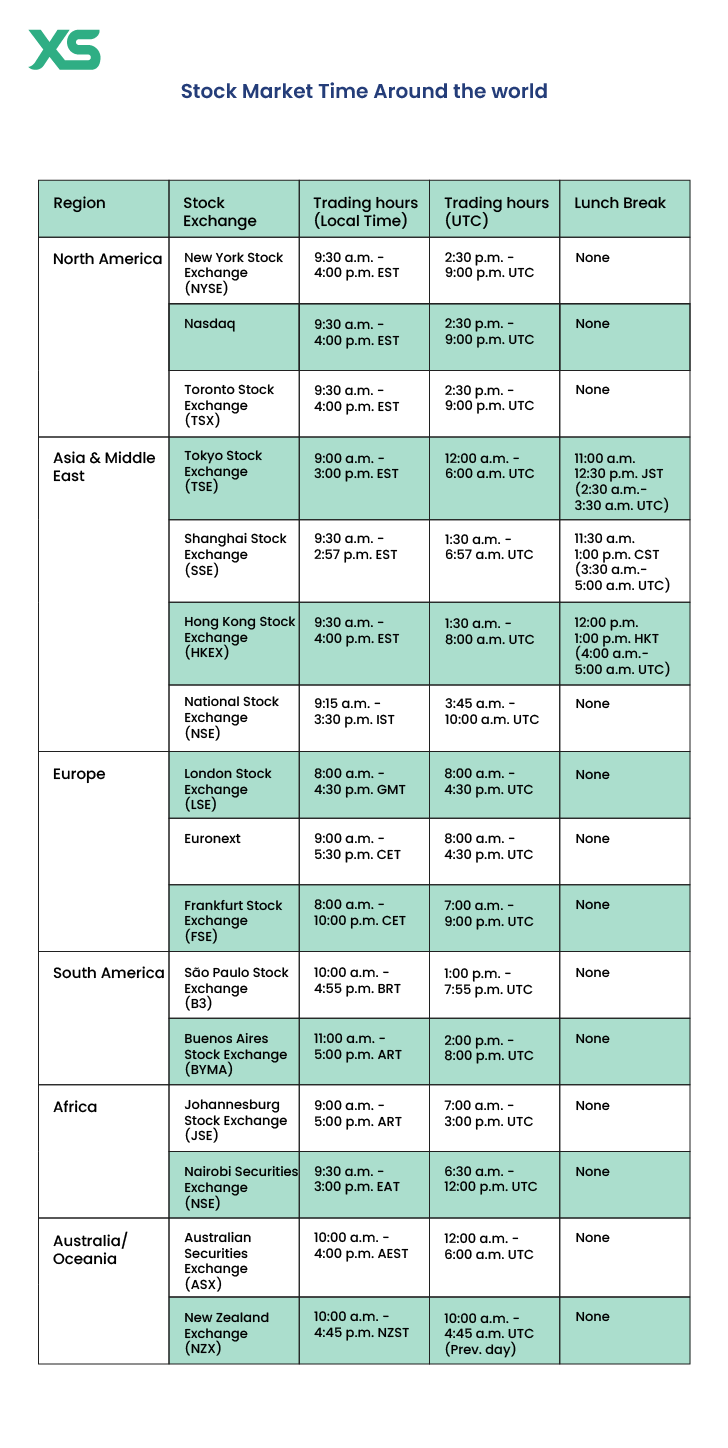
The standard trading session for both the NYSE and NASDAQ runs from 9:30 AM to 4:00 PM Eastern Time (ET), Monday through Friday. This six-and-a-half-hour window is when the highest volume of trading occurs. During these hours, liquidity—the ease with which you can buy or sell a stock without significantly affecting its price—is at its peak. For the average retail investor, this is the safest and most efficient time to execute trades.
The Significance of the “Closing Bell”
The 4:00 PM ET closing bell is not just a ceremonial end to the day; it marks the “Closing Auction.” This is a highly regulated process where the exchange matches buy and sell orders to determine the official closing price of a security. This price is used by mutual funds to calculate their Net Asset Value (NAV) and by analysts to chart historical performance. Understanding the closing auction is vital because the last ten minutes of the day often see a massive surge in volume as institutional “big money” rebalances portfolios.
Holiday Schedules and Early Closures
“What time does the market close today?” becomes a particularly pertinent question around federal holidays. The U.S. markets are closed on several key days, including New Year’s Day, Martin Luther King Jr. Day, Presidents’ Day, Good Friday, Memorial Day, Juneteenth, Independence Day, Labor Day, Thanksgiving, and Christmas.
Furthermore, the markets often observe “early close” days—typically at 1:00 PM ET—on the day before or after certain holidays, such as the day after Thanksgiving (Black Friday) or Christmas Eve. Keeping an economic calendar is a basic but necessary habit for anyone managing their own investments.
2. Beyond the Bell: The Rise of Extended-Hours Trading
In the digital age, the market doesn’t truly “turn off” at 4:00 PM. Electronic Communication Networks (ECNs) allow for trading outside of standard hours, a practice known as extended-hours trading.
Pre-Market Trading Dynamics
Pre-market trading typically begins as early as 4:00 AM ET and runs until the official opening at 9:30 AM ET. This session is often driven by overnight news, international market movements, or early-morning economic reports (such as the Consumer Price Index or Unemployment numbers). While it offers a head start, pre-market trading is characterized by low liquidity and high volatility, meaning price swings can be dramatic and unpredictable.
After-Hours Trading: Risks and Rewards
The after-hours session begins immediately at 4:00 PM ET and can run until 8:00 PM ET. This is perhaps the most active “extended” period because most public companies release their quarterly earnings reports shortly after the closing bell. If a major tech giant beats its revenue targets, the stock may skyrocket at 4:15 PM ET. However, because fewer people are trading, the “bid-ask spread” (the difference between what a buyer offers and a seller asks) is much wider, which can lead to unfavorable execution prices for the unwary.
How Retail Investors Can Access Extended Hours
Gone are the days when after-hours trading was reserved for institutional giants. Most modern brokerage platforms, such as Charles Schwab, Fidelity, or even mobile-first apps like Robinhood, allow retail investors to participate in extended sessions. However, most require you to use “Limit Orders” rather than “Market Orders” to protect you from the extreme price fluctuations common during these times.
3. The Global Landscape: Trading Across Time Zones
If you are invested in international stocks or exchange-traded funds (ETFs) that track foreign indices, your “market close” is dictated by global geography. The sun never truly sets on the financial markets.
European Markets
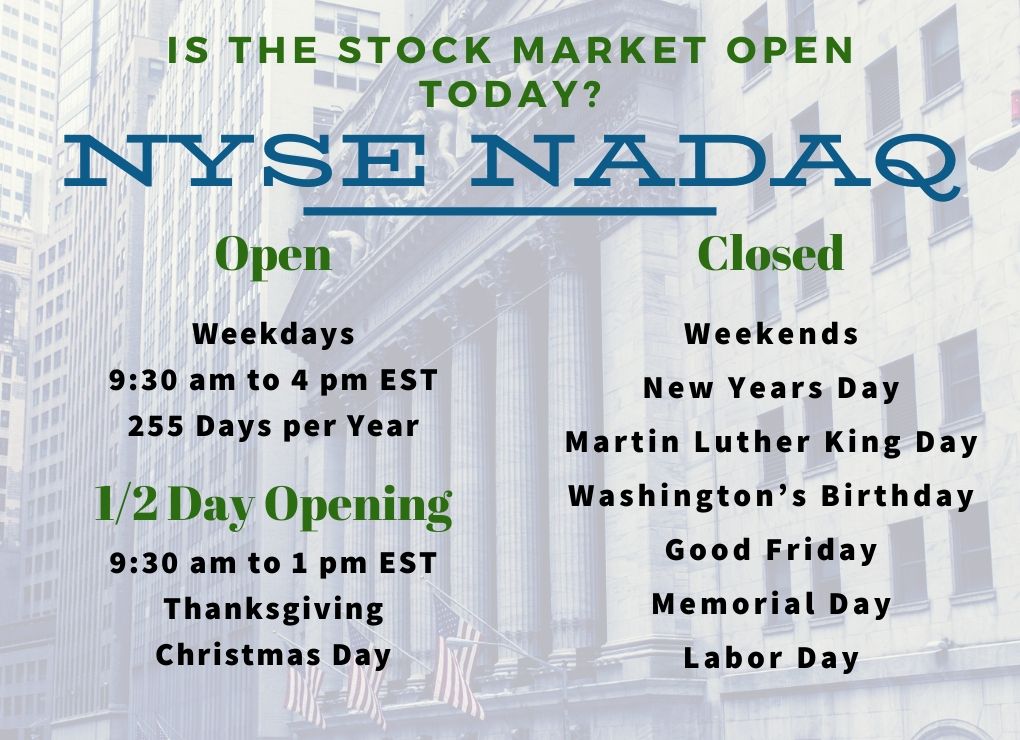
The London Stock Exchange (LSE), one of the world’s oldest and most influential, operates from 8:00 AM to 4:30 PM GMT. For an investor on the U.S. East Coast, this means the London market is closing just as the New York market is ramping up. Similarly, the Euronext and the Frankfurt Stock Exchange (DAX) provide the primary liquidity for the Eurozone, and their movements often set the tone for the U.S. opening.
The Asian Powerhouses
As the U.S. markets settle into their evening after-hours session, the Asian markets begin their day. The Tokyo Stock Exchange (TSE) and the Hong Kong Stock Exchange (HKEX) are pivotal. Notably, many Asian exchanges still observe a “lunch break” where trading pauses for an hour or 90 minutes—a concept foreign to the continuous-flow model of Western markets.
The 24-Hour Cycle of Forex and Crypto
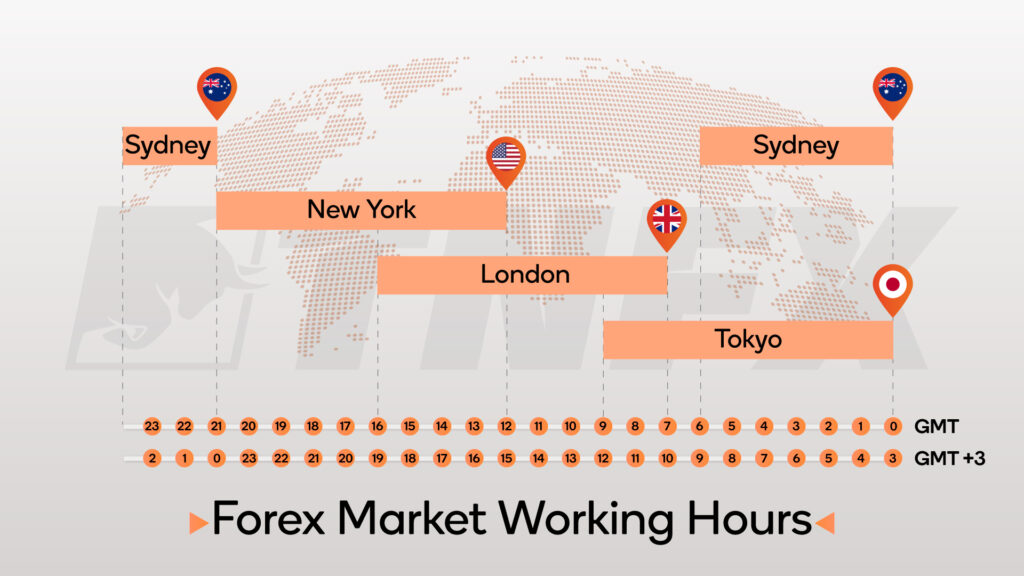
While stocks have specific closing times, other asset classes do not. The Foreign Exchange (Forex) market operates 24 hours a day, five days a week, moving from Sydney to Tokyo to London to New York. Cryptocurrency markets go even further, operating 24/7/365. For a “Money” focused individual, this means that even if the NYSE is closed, global economic forces are constantly shifting the value of your currency and digital assets.
4. Strategic Timing: Why the Clock Matters for Your Portfolio
Knowing when the market closes is one thing; knowing how to use that information to improve your financial returns is another. Professional traders often divide the day into specific zones based on historical behavior.
The “Power Hour”
The final hour of trading, from 3:00 PM to 4:00 PM ET, is colloquially known as the “Power Hour.” This is frequently the most volatile time of the day. Day traders are closing out their positions to avoid “overnight risk,” while institutional investors are executing large “Market on Close” (MOC) orders. For the disciplined personal investor, this is often a time to watch rather than act, as the “noise” of the market can obscure the true value of a stock.
Avoiding the “Noon Slump”
Between 12:00 PM and 1:30 PM ET, volume often thins out as floor traders and institutional desks take lunch. Prices can drift aimlessly during this period. If you are looking to move a large position, doing so during the noon slump might result in a slightly worse price due to the lack of active participants.
The “Weekend Effect” and Monday Openings
Financial history shows that markets often behave differently on Fridays before a close. The “weekend effect” is a phenomenon where stocks may see increased selling on Fridays as investors de-risk to avoid potential negative news over the weekend. Conversely, Monday mornings often see a “gap” where a stock opens significantly higher or lower than Friday’s close, based on events that occurred while the exchange was dark.
5. Tools and Resources for Tracking Market Schedules
In a world of fluctuating daylight savings times and various international holidays, keeping track of “market close” today requires the right tools.
Economic Calendars and Financial Apps
Every serious investor should utilize an economic calendar. Websites like Bloomberg, Reuters, and Yahoo Finance provide real-time countdowns to market opens and closes across the globe. These tools also highlight upcoming “early closes” and holidays, ensuring you aren’t caught off guard by a lack of liquidity.
Brokerage Notifications and Alerts
Most modern trading platforms allow you to set alerts for market events. You can receive a push notification 15 minutes before the closing bell or an alert when the pre-market session begins. Utilizing these automated features helps you maintain a professional discipline over your finances without needing to stare at a clock all day.
Setting Your Personal Trading Routine
The most successful investors are those who build a routine around the market’s clock. This might involve reviewing your portfolio at 3:30 PM ET to decide if any adjustments are needed before the close, or checking the Asian and European finishes at 8:00 AM ET to prepare for the U.S. open. By aligning your personal habits with the market’s schedule, you move from a reactive state to a proactive one.
Conclusion: The Mastery of Time in Finance
The question of “what time market close today” is the gateway to understanding the structural mechanics of wealth creation. While the 4:00 PM ET bell signals the end of a session, it does not signal the end of opportunity. By understanding the nuances of the core session, the risks of extended-hours trading, and the global interconnectedness of the 24-hour financial cycle, you position yourself as a more sophisticated steward of your capital.
In finance, money never truly sleeps, but it does follow a schedule. Respecting that schedule—knowing when to dive in and when to step back—is one of the most effective “side hustles” you can develop. Whether you are managing a small personal portfolio or a large corporate account, the clock is just as important as the spreadsheet. Stay informed, stay disciplined, and always know how much time is left before the bell.
aViewFromTheCave is a participant in the Amazon Services LLC Associates Program, an affiliate advertising program designed to provide a means for sites to earn advertising fees by advertising and linking to Amazon.com. Amazon, the Amazon logo, AmazonSupply, and the AmazonSupply logo are trademarks of Amazon.com, Inc. or its affiliates. As an Amazon Associate we earn affiliate commissions from qualifying purchases.