
In the global marketplace, few sectors are as ubiquitous, competitive, or brand-dependent as the Consumer Packaged Goods (CPG) industry. From the toothpaste you use in the morning to the snack you grab in the afternoon, CPG products are the essential items that consumers use daily and replace frequently. However, to view this industry merely as a collection of commodities is to miss the strategic heart of the business. At its core, the CPG industry is an intricate theater of brand strategy, where identity, perception, and emotional resonance determine which products thrive on a crowded shelf and which fade into obscurity.
Understanding the CPG industry requires looking beyond the physical goods. It is a study in how companies cultivate trust and recognition in a high-velocity environment. Because these products are often low-cost and high-volume, the margin for error in branding is razor-thin. In this landscape, a brand is not just a logo; it is a promise of consistency, quality, and value that the consumer buys into every single week.
Defining CPG Through the Lens of Brand Identity
The CPG industry is defined by its rapid turnover and the “packaged” nature of its goods. Unlike durable goods—such as automobiles or appliances—CPG items are consumed quickly and have a short lifespan. This inherent speed creates a unique challenge for brand managers: how do you maintain a meaningful connection with a consumer who is making a purchasing decision in a matter of seconds?
The Core Characteristics of CPG Brands
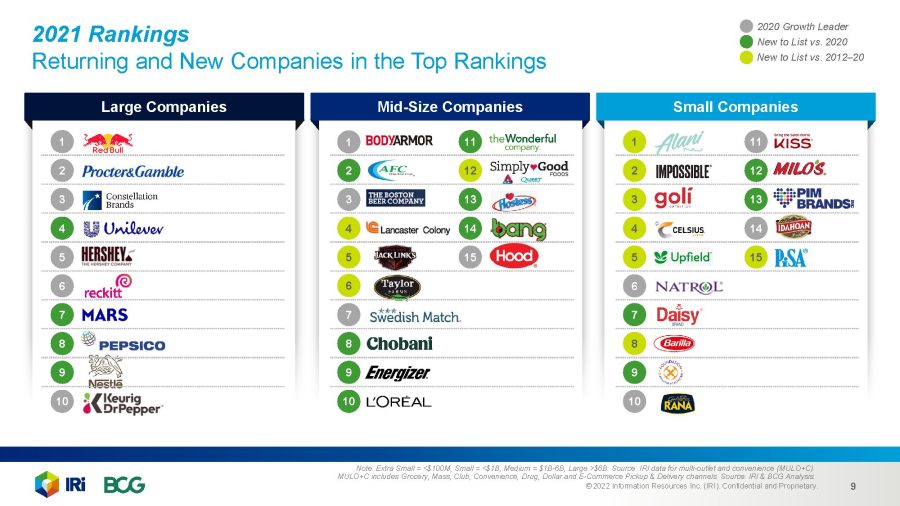
Strong CPG brands are built on the foundation of reliability and accessibility. Because the purchase cycle is so short, the brand must occupy a permanent space in the consumer’s “mental map.” This is achieved through distinctive assets—specific colors, shapes, and slogans that trigger immediate recognition. Whether it is the specific red of a Coca-Cola can or the unique silhouette of a Hershey’s bar, these elements constitute a brand identity that transcends the product itself. In a market where physical differences between products (like flour or bottled water) are often negligible, the brand identity becomes the primary product.
Shelf Presence and the Psychology of Packaging
In the CPG world, the packaging is the “silent salesman.” It is the final touchpoint of a brand strategy before a purchase is made. Brand identity in this niche must be functional yet evocative. Packaging design must communicate the brand’s value proposition—whether it is “organic and healthy,” “affordable and family-sized,” or “luxury and indulgent”—within a three-second window. The use of typography, color psychology, and tactile materials are all strategic choices used to align the physical product with the overarching corporate identity.
Building Brand Loyalty in a Commodity-Driven Market
One of the greatest hurdles in the CPG industry is the “commodity trap.” When consumers perceive products as interchangeable, they default to buying based on the lowest price. For a CPG company to maintain healthy margins, it must move beyond functional benefits and build significant brand equity. This is the “intangible value” that allows a brand to charge a premium over a generic store-brand equivalent.
Emotional Branding and Consumer Connection
The most successful CPG entities do not sell soap or cereal; they sell feelings, lifestyle choices, and solutions to daily problems. For example, a laundry detergent brand might focus its strategy on the “smell of home” or the “care for one’s family.” By tapping into these emotional drivers, brands create a “moat” around their customer base. Loyalty in CPG is rarely about the chemical formula; it is about how the brand makes the consumer feel about their role as a parent, an athlete, or an environmentally conscious citizen.
From Transactional to Relational: The Role of Brand Values
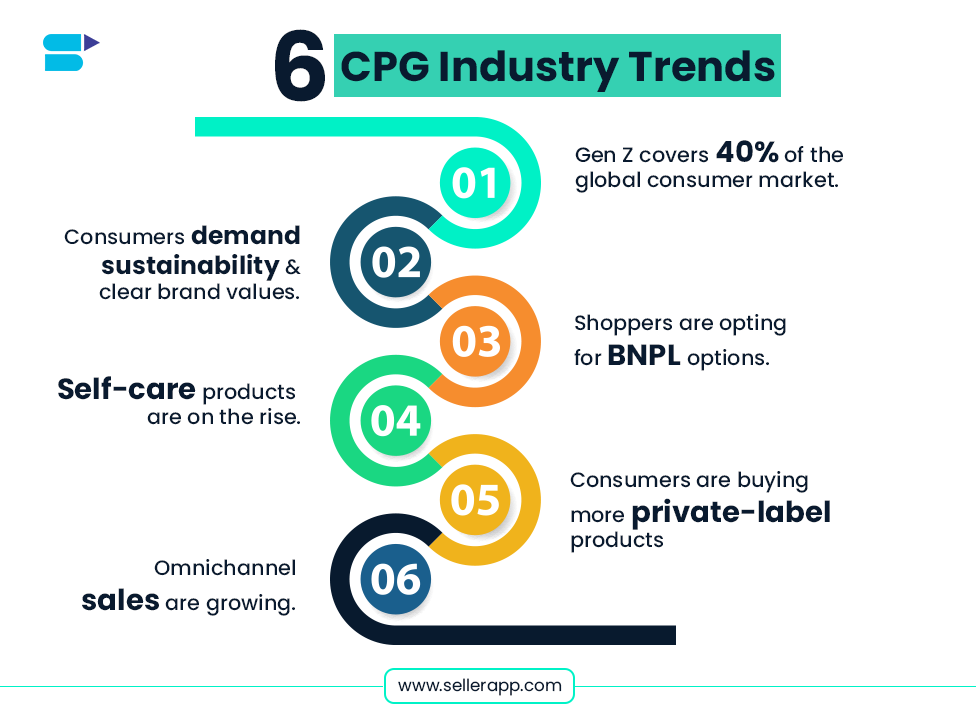
In the modern era, CPG branding has shifted from being purely transactional—”I give you money, you give me a product”—to being relational. Consumers, particularly younger demographics, increasingly align themselves with brands that share their personal values. This has led to the rise of “Purpose-Led Branding.” When a CPG brand takes a stand on social issues or emphasizes its ethical sourcing, it provides a reason for the consumer to stay loyal even when a cheaper competitor enters the market. The brand becomes a badge of identity for the user.
Strategic Marketing and the Evolution of CPG Distribution
The way CPG brands reach their audience has undergone a radical transformation. Historically, the brand strategy was dominated by “Big Retail” relationships and massive television advertising budgets. Today, the strategy is much more fragmented and data-driven, requiring a sophisticated approach to how a brand communicates across various channels.
Omnichannel Branding: Balancing Physical and Digital Presence
A brand must now maintain a cohesive identity across a dizzying array of touchpoints. A consumer might see an Instagram ad, research a product on a smartphone while standing in a grocery aisle, and finally make the purchase via a voice-activated home assistant. This “omnichannel” reality means that the brand’s visual and verbal identity must be incredibly flexible. The brand must feel the same on a 5-inch screen as it does on a massive billboard or a cardboard floor display in a supermarket. Consistency across these channels builds the “fluency” that leads to habitual buying.
Direct-to-Consumer (DTC) and the Personal Brand Experience
The rise of Direct-to-Consumer (DTC) models has allowed CPG brands to bypass traditional retailers and build a direct line to their fans. This shift has massive implications for brand strategy. In a DTC model, the brand has total control over the “unboxing” experience, the tone of email communications, and the gathering of first-party data. This allows for hyper-personalization, where the brand can tailor its messaging to specific consumer personas. By owning the relationship, the brand moves from being a guest on someone else’s shelf to being a curated experience in the consumer’s home.
Modern Branding Challenges: Sustainability and Innovation
As the CPG industry moves deeper into the 21st century, brand strategies are being forced to adapt to a new set of consumer expectations. The “throwaway” culture that once defined the industry is being challenged, and brands that fail to innovate in their identity and practices risk becoming obsolete.
The Rise of Ethical Branding
Sustainability is no longer a niche marketing tactic; it is a core pillar of modern CPG brand strategy. As consumers become more aware of plastic waste and carbon footprints, the “Brand Identity” of a product is now inextricably linked to its environmental impact. Brands are now rebranding themselves as “circular” or “zero-waste.” However, this carries a high risk of “greenwashing” if the brand’s actions do not match its marketing. Authenticity is the new currency of CPG branding; a brand must prove its commitment to sustainability through transparent supply chains and honest communication.
Maintaining Brand Consistency During Rapid Innovation
The CPG industry is characterized by constant “New and Improved” iterations. Every year, thousands of line extensions—new flavors, scents, or sizes—are launched. The branding challenge here is maintaining the “Core Brand DNA” while exploring new categories. If a brand known for high-end chocolate suddenly launches a protein bar, the branding must bridge the gap between “indulgence” and “health.” Strategic brand architecture allows a company to innovate and capture new market segments without diluting the trust they have built in their flagship products.
Conclusion: The Future of CPG is Brand-Centric
The CPG industry is often described in terms of logistics, supply chains, and retail velocity. While those elements are vital, they are merely the machinery that delivers the brand to the consumer. In a world of infinite choices and shrinking attention spans, the “Brand” is the most valuable asset a CPG company owns. It is the shortcut the brain uses to make a decision in a crowded aisle; it is the trust that ensures a parent chooses one baby formula over another; and it is the lifestyle statement that makes a specific beverage a staple in a social setting.
As technology continues to reshape how we shop, the brands that survive will be those that view their identity not as a static logo, but as a living, breathing relationship with the consumer. To succeed in the CPG industry is to master the art of the brand—balancing the functional need for a product with the human desire for connection, consistency, and meaning. In the end, the products are consumed, but the brands endure.
aViewFromTheCave is a participant in the Amazon Services LLC Associates Program, an affiliate advertising program designed to provide a means for sites to earn advertising fees by advertising and linking to Amazon.com. Amazon, the Amazon logo, AmazonSupply, and the AmazonSupply logo are trademarks of Amazon.com, Inc. or its affiliates. As an Amazon Associate we earn affiliate commissions from qualifying purchases.