
In the current landscape of wearable technology, “Target HR” (Target Heart Rate) has evolved from a simple physiological concept into a sophisticated data point driven by complex algorithms, high-precision sensors, and machine learning. No longer reserved for elite athletes or clinical settings, Target HR is the cornerstone of the modern “Quantified Self” movement. For tech enthusiasts and developers, understanding Target HR means diving into the intersection of hardware engineering, software development, and the digital processing of human biometrics.
As we move deeper into the era of personalized health tech, the ability of a device to accurately calculate, monitor, and guide a user toward their Target HR defines the success of the product. This article explores the technological architecture behind Target HR, the software innovations driving its accuracy, and the future of biometric data security.
The Architecture of Biometric Sensing: From Photons to Data Points
To understand Target HR from a technological perspective, we must first look at the hardware that captures the raw signals. The modern smartwatch or fitness tracker does not “feel” a pulse in the traditional sense; instead, it uses a suite of optical sensors and software filters to interpret blood flow.
The Role of Photoplethysmography (PPG)
At the heart of almost every wearable device—from the Apple Watch to the latest Garmin—is Photoplethysmography (PPG). This technology involves shining green light-emitting diodes (LEDs) onto the skin and using photodetectors to measure the amount of light reflected back. Because blood absorbs green light, the fluctuations in light absorption correspond to the volumetric changes in blood vessels during a heartbeat.
The technical challenge lies in the “noise.” Movement, skin tone, and ambient light can all interfere with the PPG signal. Tech companies spend millions on digital signal processing (DSP) to filter this noise, ensuring that the “raw data” can be reliably converted into a heart rate reading that serves as the basis for calculating Target HR.
Hardware Evolution: Optical vs. Electrical Sensors
While PPG is the industry standard for continuous monitoring, many high-end gadgets are integrating Electrocardiogram (ECG) technology. Unlike PPG, which measures blood flow, ECG sensors measure the actual electrical signals generated by the heart. By completing a circuit (usually by touching a specific part of the device with the opposite hand), the software can generate a much more accurate reading. The integration of these two hardware paths allows modern software to calibrate Target HR zones with clinical-grade precision, moving beyond simple estimations.
Software-Driven Personalization: Calculating the Target
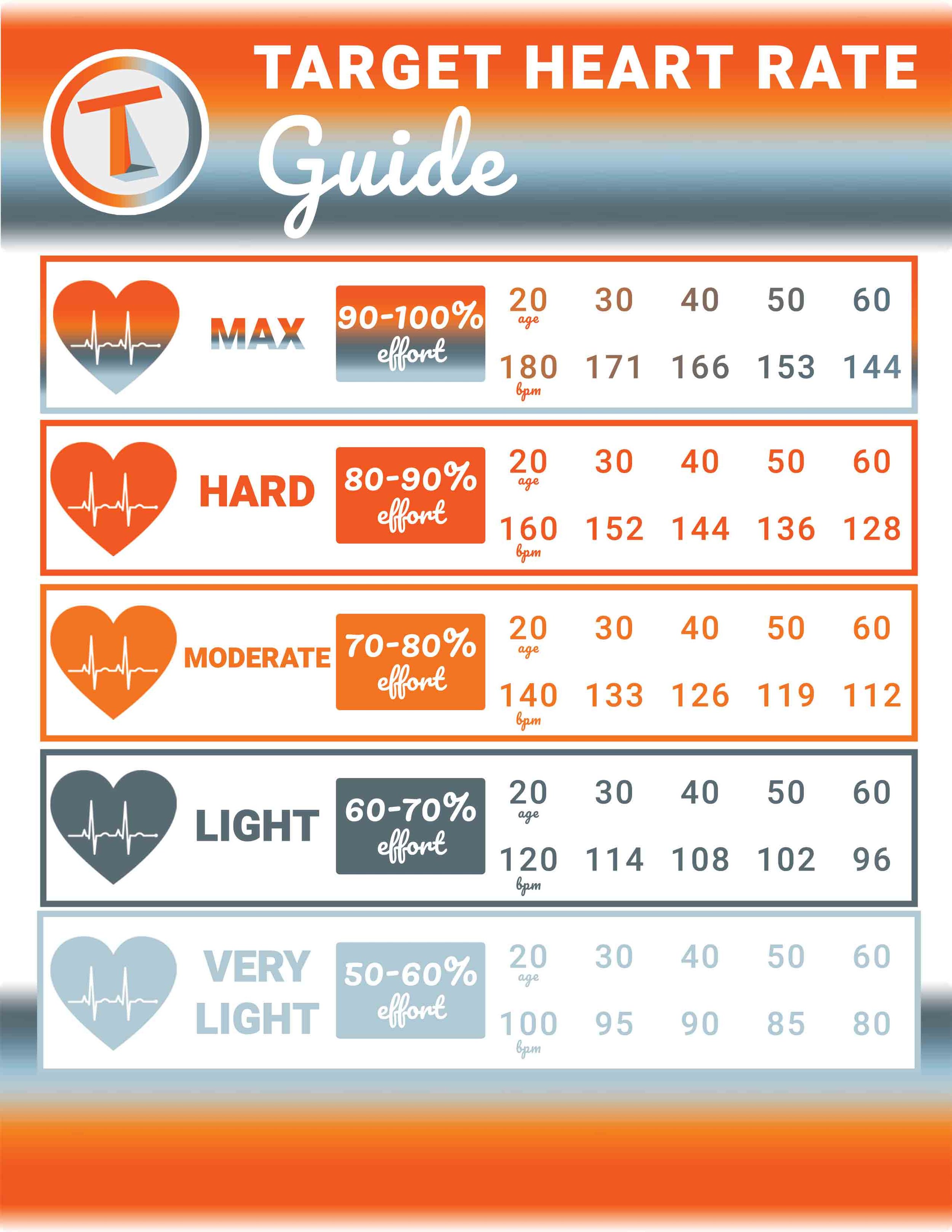
Once the hardware captures a reliable heart rate, the software ecosystem takes over. “Target HR” is not a static number; it is a range defined by the user’s goals—whether that is aerobic conditioning, fat oxidation, or peak anaerobic performance. The tech behind these calculations has shifted from static formulas to dynamic, AI-driven models.
Algorithmic Foundations: Beyond 220-Minus-Age
For decades, the standard for calculating Target HR was the “220 minus age” formula. In the tech world, this is considered a “legacy algorithm”—useful but imprecise. Modern health apps now utilize the Karvonen Formula or the Tanaka Equation, which incorporate Heart Rate Reserve (HRR) and Resting Heart Rate (RHR) to provide a more nuanced digital profile.
The sophistication of the software lies in its ability to automate these calculations in real-time. As a user’s fitness improves, their RHR typically drops. A high-quality fitness app will automatically adjust the user’s Target HR zones based on these background data trends without requiring manual input, a process known as “Auto-Threshold Detection.”
Machine Learning and Predictive Analytics
The most advanced software platforms now use machine learning (ML) to predict when a user is approaching their Target HR before they even get there. By analyzing historical data, sleep quality metrics, and even ambient temperature, AI tools like Oura’s “Readiness Score” or Whoop’s “Strain” metrics can advise a user on what their Target HR should be for a specific day. This represents a shift from reactive monitoring to proactive, predictive health management, where the “Target” is a moving variable optimized by cloud-based computing.
The Ecosystem Integration: Mobile Apps and IoT

Target HR is rarely a standalone metric. Its value is amplified when it is integrated into a broader digital ecosystem. The “Tech” of Target HR is as much about connectivity as it is about biology.
Cross-Platform Synchronicity
The modern user interacts with their Target HR data across multiple devices: a chest strap, a wrist-based tracker, a cycling computer, and a smartphone app. This requires robust API (Application Programming Interface) integration. Protocols like ANT+ and Bluetooth Low Energy (BLE) are the communication backbones that allow these gadgets to share high-frequency biometric data with minimal latency.
In a smart gym environment, IoT (Internet of Things) integration allows a treadmill or rowing machine to receive Target HR data directly from a user’s watch. The machine then automatically adjusts its resistance or speed to keep the user within their specific “Target HR zone.” This automated feedback loop is a prime example of how software-hardware synergy creates a seamless user experience.
Real-Time Visualization and UI/UX Design
The data is only useful if it is actionable. Software developers focus heavily on UI (User Interface) design to communicate Target HR zones through haptic feedback (vibrations) or color-coded visual cues. For instance, a watch face might turn orange as a user enters their high-intensity Target HR zone. This instant feedback loop is powered by background processes that must run efficiently to avoid draining the device’s battery while maintaining a high sampling rate.
Digital Security and the Privacy of Biometric Data
As Target HR data moves from the device to the cloud, it enters the realm of cybersecurity. Biometric data is among the most sensitive information a person can generate, and protecting it is a top priority for tech firms.
Data Encryption and Edge Computing
To mitigate the risk of data breaches, many tech companies are moving toward “Edge Computing.” Instead of sending raw heart rate data to a central server for processing, the device performs the heavy lifting locally. When data is synced to the cloud, it is typically protected by end-to-end encryption.
For developers, the challenge is balancing the computational power needed for complex Target HR analysis with the strict limitations of on-device hardware. This has led to the development of specialized biometric processors—chips designed specifically to handle heart rate algorithms while using a fraction of the power of a standard CPU.
The Ethics of Biometric Monetization
The tech industry is currently facing a debate over the ownership of health data. While Target HR metrics are invaluable for personal health, they are also highly prized by insurance companies and big data firms. The next generation of health-tech will likely be defined by decentralized data models and blockchain-based “self-sovereign identity,” where users have absolute control over who accesses their Target HR trends and under what conditions.
The Future of Target HR Technology: Wearables 2.0
As we look toward the future, the technology surrounding Target HR is poised for another leap. We are moving beyond the wrist and into “smart fabrics” and “hearables” (biometric-sensing headphones).
Continuous Non-Invasive Monitoring
The ultimate goal for health-tech engineers is the seamless integration of Target HR monitoring into everyday life. Future gadgets may utilize ultra-thin biosensors embedded in clothing that provide medical-grade accuracy without the need for a strapped-on device. Furthermore, the integration of Target HR data with other biomarkers, such as blood glucose levels (via non-invasive optical sensors), will provide a holistic view of human performance that was once the stuff of science fiction.

Augmented Reality (AR) Integration
Imagine a runner wearing AR glasses that project their real-time heart rate and Target HR zone directly into their field of vision. This integration of AR and biometric tech would allow for “ghost racing” against one’s own past performance, with the software ensuring the user stays within the optimal Target HR for their training plan.
In conclusion, “Target HR” is no longer just a fitness term; it is a high-tech metric at the center of a multibillion-dollar industry. From the physics of light-based sensing to the complexities of AI-driven predictive modeling, the technology behind heart rate tracking is a testament to the power of digital innovation. As hardware becomes more discreet and software more intelligent, the ability to track and optimize our Target HR will continue to redefine the boundaries between human biology and technological advancement.
aViewFromTheCave is a participant in the Amazon Services LLC Associates Program, an affiliate advertising program designed to provide a means for sites to earn advertising fees by advertising and linking to Amazon.com. Amazon, the Amazon logo, AmazonSupply, and the AmazonSupply logo are trademarks of Amazon.com, Inc. or its affiliates. As an Amazon Associate we earn affiliate commissions from qualifying purchases.