
In the contemporary global marketplace, a product is rarely just an ingredient; it is a narrative, a value proposition, and a strategic asset. When we ask, “What is tamarind puree?” from a brand strategy perspective, we are not merely discussing a tart fruit paste derived from the Tamarindus indica tree. Instead, we are examining the transformation of a traditional, regional staple into a versatile, high-demand global brand.
The transition of tamarind puree from open-air markets in Southeast Asia and Mexico to the sleek, branded shelves of high-end grocery stores in London and New York represents a masterclass in product positioning, brand identity, and market adaptation. For brand strategists and marketers, tamarind puree serves as a case study in how to “premiumize” a commodity and leverage cultural authenticity to capture modern consumer segments.
From Ingredient to Identity: The Strategic Evolution of Tamarind Puree
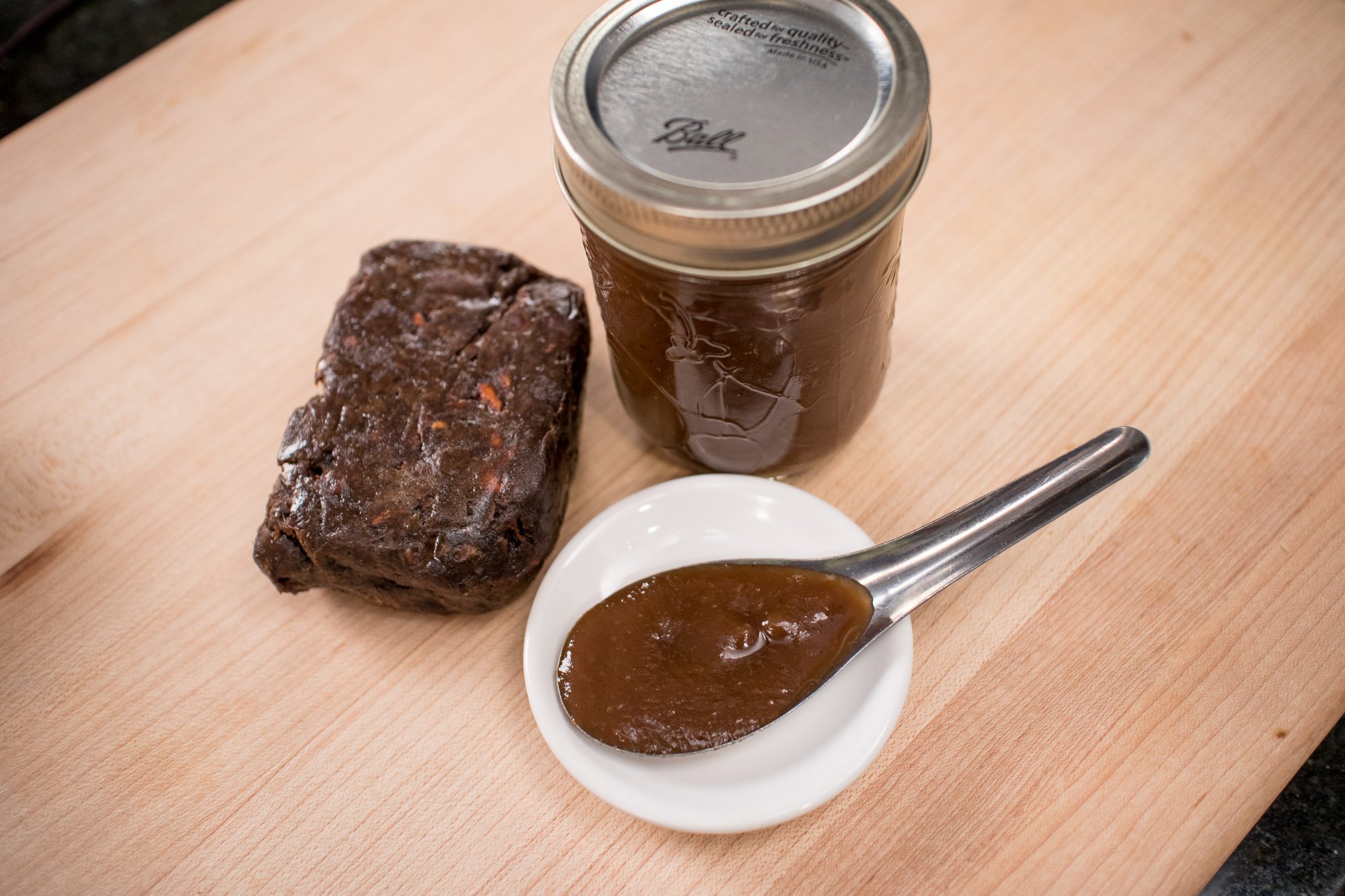
The journey of any successful Consumer Packaged Goods (CPG) product begins with its transition from a raw commodity to a branded identity. For decades, tamarind was sold in its raw, fibrous pod form or as compressed bricks. While functional, these formats lacked the convenience and consistency required for a global brand to scale.
Defining the Modern Tamarind Brand
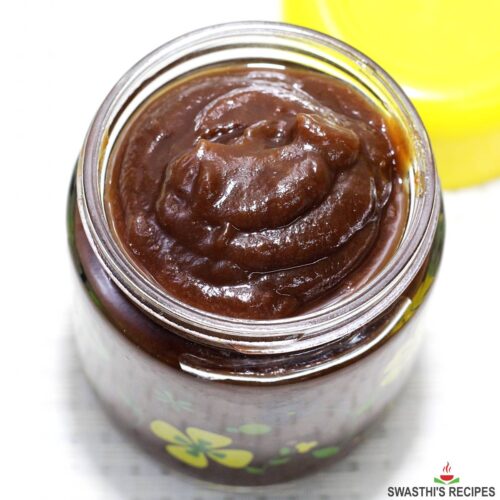
A modern tamarind puree brand is built on the pillars of convenience and consistency. By processing the fruit into a smooth, seedless, and ready-to-use paste, manufacturers have removed the primary barrier to entry for the average consumer: labor-intensive preparation. In branding terms, this is “solving a pain point.” When a consumer buys a jar of tamarind puree, they are not just buying the fruit; they are buying the saved time and the guarantee of a specific flavor profile.
Strategic branding here involves defining what the puree represents. Is it an “authentic ethnic” product, or is it a “modern culinary shortcut”? Successful brands in this space have moved toward the latter, positioning tamarind puree as a versatile “secret weapon” for any kitchen, thereby expanding their Target Addressable Market (TAM) beyond traditional demographics.
The Shift from Bulk Commodity to Premium CPG
The evolution into a premium brand requires a shift in messaging. Commodity products compete on price; premium brands compete on story and quality. Brands that have successfully commercialized tamarind puree often highlight the “Single Origin” of their fruit or the “Traditional Sun-Ripened” methods of harvest. By attaching these descriptors, the brand moves away from a race-to-the-bottom pricing strategy and toward a value-based pricing model that appeals to the “foodie” demographic and professional chefs alike.
Brand Positioning in the Global Culinary Landscape
Positioning is the act of designing a company’s offering and image to occupy a distinctive place in the mind of the target market. For tamarind puree, the positioning strategy must balance two conflicting desires: the consumer’s quest for “authentic” experiences and their demand for “accessible” products.
Targeting the Conscious Consumer: Health and Transparency
In the current branding climate, “Clean Label” is more than a trend; it is a requirement. Tamarind puree brands that succeed are those that emphasize a minimal ingredient list—ideally just tamarind and water. By positioning the product as naturally vegan, gluten-free, and rich in antioxidants, brands align themselves with the “Wellness” movement.
This transparency builds brand equity. When a brand can trace its supply chain back to sustainable farms in India or Thailand, it creates a “Brand Promise” of ethical consumption. In the eyes of the modern consumer, the brand becomes a steward of the environment, which justifies a higher price point and fosters long-term loyalty.
Cross-Cultural Appeal: Rebranding for the Western Palate
One of the most significant challenges in brand strategy is “localization” or, in this case, “globalization.” To move tamarind puree into the Western mainstream, brands have had to rethink their communication strategies. Instead of marketing it solely for Pad Thai or Sambhar, clever brand positioning suggests its use in BBQ sauces, cocktail mixers, and vegan desserts.
This “Usage Expansion” strategy allows a brand to infiltrate different aisles of the grocery store. By rebranding tamarind puree as a “Natural Acidulant”—a direct competitor to lemon juice or balsamic vinegar—brands can pivot their identity from a niche ethnic ingredient to a pantry essential.
Visual Identity and Packaging Design in the Specialty Food Sector
A brand’s visual identity is the first touchpoint with a consumer. For a product like tamarind puree, which has a naturally dark, dense appearance, the packaging must do the heavy lifting to make the product look appetizing and high-quality.

Communicating Authenticity Through Design
The visual language of tamarind puree brands often utilizes earthy tones to reflect the fruit’s origin, but modern brands are increasingly adopting a “Minimalist-Chic” aesthetic. High-contrast labels, sophisticated typography, and professional food photography on the packaging help to elevate the product’s perceived value.
Authenticity is often communicated through subtle cues—using traditional patterns in a modern, stylized way or incorporating “Heritage Storytelling” on the back of the label. This creates a brand personality that feels both rooted in history and fit for a modern lifestyle.
Sustainable Packaging as a Brand Value
In the specialty food sector, the medium is the message. A brand that positions itself as “natural” and “authentic” cannot afford to use low-quality, non-recyclable plastic. Glass jars have become the gold standard for tamarind puree branding, conveying a sense of “premium-ness” and shelf-stability.
Furthermore, as sustainability becomes a core brand pillar, brands are exploring compostable labels and carbon-neutral shipping. This alignment between the product’s natural origins and its packaging’s environmental impact strengthens the brand’s integrity in the eyes of the “Eco-Conscious” segment.
Marketing the “Exotic”: Strategies for Market Penetration
Marketing an ingredient like tamarind puree requires a “top-of-funnel” approach that focuses heavily on education. If the consumer doesn’t know how to use the product, they won’t buy it, regardless of how beautiful the branding is.
Content Marketing and Educational Branding
The most successful tamarind brands are those that act as educators. Through recipe blogs, “how-to” videos, and QR codes on packaging that lead to digital cookbooks, these brands provide value before and after the purchase. This is “Content-Led Growth.” By becoming the authority on how to use tamarind, the brand builds a community of engaged users who view the product as a gateway to global flavors.
This strategy also leverages SEO. When consumers search for “tamarind puree substitutes” or “how to make tamarind glaze,” a well-positioned brand ensures its content is the first thing they see, effectively capturing the lead at the moment of intent.
Influencer Partnerships and the “Chef-Driven” Endorsement
In the world of food branding, the “Professional Endorsement” is a powerful tool. By partnering with celebrity chefs and culinary influencers, brands can gain immediate “Street Cred.” When a respected chef uses a specific brand of tamarind puree in a viral video, that brand is instantly validated as the “Authentic Choice.”
These partnerships allow the brand to tap into the influencer’s existing audience, providing a shortcut to trust. It’s not just about the product; it’s about the lifestyle and culinary expertise that the brand facilitates.
Future Outlook: The Scaling of Niche Flavors
The “tamarind economy” is poised for growth as global palates continue to diversify. For brands, the challenge will be maintaining their “Niche Appeal” while achieving “Mass Scale.”
Resilience in the Supply Chain as a Brand Promise
As the brand grows, the supply chain becomes a part of the brand’s public-facing identity. Brand resilience—the ability to maintain quality and availability despite global disruptions—becomes a key competitive advantage. Brands that invest in direct-trade relationships with farmers are not just securing their product; they are securing their brand story.
In the future, we may see tamarind puree brands leveraging blockchain technology to provide “Farm-to-Table” traceability, allowing consumers to scan a jar and see exactly where the fruit was harvested. This level of radical transparency is the next frontier in corporate branding.
Conclusion: The Brand is the Puree
What is tamarind puree? It is no longer just a tropical fruit extract. Through strategic branding, it has become a symbol of culinary exploration, a testament to the power of convenience-driven innovation, and a bridge between traditional heritage and modern lifestyle.
For a brand to succeed in this space, it must look beyond the jar. It must cultivate a personality that resonates with the values of the modern consumer: authenticity, sustainability, and culinary creativity. As tamarind puree continues to find its way into mainstream kitchens, the brands that have invested in a strong, transparent, and educational identity will be the ones that define the category for decades to come. In the world of global marketing, the flavor may be the product, but the brand is the experience.
aViewFromTheCave is a participant in the Amazon Services LLC Associates Program, an affiliate advertising program designed to provide a means for sites to earn advertising fees by advertising and linking to Amazon.com. Amazon, the Amazon logo, AmazonSupply, and the AmazonSupply logo are trademarks of Amazon.com, Inc. or its affiliates. As an Amazon Associate we earn affiliate commissions from qualifying purchases.