
In the traditional sense, the study of chemistry has often been visualized through the lens of laboratory glassware, bubbling reagents, and periodic tables hanging in dusty classrooms. However, in the contemporary landscape of high-speed computing and advanced materials science, chemistry has evolved into a cornerstone of the technology sector. Today, the study of chemistry is less about the manual mixing of substances and more about the digital manipulation of matter. It is a field defined by computational modeling, artificial intelligence, and the engineering of microscopic systems that power our global digital infrastructure.
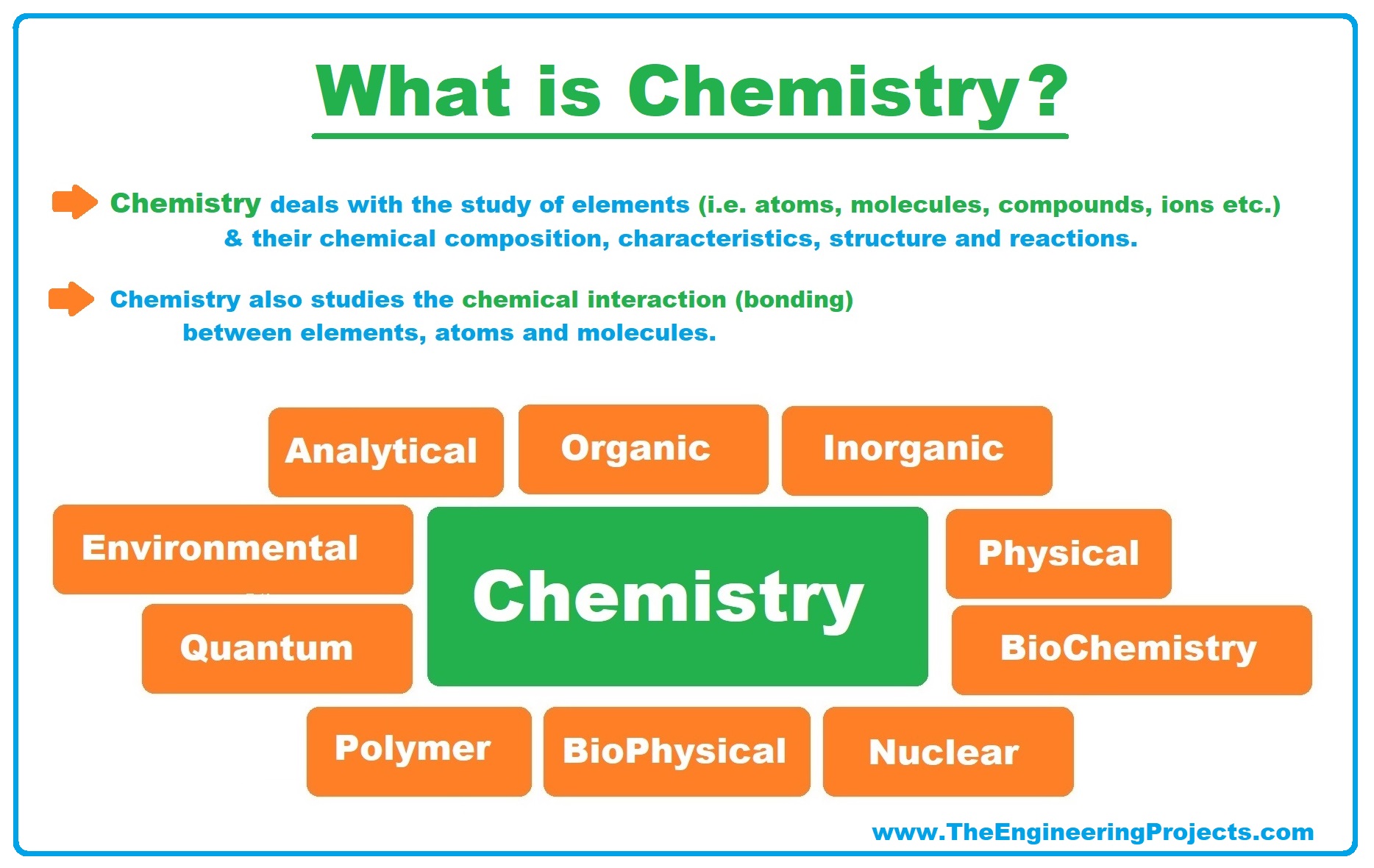
As we transition into an era dominated by the Fourth Industrial Revolution, understanding “what is the study of chemistry” requires a tech-centric perspective. It is the fundamental science that allows us to build faster processors, create higher-capacity batteries, and develop the software-driven tools that simulate the very fabric of reality.
Computational Chemistry: The Software Revolutionizing Molecular Design
The most significant shift in the study of chemistry over the last decade has been its migration from the “wet lab” to the digital workstation. Computational chemistry is now a primary discipline, utilizing sophisticated software to solve complex chemical problems. This niche within the tech world focuses on using computer simulation to predict the properties of molecules and solids, effectively bypassing years of trial-and-error experimentation.
AI and Machine Learning in Predictive Modeling
Artificial Intelligence (AI) has become the most potent tool in the modern chemist’s arsenal. By leveraging machine learning algorithms, researchers can analyze vast datasets of chemical properties to predict how new, undiscovered compounds will behave. This is particularly prevalent in the pharmaceutical tech sector, where AI models like Google DeepMind’s AlphaFold have solved long-standing challenges in protein folding. These AI tools allow tech companies to design “digital drugs” and synthetic materials with specific electrical or thermal properties before a single atom is moved in a physical lab.
Digital Twins of Atomic Structures
The concept of a “Digital Twin”—a virtual representation of a physical object—has moved from aerospace engineering into molecular science. In the study of modern chemistry, software platforms now create high-fidelity digital twins of complex molecules. These simulations allow engineers to observe how a material reacts to extreme pressure, heat, or electromagnetic interference. For software developers, creating these environments requires immense processing power and optimized code, bridging the gap between chemical science and high-performance computing (HPC).
Material Science and Hardware: The Chemical Foundation of Modern Gadgets
When we ask what the study of chemistry is in a technology context, we must look at the hardware in our hands. Every smartphone, laptop, and wearable device is a triumph of chemical engineering. The tech industry relies on chemistry to push the boundaries of Moore’s Law and to solve the energy crisis facing mobile computing.
Semiconductor Chemistry and the Future of Processing Power
The heart of any tech gadget is the silicon chip. The study of chemistry is vital to the photolithography process used to etch circuits onto silicon wafers. As we move toward 2nm and 1nm process nodes, the chemistry of the light-sensitive polymers (resists) and the gases used in plasma etching becomes incredibly precise. Without advanced chemical research into rare-earth elements and molecular deposition, the software we use daily would not have the hardware capability to run.
Energy Storage: The Lithium-Ion and Solid-State Evolution
One of the biggest bottlenecks in modern technology is power. The study of chemistry is currently focused on the “battery tech” race. Tech giants are investing billions into chemical research to move beyond traditional lithium-ion structures toward solid-state batteries. This involves studying the ion-conductivity of ceramic materials and the chemical stability of anodes. For the consumer, this chemical research translates directly into longer-lasting gadgets, faster charging times, and the viability of electric vehicles.

Biotechnology and Nano-Tech: Where Chemistry Meets Digital Engineering
The convergence of biology, chemistry, and digital technology has birthed a new frontier: Synthetic Biology and Nanotechnology. In this niche, the study of chemistry is viewed as a form of biological programming. We are no longer just observing chemical reactions; we are coding them.
CRISPR and the Programmability of Molecular Biology
CRISPR-Cas9 is often discussed in medical terms, but from a tech perspective, it is a tool for “molecular editing.” The study of the chemical bonds within DNA allows technologists to treat genetic code like software code. By understanding the chemical affinity of specific enzymes, tech-driven labs can “search and replace” sequences of the genome. This intersection of chemical engineering and data science is paving the way for bio-computers, where data is stored in DNA strands rather than silicon chips.
Nanobots and Targeted Drug Delivery Systems
Nanotechnology is perhaps the ultimate expression of modern chemistry. It involves the study and manipulation of matter at the atomic level (1 to 100 nanometers). Tech firms are currently developing “smart” molecules—essentially nanoscopic machines—that can navigate the human body. These devices are built using chemical self-assembly techniques. Understanding the chemistry of surface tension, molecular recognition, and fluid dynamics at the micro-scale is essential for building these next-generation medical gadgets.
Digital Security and the Chemical Layer: Protecting Physical Assets
While digital security usually focuses on firewalls and encryption, there is an emerging field where chemistry provides a physical layer of security for the tech industry. As global supply chains become more complex, the study of chemistry is being utilized to protect hardware and verify authenticity.
Molecular Tagging and Anti-Counterfeiting Tech
Counterfeit hardware is a multi-billion dollar problem in the tech industry. To combat this, chemistry provides “molecular signatures” or “DNA tags” that can be embedded into the plastic or metal casings of high-end gadgets. These chemical markers are invisible and nearly impossible to replicate. Specialized sensors—tech tools in their own right—can then “read” the chemical composition of a product to verify its origin. This represents a fusion of chemical forensics and supply chain security software.
Quantum Chemistry and Post-Quantum Cryptography
As we approach the era of quantum computing, the study of quantum chemistry becomes vital for digital security. Quantum computers rely on the chemical properties of qubits, which are often made from superconducting materials or trapped ions. Understanding the quantum chemical states of these materials is the only way to build a stable quantum computer. Furthermore, the development of post-quantum cryptography (PQC) relies on understanding the mathematical complexities of molecular interactions, ensuring that our digital tools remain secure in an age where traditional encryption could be easily cracked.

Conclusion: The Chemist as a Technologist
To define “what is the study of chemistry” in the modern world is to describe the invisible engine of the technology industry. It is a discipline that has evolved from the macroscopic to the microscopic, from the physical to the digital. Today’s chemists are increasingly found behind monitors, utilizing AI to map the universe’s building blocks or in “clean rooms” designing the semiconductors of tomorrow.
For tech enthusiasts, software developers, and hardware engineers, chemistry is not a separate field; it is the fundamental “stack” upon which all other technologies are built. Whether it is the chemical composition of a flexible OLED screen, the algorithmic prediction of a new polymer, or the molecular storage of data, the study of chemistry remains the most critical frontier for future technological breakthroughs. As we continue to blur the lines between the digital and the physical, chemistry will remain the language we use to program the world around us.
aViewFromTheCave is a participant in the Amazon Services LLC Associates Program, an affiliate advertising program designed to provide a means for sites to earn advertising fees by advertising and linking to Amazon.com. Amazon, the Amazon logo, AmazonSupply, and the AmazonSupply logo are trademarks of Amazon.com, Inc. or its affiliates. As an Amazon Associate we earn affiliate commissions from qualifying purchases.