
In the hyper-competitive landscape of modern commerce, a brand is no longer just a logo, a color palette, or a catchy slogan. It is a living narrative. When we ask, “What is structure in a story?” through the lens of brand strategy, we are not merely discussing literary techniques; we are dissecting the architectural blueprint of market influence. Structure is the difference between a brand that creates fleeting noise and one that builds a lasting legacy. It is the organized framework that transforms disparate marketing messages into a cohesive, persuasive journey for the consumer.

For a brand, story structure provides the logical and emotional sequence that leads a potential customer from awareness to advocacy. Without it, even the most innovative products fail to resonate because they lack a “why.” By understanding and implementing narrative structure, companies can craft a corporate identity that feels human, relatable, and—most importantly—essential.
The Architecture of Brand Identity: Why Structure Matters
In brand strategy, structure serves as the skeleton of the brand’s identity. It holds up the weight of all visual and verbal assets, ensuring that every touchpoint—from a 15-second social media ad to a 50-page annual report—feels like it belongs to the same universe.
The Purpose of Narrative Frameworks in Marketing
The primary purpose of structure in a brand story is to provide clarity. Consumers are inundated with thousands of advertisements daily. The human brain is naturally wired to filter out randomness but to pay attention to structured information. When a brand uses a recognizable narrative structure, it reduces “cognitive load,” making it easier for the audience to digest the value proposition. Structure creates a sense of inevitability; it guides the consumer toward a conclusion (a purchase or a partnership) that feels like the natural resolution to their specific problem.
The Hero’s Journey as a Brand Strategy Tool
Perhaps the most famous narrative structure is Joseph Campbell’s “The Hero’s Journey.” In a branding context, the most common mistake companies make is positioning themselves as the hero. Strategic branding flips this script. In a well-structured brand story, the customer is the hero. The brand takes on the role of the “Mentor” or “Guide” (the Obi-Wan Kenobi or Gandalf figure).
The structure follows a specific path:
- The Call to Adventure: The customer identifies a pain point or an aspiration.
- Meeting the Mentor: The brand introduces itself, offering empathy and authority.
- The Path to Success: The brand provides a plan (the product/service).
- The Resolution: The customer avoids failure and achieves their desired transformation.
By adhering to this structure, a brand validates the customer’s experience and positions its products as the tools necessary for the customer’s personal victory.
The Core Frameworks of Strategic Storytelling
To implement structure effectively, brand strategists often lean on time-tested frameworks that have moved audiences for centuries. These frameworks ensure that the brand’s message is not just heard, but felt.
The Three-Act Structure for Integrated Campaigns
The Three-Act structure is the bedrock of cinematic storytelling, and it is equally powerful in multi-channel brand campaigns.
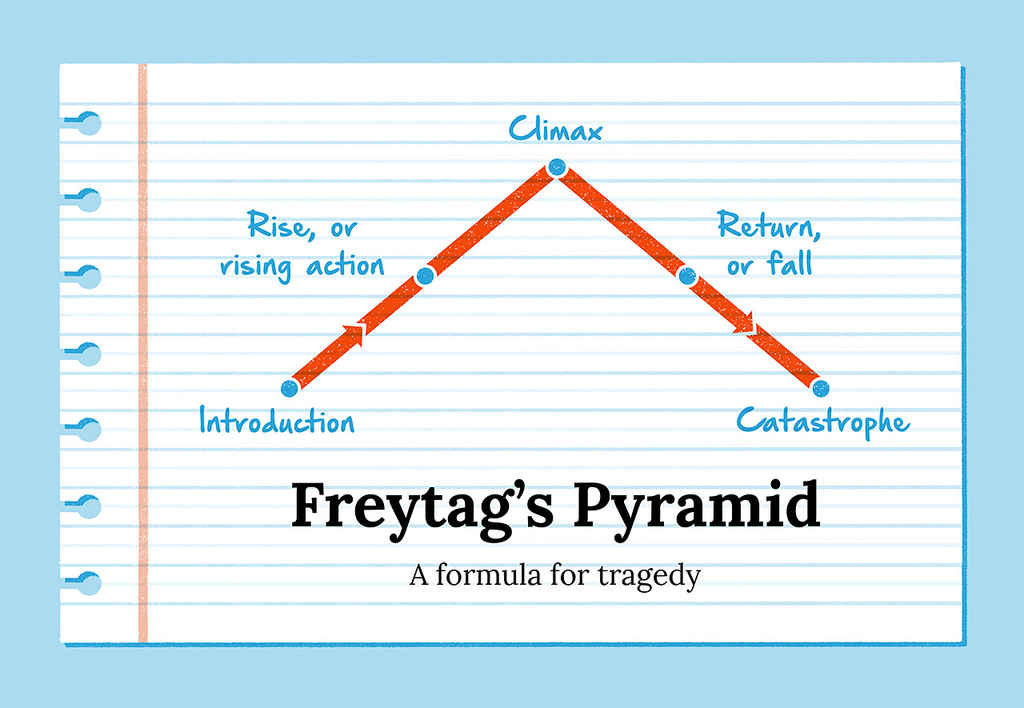
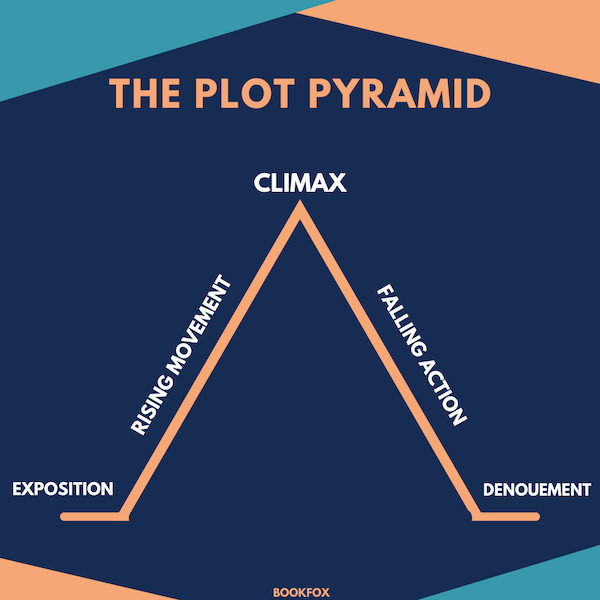
- Act I: The Setup (The Hook): This is where you establish the status quo and the “inciting incident.” For a brand, this means identifying the target audience’s current reality and the specific challenge they face. If you are a fintech brand, Act I might highlight the frustration of traditional banking.
- Act II: The Confrontation (The Value Prop): This is the “middle” of the story where the tension rises. The brand demonstrates how its features solve the challenges presented in Act I. This is the stage for case studies, testimonials, and detailed product demos.
- Act III: The Resolution (The Call to Action): Every story needs an ending. In branding, the resolution is the conversion. This is where the brand invites the hero to take action, painting a picture of what their life looks like after using the solution.
Problem-Agitation-Solution (PAS)
A more aggressive but highly effective structure used in copywriting and brand positioning is the PAS framework.
- Problem: Clearly define the issue the brand addresses.
- Agitation: Deepen the emotional connection by discussing the consequences of leaving the problem unsolved.
- Solution: Introduce the brand as the definitive answer.
This structure is particularly effective for brands in the B2B or service sectors, where the cost of inaction is often a primary motivator for decision-makers.
Emotional Resonance and Customer Centricity
Structure is not just about the order of events; it is about the “arc” of transformation. In branding, this refers to the emotional shift a customer undergoes when interacting with a corporate identity.
Making the Customer the Protagonist
A brand’s story structure must revolve around the protagonist’s needs. This requires deep market research to understand the “internal conflict” of the target demographic. While a “functional” story might focus on what a product does (e.g., “This vacuum has high suction”), a “structured” brand story focuses on the internal desire (e.g., “You deserve a clean home so you can feel at peace”).
By structuring the brand around internal desires, you create “Brand Affinity.” The story becomes less about the transaction and more about the relationship. The structure ensures that the brand is consistently speaking to those deeper motivations across every platform.
The Role of Conflict in Brand Longevity
Every great story needs conflict. In brand strategy, conflict is the gap between where the customer is and where they want to be. A brand that ignores conflict is boring and forgettable. Structured storytelling identifies the “villain” in the customer’s life—whether that villain is “complexity,” “high costs,” “poor health,” or “outdated technology.” By positioning the brand as the weapon to defeat this villain, the narrative gains stakes and urgency. This structural element is what transforms a “nice-to-have” product into a “must-have” solution.
Executing Story Structure Across Digital Touchpoints
Once the narrative structure is defined, the challenge lies in maintaining that structure across a fragmented digital ecosystem. A brand’s story is told in pieces—a tweet here, a billboard there, a blog post elsewhere. Structure is the thread that sews these pieces together.
Consistent Narratives in Omni-Channel Marketing
In a professional brand strategy, consistency is the hallmark of structural integrity. If your Act I (the problem) is established on your website, but your social media skips straight to Act III (the resolution) without providing the necessary context of Act II (the mentor/guide phase), the customer experiences a “narrative disconnect.”
Effective brands use a “Content Pillar” approach to maintain structure. Each pillar represents a different part of the brand’s story arc. One pillar might focus on empathy (understanding the problem), another on authority (showing the solution), and another on social proof (the successful resolution). This ensures that no matter where a customer enters the story, they can eventually find their way through the full narrative structure.
Measuring Narrative Impact and ROI
In the world of business and branding, structure must also be measurable. How do we know if our story structure is working? We look at “Narrative ROI.”
- Engagement Rates: Do customers stay on the page? (Indicates a strong Act I/Hook).
- Conversion Rates: Do customers take the final step? (Indicates a strong Act III/Resolution).
- Brand Sentiment: Do customers use the brand’s own language when describing it? (Indicates that the narrative structure has been successfully internalized by the audience).
A well-structured story doesn’t just attract customers; it creates “Brand Advocates”—individuals who are so convinced by the narrative that they begin telling the story on the brand’s behalf.
Conclusion: The Strategic Advantage of Structure
What is structure in a story? In the context of brand strategy, it is the most powerful tool a business has to command attention and build trust. It is the disciplined application of narrative logic to commercial goals.
By moving away from randomized marketing and toward a structured, customer-centric narrative, brands can move beyond the “commodity trap.” They stop competing on price alone and start competing on meaning. Structure provides the roadmap for this transformation, ensuring that every message sent into the world reinforces a single, powerful, and persuasive identity. In an age of infinite choice, the brand with the best-structured story is the one that wins the heart and the wallet of the consumer.
aViewFromTheCave is a participant in the Amazon Services LLC Associates Program, an affiliate advertising program designed to provide a means for sites to earn advertising fees by advertising and linking to Amazon.com. Amazon, the Amazon logo, AmazonSupply, and the AmazonSupply logo are trademarks of Amazon.com, Inc. or its affiliates. As an Amazon Associate we earn affiliate commissions from qualifying purchases.