
In the rapidly evolving landscape of digital media, the lines between traditional cable television and over-the-top (OTT) streaming services have blurred. At the center of this convergence is Xfinity Streampix, a service developed by Comcast to bridge the gap between scheduled linear programming and the on-demand flexibility that modern consumers demand. While the market is saturated with giants like Netflix, Disney+, and Amazon Prime Video, Streampix occupies a unique technological niche, integrated directly into the Xfinity hardware and software ecosystem. Understanding what Streampix is requires a look at the technical architecture of the X1 platform, the mechanics of video-on-demand (VOD) delivery, and how it fits into the broader digital transformation of home entertainment.
The Evolution of Xfinity Streampix in the Streaming Landscape
To understand Streampix from a technological perspective, one must first understand the shift from traditional QAM (Quadrature Amplitude Modulation) broadcasting to IP-based delivery. For decades, cable companies delivered content via dedicated frequencies. Streampix represents a hybrid approach, utilizing Comcast’s robust network infrastructure to offer a massive library of legacy content and cinematic releases that are accessible instantaneously through a cloud-based interface.
Bridging the Gap Between Linear TV and On-Demand
Streampix was designed to function as a digital library that complements existing cable subscriptions. Unlike standalone apps that require external hardware like a Roku or Apple TV (though it is compatible with them), Streampix is natively integrated into the Xfinity firmware. This integration allows for a seamless “unified search” experience. From a software standpoint, this is a significant achievement; it means the system’s metadata can cross-reference live TV listings with the Streampix on-demand library, allowing users to find a franchise—say, Jurassic Park—regardless of whether it is currently airing on a network or sitting in the Streampix repository.
Integration with the X1 Platform
The X1 platform is often cited as the gold standard for cable operating systems, and Streampix is a core component of its value proposition. The technology behind X1 relies heavily on cloud computing. When a user selects a title on Streampix, the command is processed in a remote data center rather than on the local set-top box. This “thin client” architecture allows the user interface to remain snappy and responsive, even if the hardware in the user’s home is several years old. This shift to the cloud has allowed Comcast to update the Streampix interface and library without requiring users to swap out their physical equipment.
Technical Specifications and Platform Compatibility
From a technical standpoint, the efficacy of a streaming service is measured by its accessibility across devices and its stability under varying network conditions. Xfinity Streampix is built on a multi-platform framework that ensures users can transition from their living room to their mobile devices without losing their place in a movie or series.
Supported Devices and Hardware Requirements
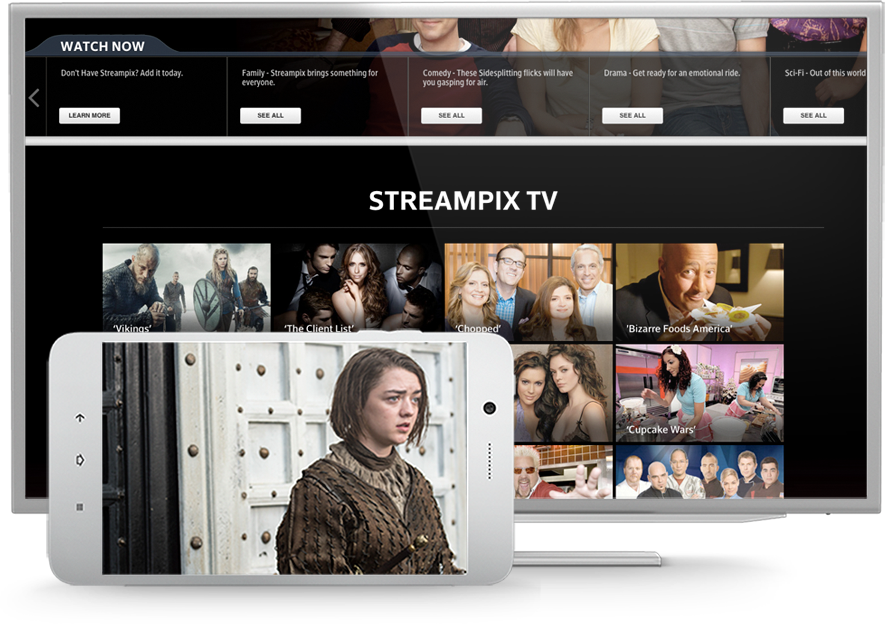
Streampix is not confined to the X1 set-top box. The service is accessible via the Xfinity Stream app, which is available on iOS, Android, and Amazon Fire TV, as well as via web browsers on macOS and Windows. The backend uses an adaptive bitrate streaming (ABR) protocol. This technology detects the user’s bandwidth in real-time and adjusts the video quality accordingly. For instance, if a user is streaming over a congested 4G network, the Streampix player will downgrade the resolution to prevent buffering, then scale back up to 1080p once a stable Wi-Fi connection is established.
Performance, Resolution, and Streaming Quality
While Streampix focuses heavily on a deep catalog of older films and complete TV series, the technical delivery remains high-definition. Most titles are delivered in 1080p HD with Dolby Digital 5.1 surround sound support. The integration of MPEG-4 (H.264) compression allows Comcast to deliver high-quality visuals while minimizing the data footprint. This is particularly important for users who may be subject to data caps, as it ensures a premium viewing experience without unnecessary network strain. Furthermore, the low-latency nature of Comcast’s private managed network means that Streampix often experiences less “jitter” than traditional OTT services that travel over the public internet.
Navigating the Content Library and User Experience
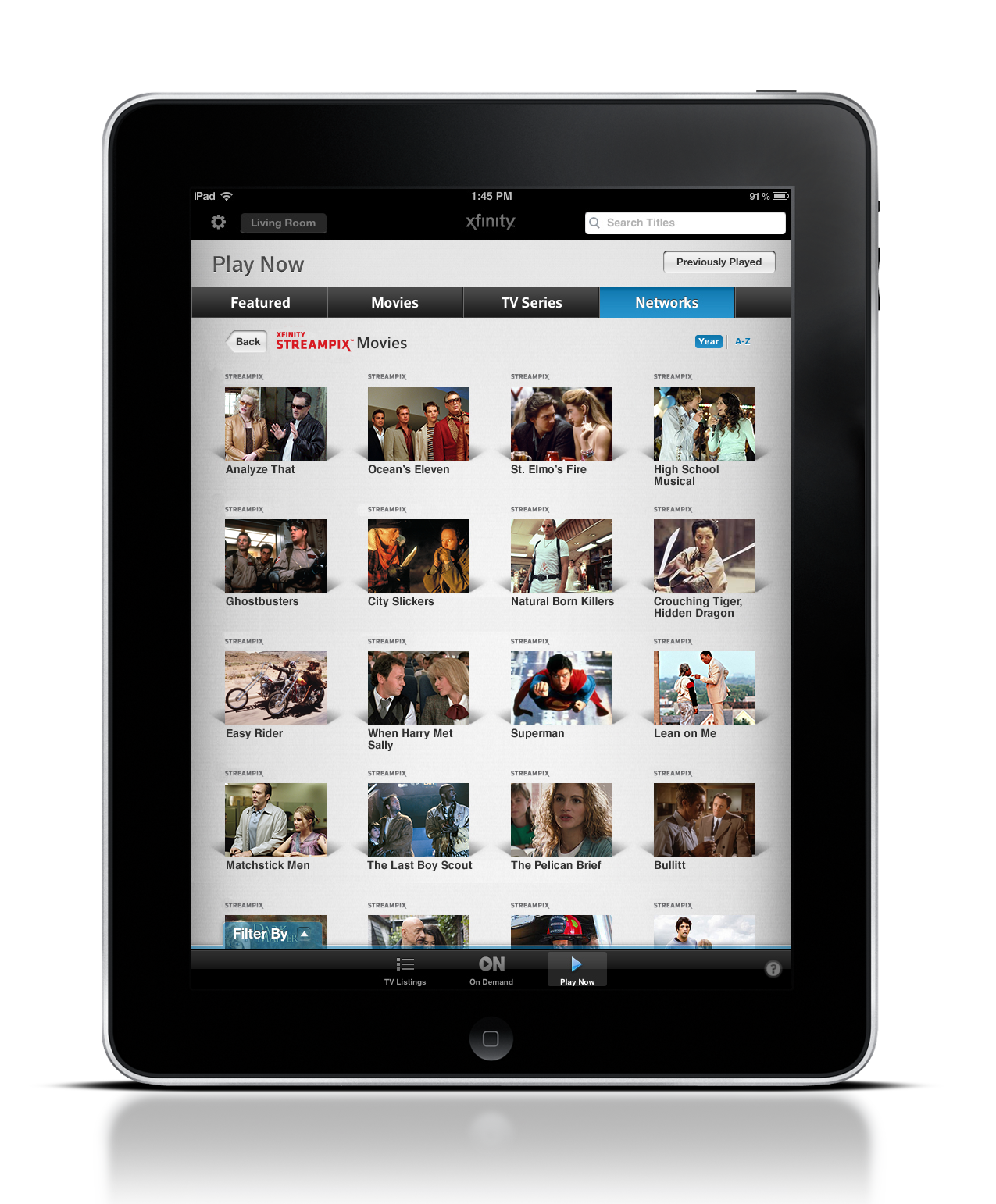
In the world of software and apps, user experience (UX) is the ultimate differentiator. Streampix is designed with a “lean-back” philosophy, prioritizing ease of discovery through sophisticated algorithms and a clean, visual-heavy interface.
Curated Libraries and Genre Diversity
The Streampix library is curated using data-driven insights into subscriber viewing habits. By analyzing which genres are most popular among different demographics, Xfinity’s software can prioritize certain tiles in the “Recommended for You” section. This is achieved through a recommendation engine that utilizes machine learning to map user preferences. Whether it is a “Nostalgia” category featuring 90s sitcoms or a “Blockbuster” section for early 2000s cinema, the organization of content is a result of complex backend tagging and metadata management.
The Interface: Searchability and User Discovery
One of the most impressive technical features of the Streampix experience is the Voice Remote integration. Using natural language processing (NLP), the X1 system allows users to speak into their remote to find Streampix content. If a user says, “Show me action movies on Streampix,” the system must parse the intent, filter the Streampix database, and return results within milliseconds. This requires a robust API connection between the voice recognition software and the content database. For the user, it feels like magic, but from a tech perspective, it is a high-speed data retrieval process that sets Streampix apart from more clunky, manual-entry streaming services.
Streampix and the Future of Multi-Platform Digital Consumption
As we look toward the future of digital media, services like Streampix are evolving to meet the demands of an increasingly mobile and security-conscious audience. The transition toward a “streaming-first” world necessitates changes in how content is protected and how data is managed.
Data Security and Account Privacy in Streaming
Digital security is a paramount concern for any service that requires a login. Streampix utilizes Comcast’s centralized identity management system, which supports multi-factor authentication (MFA) to ensure that only authorized users can access the content. Furthermore, the service employs Digital Rights Management (DRM) technologies—such as Widevine or FairPlay—to ensure that copyrighted content is not intercepted or pirated during the streaming process. For the end-user, this means a secure environment where their viewing habits are protected and the integrity of the media is maintained.
The Shift Toward Hybrid Entertainment Models
The tech industry is moving toward “aggregation,” where consumers want all their apps in one place. Streampix represents an early and successful version of this trend. By nesting a streaming service inside a cable ecosystem, Comcast has created a hybrid model. This model is likely to influence future software developments in the smart home space. As 5G becomes more prevalent and Wi-Fi 6E increases home networking speeds, we can expect Streampix to integrate even more deeply with other IoT (Internet of Things) devices. Imagine a scenario where your Streampix app automatically dims your smart lights and adjusts your thermostat when you hit “play” on a movie—this level of ecosystem integration is the next frontier for digital service providers.
Conclusion: A Technical Foundation for Content Delivery
Xfinity Streampix is more than just a collection of movies; it is a sophisticated software solution that leverages cloud computing, adaptive bitrate streaming, and AI-driven discovery to enhance the cable experience. By moving away from the rigid structures of the past and embracing the flexibility of the digital age, Streampix provides a glimpse into the future of media consumption.
For the tech-savvy consumer, the value of Streampix lies in its seamlessness. It removes the friction of switching inputs or managing multiple logins, consolidating a world of entertainment into a single, voice-controlled interface. As Comcast continues to iterate on the X1 and XStream platforms, the underlying technology of Streampix will undoubtedly continue to evolve, pushing the boundaries of what is possible in the intersection of telecommunications and digital streaming. In an era defined by the “streaming wars,” Streampix remains a resilient and technically sound pillar of the Xfinity digital portfolio.
aViewFromTheCave is a participant in the Amazon Services LLC Associates Program, an affiliate advertising program designed to provide a means for sites to earn advertising fees by advertising and linking to Amazon.com. Amazon, the Amazon logo, AmazonSupply, and the AmazonSupply logo are trademarks of Amazon.com, Inc. or its affiliates. As an Amazon Associate we earn affiliate commissions from qualifying purchases.