
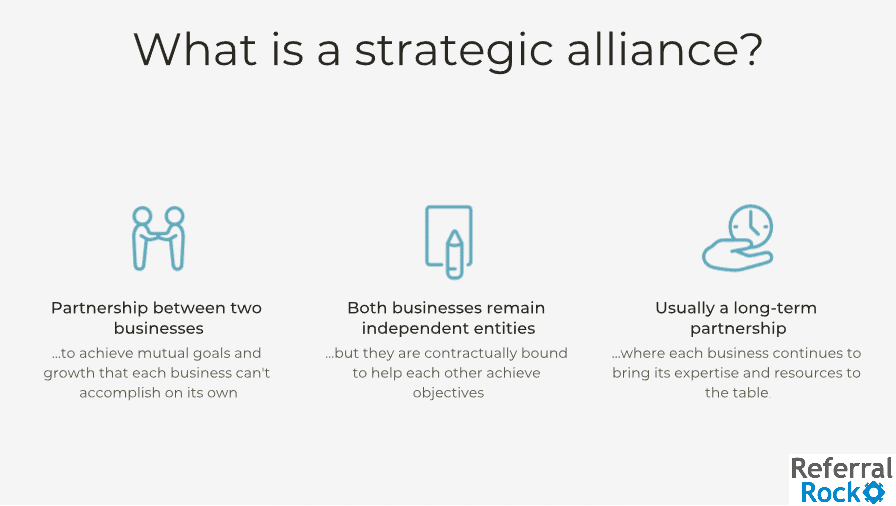
In the hyper-competitive landscape of modern commerce, no brand is an island. The days when a single entity could dominate a market through sheer isolationist force are fading. Today, the most influential organizations are those that understand the power of the “Strategic Alliance.” Within the realm of brand strategy and corporate identity, a strategic alliance is far more than a simple handshake or a temporary marketing campaign; it is a calculated, long-term relationship between two or more brands to achieve a set of agreed-upon objectives while remaining independent organizations.

When executed correctly, a strategic alliance allows a brand to leapfrog competitors, access untapped demographics, and innovate at a pace that would be impossible in a vacuum. This article explores the depth of strategic alliances through the lens of brand development, examining how they shape corporate identity and drive market expansion.
Defining Strategic Alliances in the Modern Brand Landscape
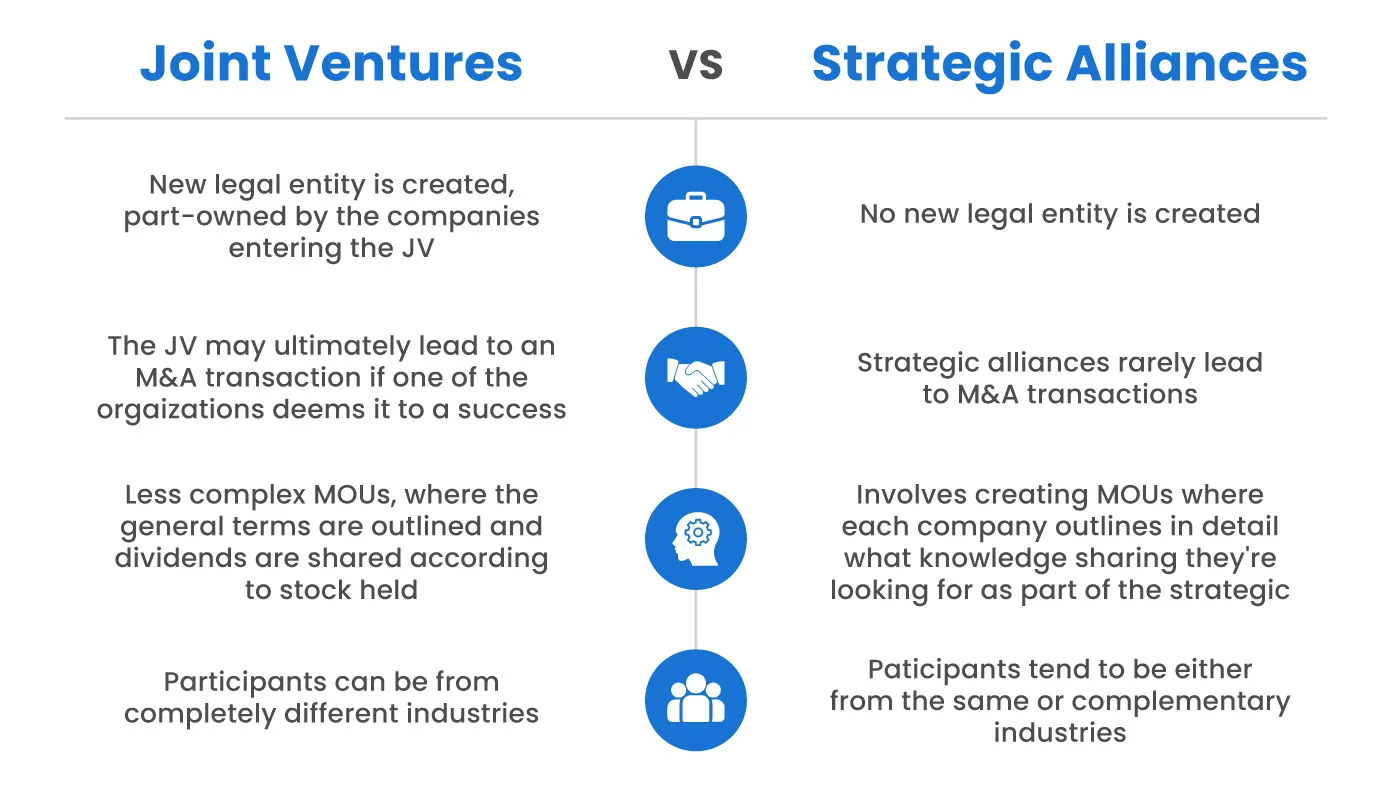
A strategic alliance is a formal agreement between two companies that decide to share resources to undertake a specific, mutually beneficial project. Unlike a merger or an acquisition, a strategic alliance does not involve the surrender of autonomy. Each brand retains its unique identity, its own management structure, and its individual long-term goals. However, for the duration of the alliance, they operate with a “shared vision.”
The Core Concept: Beyond Simple Partnerships
In the context of branding, it is essential to distinguish between a vendor-client relationship and a strategic alliance. A vendor relationship is transactional—you pay for a service, and the service is delivered. A strategic alliance is transformational. It involves a deep level of integration where both brands contribute intellectual property, marketing muscle, or distribution networks to create something greater than the sum of its parts.
For a brand, this means looking at a partner not as a tool, but as a co-creator of value. The alliance is rooted in the “synergy” principle: the idea that the combined power of two brands creates a market presence that neither could achieve alone. This is particularly vital for emerging brands looking to gain “borrowed equity” from established leaders, or for legacy brands looking to modernize their image by associating with agile, innovative partners.
Synergy and the Power of Shared Brand Equity
Brand equity—the commercial value derived from consumer perception of the brand name—is one of a company’s most valuable assets. In a strategic alliance, brands effectively “rent” or “share” this equity. When a high-end luxury brand partners with a popular streetwear label, the luxury brand gains “cool factor” and relevance among younger demographics, while the streetwear label gains an aura of prestige and premium quality.
This exchange of equity must be handled with surgical precision. If the identities of the two brands are too disparate, the alliance can feel forced or “gimmicky,” potentially damaging the credibility of both parties. Successful brand alliances are those where the core values of both entities align, creating a narrative that feels authentic to the consumer.
Types of Strategic Alliances for Brand Development
Not all alliances are structured the same way. Depending on the goals of the brand strategy—whether it is entering a new geographical market, launching a niche product, or revitalizing a tired image—different frameworks are utilized.
Co-Branding and Product Collaboration
Perhaps the most visible form of strategic alliance is co-branding. This involves the creation of a product or service that carries the identity of both brands simultaneously. Think of the collaboration between Nike and Apple, which resulted in the “Nike+” ecosystem. Nike brought its dominance in athletic apparel and footwear, while Apple brought its prowess in software and hardware integration.
This type of alliance allows both brands to occupy a space in the consumer’s mind that they couldn’t occupy alone. For Nike, it turned their shoes into smart devices; for Apple, it solidified their position as a lifestyle brand essential for health and fitness. Co-branding is a powerful tool for brands looking to diversify their product lines without the risk of starting from scratch.
Distribution and Channel Alliances
Sometimes, the strength of a brand lies not in its product, but in its reach. A distribution alliance occurs when one brand uses the established sales channels of another to reach customers. This is common when a brand wants to expand internationally. Instead of building a new supply chain and retail presence in a foreign country, a brand might partner with a local giant that already has the trust of the local population and the logistical infrastructure in place.
From a branding perspective, this is a “trust transfer.” If a consumer walks into their favorite local department store and sees a new international brand on the shelves, the international brand immediately inherits a level of legitimacy. The “where” of a brand’s presence is often just as important as the “what” of its product.
Promotional and Marketing Alliances
Promotional alliances are often shorter-term but highly impactful. These involve two brands joining forces to promote each other’s products through shared marketing budgets and platforms. This is seen frequently in the entertainment industry, where a major film studio might partner with a fast-food chain or a soft drink brand to promote a blockbuster movie.
The goal here is “audience cross-pollination.” By aligning marketing efforts, both brands can reach a wider net of consumers at a lower cost per acquisition. For the corporate identity, these alliances serve to keep the brand in the cultural conversation, associating it with high-energy events and popular media.
The Strategic Benefits of Brand-Centric Partnerships
Why do brands invest the significant time and legal resources required to form these alliances? The benefits are multifaceted, impacting everything from the balance sheet to the brand’s psychological footprint in the market.
Accessing New Demographics and Geographies
One of the hardest tasks for any brand is breaking into a new demographic. If a brand is perceived as “for older people,” simply changing its advertising copy rarely works. However, forming a strategic alliance with a brand that the target demographic already loves can bridge that gap instantly.
These alliances act as a “cultural bridge.” They allow a brand to enter a new market with a pre-validated reputation. This is especially true in the globalized economy, where local nuances and consumer behaviors vary wildly. A strategic alliance with a local brand provides the “insider knowledge” necessary to navigate cultural sensitivities and regional marketing preferences.
Cost Sharing and Resource Optimization
Innovation is expensive. Developing new technologies, conducting market research, and launching global campaigns require capital that can strain even the largest corporate budgets. Strategic alliances allow brands to pool their resources.
By sharing the costs of R&D or marketing, brands can take bigger risks with less individual exposure. This resource optimization also extends to human capital. When two brands align, they often share expertise, allowing their respective teams to learn new methodologies and creative approaches. This “intellectual exchange” can lead to a long-term improvement in the brand’s internal culture and operational efficiency.
Enhancing Brand Credibility and Trust
In an era of “brand skepticism,” trust is the most difficult currency to earn. A strategic alliance with a highly respected, “blue-chip” brand can provide a massive boost in credibility for a smaller or newer player. When a startup partners with an industry titan, it serves as a powerful endorsement. It tells the market, the investors, and the consumers that the startup has been “vetted” by the best.
This halo effect is a core pillar of brand strategy. It minimizes the perceived risk for the consumer, making them more likely to try a new product or service because it is associated with a name they already trust.
Challenges and Risks in Brand Alliances
Despite the high potential for reward, strategic alliances are fraught with risk. If a partnership is poorly planned or executed, it can lead to a catastrophic loss of brand equity.
Brand Dilution and Identity Conflict
The greatest risk in any alliance is brand dilution. This happens when a brand’s identity becomes “muddled” or weakened by its association with another brand. If a luxury brand partners with too many mid-market brands, it risks losing its aura of exclusivity.
Furthermore, identity conflicts can arise if the two brands have contradictory values. For example, if a brand that prides itself on sustainability and eco-friendliness partners with a company that has a poor environmental record, the resulting backlash can be devastating. Consumers are highly sensitive to hypocrisy; an alliance that feels like a “money grab” rather than an authentic partnership can lead to a permanent loss of consumer loyalty.
Cultural Misalignment and Execution Gaps
Beyond the external brand image, there is the internal reality of corporate culture. A strategic alliance requires two different organizations to work together closely. If the corporate cultures are too different—for example, a fast-moving, “break things” startup culture trying to work with a slow, bureaucratic corporate giant—the execution often fails.
These execution gaps can lead to missed deadlines, inconsistent messaging, and a poor customer experience. A brand is a promise made to the customer; if an alliance causes that promise to be broken because the two companies couldn’t coordinate their efforts, the brand’s reputation will suffer.
Building a Successful Brand Alliance: A Step-by-Step Framework
Success in a strategic alliance is not accidental; it is the result of rigorous planning and a deep understanding of brand identity.
Alignment of Vision and Values
Before any legal documents are signed, there must be an alignment of vision. Both brands must ask: “Why are we doing this?” and “Do our values match?” An alliance should only proceed if the partnership reinforces the core identity of both brands. This stage involves deep “due diligence” not just of the finances, but of the brand’s soul. A successful alliance should feel like a natural evolution of both brands, not a forced pivot.
Defining Clear KPIs and Exit Strategies
A strategic alliance must be treated with the same analytical rigor as any other business unit. This means setting clear Key Performance Indicators (KPIs). Are we measuring success by brand awareness, lead generation, or total sales? Without clear metrics, it is impossible to determine if the alliance is actually providing value.
Equally important is the “exit strategy.” Not all alliances are meant to last forever. Brands change, markets shift, and goals evolve. A professional strategic alliance includes clear terms for how the partnership will end, ensuring that both brands can walk away with their identities intact and their reputations preserved. By planning for the end at the beginning, brands can ensure that the partnership remains a positive chapter in their corporate history, rather than a messy entanglement.
In conclusion, a strategic alliance is one of the most powerful levers in a brand strategist’s toolkit. By combining the strengths of two distinct identities, companies can achieve a level of market resonance and innovation that is simply unattainable alone. However, the path to a successful alliance requires a delicate balance of ambition, cultural alignment, and strategic discipline. When these elements align, the result is a partnership that doesn’t just sell products—it builds a legacy.
aViewFromTheCave is a participant in the Amazon Services LLC Associates Program, an affiliate advertising program designed to provide a means for sites to earn advertising fees by advertising and linking to Amazon.com. Amazon, the Amazon logo, AmazonSupply, and the AmazonSupply logo are trademarks of Amazon.com, Inc. or its affiliates. As an Amazon Associate we earn affiliate commissions from qualifying purchases.