
In the traditional sense, soil contamination is defined as the presence of human-made chemicals or other alterations in the natural soil environment. However, in the modern landscape of innovation, we no longer view this issue through the lens of simple biology or geology. Instead, soil contamination has become a frontier for high-tech intervention, data science, and sophisticated engineering. As our global population grows and industrial footprints expand, the “tech-stack” used to detect, map, and remediate degraded land has become one of the most critical sectors within Environmental Technology (EnviroTech).
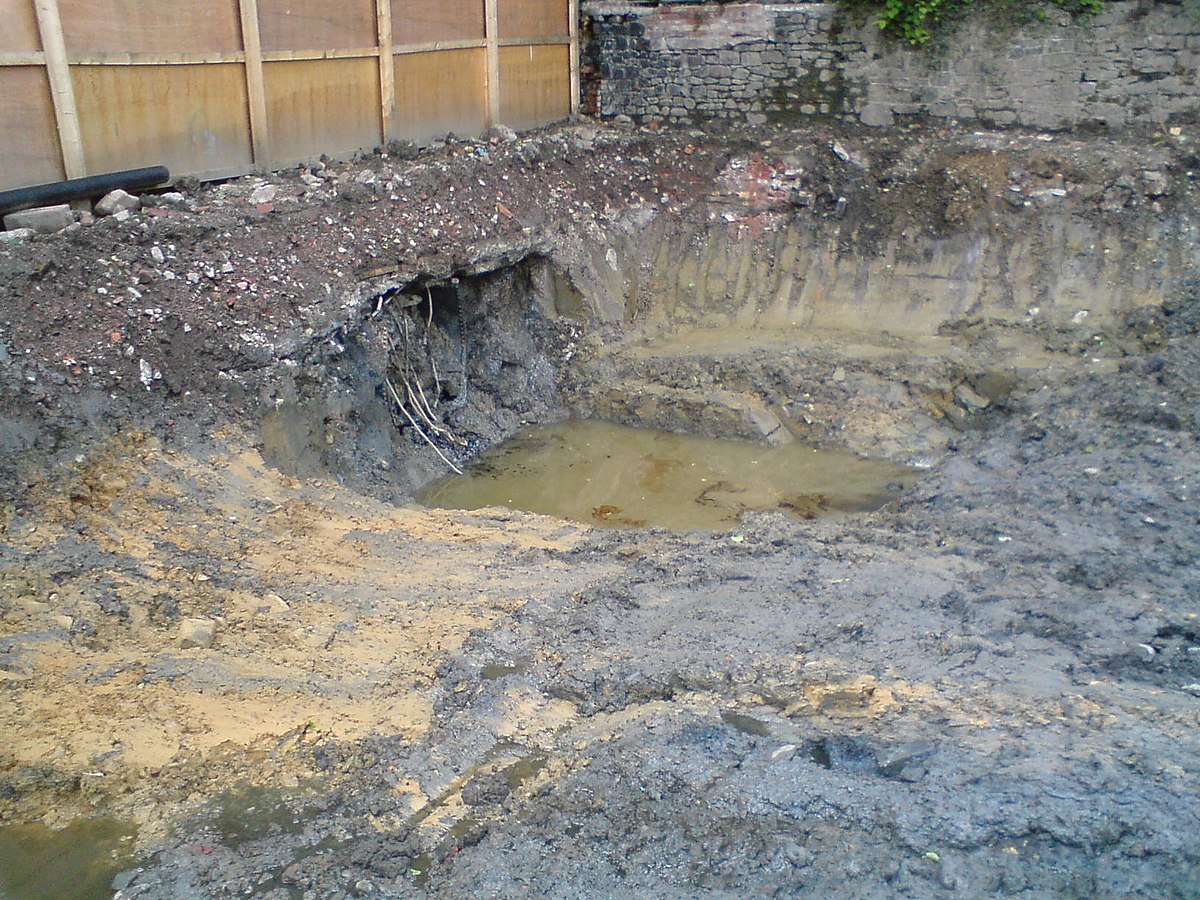
Today, identifying “what is soil contamination” is as much about digital sensor precision and AI-driven predictive modeling as it is about chemical analysis. We are moving away from reactive digging and toward a proactive, tech-centric ecosystem that treats soil as a complex data set that can be monitored, managed, and restored through digital transformation.
The Digital Anatomy of Soil Contamination: IoT and Remote Monitoring
The first step in addressing soil contamination is identification. Traditionally, this required manual core sampling—a slow, expensive, and often localized process that failed to capture the full scope of a site’s degradation. Modern technology has replaced this with a networked approach, utilizing the Internet of Things (IoT) and advanced remote sensing to provide a real-time “biopsy” of the earth.
IoT and Autonomous Sensor Networks
The deployment of IoT-enabled sensors is revolutionizing how we define contaminated zones. These small, low-power devices are embedded directly into the substrate to monitor pH levels, moisture, temperature, and the presence of specific heavy metals or hydrocarbons. By utilizing LoRaWAN (Long Range Wide Area Network) or 5G connectivity, these sensors transmit data to centralized cloud platforms. This allows environmental engineers to witness the “movement” of contaminants in real-time, identifying how a leak or spill migrates through different soil strata before it reaches the groundwater.
Hyperspectral Imaging and Drone Surveillance
Beyond what is buried in the ground, we now look from above. Drones equipped with hyperspectral cameras are capable of “seeing” soil contamination that is invisible to the human eye. By analyzing the light reflectance patterns of vegetation and surface soil, these cameras can detect stress markers in plants or chemical anomalies on the surface. This “spectral signature” acts as a digital fingerprint for pollutants. When combined with LiDAR (Light Detection and Ranging), tech teams can create high-resolution 3D topographical maps that predict where runoff will carry contaminants during rain events, allowing for the preemptive installation of digital barriers.
AI and Machine Learning: Mapping the Invisible
Once data is collected from sensors and satellites, the challenge shifts to interpretation. Soil is a non-homogeneous medium; chemicals behave differently depending on clay content, microbial activity, and historical land use. This is where Artificial Intelligence (AI) and Machine Learning (ML) become the primary tools for understanding the “what” and “where” of soil contamination.
Predictive Modeling for Pollutant Migration
Machine learning algorithms are now trained on decades of geological data to predict the behavior of contaminants. By inputting variables such as soil porosity, hydraulic conductivity, and local weather patterns, AI models can simulate “contaminant plumes.” These digital twins of a contaminated site allow technicians to run “what-if” scenarios. For instance, if a chemical spill occurs in a specific industrial zone, the AI can predict exactly where that contamination will be in six months, allowing for targeted intervention that saves millions of dollars in unnecessary excavation.
Big Data and Environmental Impact Assessments (EIA)
The integration of Big Data has transformed Environmental Impact Assessments from static documents into living digital assets. Software platforms now aggregate data from thousands of historical contamination sites to identify patterns in how specific pollutants, such as PFAS (per- and polyfluoroalkyl substances) or “forever chemicals,” interact with different ecosystems. This tech-heavy approach allows corporations and governments to categorize soil contamination not just as a physical state, but as a quantifiable risk factor that can be mitigated through algorithmic precision.
Next-Generation Remediation: The Rise of “Clean-Tech”
Understanding soil contamination is only half the battle; the other half is the technology used to fix it. We are entering an era of “In-Situ” (on-site) remediation, where advanced tech tools neutralize toxins without the need for massive “dig and dump” operations that further increase carbon footprints.
CRISPR and Bio-Engineered Microbes
One of the most exciting intersections of Biotech and Soil Tech is the use of CRISPR-Cas9 gene-editing technology to create specialized microbes. These “designer bacteria” are programmed to seek out and metabolize specific contaminants, such as oil or plastic residues, turning them into harmless byproducts like water or carbon dioxide. This process, known as enhanced bioremediation, is managed via digital dashboards that monitor the health and “work rate” of the microbial colonies, ensuring that the biological solution is optimized for the specific chemical makeup of the soil.
Nanotechnology and Chemical Neutralization
At the molecular level, nanotechnology is providing new ways to treat soil contamination. Nanoparticles, such as zero-valent iron (nZVI), are injected into contaminated soil to act as high-speed catalysts for chemical reduction. These particles are engineered to be highly mobile, allowing them to penetrate deep into soil pores where traditional treatments cannot reach. Advanced delivery systems use precision-drilling robotics to inject these nanoparticles at exact coordinates identified by AI mapping, ensuring maximum efficiency with minimal environmental disruption.
Robotics and Automated Excavation
In cases where physical removal is unavoidable, the tech industry has introduced autonomous heavy machinery. Robotic excavators, guided by GPS and real-time sensor feedback, can remove contaminated soil with surgical precision. These machines reduce human exposure to toxic substances and use “smart buckets” equipped with sensors that can distinguish between contaminated and clean soil on the fly, ensuring that only the necessary amount of earth is removed for treatment.
The Future of AgTech and Soil Health Management
As we look toward a future where soil contamination is managed through a “Tech-First” lens, the focus is shifting from remediation to prevention. The rise of AgTech (Agricultural Technology) is playing a pivotal role in ensuring that the next generation of soil remains pristine.
Precision Agriculture as a Preventative Tool
Precision AgTech uses GPS, IoT, and variable-rate technology (VRT) to apply fertilizers and pesticides with extreme accuracy. By using “smart sprayers” that only activate when they detect a specific weed or nutrient deficiency, farmers can drastically reduce the chemical load placed on the soil. This prevents the “over-application” that is a leading cause of modern soil contamination. In this context, soil health is managed as a digital asset, with every square meter of land tracked for its chemical and nutrient profile.
Blockchain for Soil Quality Transparency
One of the newest entries into the soil tech space is Blockchain. By recording soil test results and land-use history on a decentralized, immutable ledger, stakeholders can ensure complete transparency regarding soil contamination. For tech-savvy real estate developers and agricultural conglomerates, this “digital passport” for land provides proof of remediation and a verified history of chemical use. This level of data integrity is essential for ESG (Environmental, Social, and Governance) reporting, turning soil quality into a transparent metric for corporate accountability.
Conclusion: Soil Contamination as a Digital Challenge
In the 21st century, the question “what is soil contamination?” is no longer answered by looking at a patch of dirt. It is answered by looking at a screen filled with sensor data, AI-generated heat maps, and genetic sequences. Technology has turned one of our greatest environmental challenges into an opportunity for innovation.
By leveraging IoT for detection, AI for mapping, and Bio-Tech for remediation, we are building a world where soil contamination is no longer a permanent scar on the landscape, but a manageable variable in a digital ecosystem. As these technologies continue to mature, the goal is clear: a “Zero-Contamination” future powered by the relentless evolution of the global tech-stack. The earth beneath our feet is being digitized, and in that data lies the secret to its restoration.
aViewFromTheCave is a participant in the Amazon Services LLC Associates Program, an affiliate advertising program designed to provide a means for sites to earn advertising fees by advertising and linking to Amazon.com. Amazon, the Amazon logo, AmazonSupply, and the AmazonSupply logo are trademarks of Amazon.com, Inc. or its affiliates. As an Amazon Associate we earn affiliate commissions from qualifying purchases.